
Italian Scene — History & Facts
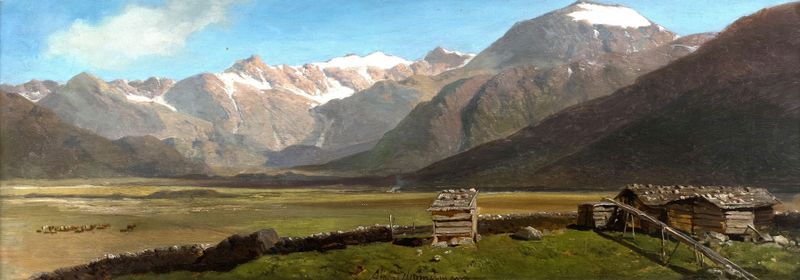
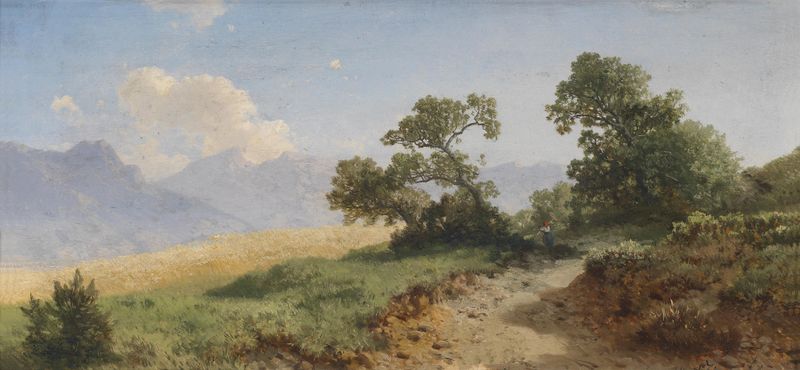
When did color learn to lie? In an age where beauty often dazzles the eye, it conceals untold stories lurking beneath the surface. Look closely at the vibrant hues that dance across the canvas. Notice how the warm ochres and deep greens intermingle, creating a tapestry that suggests a lively Italian village scene. The strokes are confident yet fluid, guiding your gaze toward a verdant hillside where time seems suspended.
The juxtaposition of the structured architecture against the wildness of nature invites contemplation about the harmony and discord of human existence. Within the serene landscape lies a tension between the idyllic and the real. The brilliant colors may seduce the viewer into a sense of tranquility, yet the edges of the buildings are sharp, reminding us of life’s harsh realities. Hidden within the seemingly perfect beauty is a struggle—a whisper of what lies beyond the painted façade.
This duality evokes a deeper emotional response, prompting questions about the nature of beauty itself and whether it can ever be genuine. Created during a time when artistic movements were evolving rapidly, this piece reflects the artist’s explorations into the interplay of light and color. Working in the late 19th century, the artist navigated through a world increasingly enamored with Impressionism, yet sought to maintain a sense of realism. The emergence of new artistic philosophies inspired a fresh approach, emphasizing beauty while questioning its authenticity, a theme that resonates throughout the era and remains relevant today.
More Artworks by Albert Zimmermann
Browse all →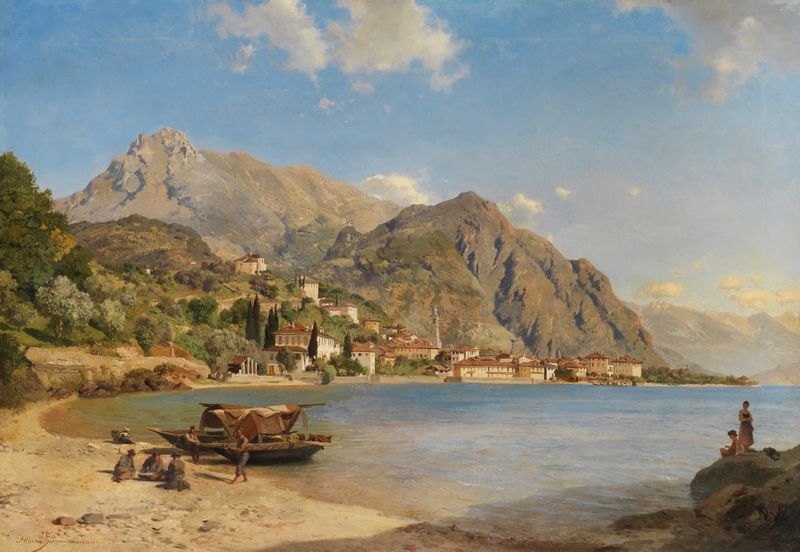
Am Ufer des Comer Sees (Menaggio)
Albert Zimmermann

Gewittersturm im Hochgebirge
Albert Zimmermann

A Lake in the Alps, in the Background the Monte Rosa Chain in Switzerland
Albert Zimmermann

Landscape
Albert Zimmermann
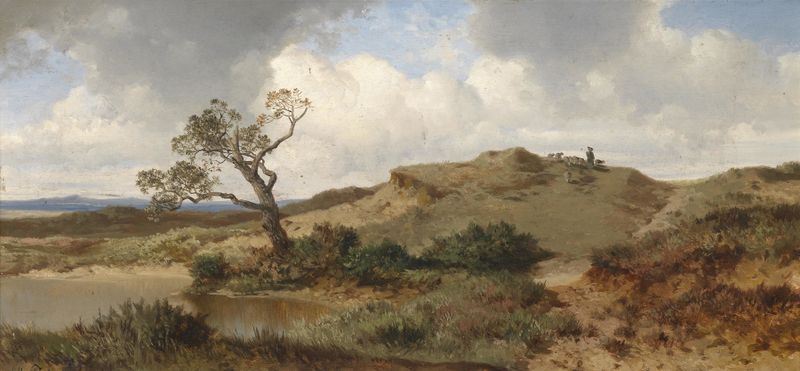
Schwäbische Alb
Albert Zimmermann

Coastal Landscape In Sorrento Near Naples
Albert Zimmermann
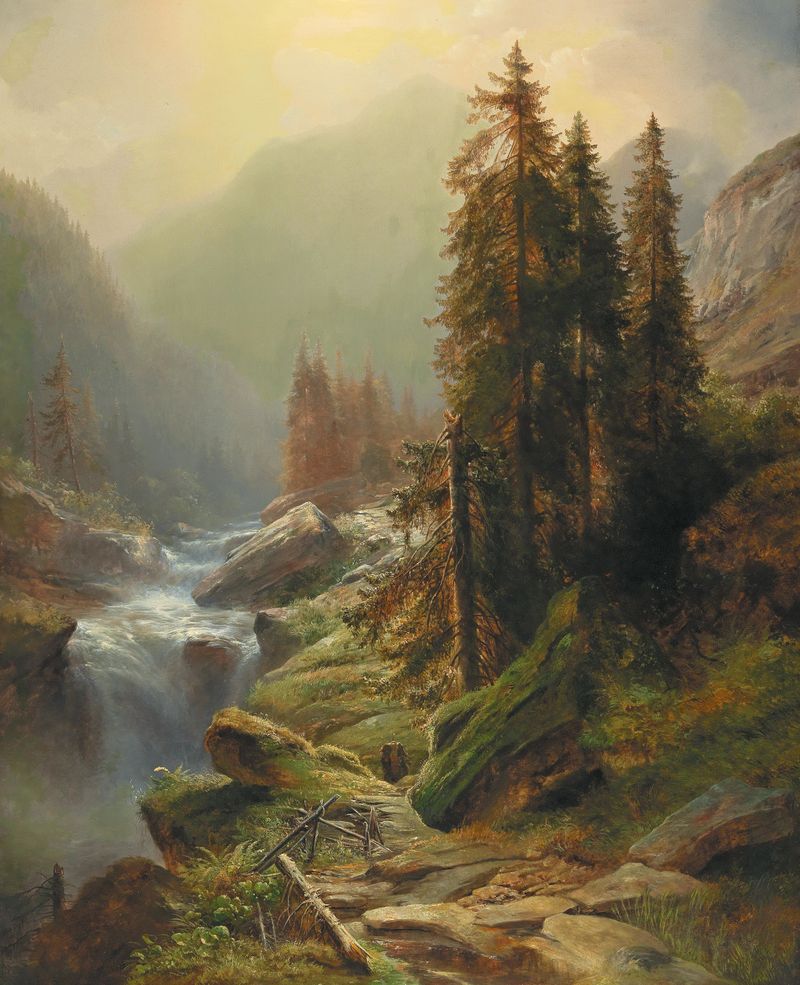
Large Mountain Landscape
Albert Zimmermann
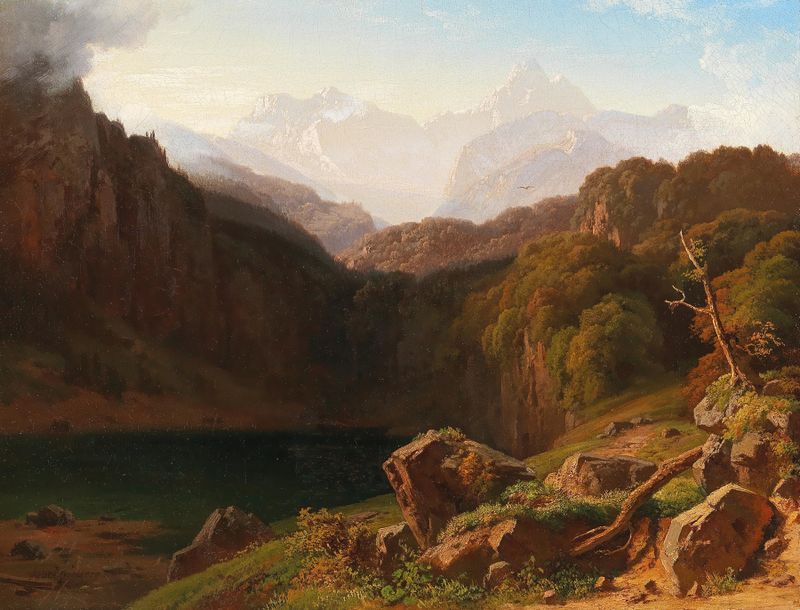
A View of Grossglockner from Kals
Albert Zimmermann
Almhütten auf einer Ebene mit Gebirgskette
Albert Zimmermann
Landschaft mit figürlicher Staffage
Albert Zimmermann





