Jacoba jug — History & Facts
What if beauty was never meant to be finished? The Jacoba jug invites contemplation of faith and artistry, presenting a perfect enigma of form and function. Focus on the elegantly sculpted handle that spirals gracefully, leading your gaze toward the delicate curves of the vessel. Notice how the subtle shades of blue and cream intertwine, creating a soft luminescence that seems to pulse with life. The intricate designs etched into the surface draw you closer, revealing stories and whispers of the past, each swirl and motif a testament to craftsmanship and devotion. Yet, it is in the jug’s imperfections that deeper meanings arise.
A slight asymmetry in its form reflects the human touch, a reminder that even the most beautiful creations are born of flawed hands. The serenity of the colors contrasts with the exuberance of the decorations, prompting contemplation on the balance between chaos and harmony, faith and doubt. Created between 1450 and 1550, this piece emerged in a time of profound change in Europe, where the Renaissance was transforming artistic expression. The unknown artist's skill underscores a dedication to both personal and spiritual beliefs, capturing a moment when art was not merely for aesthetic pleasure but was infused with deeper significance, a vessel for the sacred and the everyday.
More Artworks by Unknown Artist
Browse all →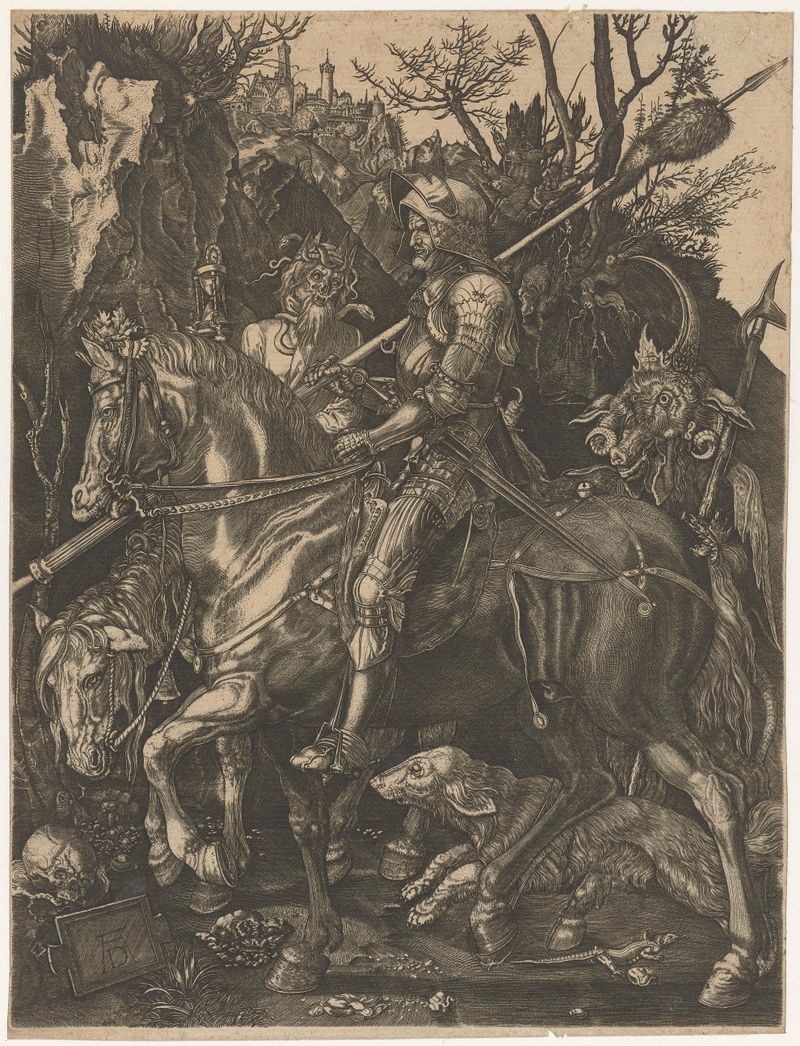
Ridder, Dood en Duivel
Unknown Artist
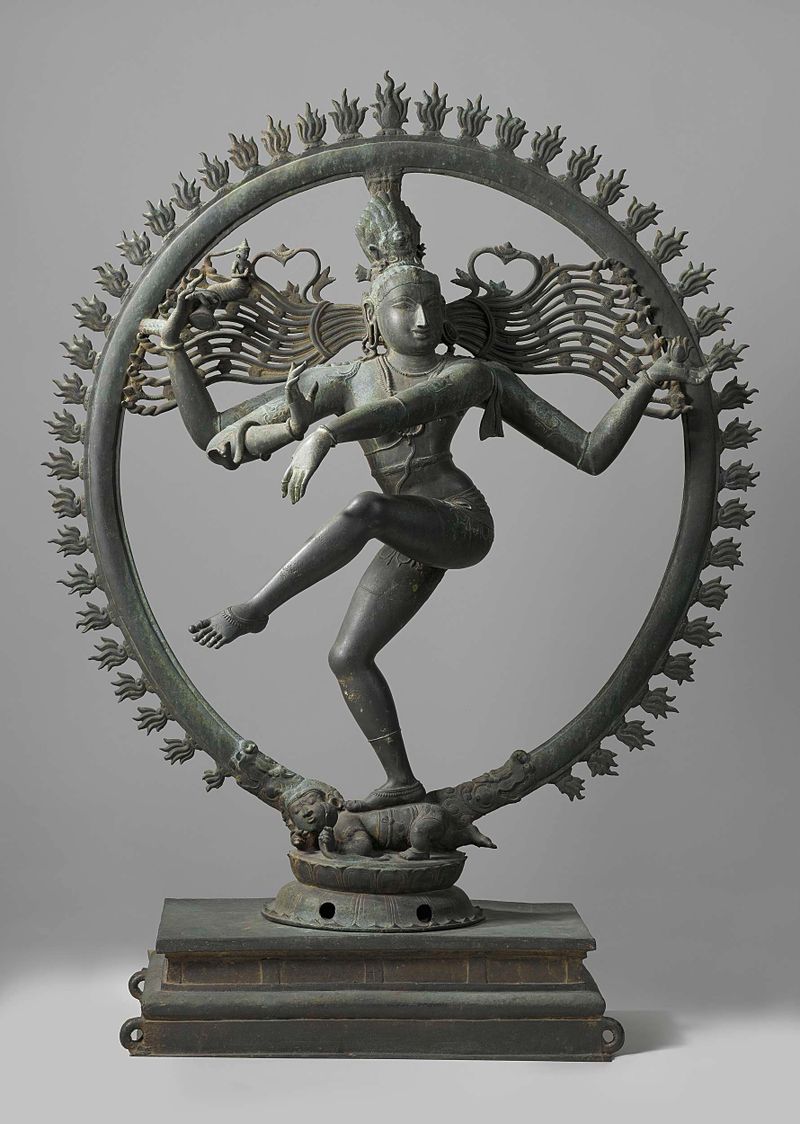
Shiva Nataraja
Unknown Artist
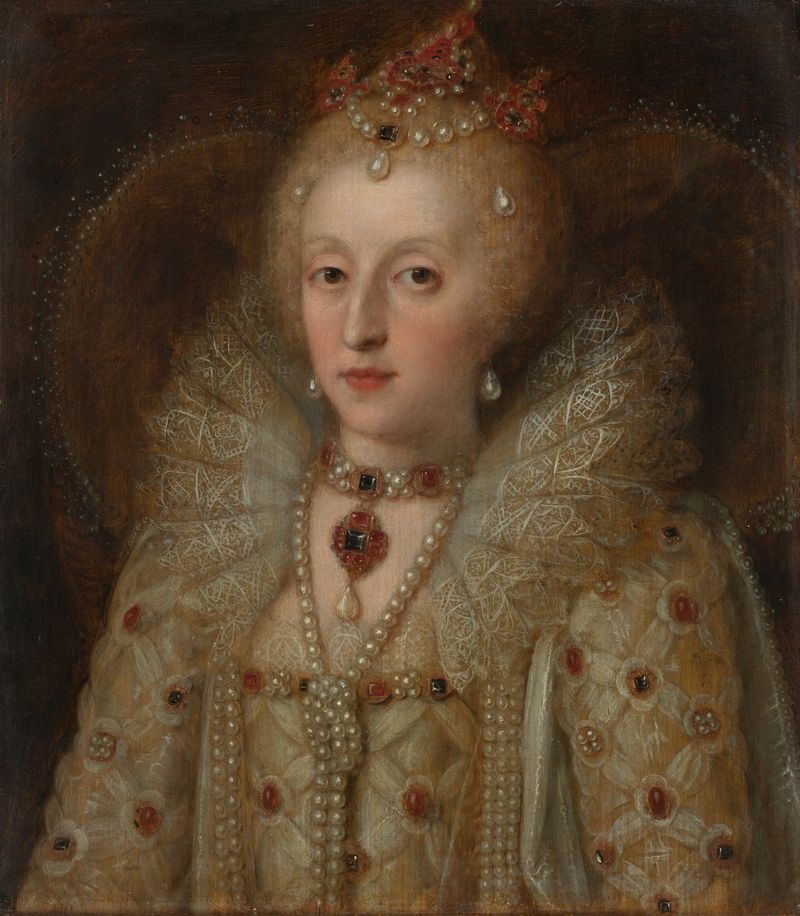
Portrait of Elizabeth I, Queen of England
Unknown Artist
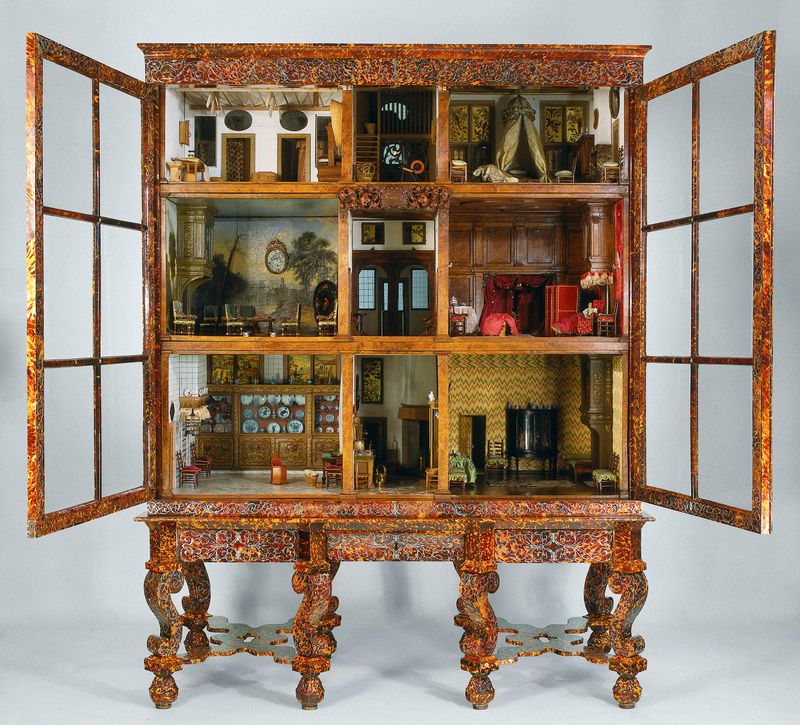
Dolls’ house of Petronella Oortman
Unknown Artist
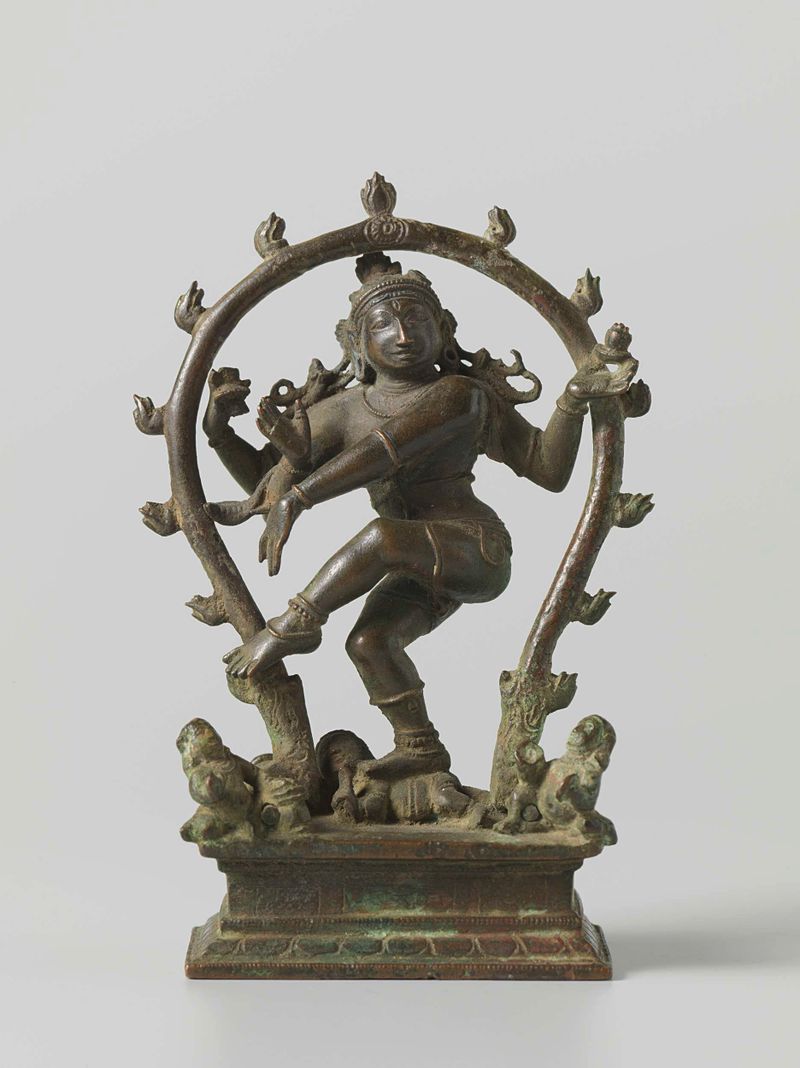
Shiva Nataraja
Unknown Artist

The Tale of Genji
Unknown Artist

The Tale of Genji
Unknown Artist

Cong
Unknown Artist
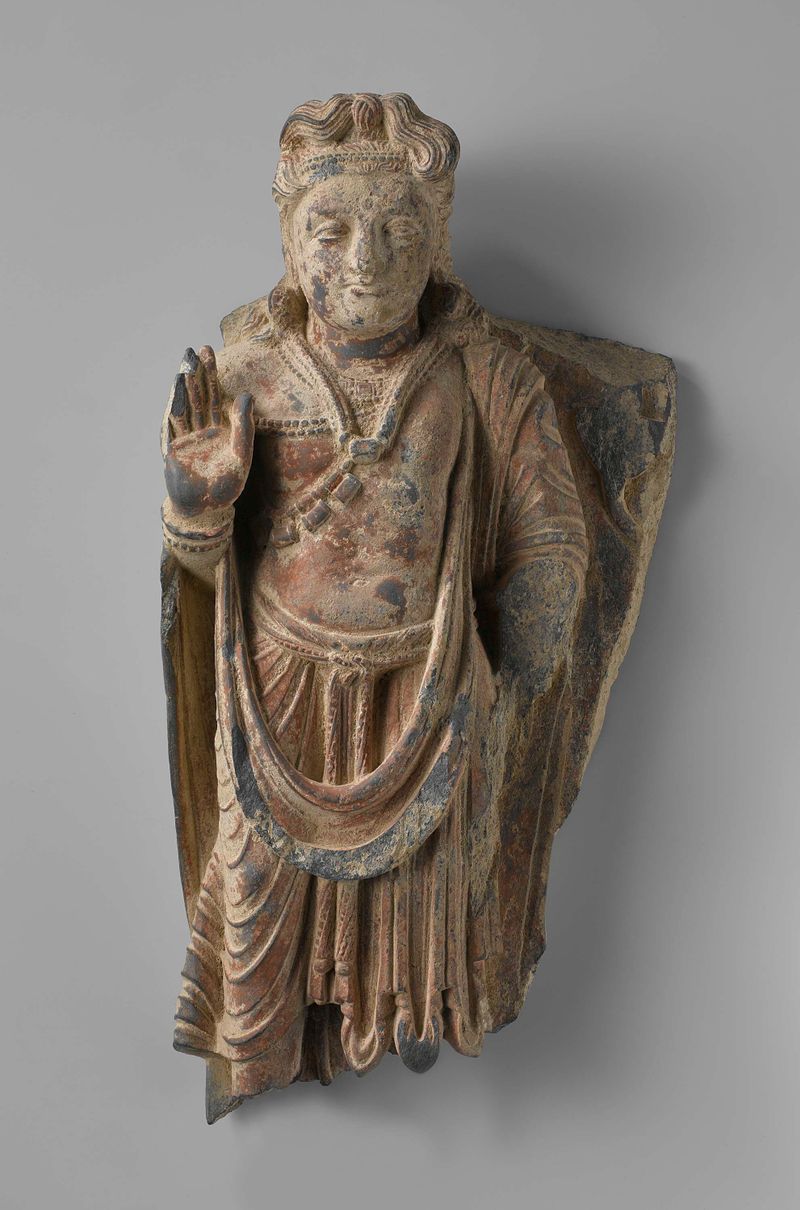
The bodhisattva Maitreya
Unknown Artist

Teabowl with a 'hare's fur' glaze
Unknown Artist