James McNeill Whistler — History & Facts
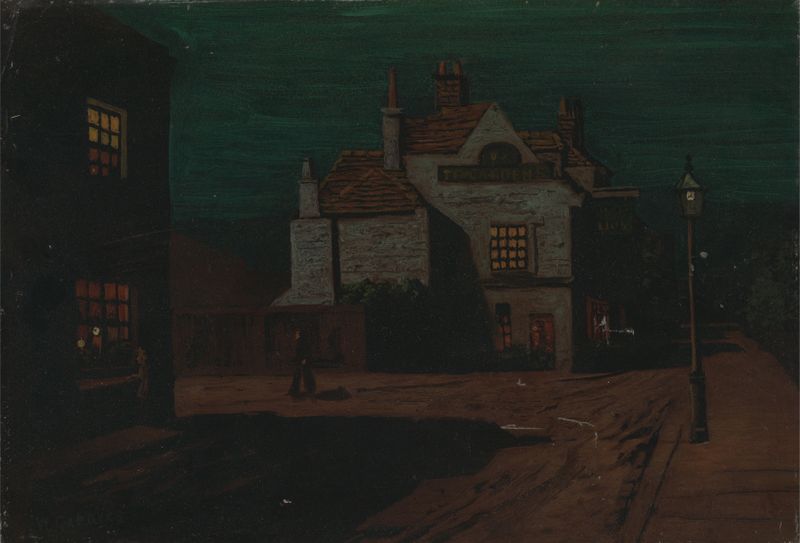
When did color learn to lie? This question echoes through the depths of solitude rendered by the brushstrokes of a master. The interplay of muted tones and piercing shadows in the artwork resonates with an aching loneliness, inviting contemplation of the spaces we inhabit and the emotions we veil. Look to the left, where a solitary figure emerges from a soft haze of gray and blue—each stroke meticulously applied to convey a sense of introspection. Notice how the light diffuses in the background, illuminating the contours of an unadorned space, creating a poignant contrast between presence and absence.
The composition draws the eye towards the figure while simultaneously emphasizing the surrounding emptiness, evoking the tension between human connection and isolation. Delve deeper into the painting, where subtle details whisper secrets of emotional depth. The figure's posture, slightly hunched, suggests a burden of thought, while the surrounding colors—washed out and somber—mirror the weight of loneliness that pervades the scene. The juxtaposition of warm and cool tones enhances this sense, creating a visual dialogue between hope and despair, inviting the viewer to ponder the boundaries of solitude in a crowded world. In 1869, the artist created this work during a period of personal exploration and artistic experimentation.
Living in London, he was influenced by the prevailing Aesthetic Movement, focusing on the beauty of form and color. This was a pivotal time in his career, as he sought to establish a unique voice amidst the evolving landscape of art, which often reflected the complexities of urban life and emotional introspection.