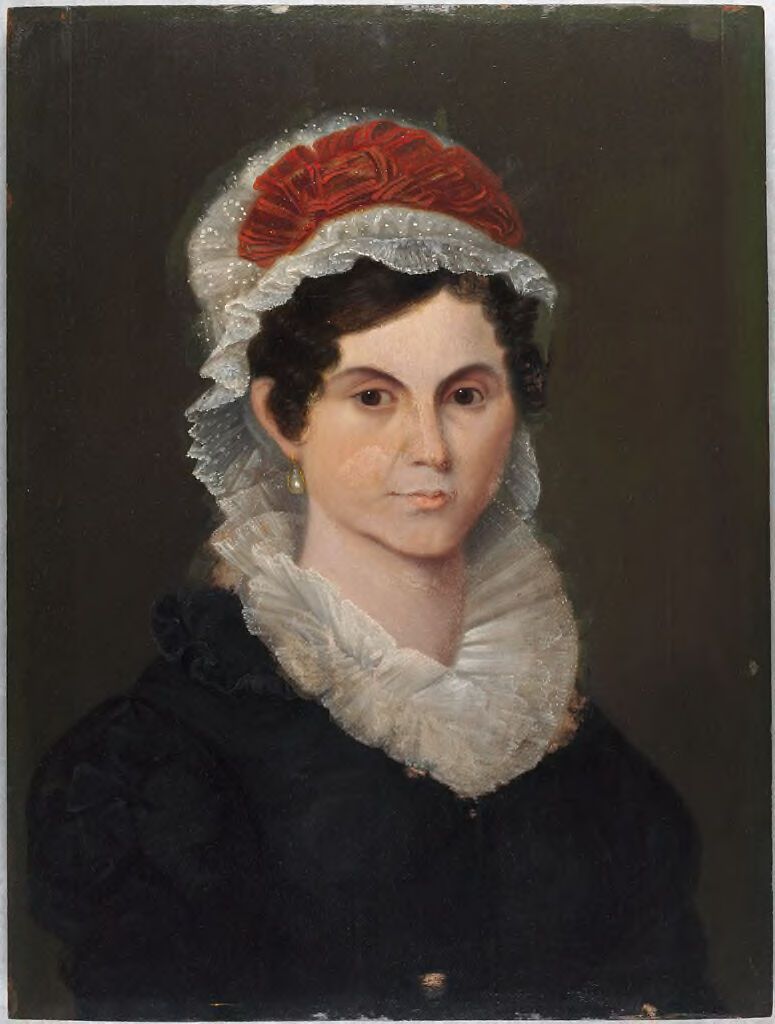
J.H. Brae of Church Street — History & Facts
Within its textured surface, it holds the potential for rebirth, a testament to the transformative power of art. Each brushstroke whispers of the past while inviting the viewer into an uncharted future, where time is both cyclical and filled with possibility. Look to the left at the rolling hills, where green meets the sky in a flush of hopeful colors. The artist’s palette dances with soft greens and vibrant blues, evoking an atmosphere of renewal that permeates the landscape.
Notice how light filters through the trees, casting gentle shadows that lead your eye across the composition. The meticulous attention to detail in the foreground beckons, inviting contemplation upon the simplicity of rural life during this period, while the distant church steeple hints at the intertwined lives and faith of a small community. Underneath this serene portrayal lies a poignant contrast between the tranquil landscape and the turmoil of human existence. The distant church, a symbol of both refuge and tradition, stands firm against the ephemeral nature of life represented in the swaying grass.
The scene encapsulates a moment of stillness amid the inevitable passage of time, suggesting that even in cycles of loss and rebirth, hope remains a constant thread woven into the fabric of everyday life. Thomas Ware created this work around 1820-1825, during a period of societal change in England, where industrialization began to reshape lives and landscapes. Ware, influenced by the Romantic movement, focused on the beauty of rural settings, reflecting a yearning for simpler times amid a rapidly evolving world. His dedication to capturing the essence of communities at a pivotal time highlights the tension between progress and preservation, making his work a vital exploration of identity and belonging.