
Jingoji Sutra and Wrapper — History & Facts
Could a single brushstroke hold eternity? In the swirling chaos of creation, it is often the simplest strokes that reveal the maddening complexity of existence. Look closely at the delicate lines and forms that grace the Jingoji Sutra and Wrapper. Notice how the intricate script dances across the surface, each character a testament to devotion and skill. The muted colors, earthy tones of ochre and deep umber, serve to ground the viewer, while subtle variations in ink density suggest the artist's fluctuating fervor—an echo of the emotional turmoil inherent in their craft.
The wrapping itself, adorned with geometric patterns, invites the gaze to travel, a visual journey through history and spirituality. Beneath the surface lies a profound tension between serenity and chaos. The meticulously crafted lettering juxtaposes the madness of its creation, hinting at the artist's struggle to contain such fervent passion within the constraints of form. Each stroke can be seen as a reflection of both the divine and the human condition—an interplay of devotion and the frantic search for meaning.
The wrapper, too, symbolizes the fragility of knowledge, safeguarding sacred texts while also suggesting the ephemerality of life itself. In the late 12th century, the world of art was undergoing transformation. As the unknown artist crafted this piece, Japan was experiencing a period of significant cultural exchange and religious fervor. The Heian period's end marked a shift in expression and spirituality, as Buddhism flourished.
Creating this work amidst such profound change, the artist responded to the societal turbulence, channeling their uncertainties into a vessel of beauty and contemplation.
More Artworks by Unknown Artist
Browse all →
Ridder, Dood en Duivel
Unknown Artist
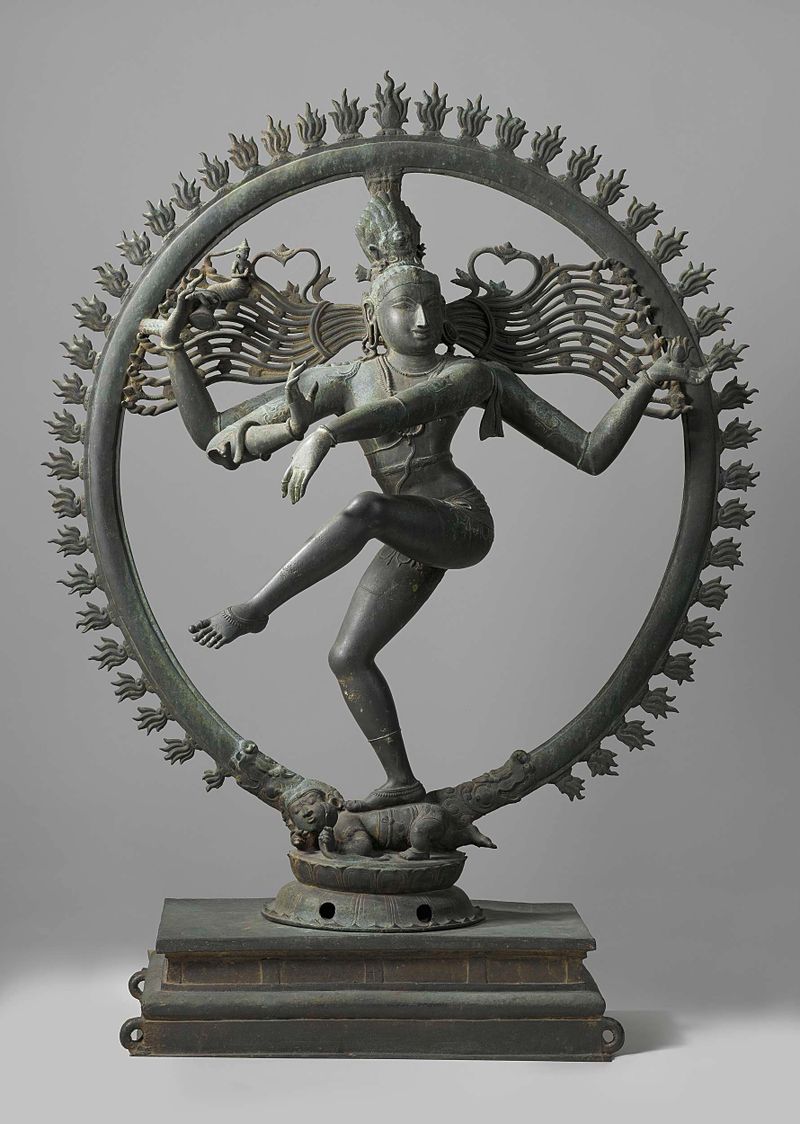
Shiva Nataraja
Unknown Artist
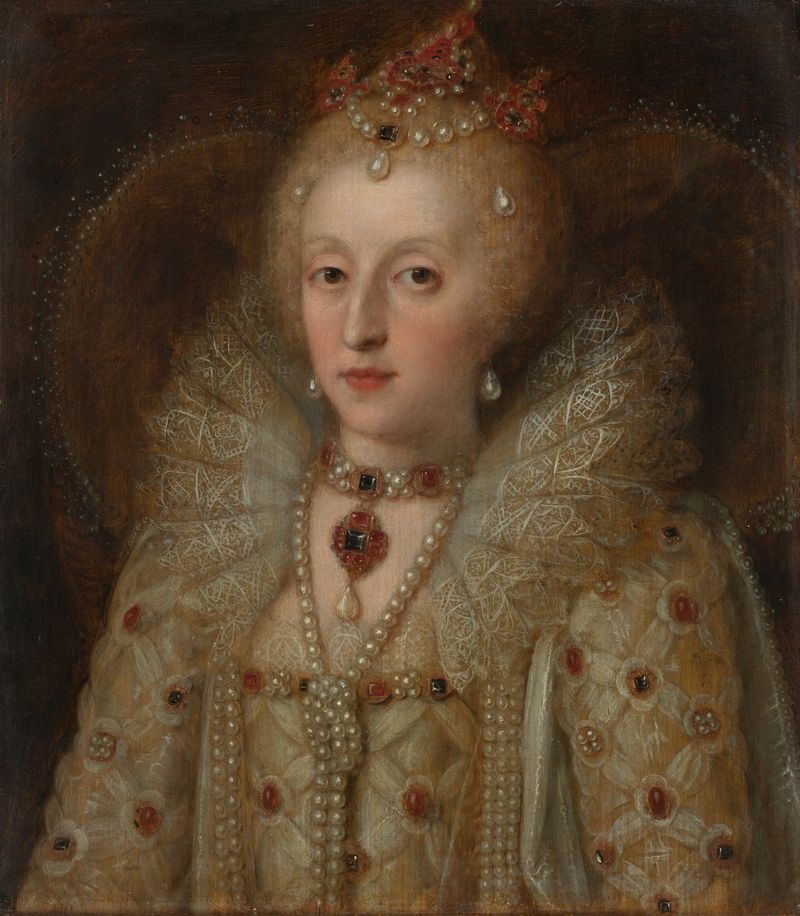
Portrait of Elizabeth I, Queen of England
Unknown Artist
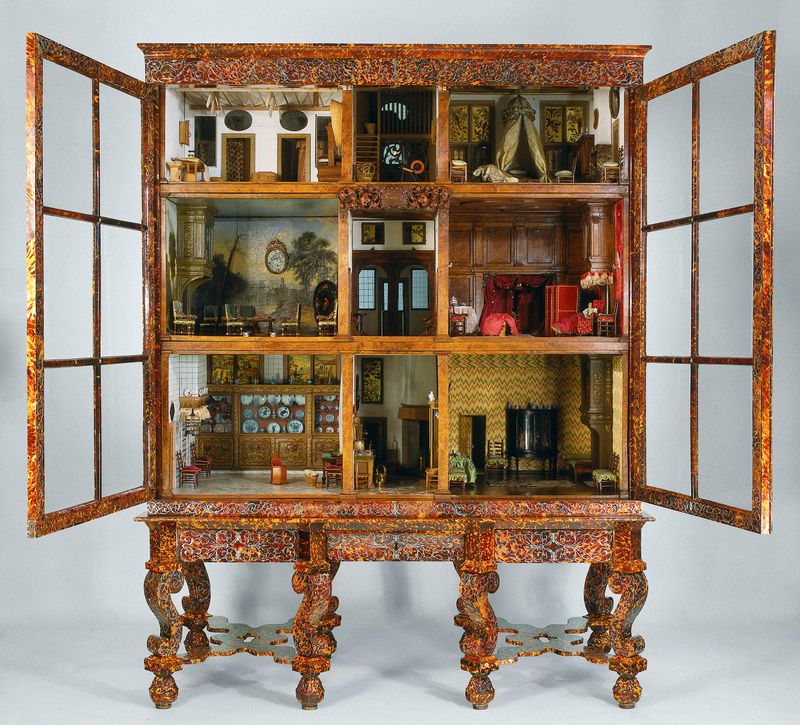
Dolls’ house of Petronella Oortman
Unknown Artist
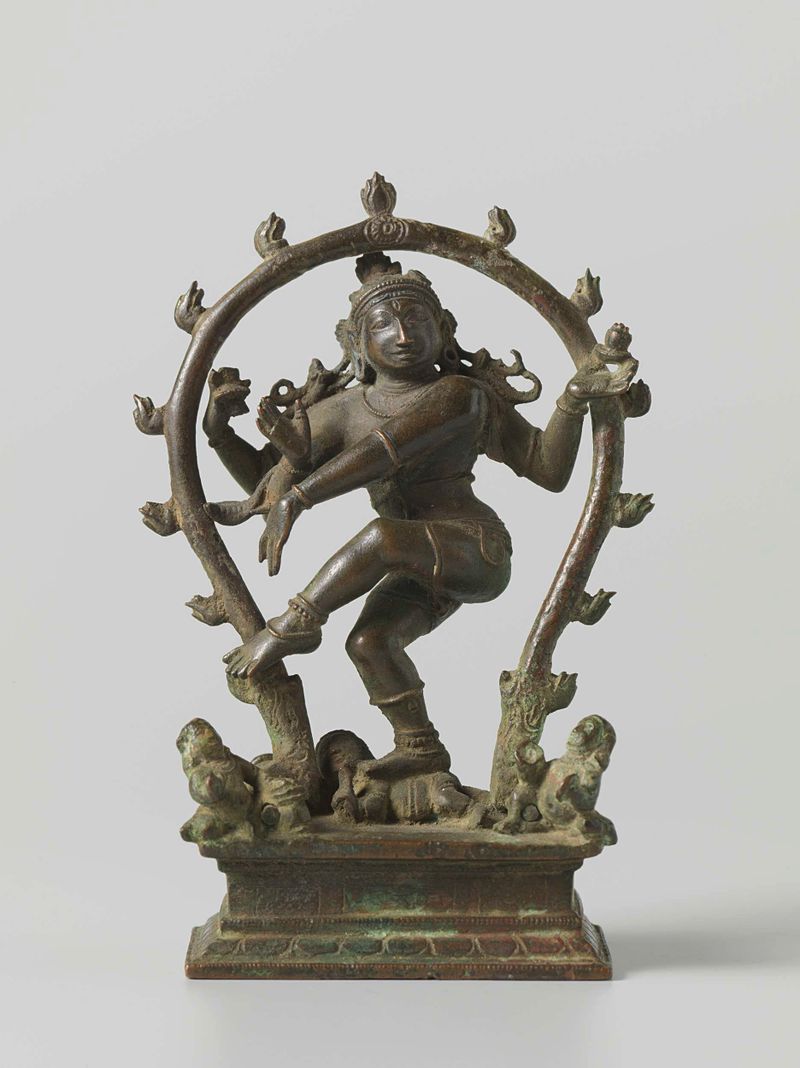
Shiva Nataraja
Unknown Artist

The Tale of Genji
Unknown Artist

The Tale of Genji
Unknown Artist

Cong
Unknown Artist
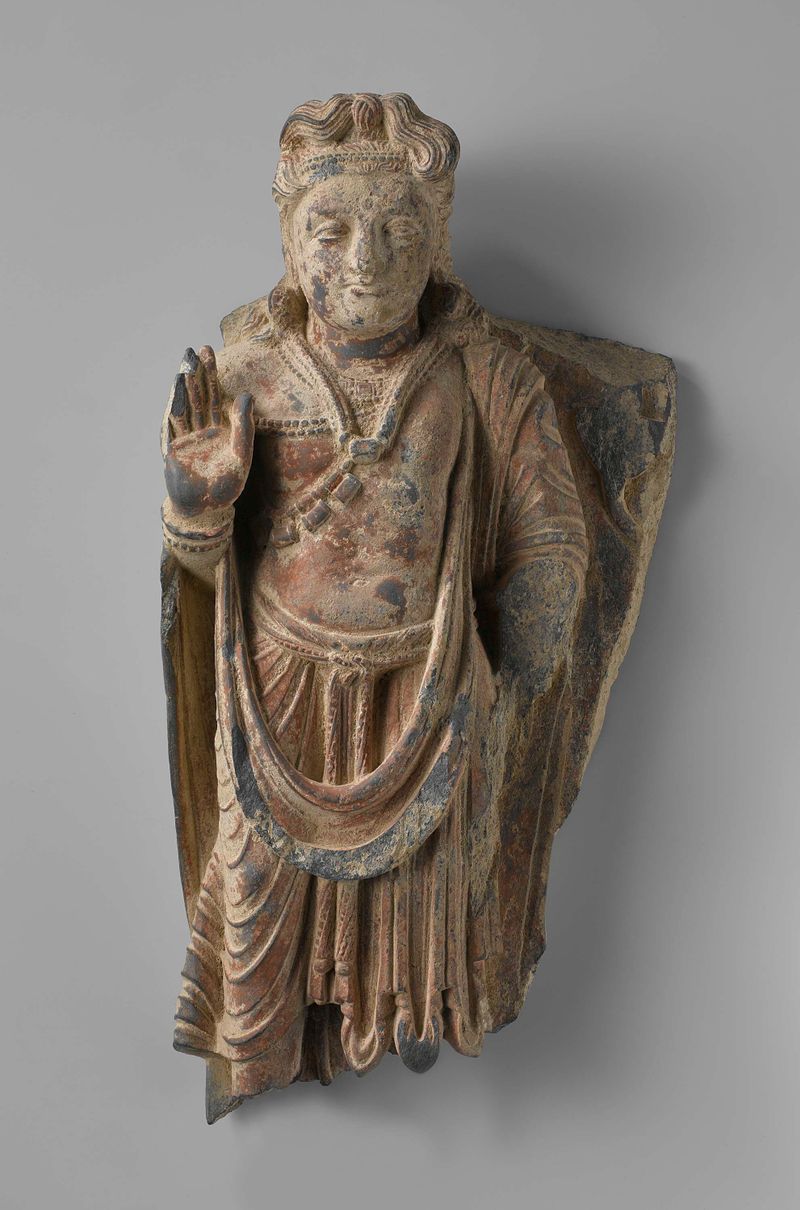
The bodhisattva Maitreya
Unknown Artist

Teabowl with a 'hare's fur' glaze
Unknown Artist
More Religious Art
Browse all →
The Return of the Prodigal Son
Rembrandt van Rijn

The Garden of Earthly Delights
El Bosco

Count Orgaz’ funeral
El Greco

The Hundred Guilder Print: the central piece with Christ preaching, the plate arched
Rembrandt van Rijn

The Descent from the Cross
Rogier van der Weyden

The return of the prodigal son
Rembrandt van Rijn