
Job in gesprek met zijn vrienden — History & Facts
The emptiness of a soul is often cloaked in grandeur, forcing us to confront the void that lies beneath. Look to the center of the canvas, where Job, a figure marked by suffering yet dignified in his posture, engages in a moment of solemn discourse with his friends. The muted tones of deep browns and grays dominate the scene, contrasting with the delicate, almost ethereal gilded accents that surround them. Notice how the light filters through the shadows, casting an unearthly glow upon Job's furrowed brow, emphasizing the weight of his anguish over the well-meaning yet misguided empathy of his companions. In the expressions of the friends, one can read layers of tension—between sincerity and helplessness, understanding and misunderstanding.
The gestures they make are both inviting and isolating, echoing the paradox of companionship in suffering. The rich textures of their garments juxtapose Job's bare, disheveled form, highlighting his stark vulnerability amidst their ornate appearances. This contrast evokes a profound sense of isolation that resonates deeply, revealing how shared grief can often lead to deeper solitude. This work emerged in the late 16th century, a time of significant religious and social upheaval in Europe.
Created between 1547 and 1599, the artist, whose identity remains unknown, crafted a poignant dialogue around the biblical figure of Job, reflecting the era's struggles with faith, morality, and human suffering. Amidst the Renaissance's emphasis on humanism, the image serves as a reminder of the perennial questions that plague humanity, inviting viewers to pause and reflect on the nature of pain, empathy, and understanding.
More Artworks by Unknown Artist
Browse all →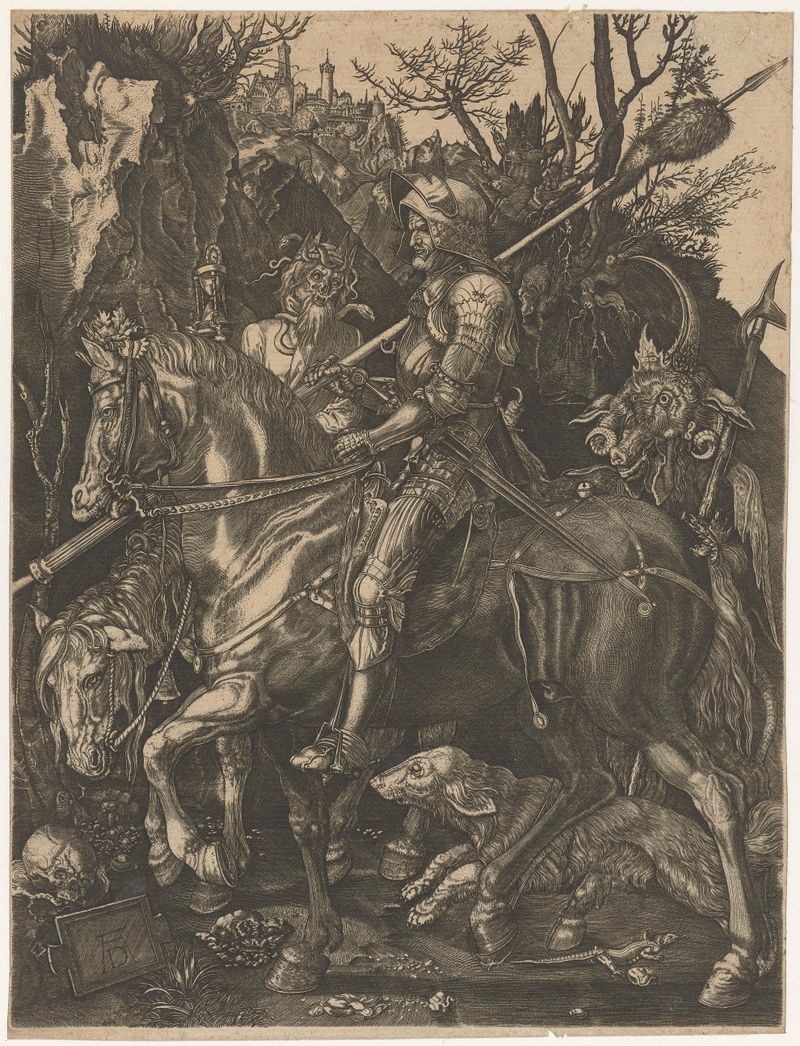
Ridder, Dood en Duivel
Unknown Artist
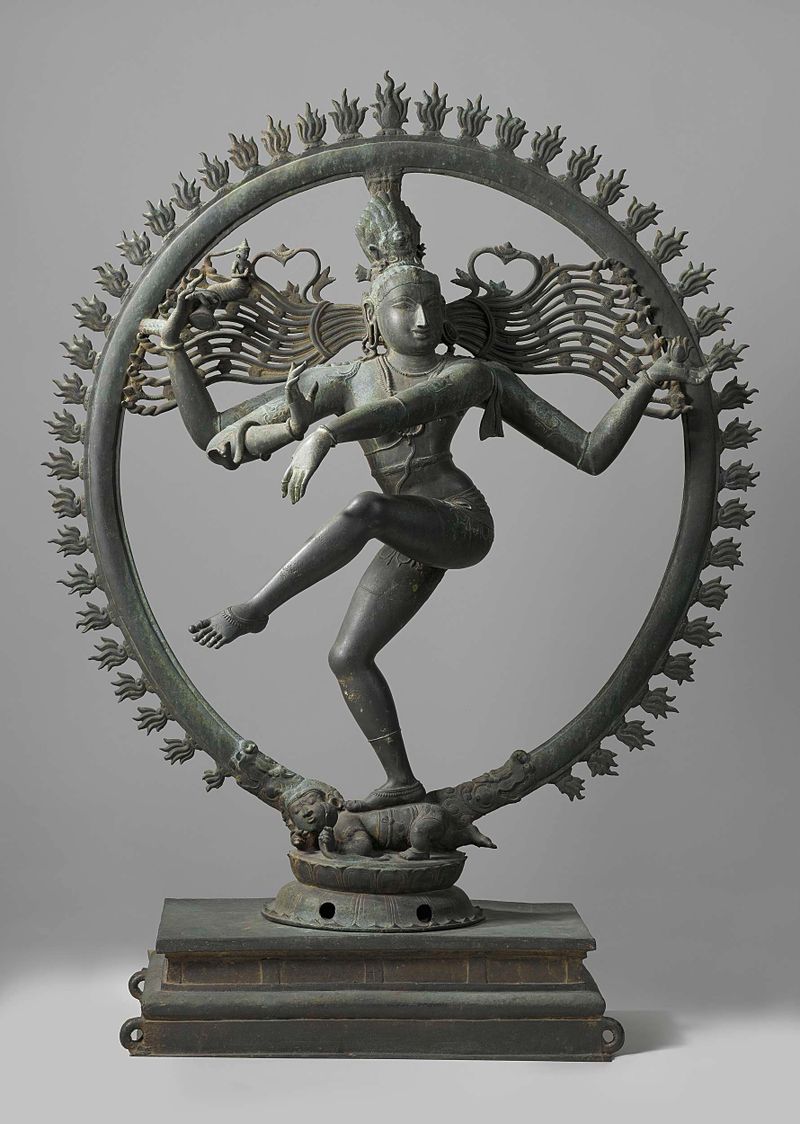
Shiva Nataraja
Unknown Artist
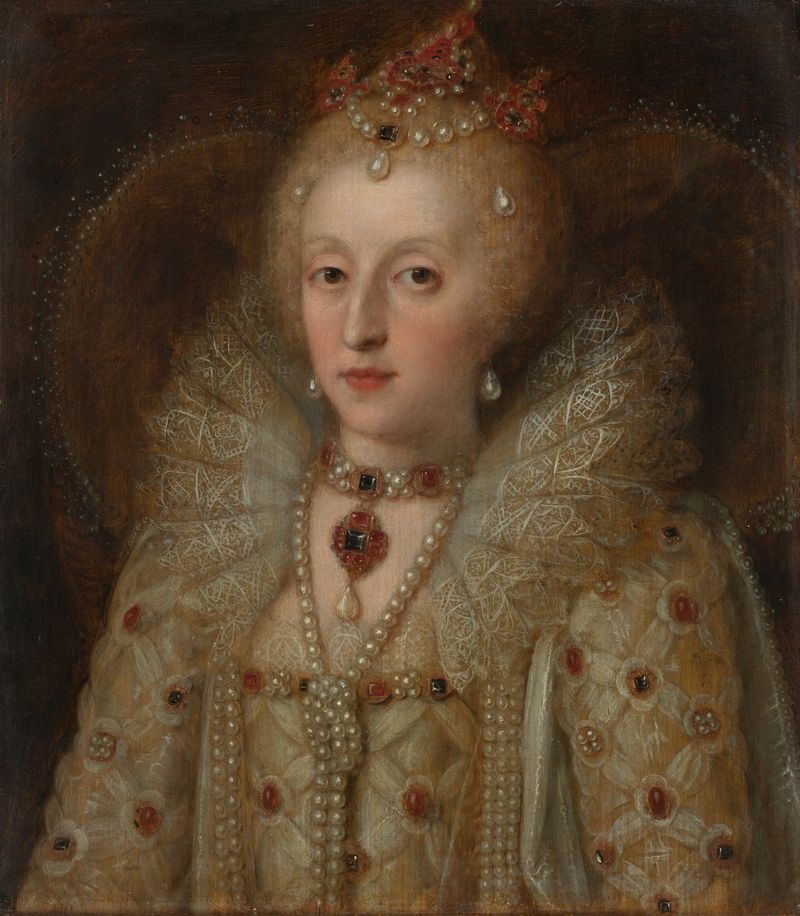
Portrait of Elizabeth I, Queen of England
Unknown Artist
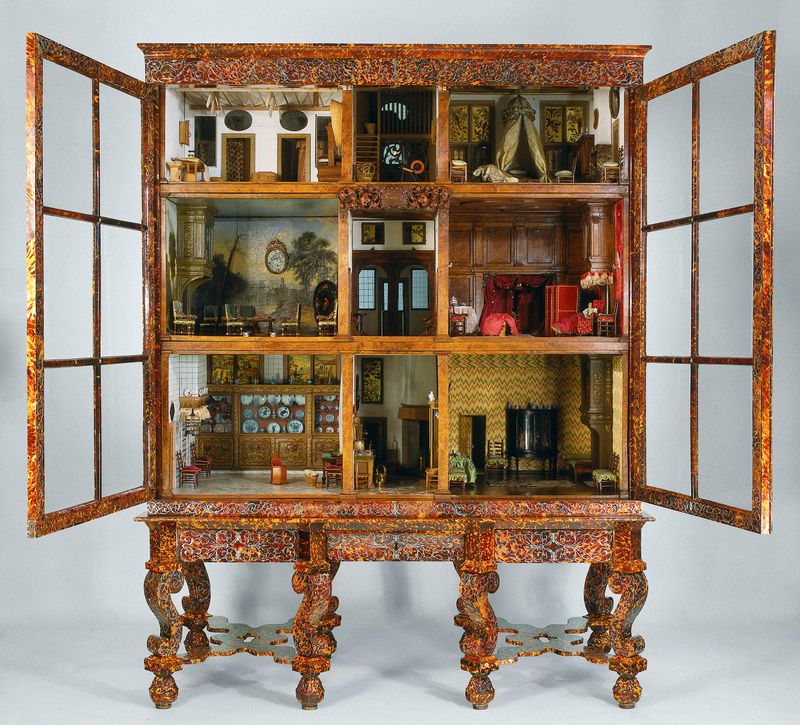
Dolls’ house of Petronella Oortman
Unknown Artist
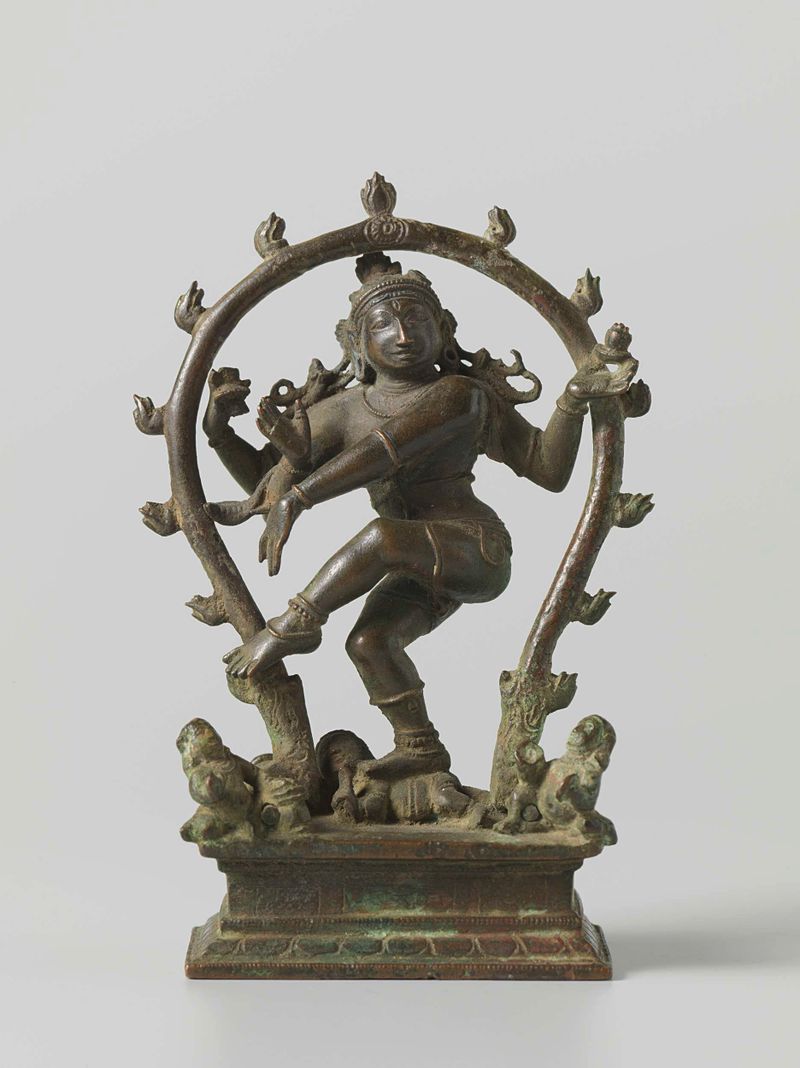
Shiva Nataraja
Unknown Artist

The Tale of Genji
Unknown Artist

The Tale of Genji
Unknown Artist
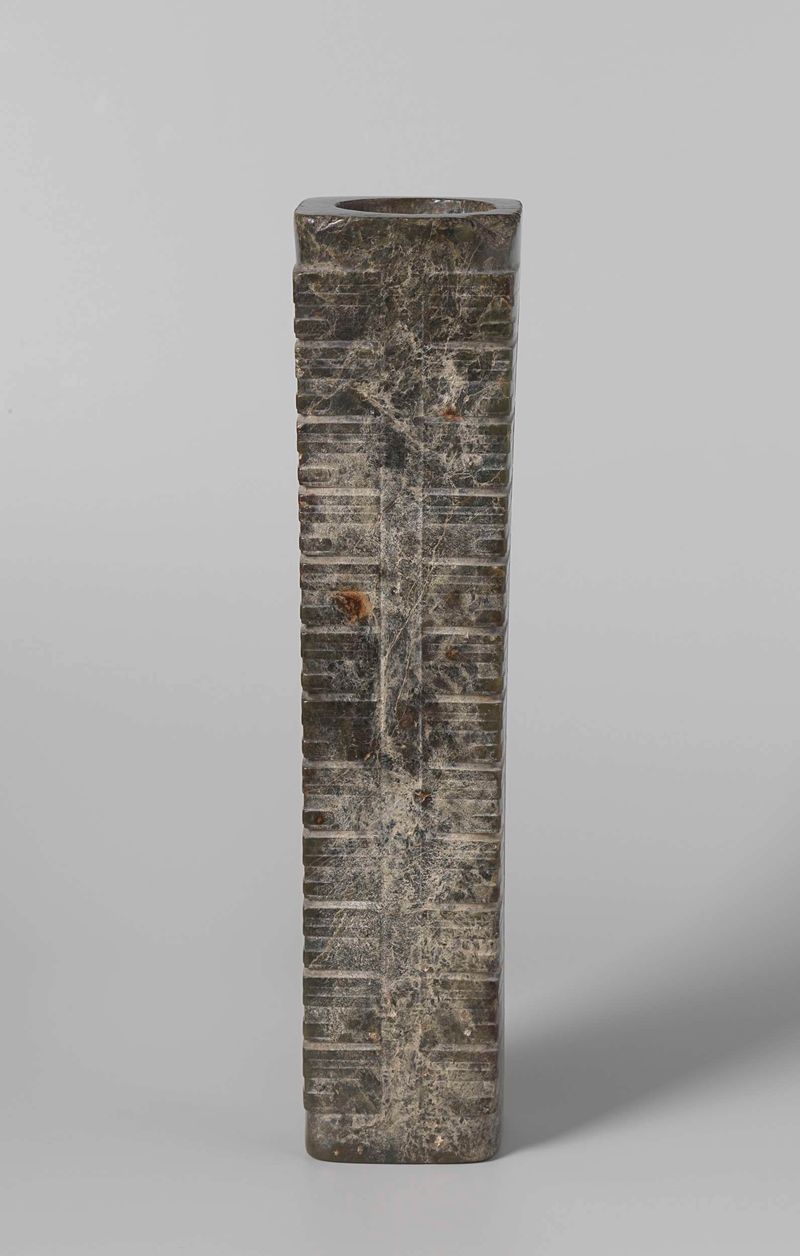
Cong
Unknown Artist
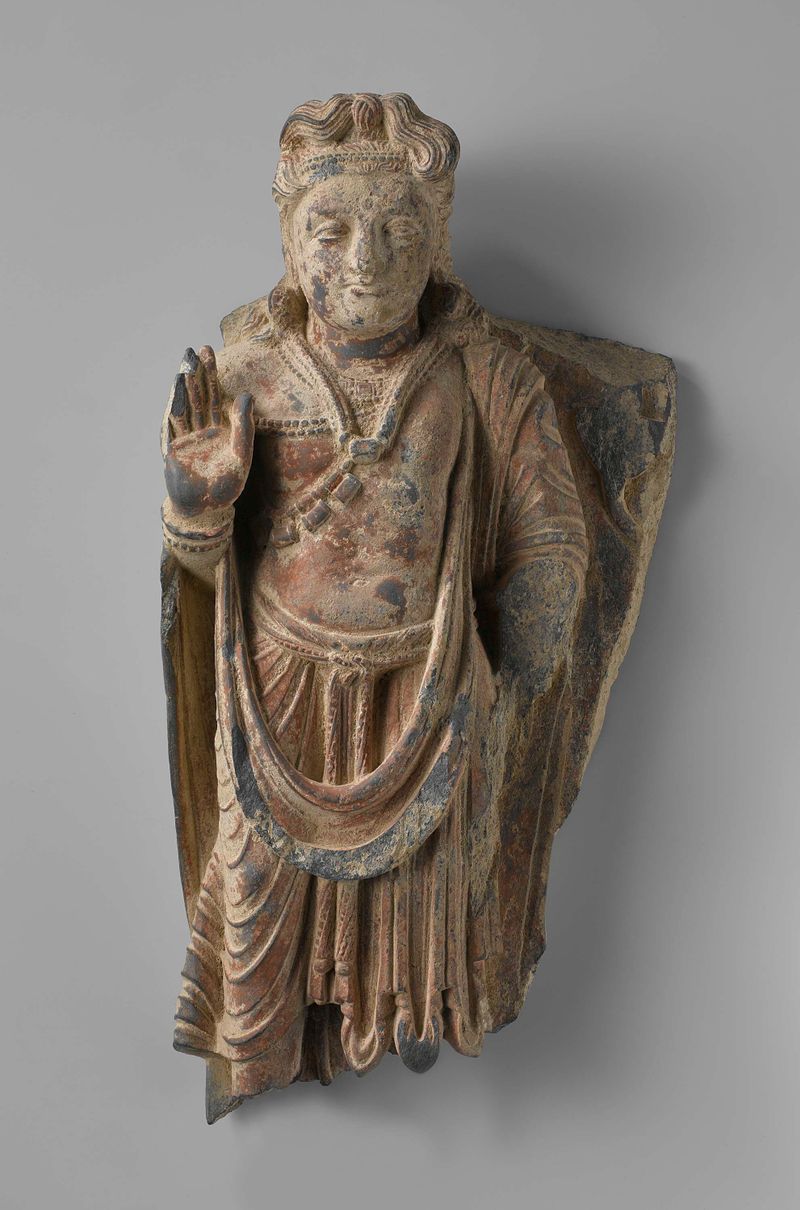
The bodhisattva Maitreya
Unknown Artist
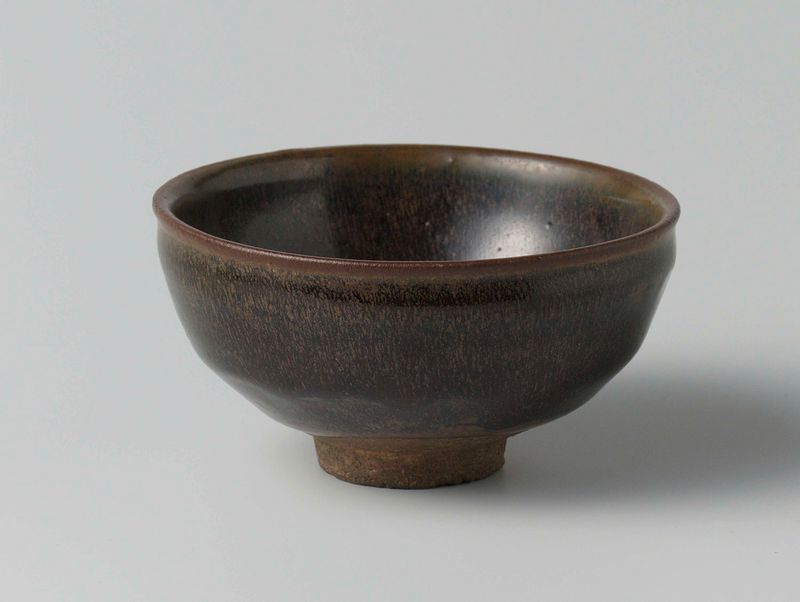
Teabowl with a 'hare's fur' glaze
Unknown Artist
More Religious Art
Browse all →
The Return of the Prodigal Son
Rembrandt van Rijn

The Garden of Earthly Delights
El Bosco

Count Orgaz’ funeral
El Greco

The Hundred Guilder Print: the central piece with Christ preaching, the plate arched
Rembrandt van Rijn

The Descent from the Cross
Rogier van der Weyden

The return of the prodigal son
Rembrandt van Rijn