
John Amory Lowell (1798-1881) — History & Facts
Who listens when art speaks of silence? In a world that rushes forward, this portrait offers a pause, an invitation to contemplate the essence of time. Look closely at the man’s poised figure, his gaze directed slightly off to the left, as if caught in thought. The rich, deep hues of his attire—dark greens and browns—contrasting against the lighter, muted background draw the eye first to his face, illuminated with a gentle yet profound expression. Notice how the artist delicately captures the texture of Lowell's skin and the intricate detail of his cravat, each stroke revealing a truth about the subject's character.
The subtle play of light enhances the depth of his features, suggesting wisdom accumulated through lifetimes. Beyond the surface, the tension between Lowell's contemplative demeanor and the shadows that envelop him speaks volumes about the weight of unfulfilled potential. The stillness of the painted moment contrasts sharply with the bustling world outside, symbolizing both introspection and the passage of time. Each element, from the folds of his clothing to the serene expression on his face, evokes a dialogue about legacy and the essence of one's place in history—a reminder that every fleeting moment carries significance. In 1849, George Peter Alexander Healy was establishing himself as a prominent portrait artist in America.
Having settled in Chicago, he was deeply influenced by the evolving artistic trends of his time, blending realism with an emerging appreciation for psychological depth in portraiture. This work emerged during a period of societal change, as the nation grappled with its identity, and serves as a testament to Healy’s ability to capture the quiet strength of influential figures like John Amory Lowell.
More Artworks by George Peter Alexander Healy
Browse all →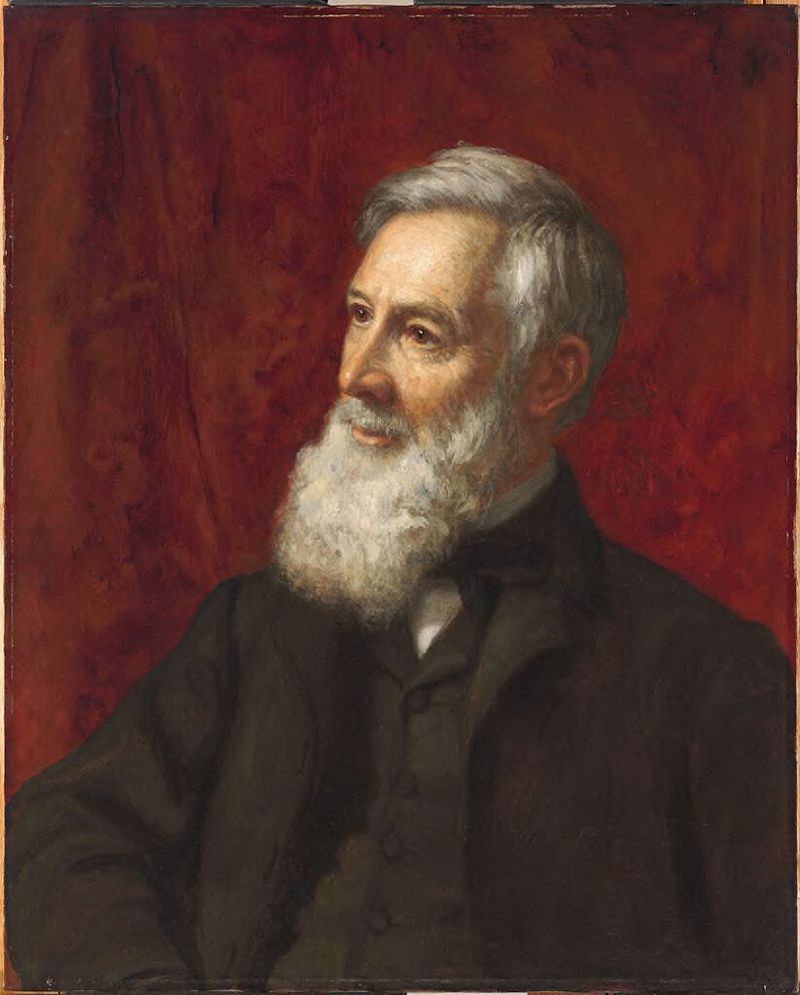

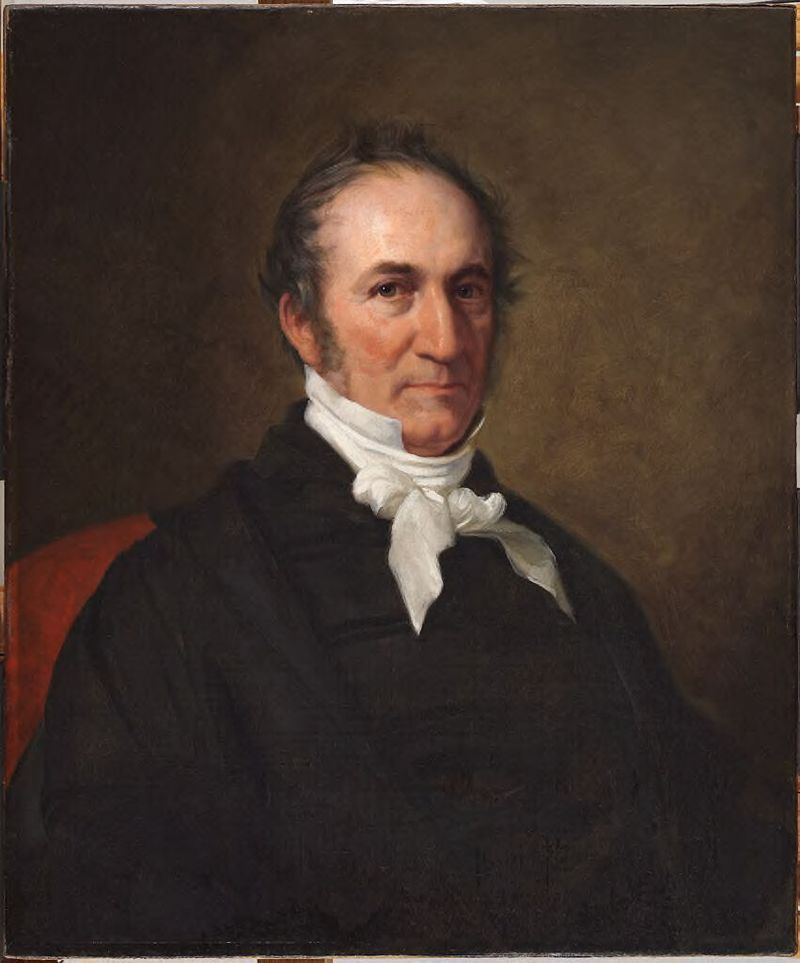
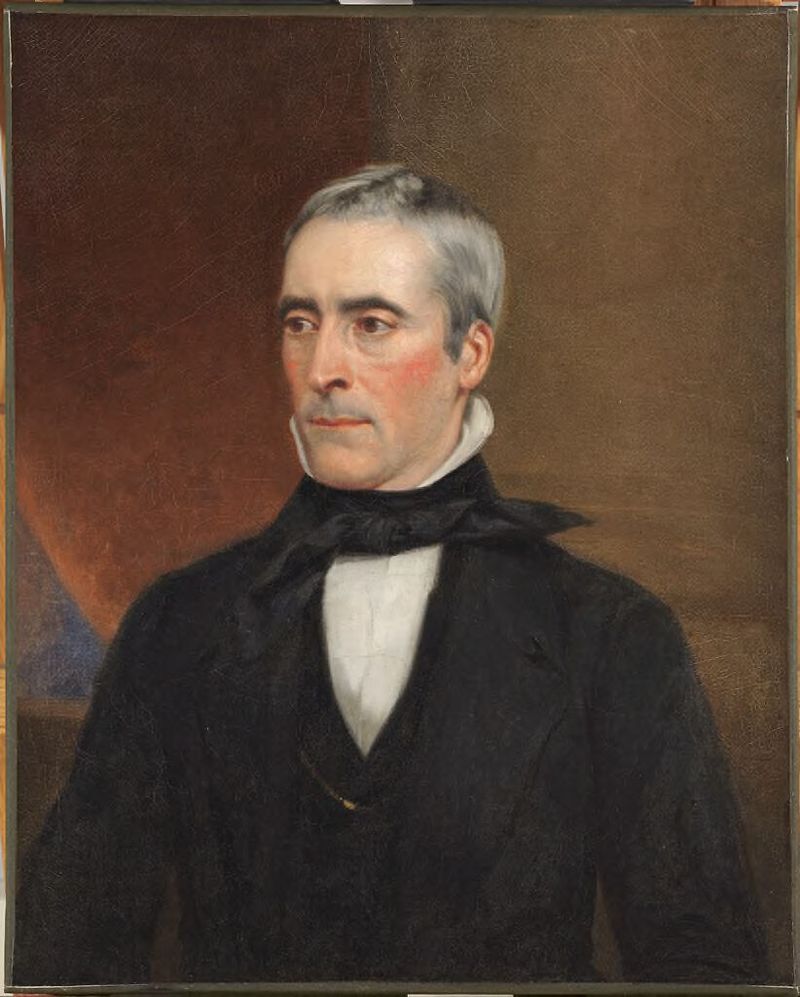
More Portrait Art
Browse all →
Las meninas
Diego Velázquez

Self-portrait with a Bandaged Ear and Pipe
Unidentified artist

Girl with a Pearl Earring
Johannes Vermeer

The Sampling Officials of the Amsterdam Drapers’ Guild, Known as ‘The Syndics’
Rembrandt van Rijn

The Hundred Guilder Print: the man seen on the back in the lower left corner
Rembrandt van Rijn

Portrait of Dr Gachet
Vincent van Gogh