
Self-Portrait — History & Facts
Where does light end, and longing begin? In the luminous depths of a self-portrait, the artist grapples with identity, illuminating both the visible and the hidden. Look to the center of the canvas, where the artist gazes outward, his eyes a mirror of introspection. The warm glow of ochre and soft blues dances across his face, revealing the fine lines of experience etched into his skin. The light cascades gently from the left, highlighting the contours that express both strength and vulnerability.
Every brushstroke invites the viewer to linger, as the rich textures imbue the piece with a sense of immediacy and truth. Yet, beyond the surface, the painting resonates with an emotional tension. The artist’s half-smile offers a glimpse of confidence, yet his furrowed brow and gaze suggest a complexity beneath. This balance between self-assuredness and introspective longing invites reflection on the duality of human experience — the interplay of public persona versus inner self.
The muted background adds to this dichotomy, serving as a space where contemplation thrives, allowing the viewer to question their own images and identities. In 1873, George Peter Alexander Healy painted this work during a fruitful period of his career in Paris, a city vibrant with artistic experimentation. Engaging with elements of realism and Romanticism, Healy reflected on personal and collective narratives of the time. At this juncture, he sought to capture not just himself, but the very essence of existence, marking a contemplative moment in the ever-evolving narrative of art.
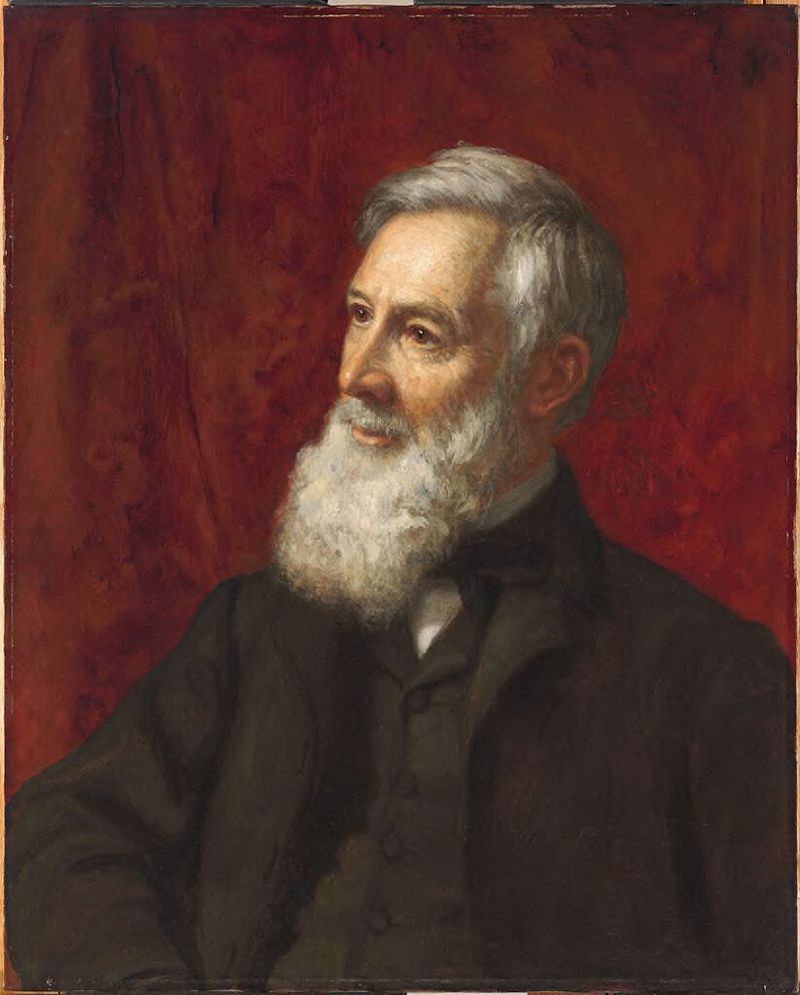
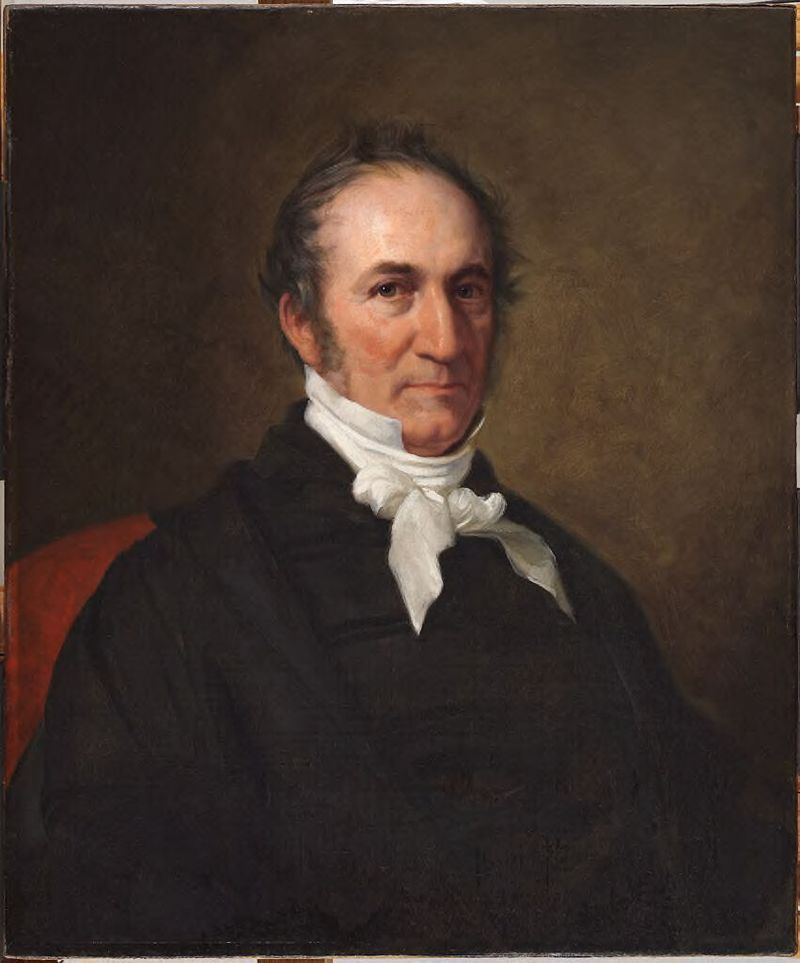
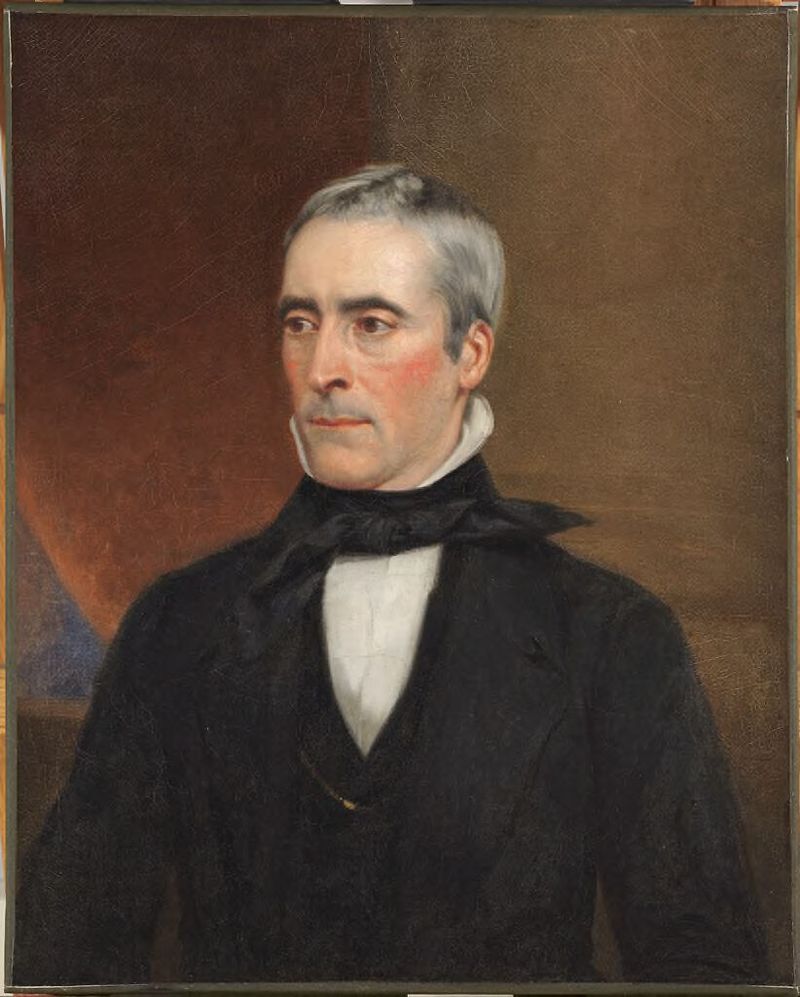
More Artworks by George Peter Alexander Healy
Browse all →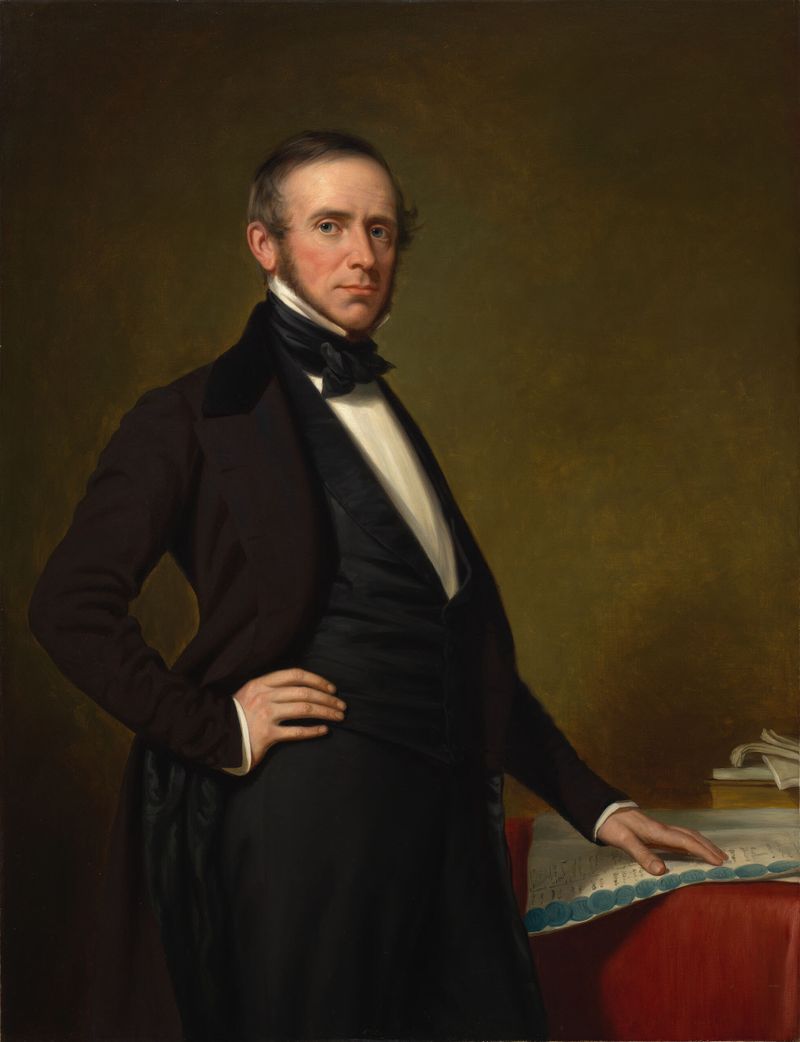
More Portrait Art
Browse all →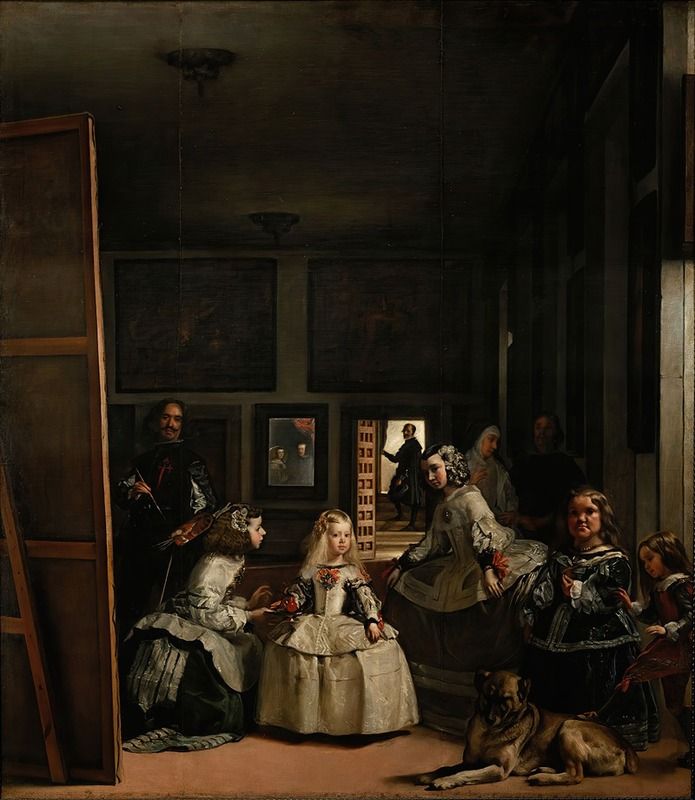
Las meninas
Diego Velázquez
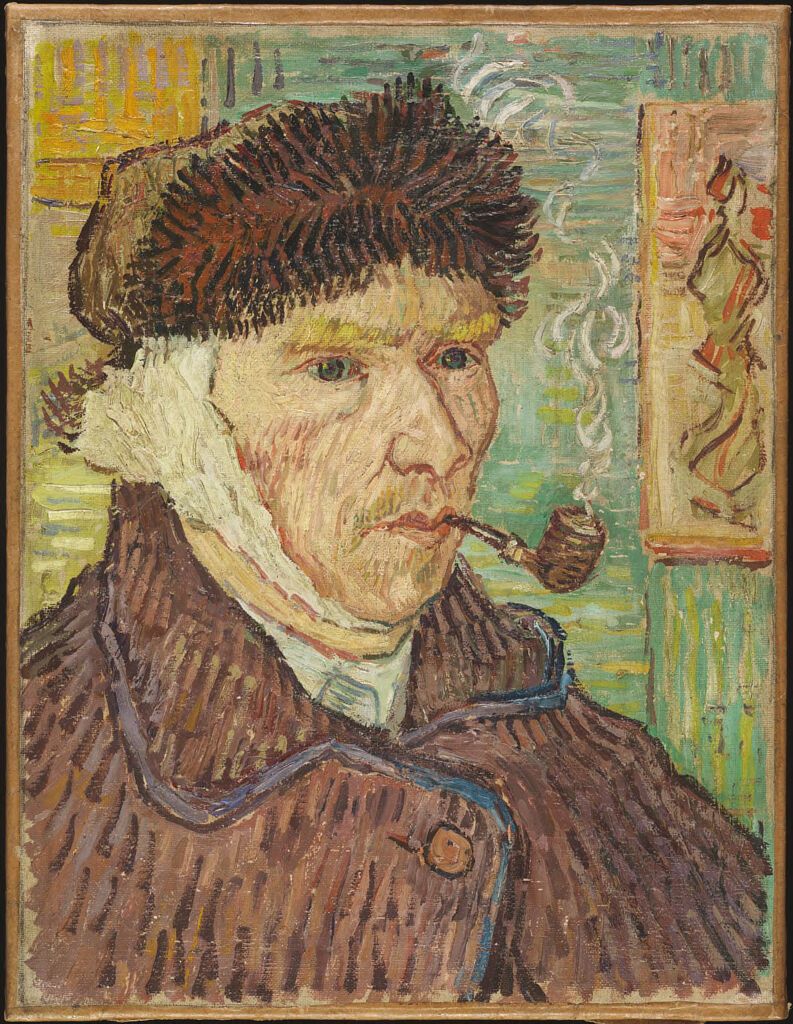
Self-portrait with a Bandaged Ear and Pipe
Unidentified artist
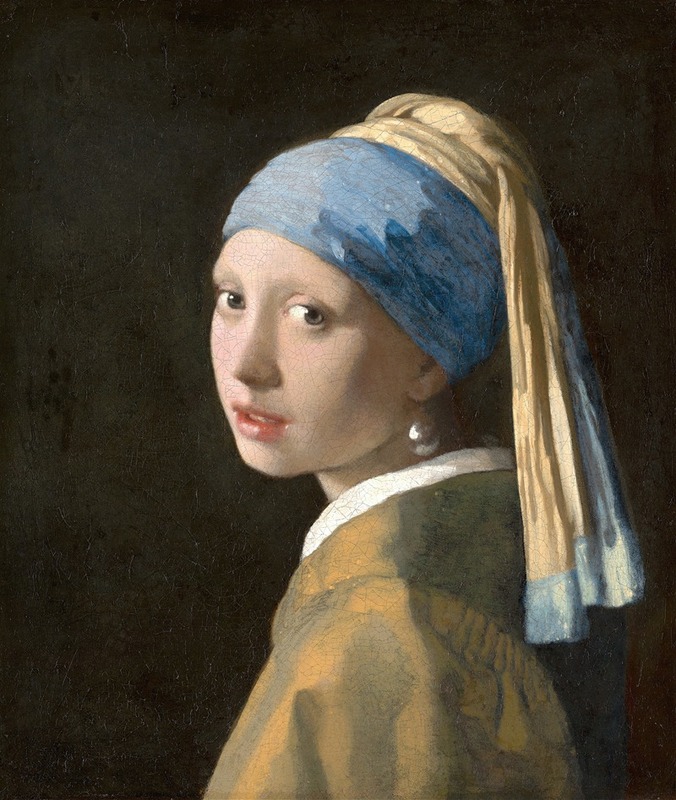
Girl with a Pearl Earring
Johannes Vermeer
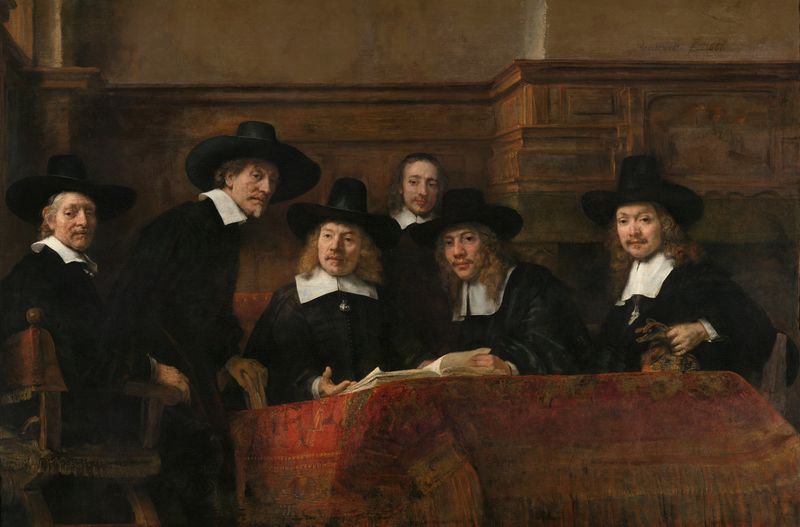
The Sampling Officials of the Amsterdam Drapers’ Guild, Known as ‘The Syndics’
Rembrandt van Rijn
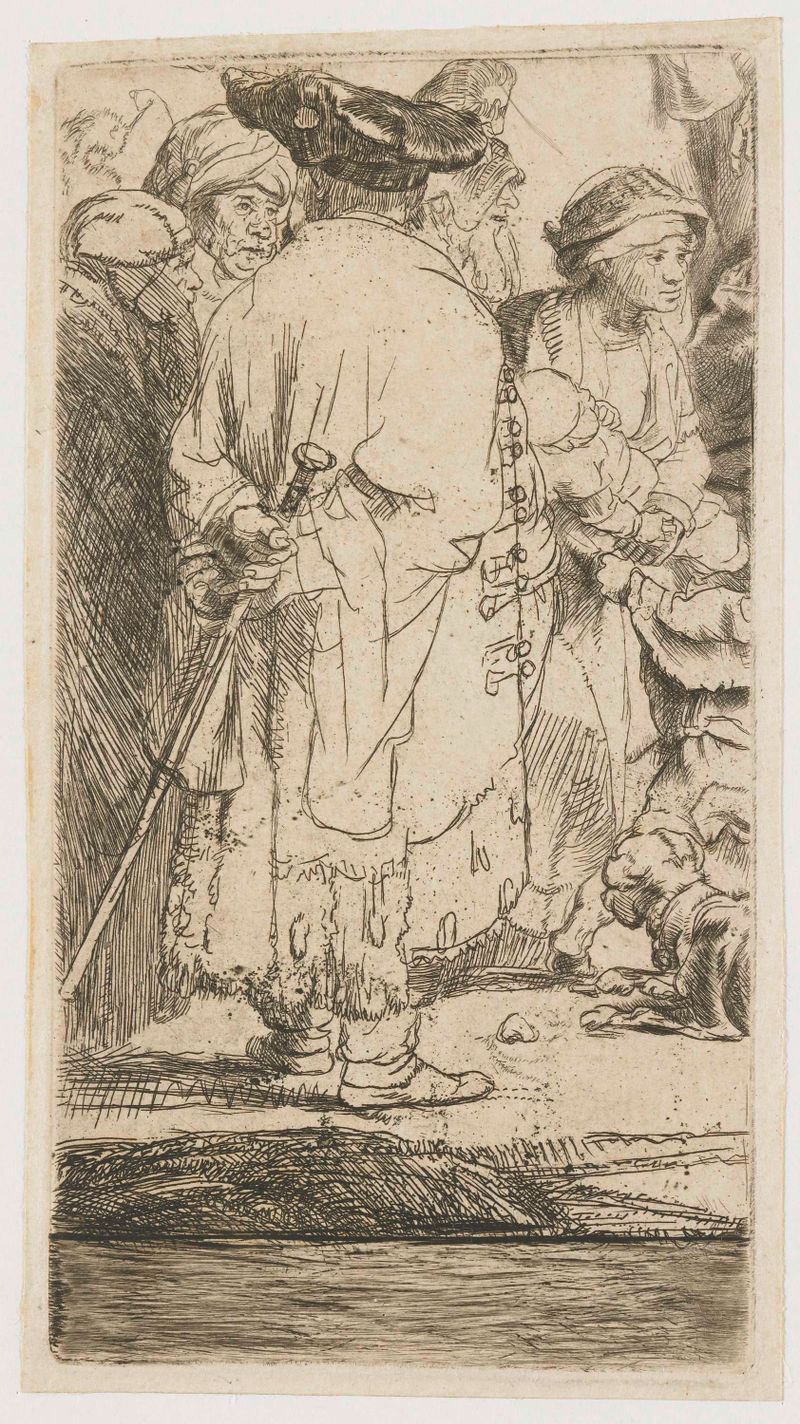
The Hundred Guilder Print: the man seen on the back in the lower left corner
Rembrandt van Rijn

Portrait of Dr Gachet
Vincent van Gogh