Jug or 'Jacobakan' — History & Facts
What if beauty was never meant to be finished? The allure of imperfection whispers through the smooth contours and delicate glazes of this jug, inviting contemplation on the nature of serenity. Focus on the gentle curves that rise and swell, drawing the eye upwards toward the elegantly tapered neck. The soft, earthy tones, punctuated by subtle glimmers of reflective glaze, transform the vessel into a quiet monument of craftsmanship. Notice how the light caresses its surface, creating an interplay of shadow and illumination that breathes life into the form—a reminder that even the simplest objects can evoke profound stillness. Delve deeper into the jug’s texture and form; the subtle imperfections, perhaps left by the artist's hand, echo the essence of humanity—imperfect yet beautiful.
This piece speaks to a duality: the strong, sturdy base grounded in reality contrasts with the ethereal quality of the upper body that seems to float in the air. Together, they embody a harmony that suggests peace amidst chaos, resonating with an age-old quest for inner tranquility. Created in a period of artistic exploration between 1450 and 1549, this jug represents a time when ceramics began to flourish in Europe. The unknown artist crafted this piece during a renaissance of creativity, where artisans sought to elevate everyday objects, infusing them with beauty and purpose.
In a world marked by change and uncertainty, this jug stands as a testament to the enduring power of simplicity and grace.
More Artworks by Unknown Artist
Browse all →
Ridder, Dood en Duivel
Unknown Artist
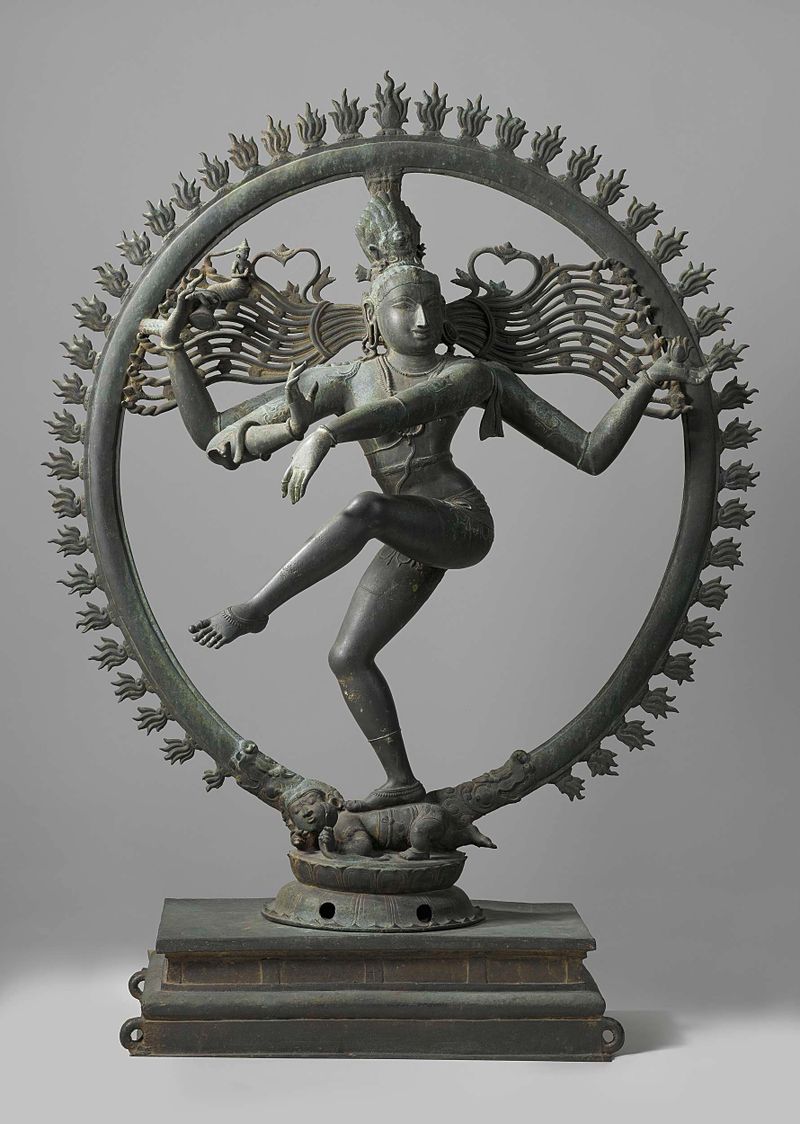
Shiva Nataraja
Unknown Artist
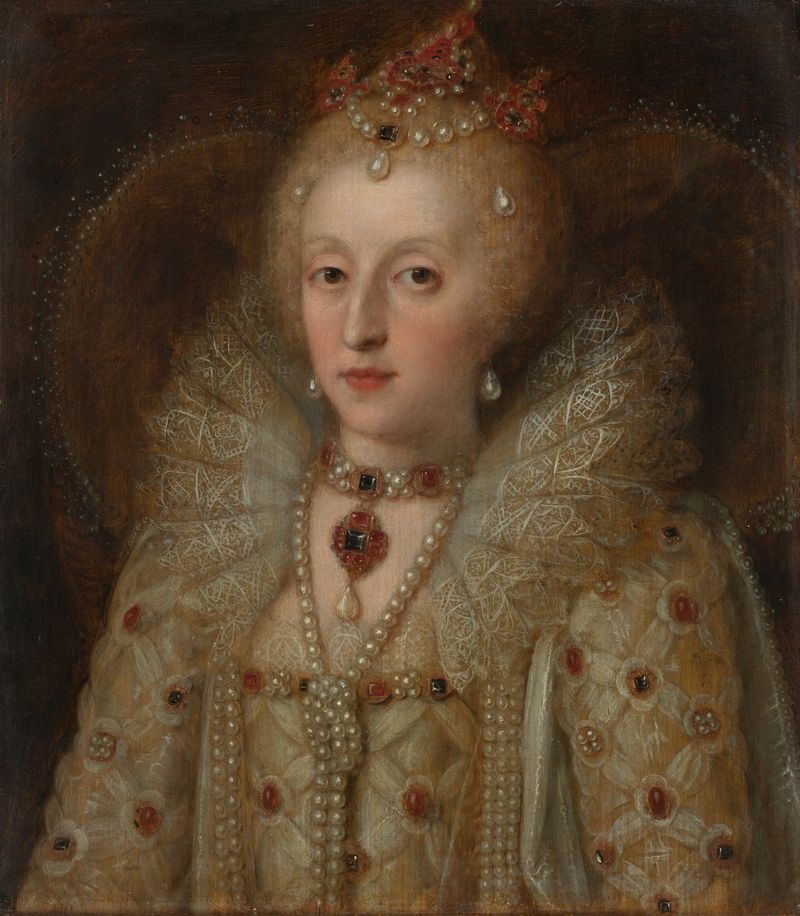
Portrait of Elizabeth I, Queen of England
Unknown Artist
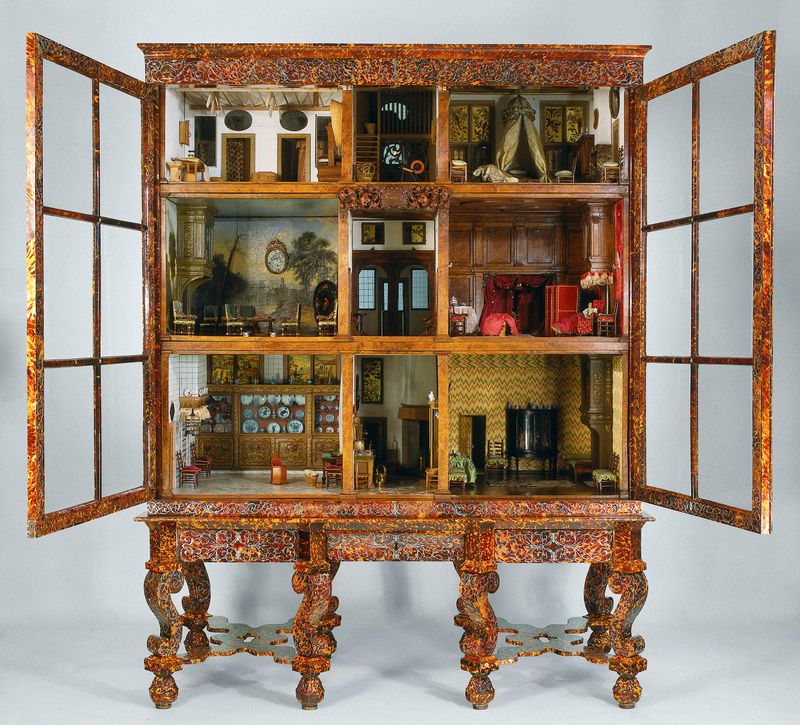
Dolls’ house of Petronella Oortman
Unknown Artist
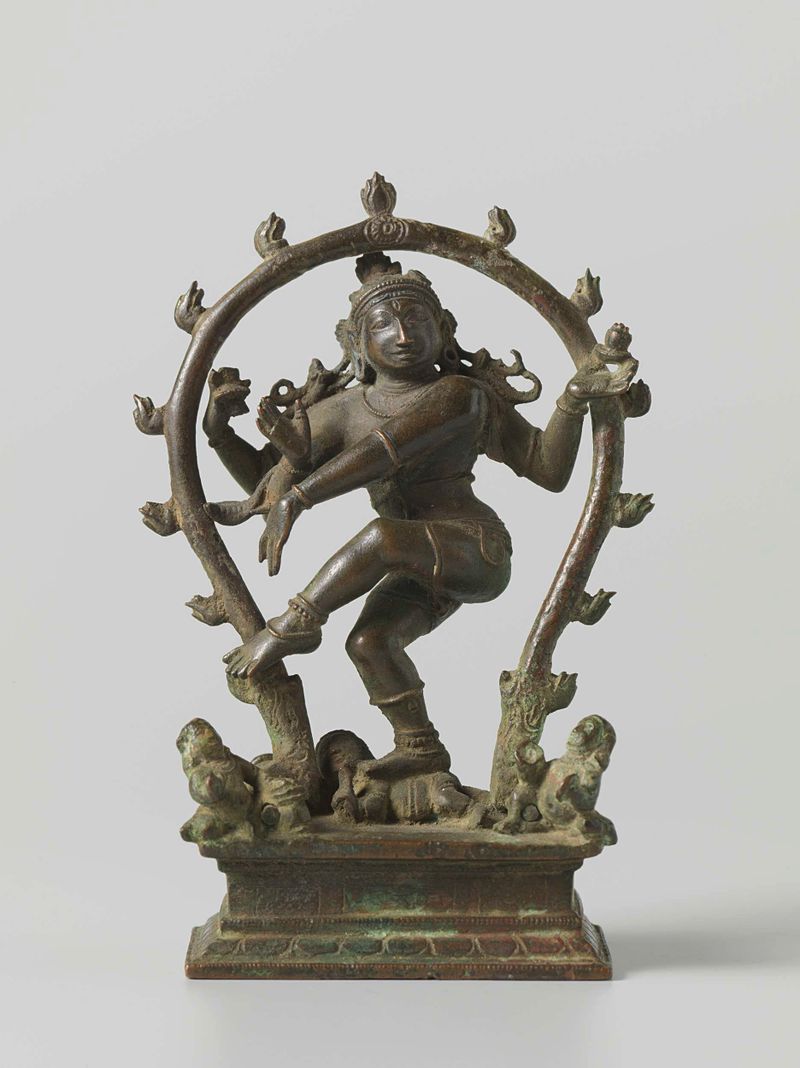
Shiva Nataraja
Unknown Artist

The Tale of Genji
Unknown Artist

The Tale of Genji
Unknown Artist

Cong
Unknown Artist
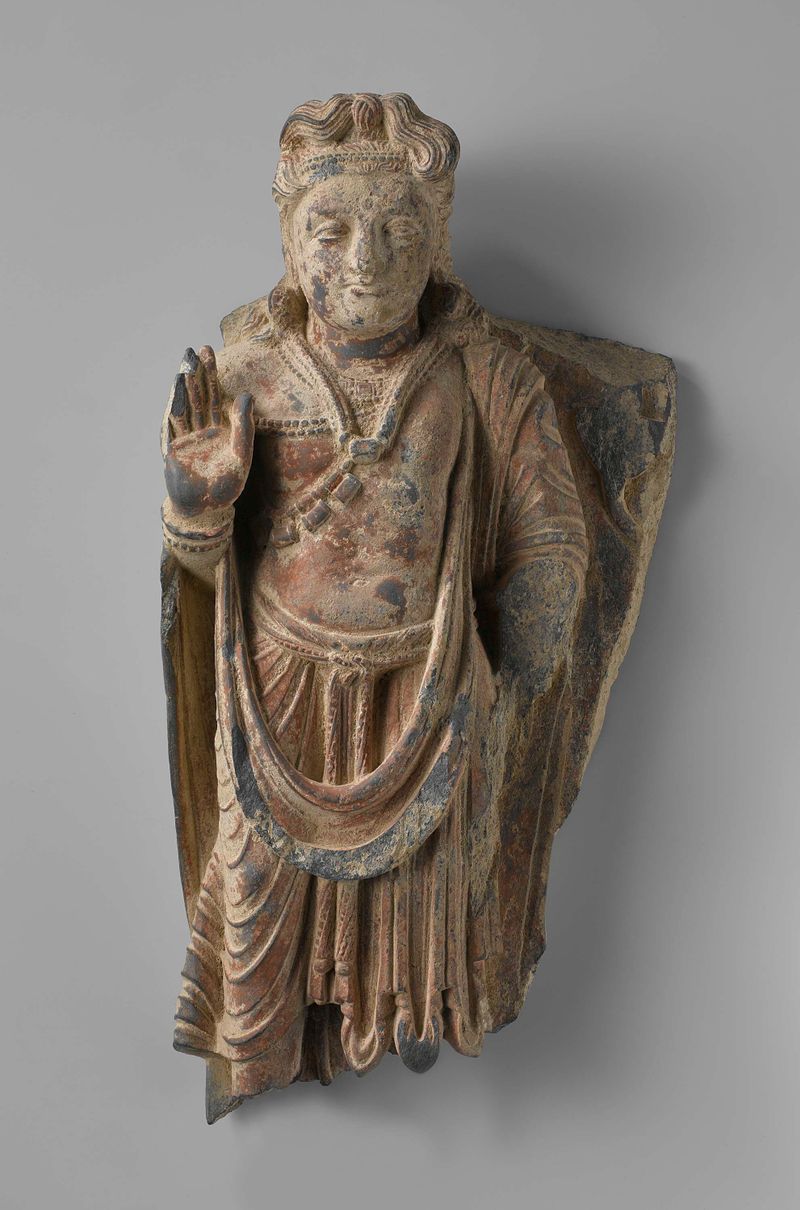
The bodhisattva Maitreya
Unknown Artist

Teabowl with a 'hare's fur' glaze
Unknown Artist