Jug or 'Jacobakan' — History & Facts
Who listens when art speaks of silence? A jug, seemingly simple, yet it carries the weight of untold stories, whispering of balance and harmony in a world often chaotic. Look closely at the smooth, curvaceous form that invites the eye; the elegant handle arches into the air like a question mark, provoking curiosity. Notice the subtle variations in glaze, where ochres and earth tones blend seamlessly—each stroke a testament to the potter's hand. The play of light against the surface reveals a glossy finish, highlighting the object’s tactile quality, as if it were caught in a fleeting moment of stillness. Yet, there is more than meets the eye.
The jug stands as a symbol of domesticity, an emblem of the balance between utility and beauty, a reminder of life's everyday rituals. The careful craftsmanship reflects the connection between the maker and the material, suggesting a silent dialogue between tradition and innovation. One can almost sense the pulse of the era, where artistry and function intertwine, urging us to reflect on what it means to create something lasting. This piece was likely created during a transformative period in art history, around the mid-15th century to the mid-16th century, possibly in Northern Europe.
At a time when the Renaissance was redefining artistic expression, this unknown artist contributed to the burgeoning appreciation for functional art, where objects began to embody not just utility but also the beauty of craftsmanship in daily life.
More Artworks by Unknown Artist
Browse all →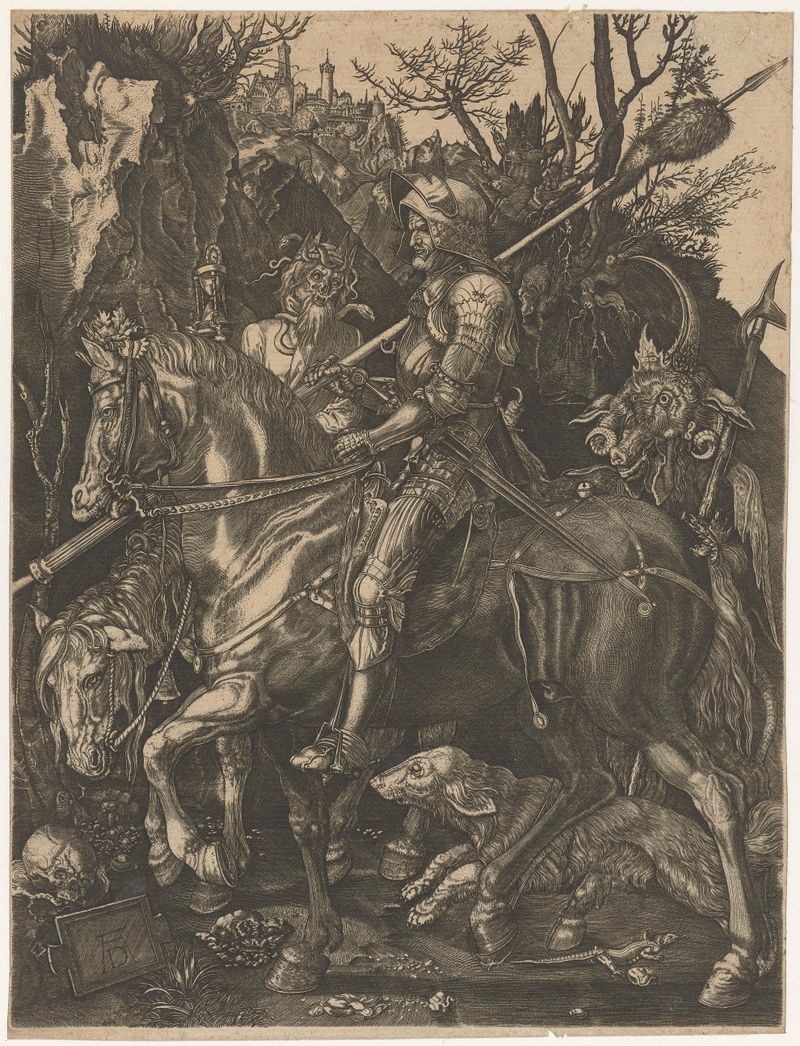
Ridder, Dood en Duivel
Unknown Artist
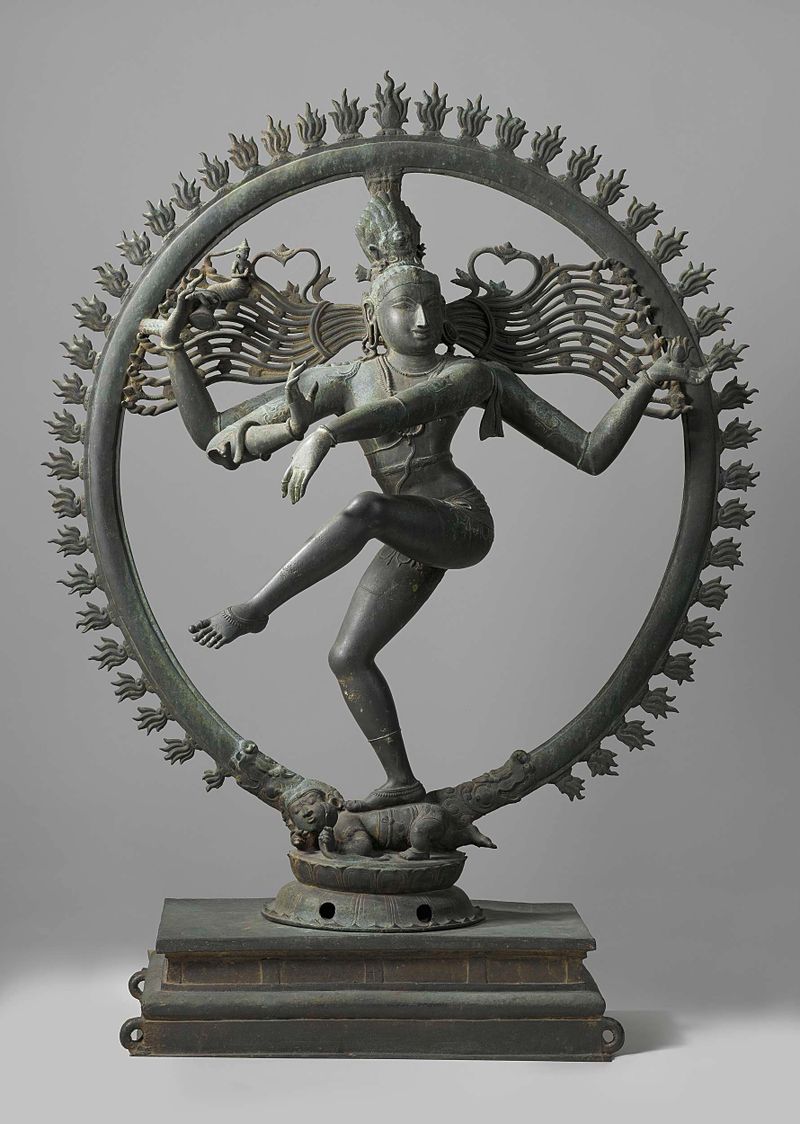
Shiva Nataraja
Unknown Artist
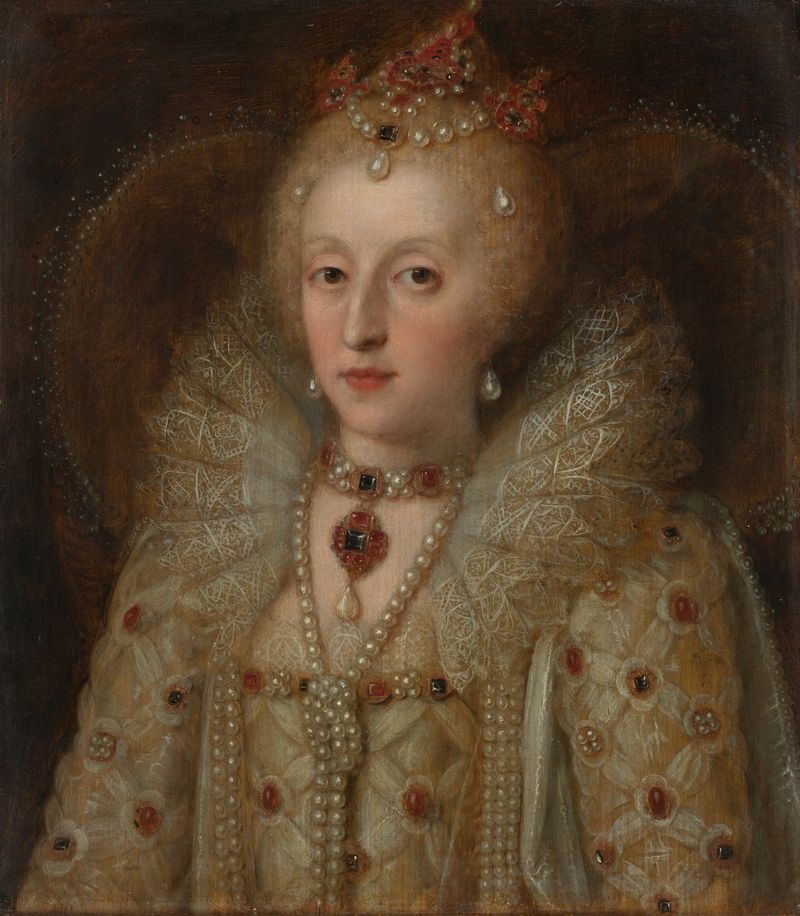
Portrait of Elizabeth I, Queen of England
Unknown Artist
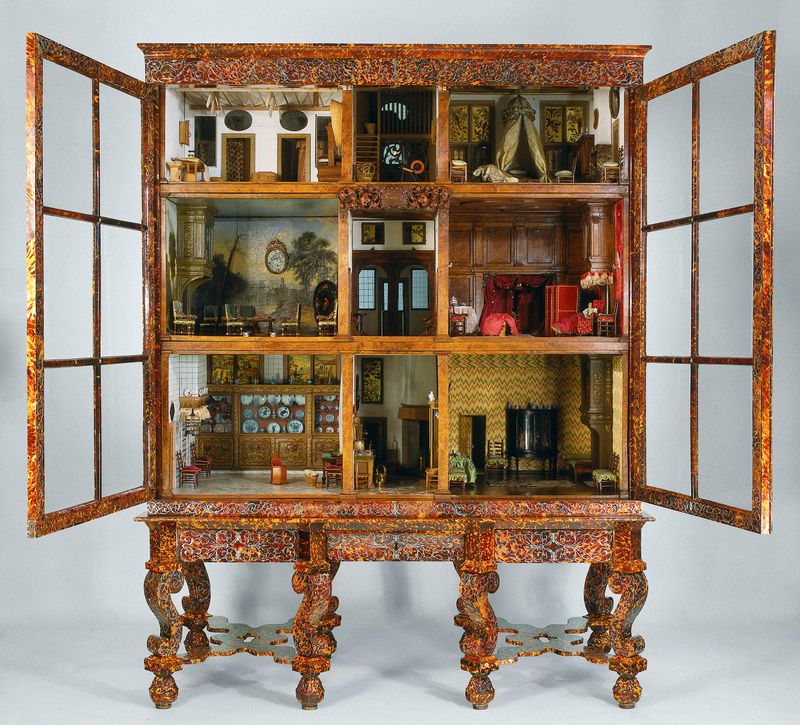
Dolls’ house of Petronella Oortman
Unknown Artist
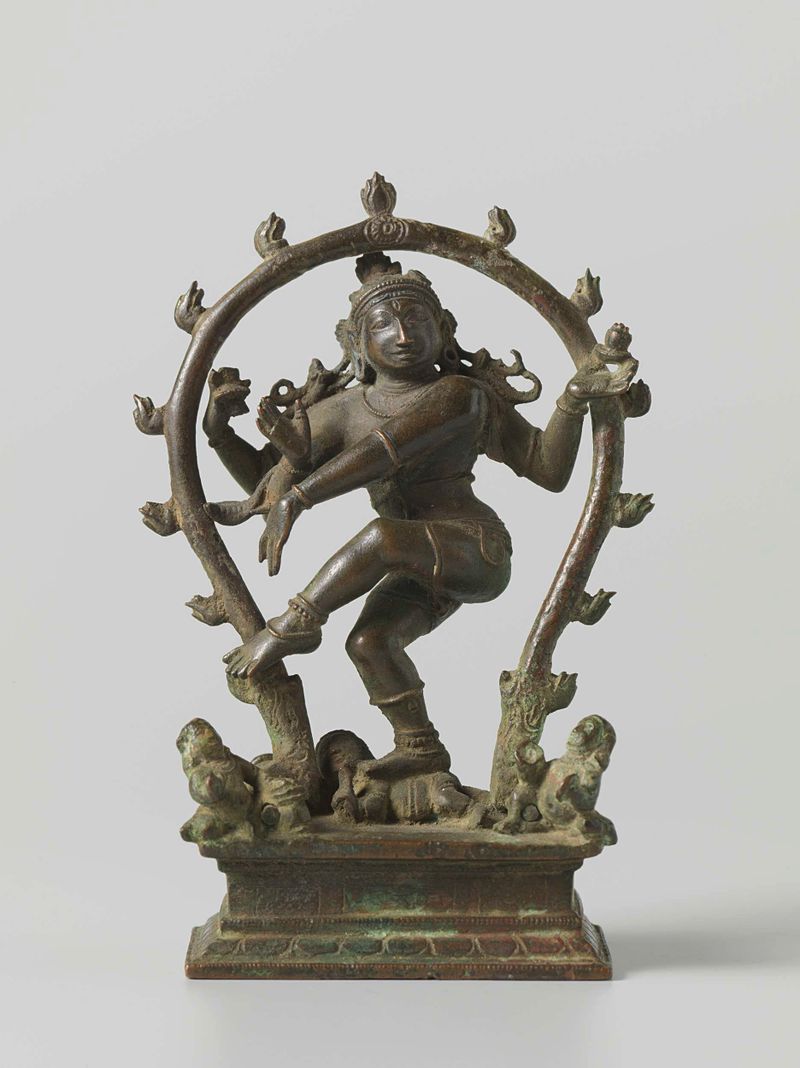
Shiva Nataraja
Unknown Artist

The Tale of Genji
Unknown Artist

The Tale of Genji
Unknown Artist

Cong
Unknown Artist
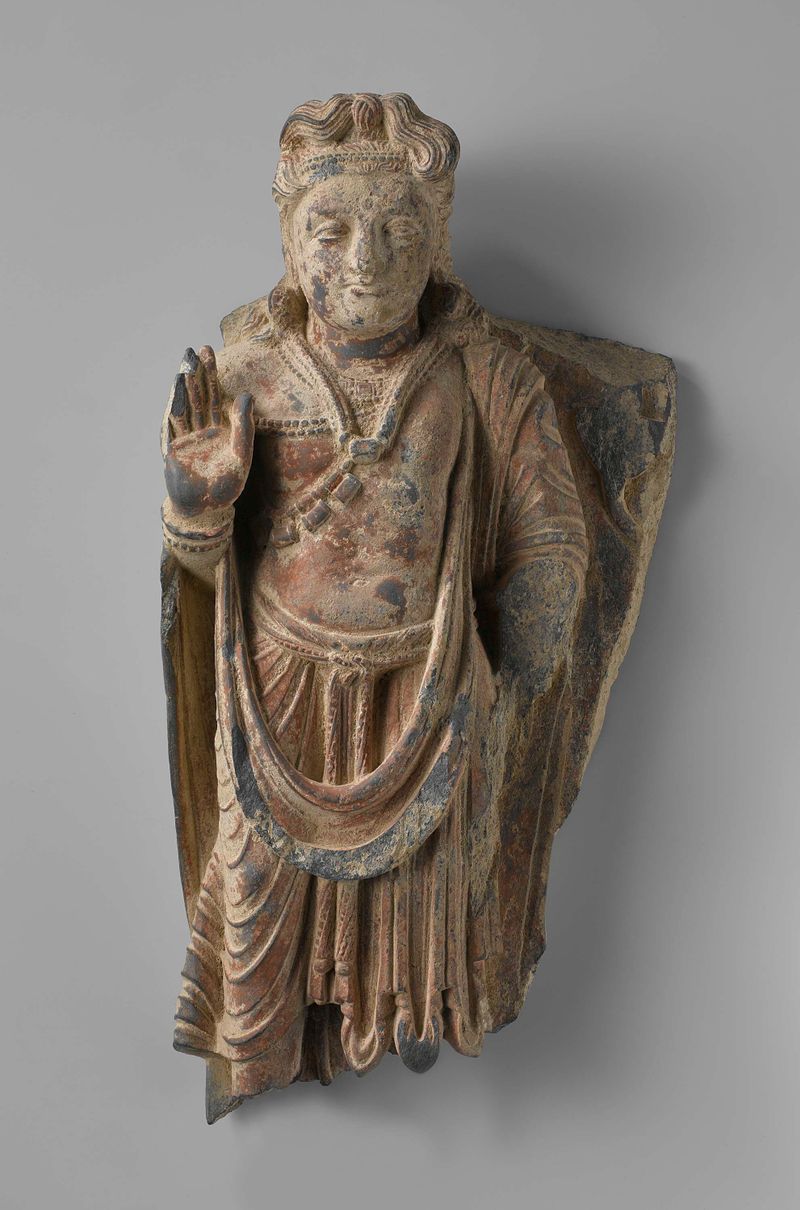
The bodhisattva Maitreya
Unknown Artist

Teabowl with a 'hare's fur' glaze
Unknown Artist