Jug or 'Jacobakan' — History & Facts
When did color learn to lie? Perhaps it was within the embrace of vessels like this, a jug that transcends mere functionality, whispering secrets of ecstasy through its form and hues. Look closely at the delicate curves of the jug’s silhouette, where the body swells gracefully before tapering at the neck. Notice how the intricate glaze captures light, revealing a spectrum that dances between cerulean and emerald. Each brushstroke tells a story, the patterns on the surface inviting exploration—like a map of sensations waiting to be deciphered.
The vivid pigments seem to pulse with life, drawing you in to examine the subtle interplay of shadow and sheen, as if the vessel itself breathes. Within this object lies a tension between simplicity and complexity; the jug’s utilitarian shape contrasts with the exuberance of its decoration. The vibrant colors evoke a visceral reaction, suggesting joy yet hinting at transient beauty—much like ecstasy, fleeting yet profound. This interplay speaks to the duality of existence, where the mundane and the extraordinary exist side by side, each enriching the other. Created in the midst of the flourishing Northern Renaissance, this work emerged around the mid-15th to mid-16th century, a period marked by a surge in artistic innovation and exploration.
The unknown artist, possibly influenced by the rising interest in naturalism and the intricate craftsmanship of ceramics, contributed to a legacy that celebrated both the beauty and the utility of everyday objects. This jug stands as a testament to the era's creativity, capturing the essence of a world awakening to color’s seductive power.
More Artworks by Unknown Artist
Browse all →
Ridder, Dood en Duivel
Unknown Artist
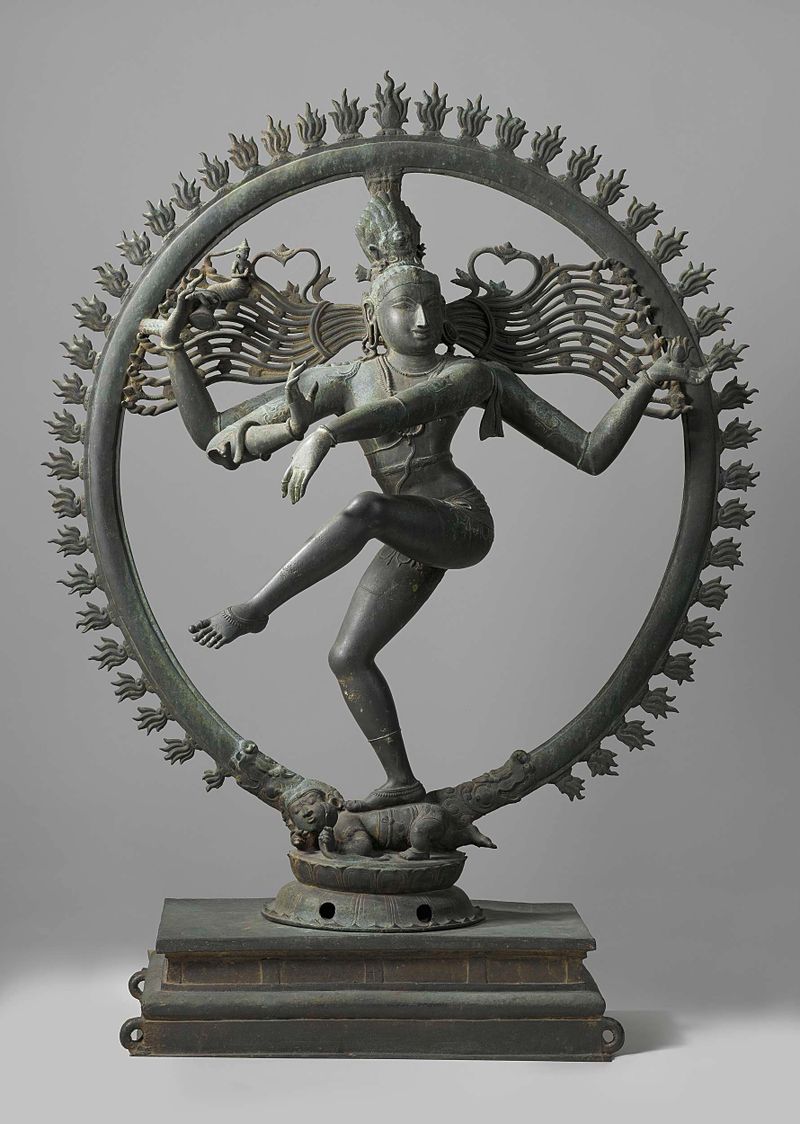
Shiva Nataraja
Unknown Artist
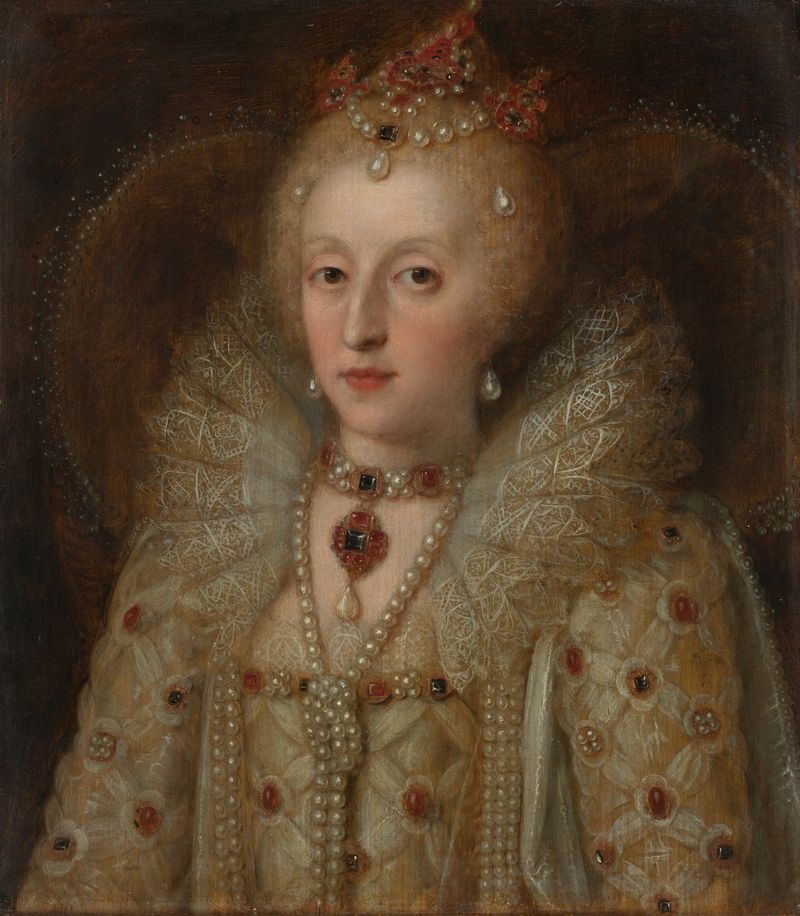
Portrait of Elizabeth I, Queen of England
Unknown Artist
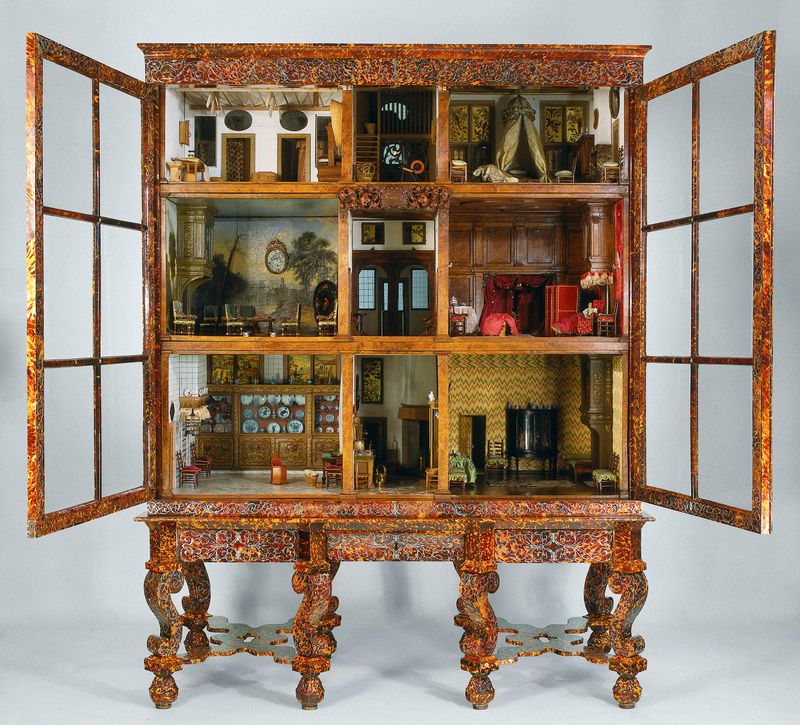
Dolls’ house of Petronella Oortman
Unknown Artist
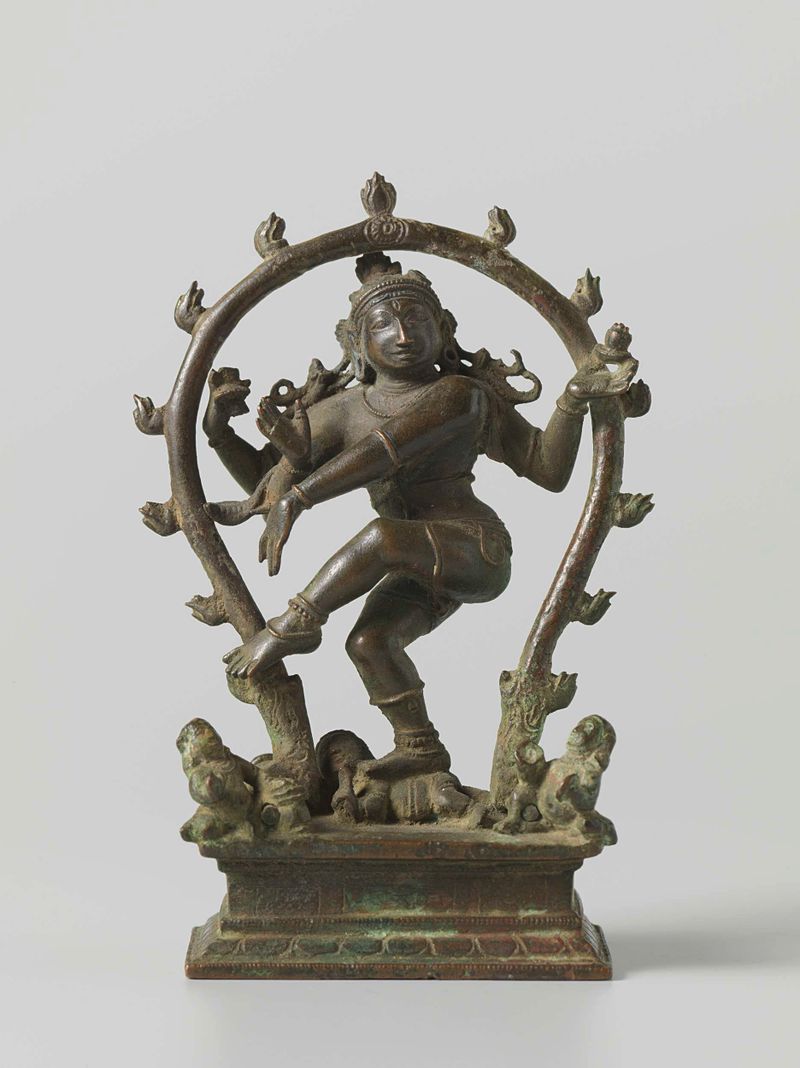
Shiva Nataraja
Unknown Artist

The Tale of Genji
Unknown Artist

The Tale of Genji
Unknown Artist

Cong
Unknown Artist
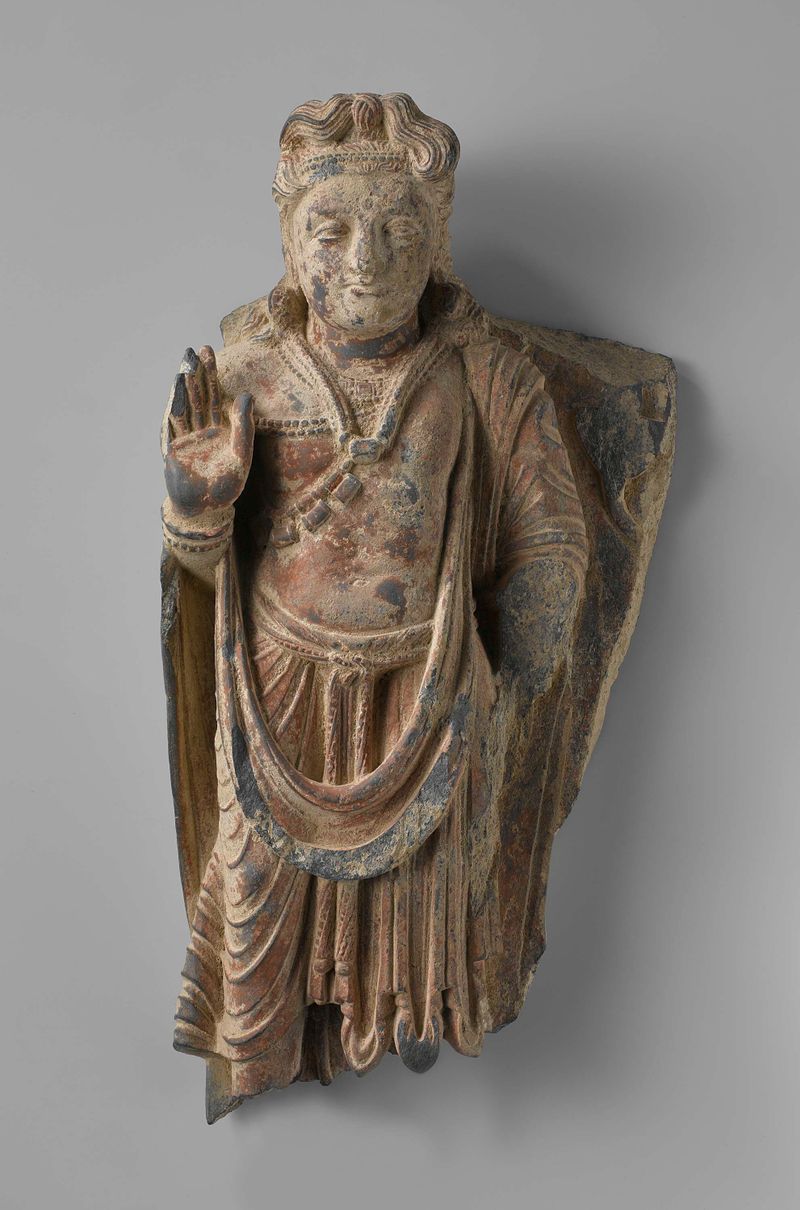
The bodhisattva Maitreya
Unknown Artist

Teabowl with a 'hare's fur' glaze
Unknown Artist