Jug or 'Jacobakan' — History & Facts
When did color learn to lie? This question lingers over an enigmatic jug, its surface shimmering with hues that deceive both eye and spirit, inviting reflection on the nature of faith and perception. Look closely at the jug's intricate designs, where radiant blues and deep reds dance alongside earthy tones. Notice how light interacts with its glossy surface, creating an illusion of depth and movement, as if the painted patterns might come alive. The careful craftsmanship suggests a reverence for the everyday object, transforming it into a vessel of both utility and beauty, reflecting the era's artistry and spirituality. Hidden meanings unravel in the delicate details: the motifs may symbolize the transitory nature of life, while the jug itself stands as a testament to faith—an offering or a sacred container for life’s essence.
Contrasts abound; the solidity of the jug represents permanence, yet its vibrant colors evoke the fleeting moments of joy and sorrow that define human experience. Each stroke carries the weight of belief, merging the ordinary with the divine. Crafted between 1450 and 1549, this piece emerged during a period of great cultural and artistic transformation, marked by the burgeoning Renaissance. The artist, shrouded in anonymity, contributed to a rich tapestry of creativity, where the interplay of light and shadow began to reflect deeper philosophical themes.
In a world grappling with the truths of faith and existence, this jug stands as a silent witness to the era's search for meaning amidst the chaos of change.
More Artworks by Unknown Artist
Browse all →
Ridder, Dood en Duivel
Unknown Artist
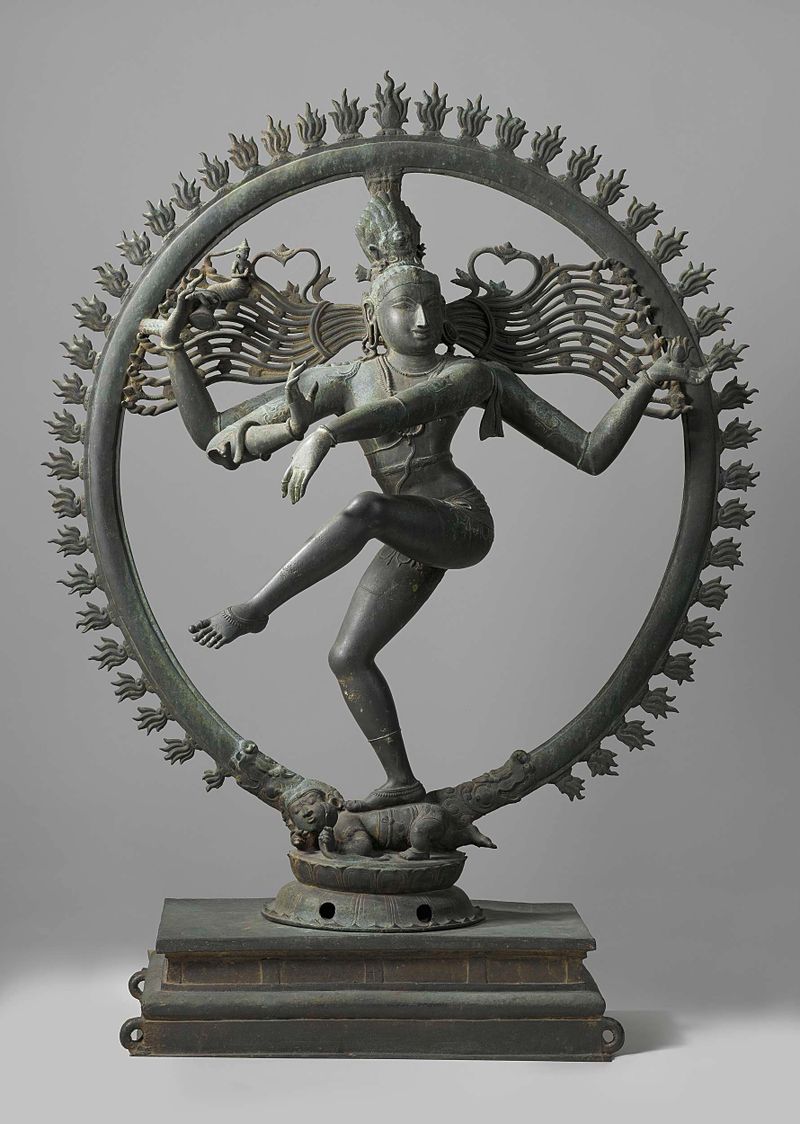
Shiva Nataraja
Unknown Artist
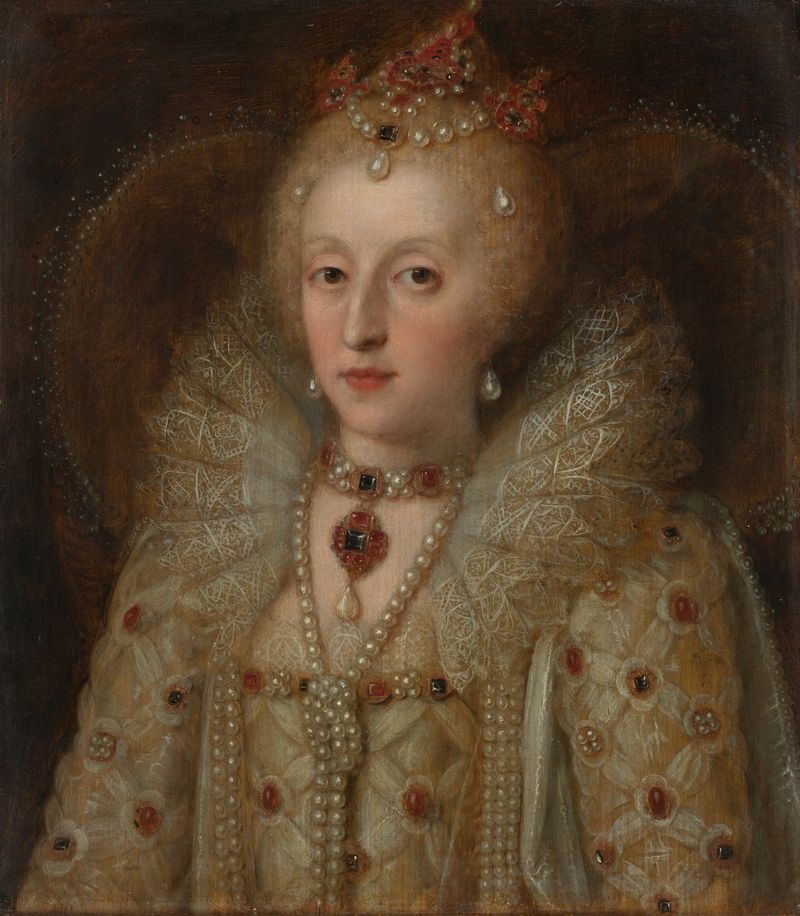
Portrait of Elizabeth I, Queen of England
Unknown Artist
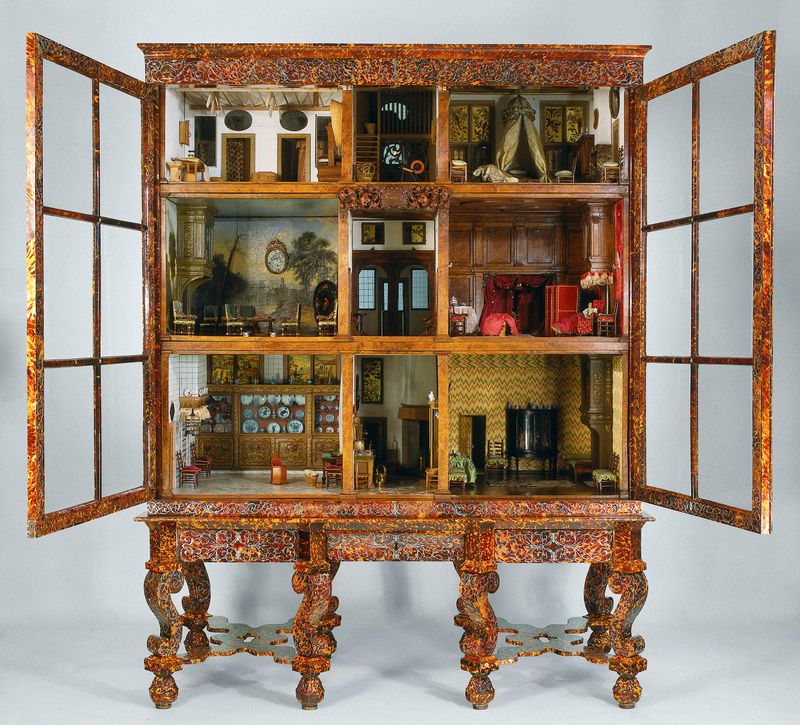
Dolls’ house of Petronella Oortman
Unknown Artist
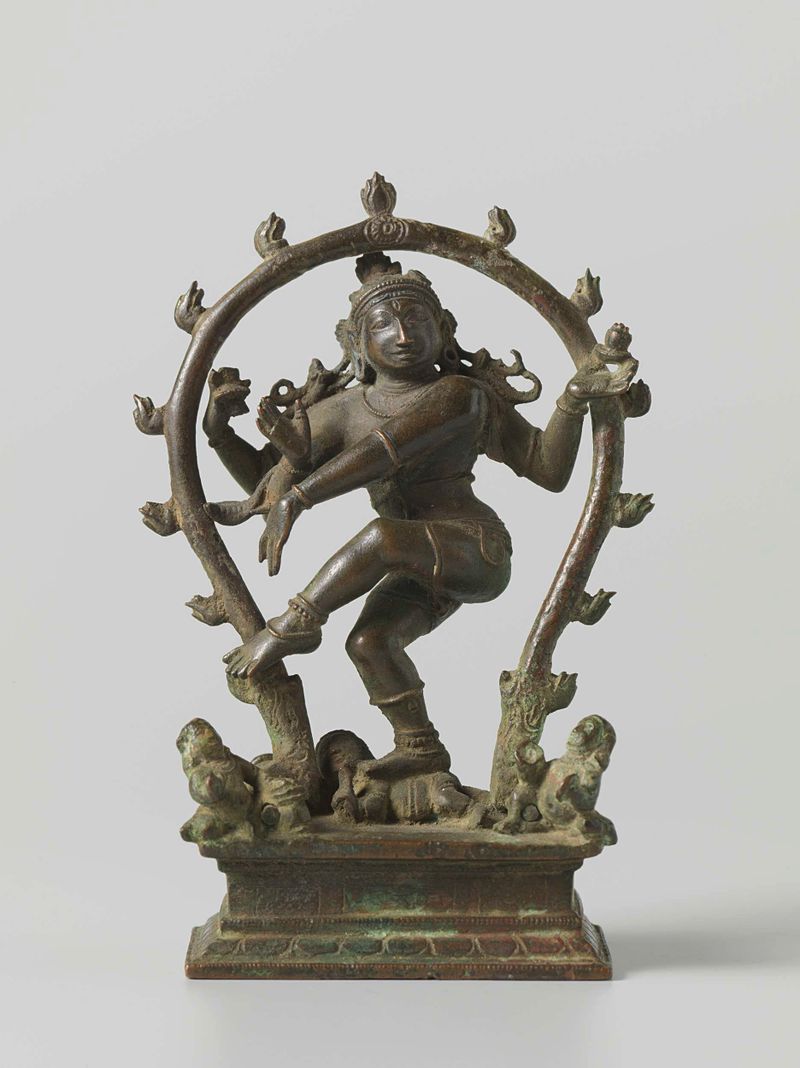
Shiva Nataraja
Unknown Artist

The Tale of Genji
Unknown Artist

The Tale of Genji
Unknown Artist

Cong
Unknown Artist
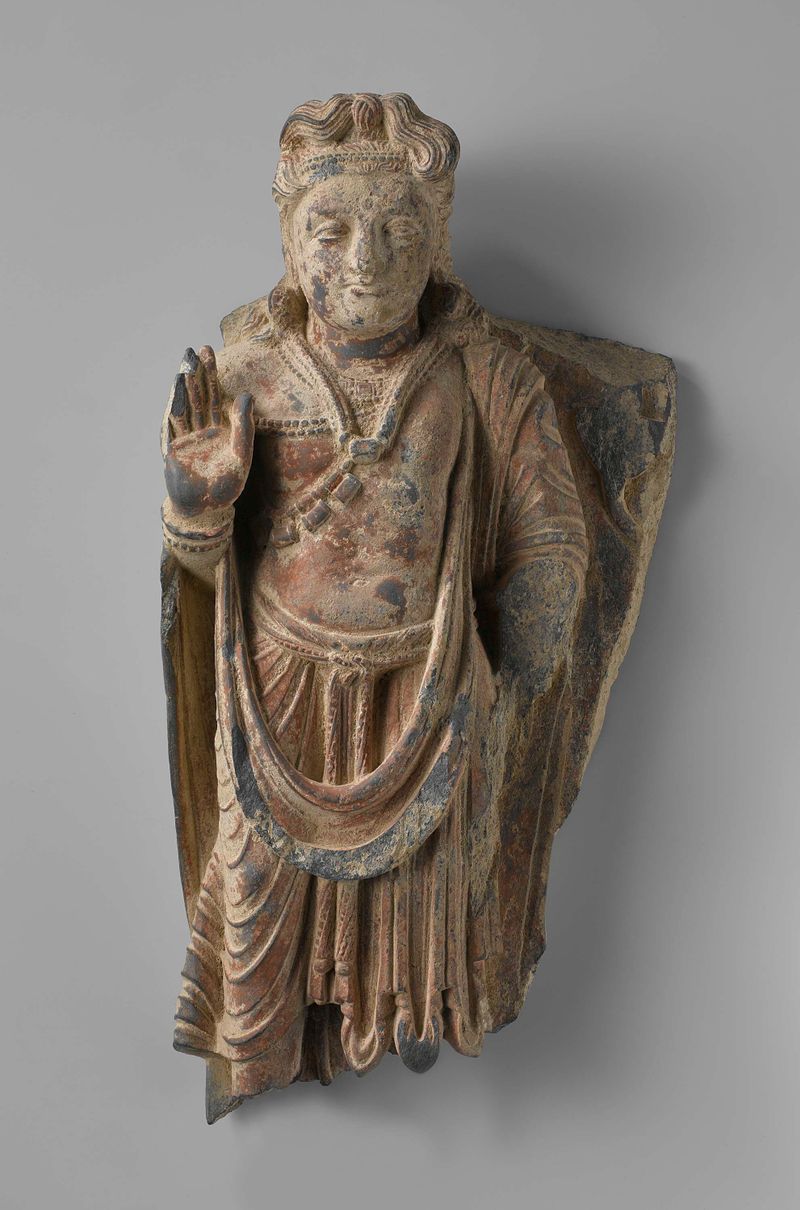
The bodhisattva Maitreya
Unknown Artist

Teabowl with a 'hare's fur' glaze
Unknown Artist