Jug 'trichterhalskrug' with floral scrolls and ribbed body — History & Facts
In its stillness, this jug embodies a longing for the past, a whisper of history clamoring for recognition. Look closely at the jug’s ribbed body; the delicately painted floral scrolls dance across the surface, inviting your gaze to explore each detail. The rich, earthy tones of the glaze evoke warmth, while the intricate patterns suggest a careful hand and a meticulous eye. Notice how the light plays against the curvature, creating a soft sheen that highlights both the beauty and the craftsmanship inherent in this piece. Yet, beyond its aesthetic appeal lies a deeper narrative.
The contrasting smoothness of the jug’s neck against the textured body conveys a tension—an interplay between nature's bounty and human artistry. Each flower symbolizes a fleeting moment, a reminder of the passage of time, while the vessel itself stands as a testament to endurance. The yearning for connection, whether to nature or to history, pulses through the ceramic, urging contemplation. This piece emerged in a period marked by transformation in the early 17th century, a time when artistry began to flourish in Europe, often influenced by cultural exchange.
Created between 1600 and 1630, the jug encapsulates a moment of refinement, as anonymous artisans strived for both functionality and beauty. The world was shifting, yet this humble object remained a constant, bridging the gap between everyday life and artistic expression.
More Artworks by Unknown Artist
Browse all →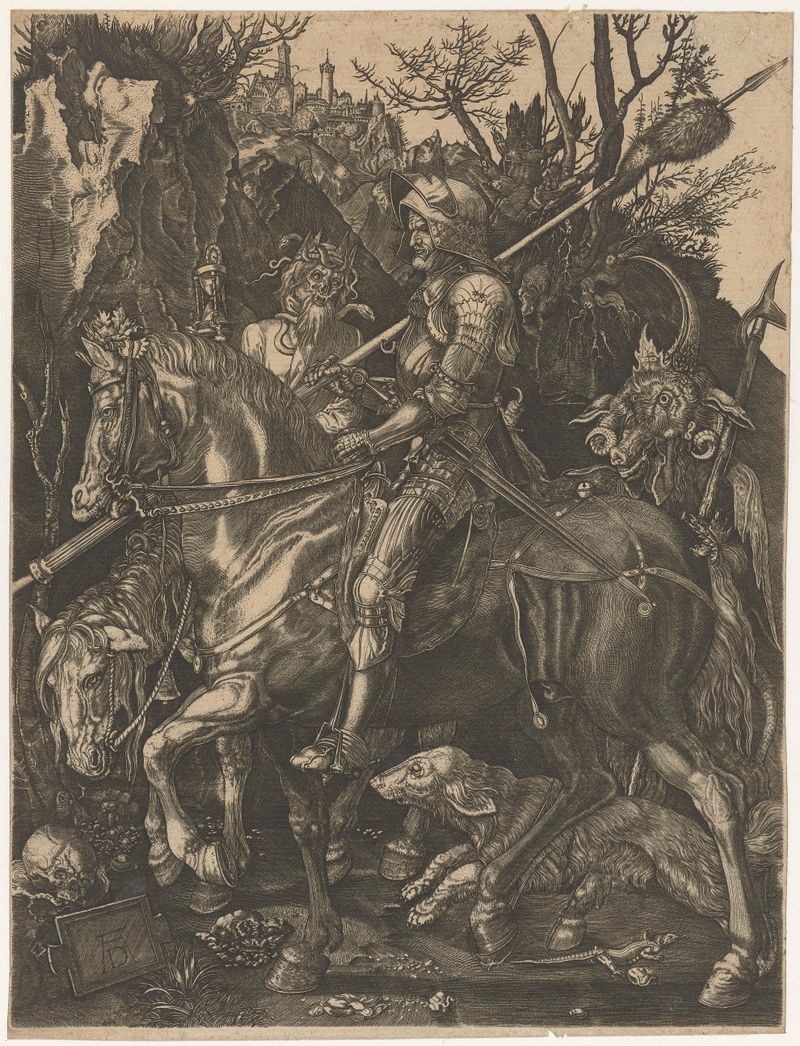
Ridder, Dood en Duivel
Unknown Artist
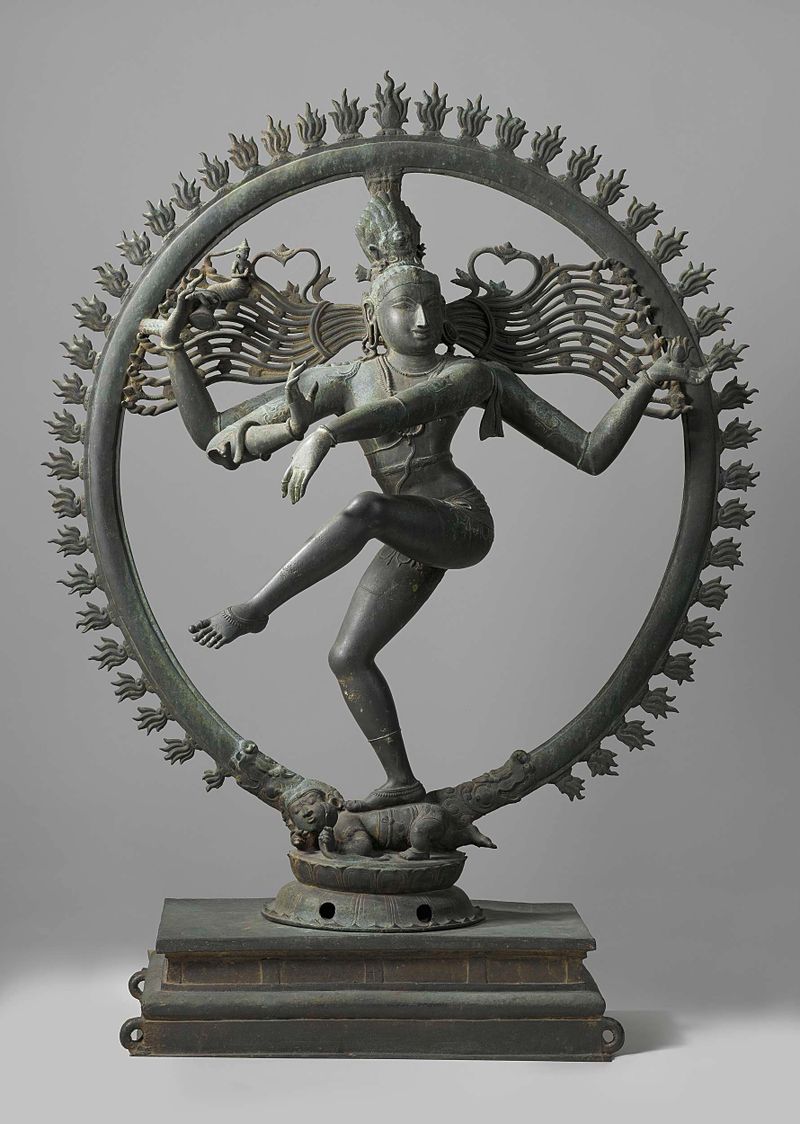
Shiva Nataraja
Unknown Artist
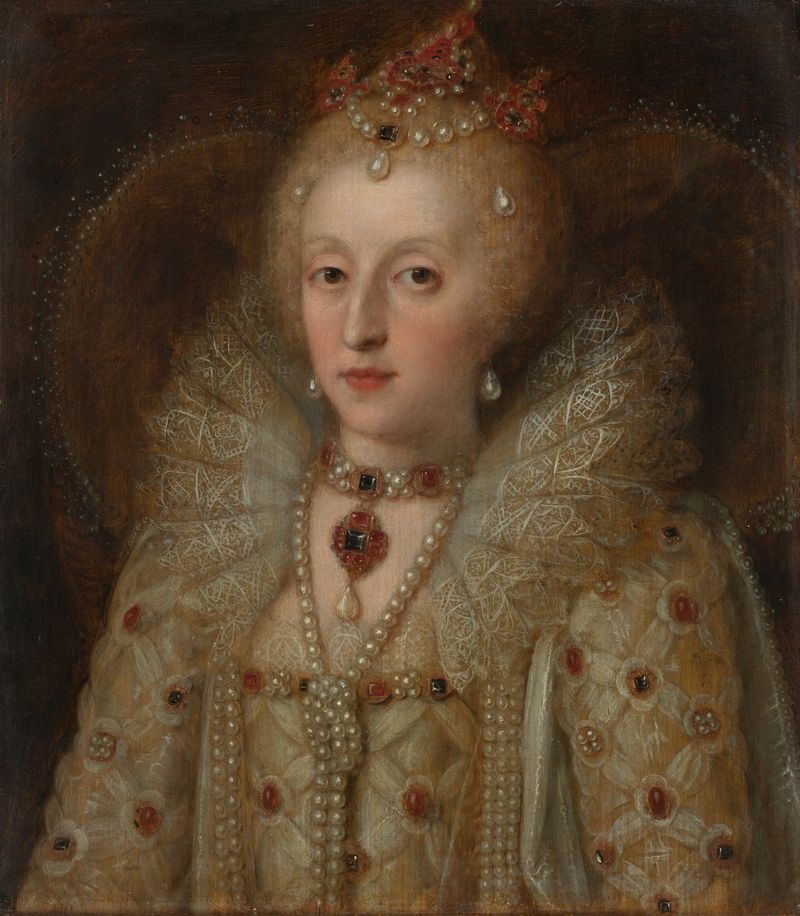
Portrait of Elizabeth I, Queen of England
Unknown Artist
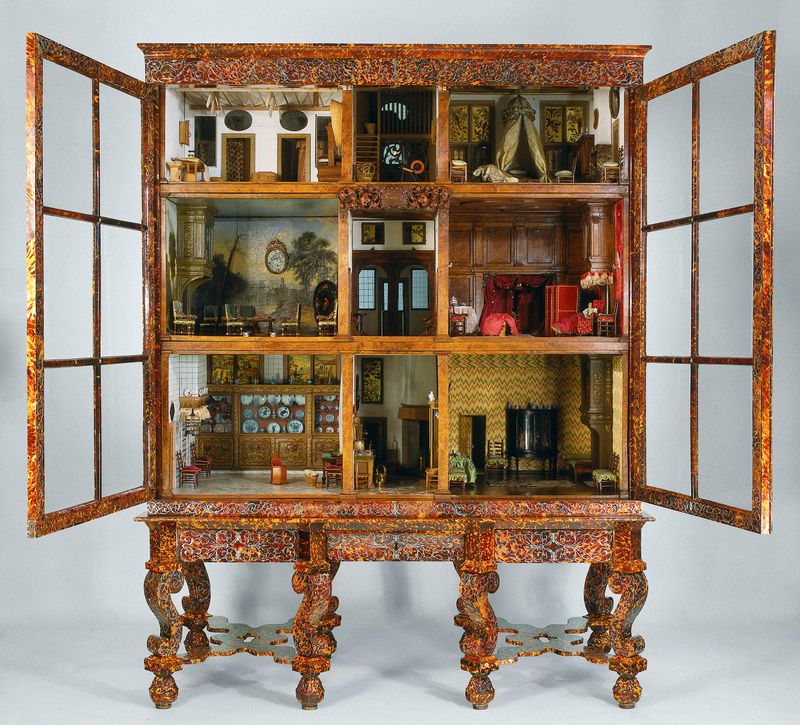
Dolls’ house of Petronella Oortman
Unknown Artist
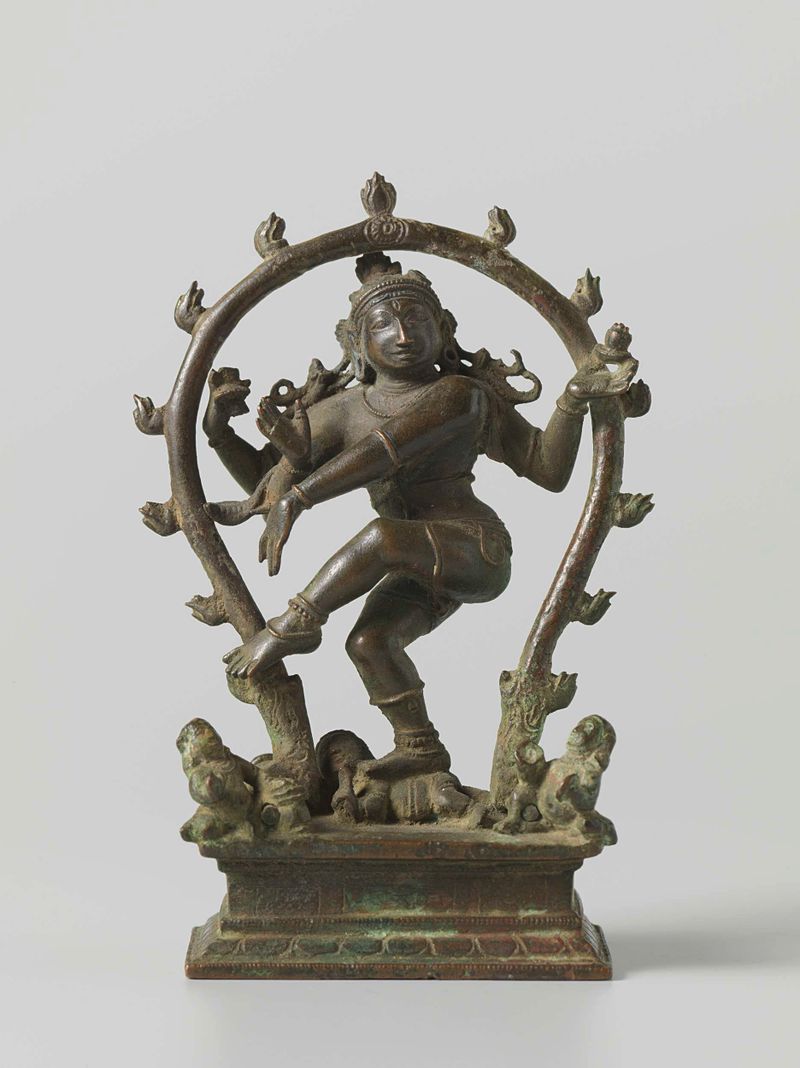
Shiva Nataraja
Unknown Artist

The Tale of Genji
Unknown Artist

The Tale of Genji
Unknown Artist
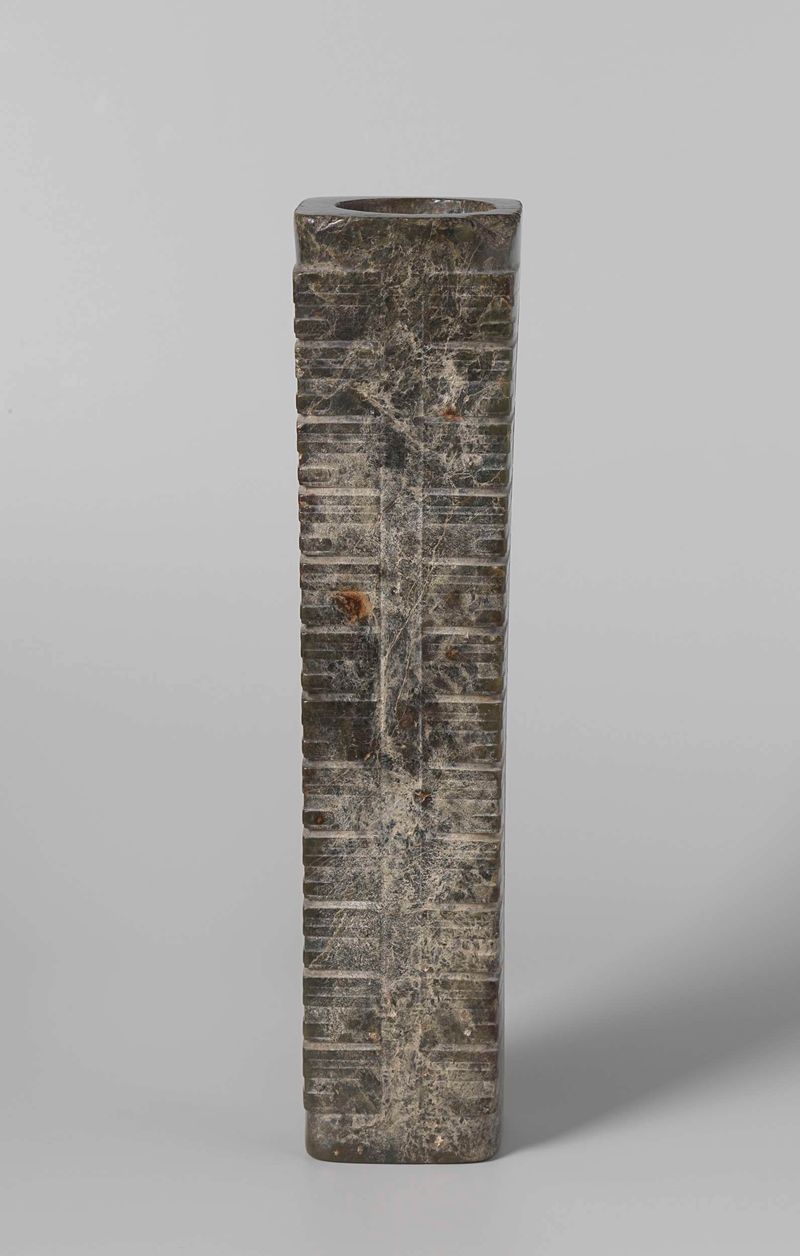
Cong
Unknown Artist
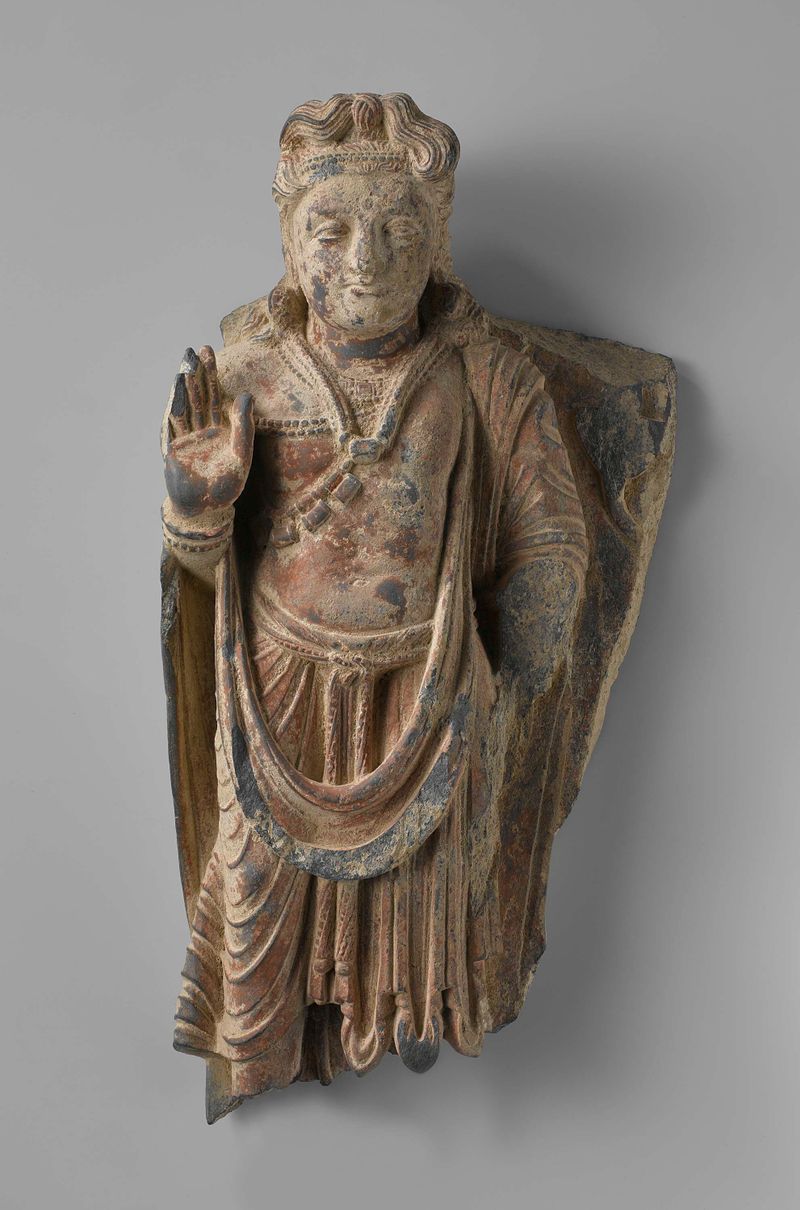
The bodhisattva Maitreya
Unknown Artist
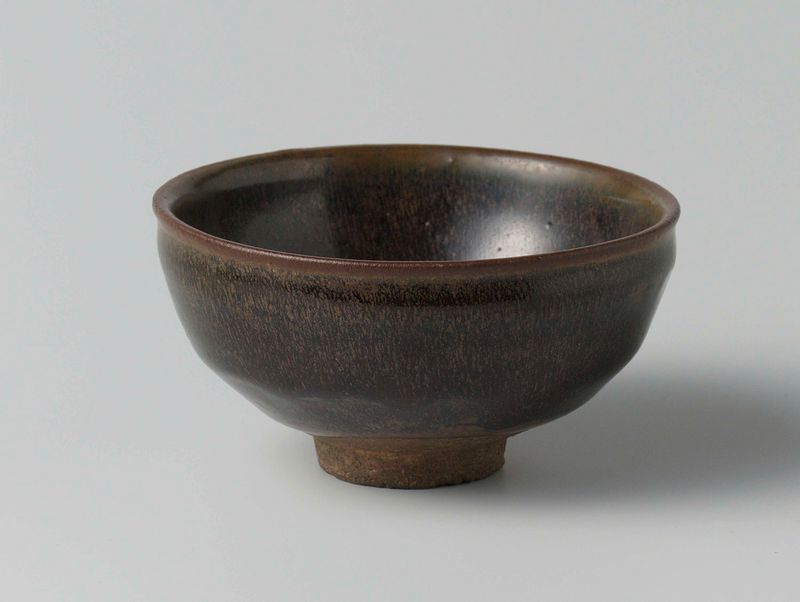
Teabowl with a 'hare's fur' glaze
Unknown Artist