Jug with a hexagonal body and medallions — History & Facts
In the delicate interplay of light and form, one can sense the silent stories that objects hold, even in their stillness. Focus on the jug at the center of the composition—the hexagonal body is a marvel of craftsmanship. Notice how the light dances upon its surface, casting soft reflections that reveal the intricate medallions etched into its clay. These motifs, seemingly static, pulse with the history of their creation, inviting the viewer to imagine the hands that shaped them.
The muted palette of earthy tones enhances the sense of age, as if the jug itself is a vessel of time. Look closer at the medallions; their repetition contrasts with the unique hexagonal shape, suggesting a harmony between tradition and individuality. Each groove and curve tells a story of its own, reminiscent of the lives that surrounded it. The jug stands as a testament to both utility and artistry, embodying a culture that valued both aesthetics and function.
This duality hints at a deeper narrative—an exploration of permanence in a world of transience. During the early to mid-19th century, this piece emerged from an anonymous artist in an era marked by significant societal transformation. It was a time when craftsmanship began to give way to industrial methods, yet the appreciation for handmade objects persisted. The jug reflects this tension between the past and an uncertain future, capturing the essence of a world in flux while remaining a steadfast reminder of the beauty found in imperfection.
More Artworks by Unknown Artist
Browse all →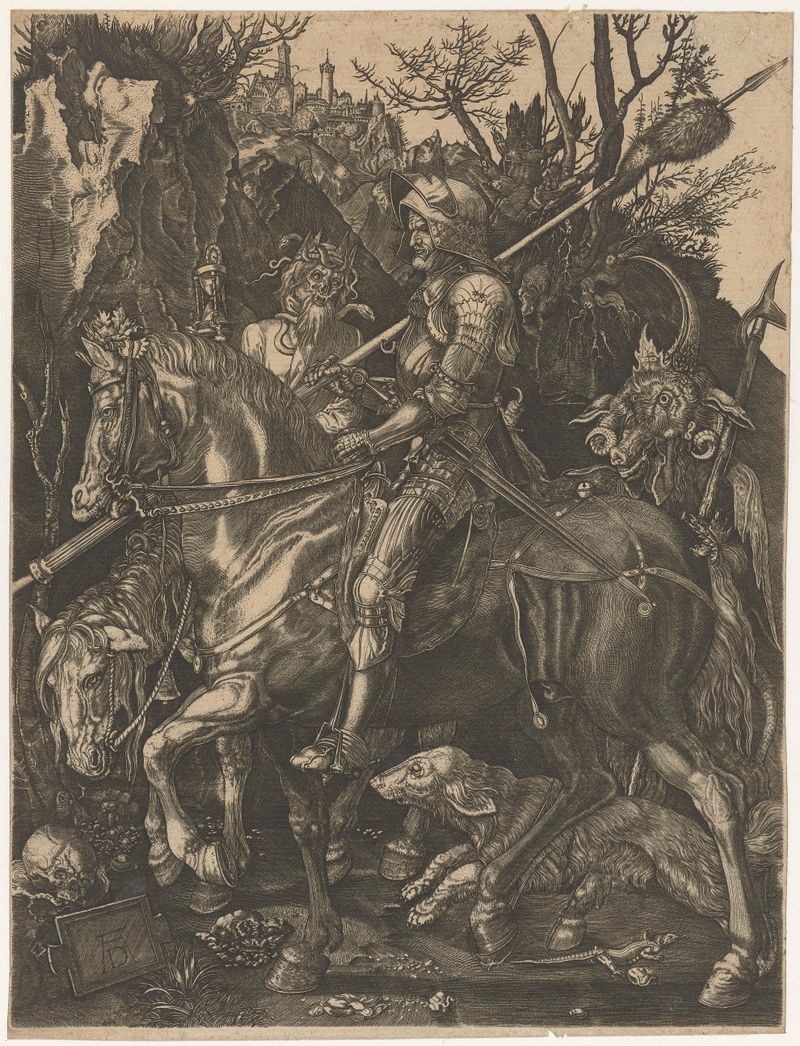
Ridder, Dood en Duivel
Unknown Artist
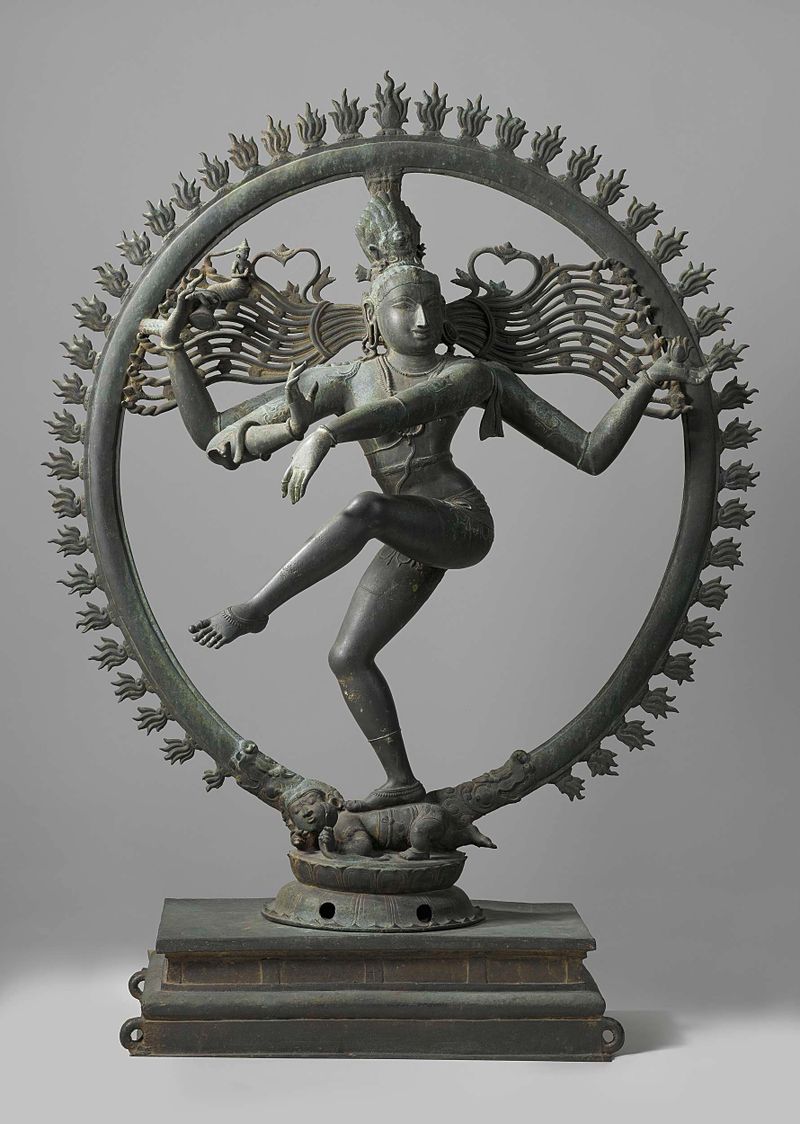
Shiva Nataraja
Unknown Artist
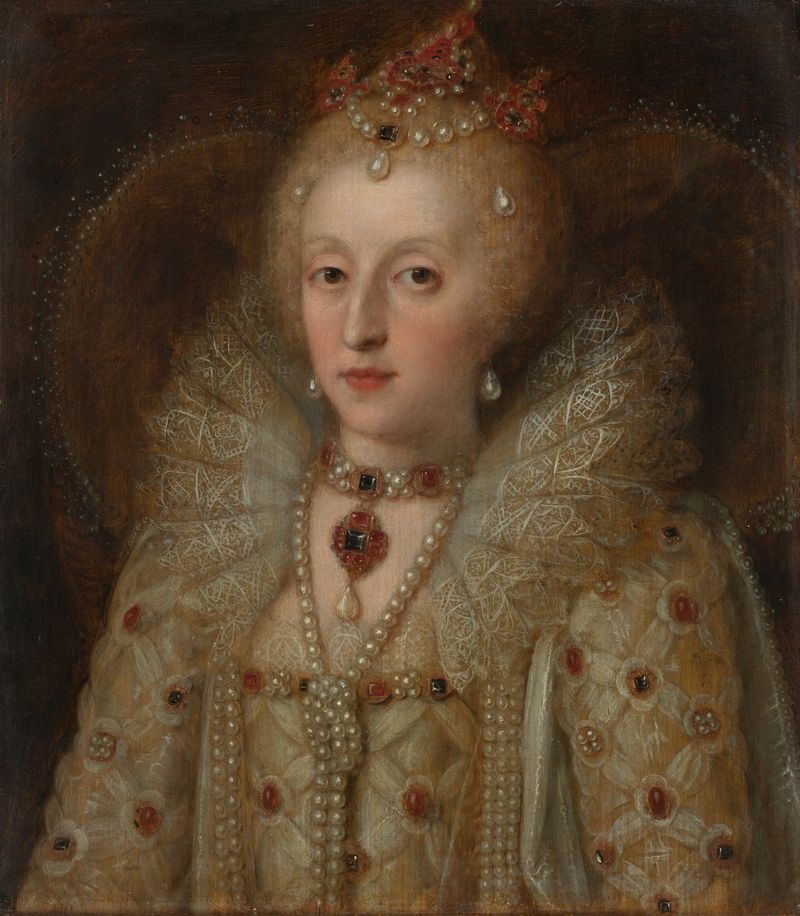
Portrait of Elizabeth I, Queen of England
Unknown Artist
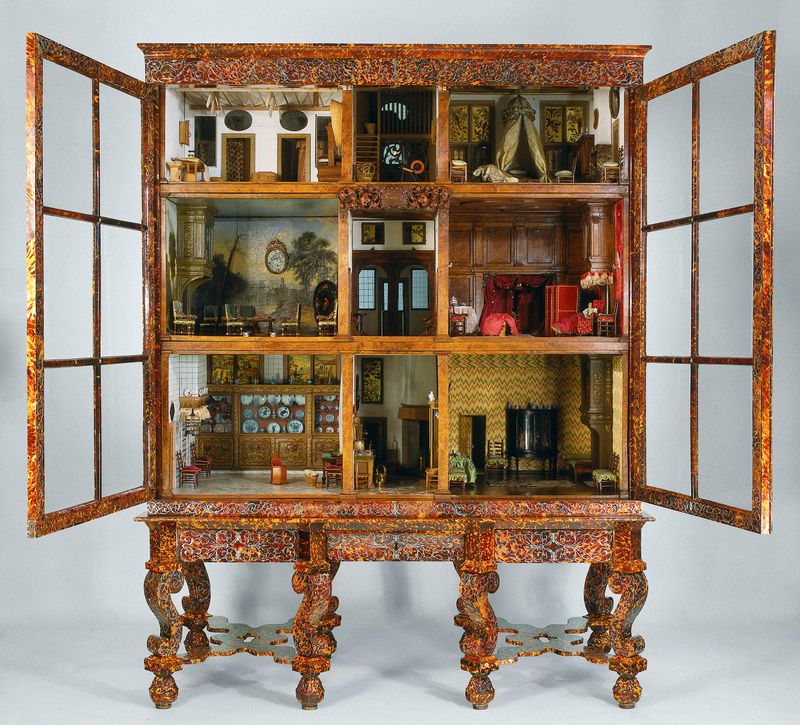
Dolls’ house of Petronella Oortman
Unknown Artist
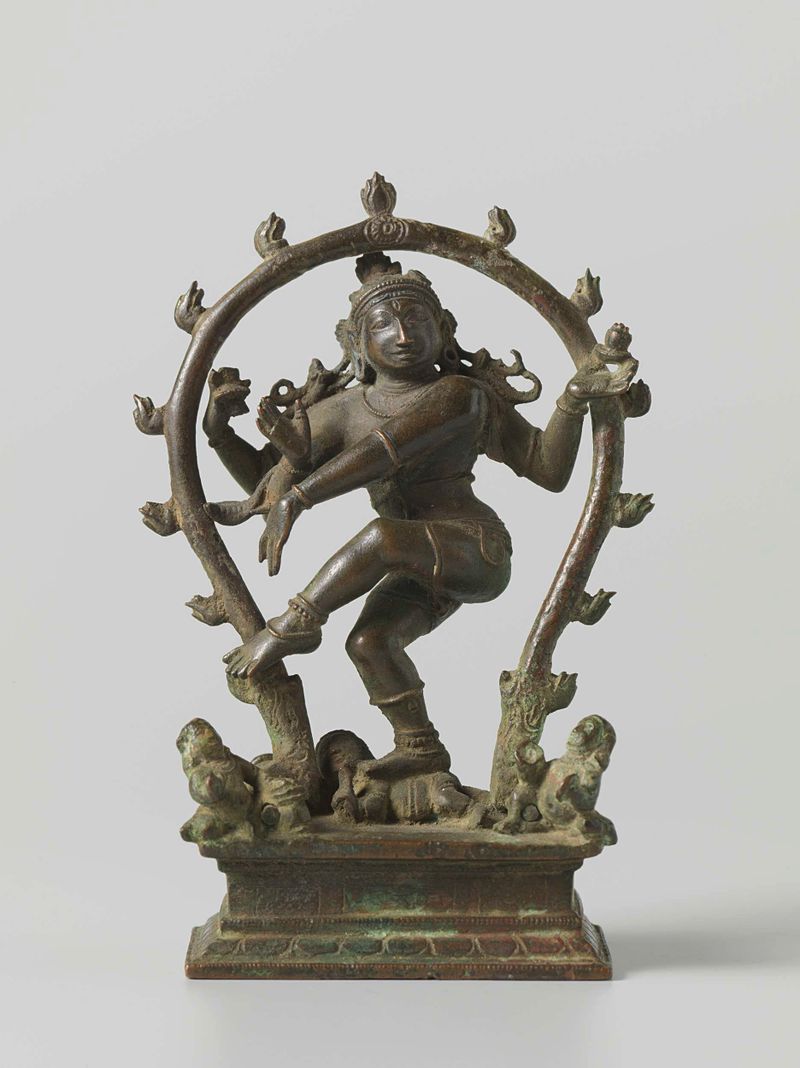
Shiva Nataraja
Unknown Artist

The Tale of Genji
Unknown Artist

The Tale of Genji
Unknown Artist

Cong
Unknown Artist
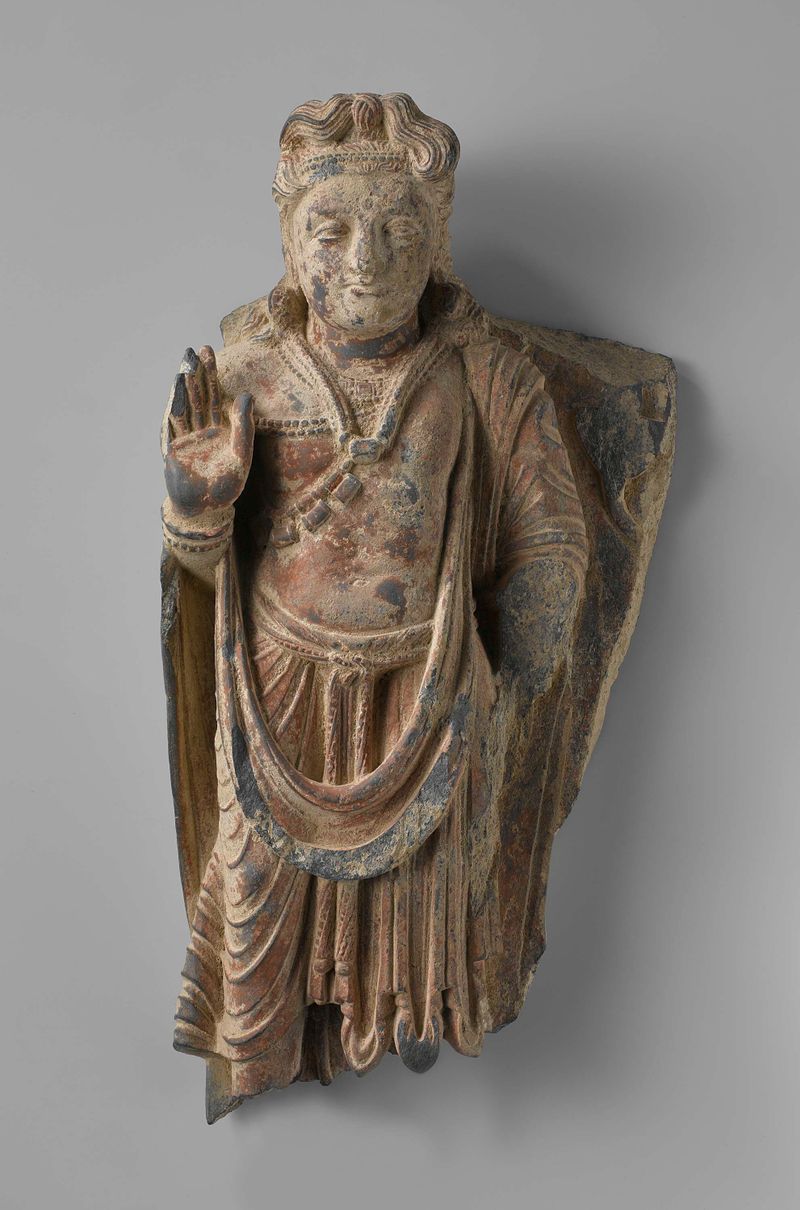
The bodhisattva Maitreya
Unknown Artist

Teabowl with a 'hare's fur' glaze
Unknown Artist