Jug with foliate scrolls — History & Facts
In the quiet embrace of time, objects hold stories that whisper hope, resonating with the viewer's spirit. Look closely at the jug's surface, where intricate foliate scrolls dance gracefully across the ceramic canvas. The earthy hues blend seamlessly, embodying warmth and vitality as they intertwine with the crisp white background. This juxtaposition of color not only highlights the craftsmanship of the piece but also invites you to trace the elegant curves and detailed patterns that seem to breathe life into the inanimate. As you delve deeper, notice how the scrolls evoke both nature’s gentle embrace and the artistry of human hands.
Each twist and turn of the design conveys a sense of continuity, symbolizing the resilience of life even in simplicity. The delicate interplay between light and shadow on the jug's surface suggests layers of history, echoing the enduring hope that persists through generations—an unbroken thread connecting the past to the present. Created between 1680 and 1780, this jug stands as a testament to an era of flourishing craftsmanship, where artisans poured their souls into everyday objects. During this period, European art was experiencing a shift toward personal expression and intricate design, a reflection of the broader social changes.
Although the artist remains unknown, their work reflects the collective aspiration for beauty and meaning that defined the age.
More Artworks by Unknown Artist
Browse all →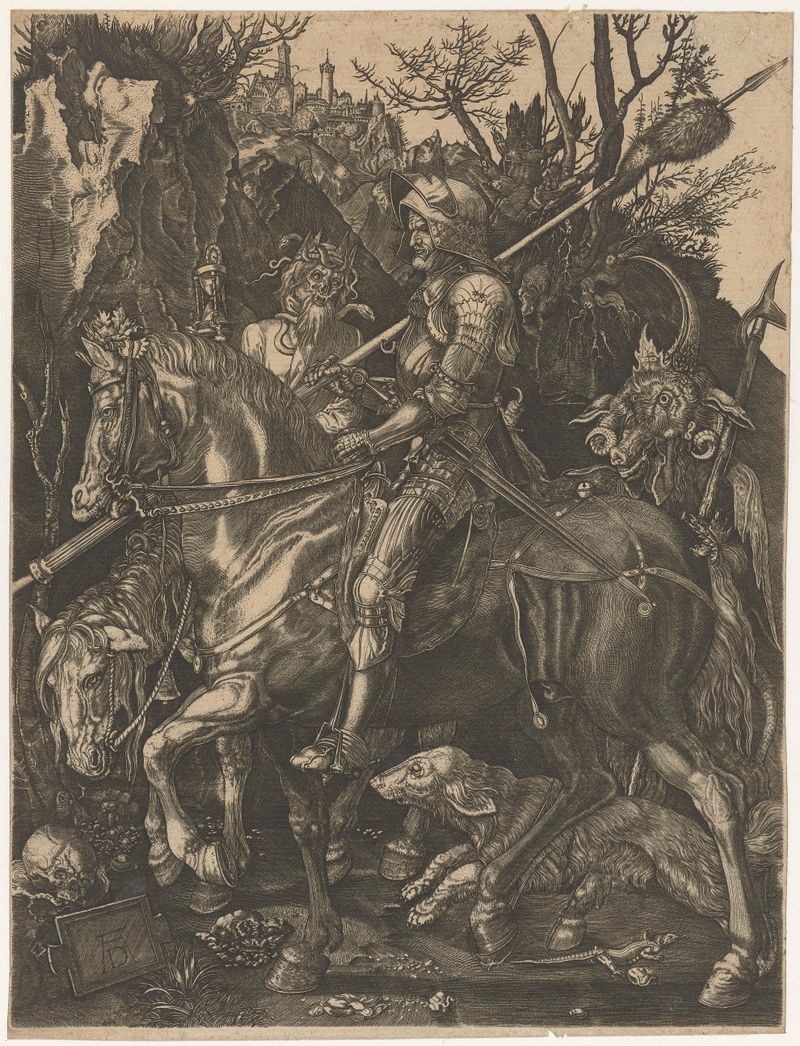
Ridder, Dood en Duivel
Unknown Artist
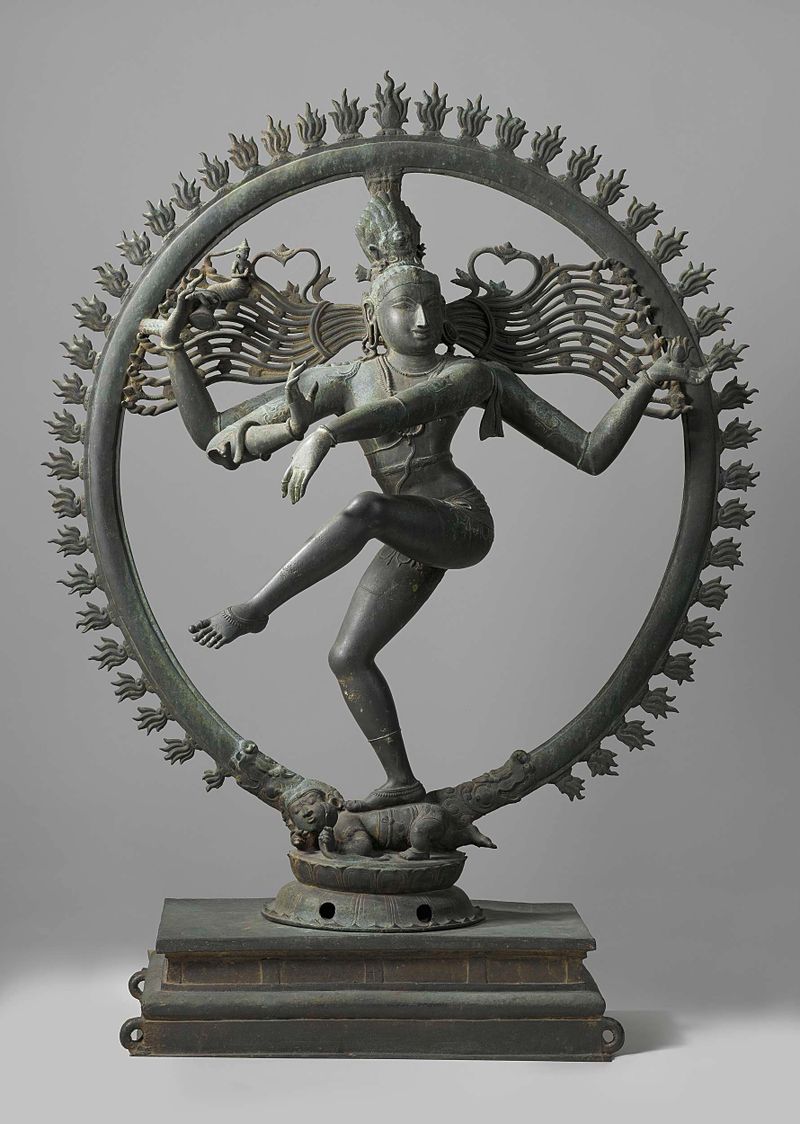
Shiva Nataraja
Unknown Artist
Portrait of Elizabeth I, Queen of England
Unknown Artist
Dolls’ house of Petronella Oortman
Unknown Artist
Shiva Nataraja
Unknown Artist

The Tale of Genji
Unknown Artist

The Tale of Genji
Unknown Artist
Cong
Unknown Artist
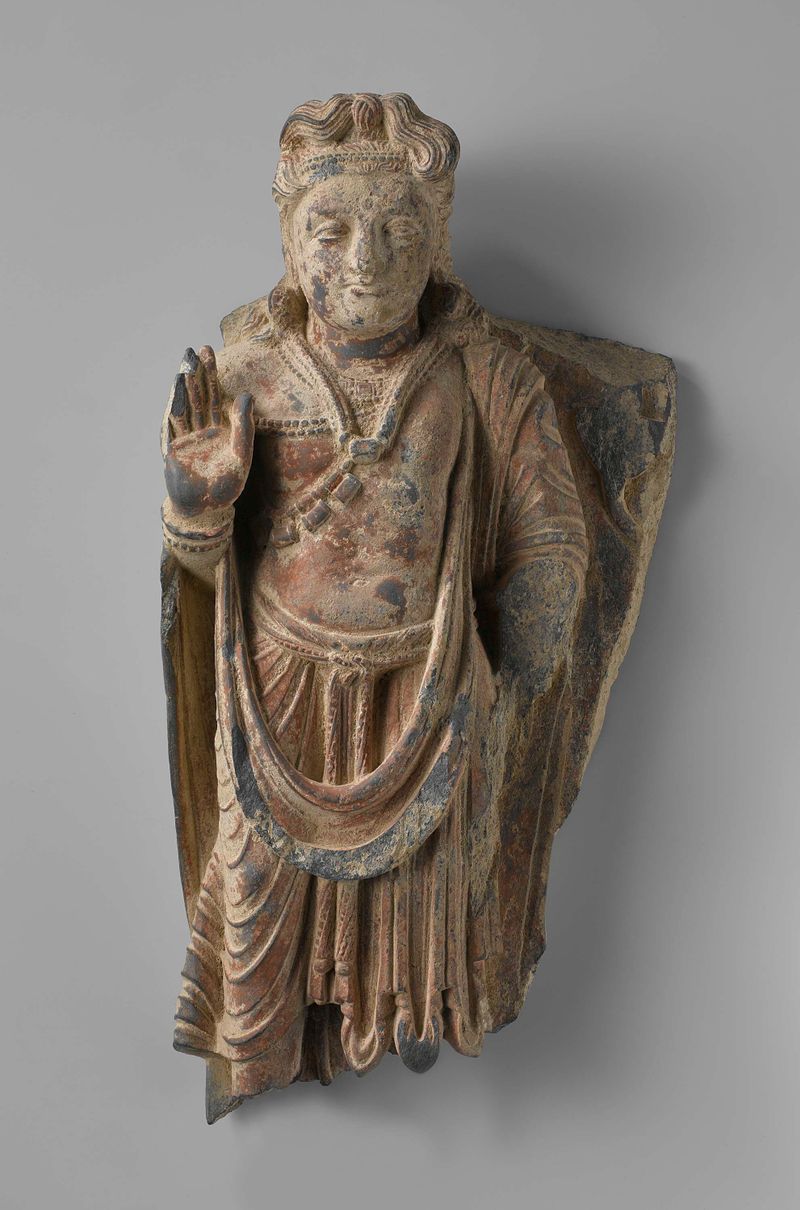
The bodhisattva Maitreya
Unknown Artist
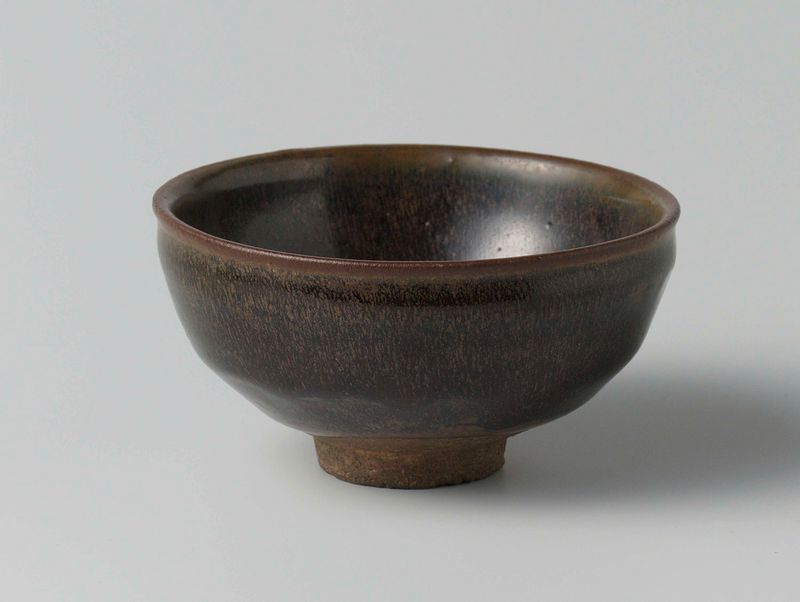
Teabowl with a 'hare's fur' glaze
Unknown Artist