Jug with rilling — History & Facts
Can beauty exist without sorrow? The grace of the jug speaks to a legacy forged through time, evoking a dialogue between fragility and permanence. Look to the smooth surface of the vessel, where soft, undulating lines are carved with meticulous care. The light dances across its form, revealing subtle variations in hue that hint at both the skill of the maker and the passage of years. Notice how the rilling—a delicate pattern that spirals around its belly—draws the eye and imparts a sense of movement, as if the jug holds within it the whispers of untold stories. Within its simplicity lies a profound tension.
The rilling evokes the fluidity of life, the inevitability of change, while the solidity of the jug anchors it to the earth. One cannot help but feel that this object, though still, resonates with the burdens and joys of those who produced it. Each groove is a memory, each contour a testament to the hands that shaped it, reflecting the emotional weight of creation and history. This piece emerged in a period rich with artistic transformation, from around 1500 to 1530.
The artist, whose identity remains shrouded in mystery, crafted this jug during a time when Europe was experiencing significant cultural shifts, including the rise of Renaissance ideals. The focus on craftsmanship and beauty flourished amidst societal changes, yet the maker's anonymity leaves us contemplating the intersection of individual legacy and collective memory.
More Artworks by Unknown Artist
Browse all →
Ridder, Dood en Duivel
Unknown Artist
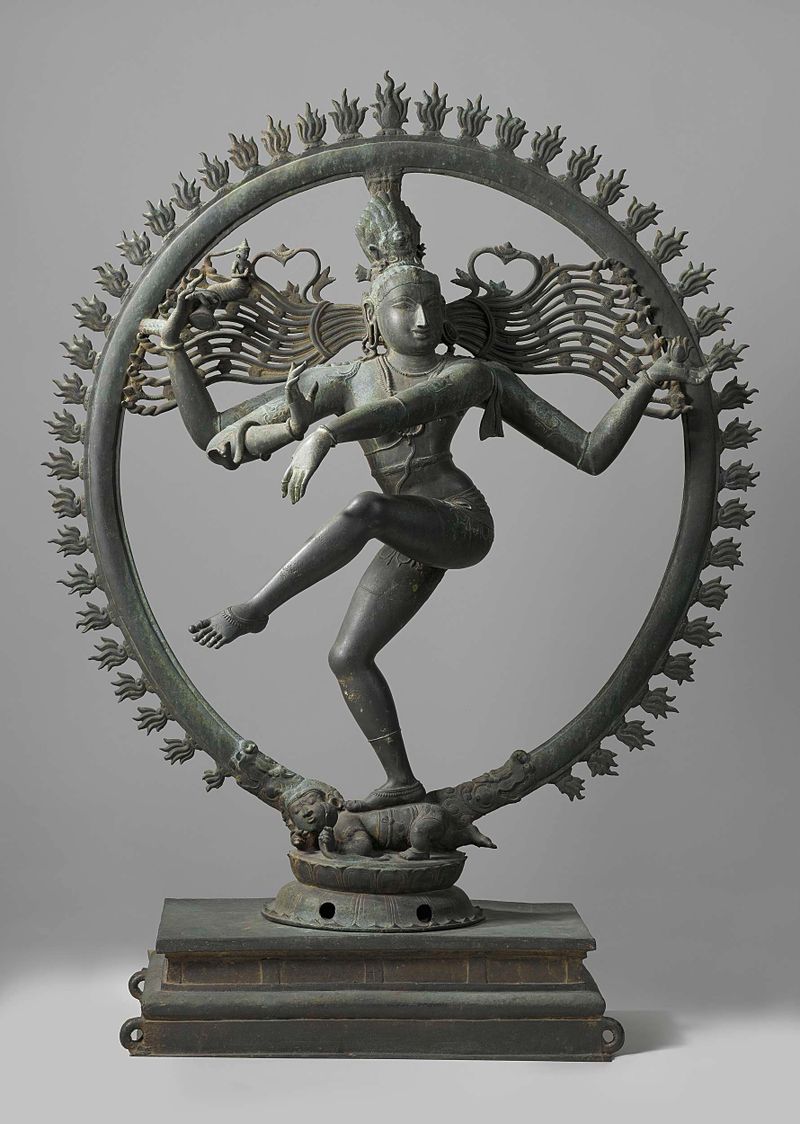
Shiva Nataraja
Unknown Artist
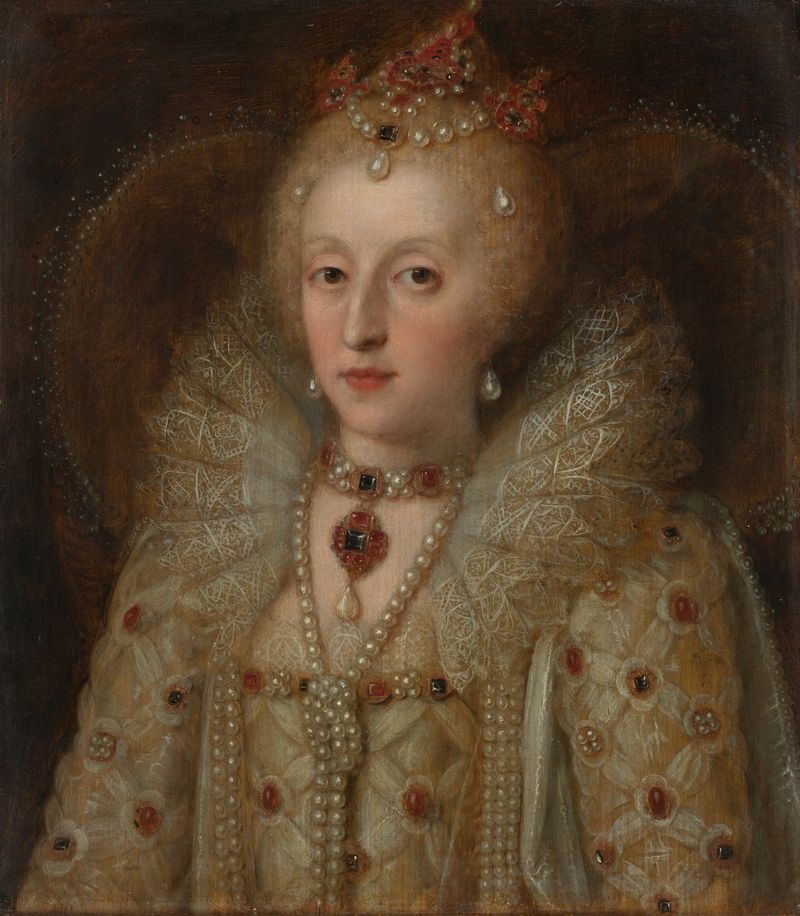
Portrait of Elizabeth I, Queen of England
Unknown Artist
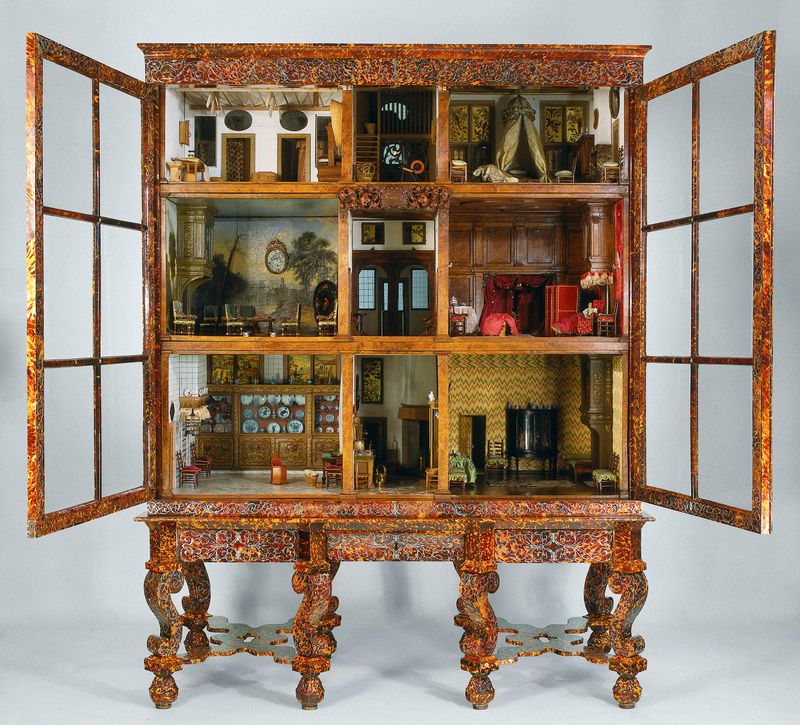
Dolls’ house of Petronella Oortman
Unknown Artist
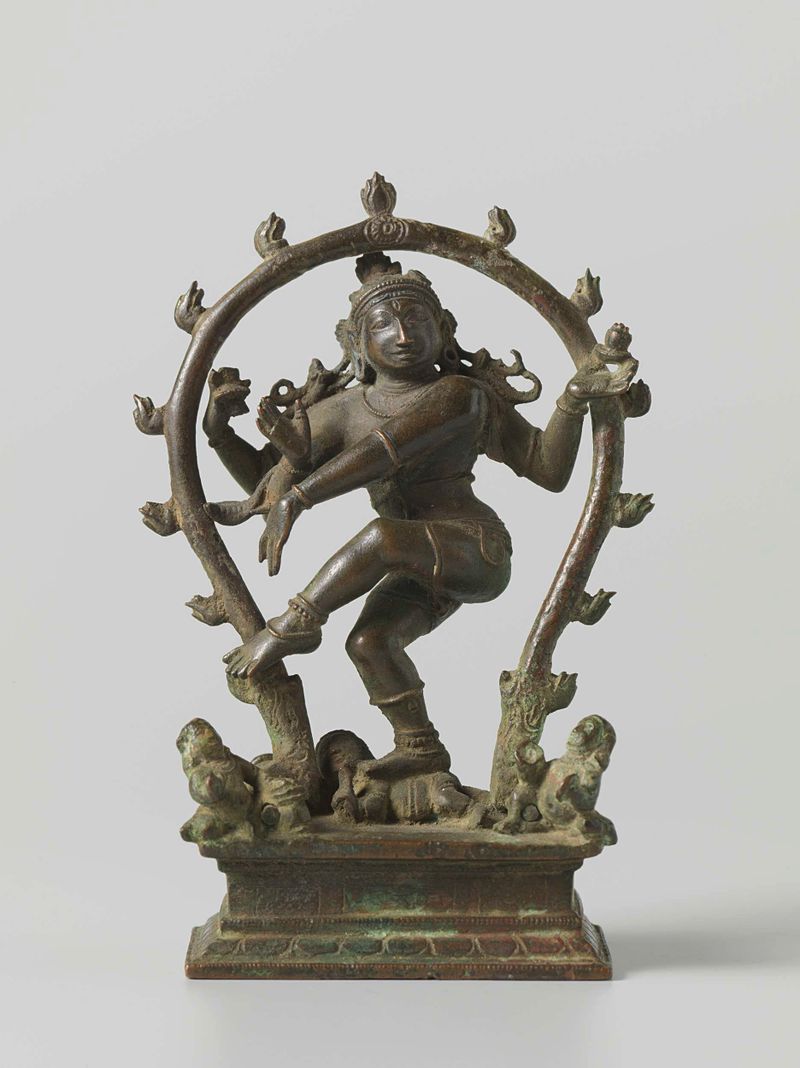
Shiva Nataraja
Unknown Artist

The Tale of Genji
Unknown Artist

The Tale of Genji
Unknown Artist

Cong
Unknown Artist
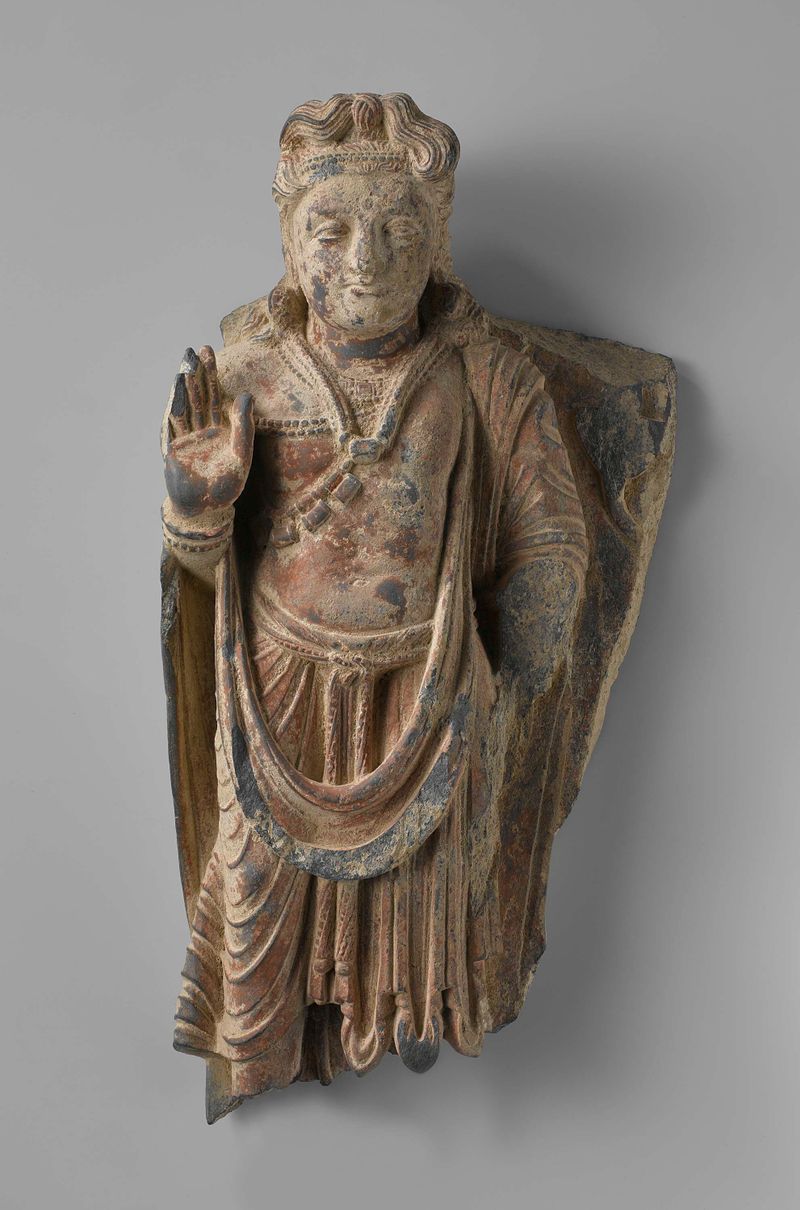
The bodhisattva Maitreya
Unknown Artist

Teabowl with a 'hare's fur' glaze
Unknown Artist