Jug with rilling — History & Facts
In a world that constantly slips through our fingers, the allure of a single, serene vessel invites us to pause, reflect, and yearn. Look closely at the jug, its surface adorned with delicate rilling that catches the light. The intricate patterns dance like whispers of long-forgotten stories, inviting your gaze to explore the subtle play of shadow and illumination. The rich, earthy tones ground the piece, evoking a sense of connection to both the artist's world and our own.
The jug, though still, seems to pulse with life, its curves soft yet purposeful, drawing you into its quiet narrative. Beneath the surface, one senses the tension between permanence and transience. The rilling not only serves an aesthetic purpose but also symbolizes the passage of time, a visual reminder of the layers of history that shape our existence. Each groove tells a story, echoing the yearning for connection and the inevitability of change, as if the jug holds within it the memories of past generations.
The juxtaposition of its craftsmanship against the passage of time reflects a deep emotional complexity—a longing for continuity amidst impermanence. Created in the early 16th century, this piece stands as a testament to the craftsmanship of an unknown artist during a time of great transition in Europe. Amidst the Renaissance, when art blossomed in new forms, this jug captures the essence of both function and beauty, showcasing the skill and creativity of its maker while reflecting broader cultural shifts in artistry and daily life.
More Artworks by Unknown Artist
Browse all →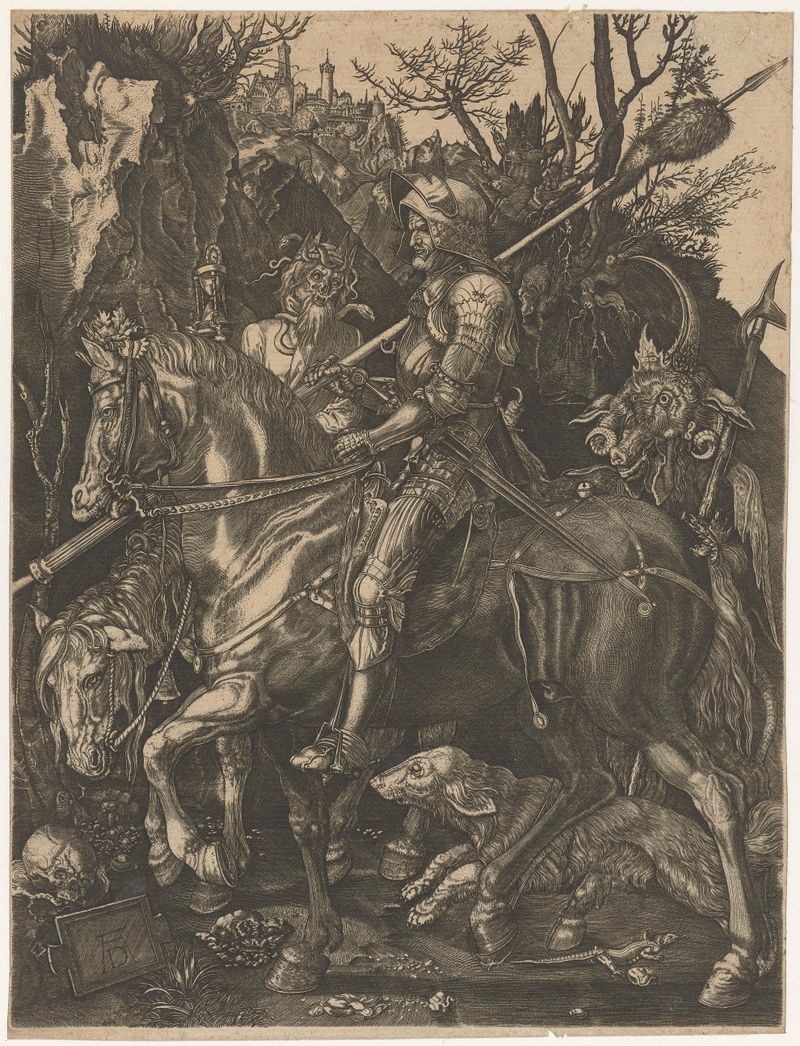
Ridder, Dood en Duivel
Unknown Artist
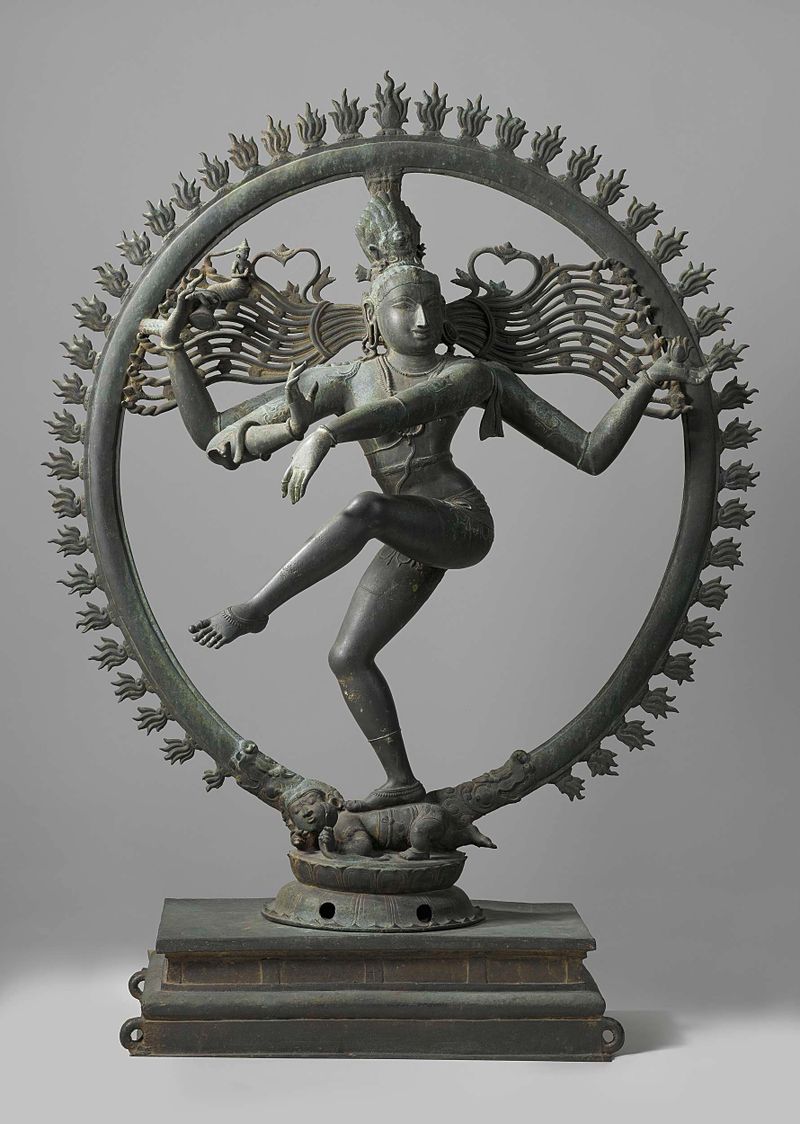
Shiva Nataraja
Unknown Artist
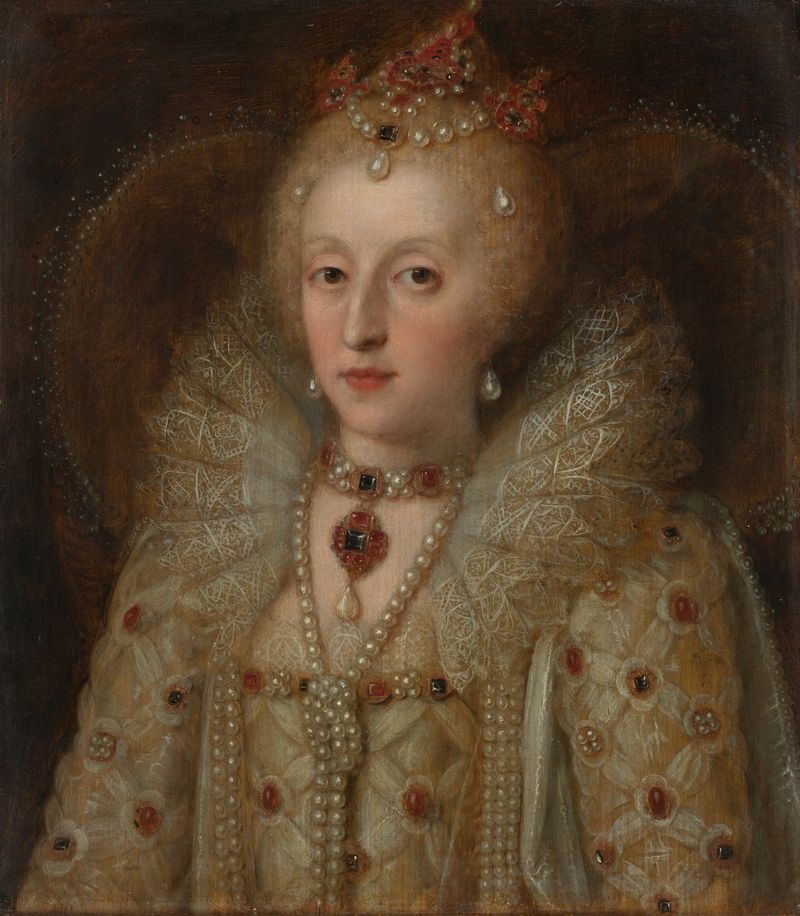
Portrait of Elizabeth I, Queen of England
Unknown Artist
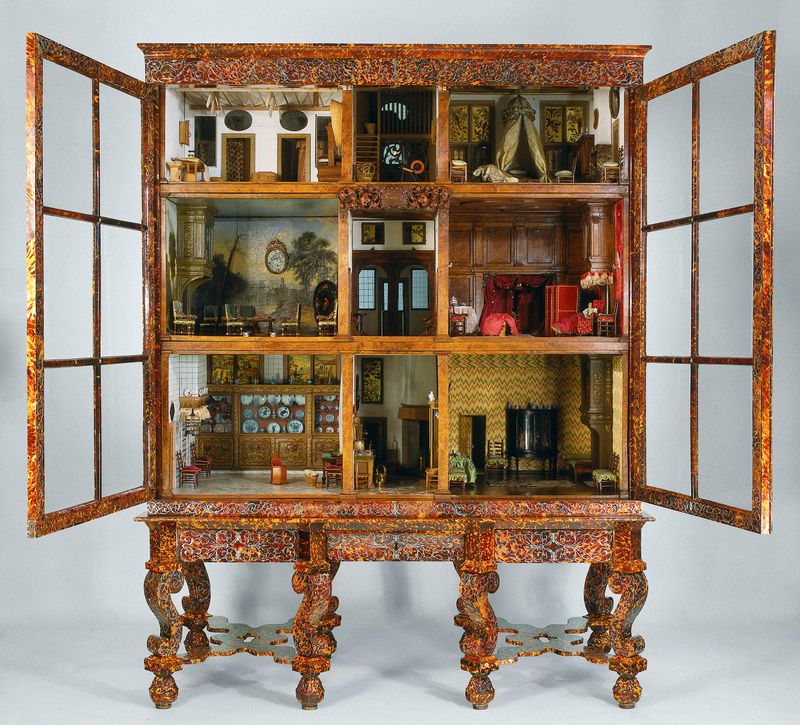
Dolls’ house of Petronella Oortman
Unknown Artist
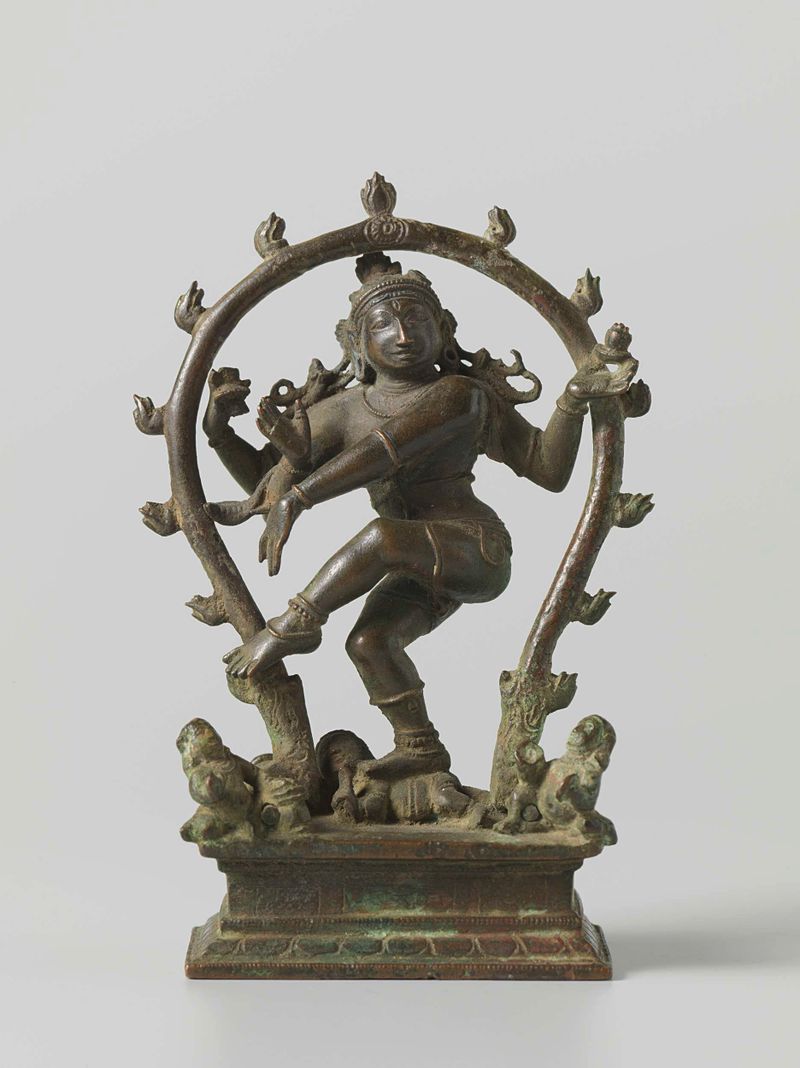
Shiva Nataraja
Unknown Artist

The Tale of Genji
Unknown Artist

The Tale of Genji
Unknown Artist

Cong
Unknown Artist
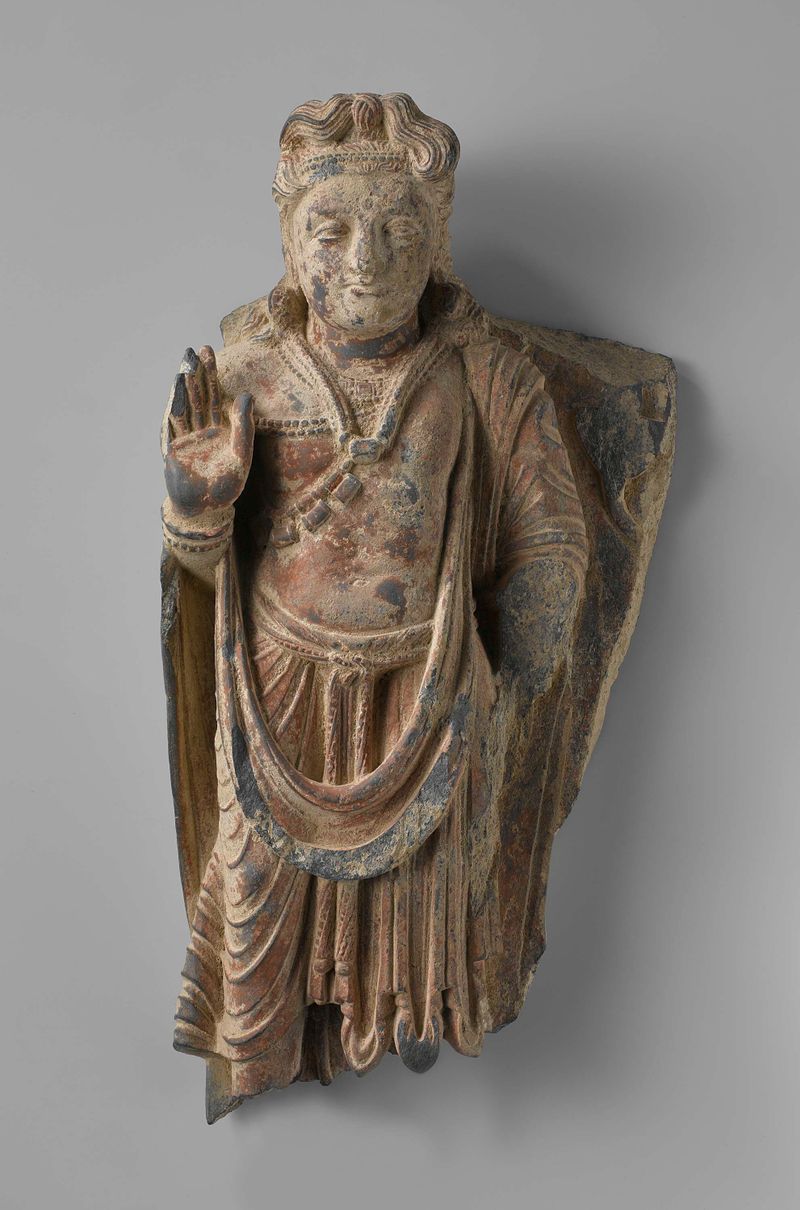
The bodhisattva Maitreya
Unknown Artist

Teabowl with a 'hare's fur' glaze
Unknown Artist