
Jug with the Good Samaritan — History & Facts
What if beauty was never meant to be finished? This notion resonates deeply within the nuances of art, especially in pieces like this remarkable jug that marries form and narrative, inviting dialogue between the viewer and the subject it represents. Focus on the intricately painted scene that adorns the vessel. The central figure, embodying the Good Samaritan, lends a sense of compassion and warmth, while the swirling colors and naturalistic details draw the eye along the curves of the jug. Notice how the light dances across the glossy surface, illuminating the delicate brushwork and creating a play of shadow that breathes life into the clay.
Each angle reveals a new layer of depth, as if inviting the beholder to engage in a personal interpretation of its message. Within this artwork lies a tension between the sacred and the everyday. The Good Samaritan, a character steeped in moral duty, contrasts sharply with the mundane object of the jug, elevating the ordinary to the extraordinary. This juxtaposition not only speaks to the themes of compassion and humanity but also suggests a subtle critique of the societal norms of the time, hinting at a quiet revolution in thinking and belief.
The jug's utilitarian purpose now transformed into a vessel of storytelling underscores the power of art to challenge conventions. This piece emerged in a period when pottery served both functional and decorative purposes, likely crafted between 1600 and 1649. During this time, European art was experiencing a shift towards realism and narrative depth, reflecting the burgeoning humanism that permeated the socio-political landscape. The artist, whose identity remains unknown, contributed to this evolution, leaving behind an artifact that resonates with timeless relevance in its exploration of moral themes and the transformative power of art.
More Artworks by Unknown Artist
Browse all →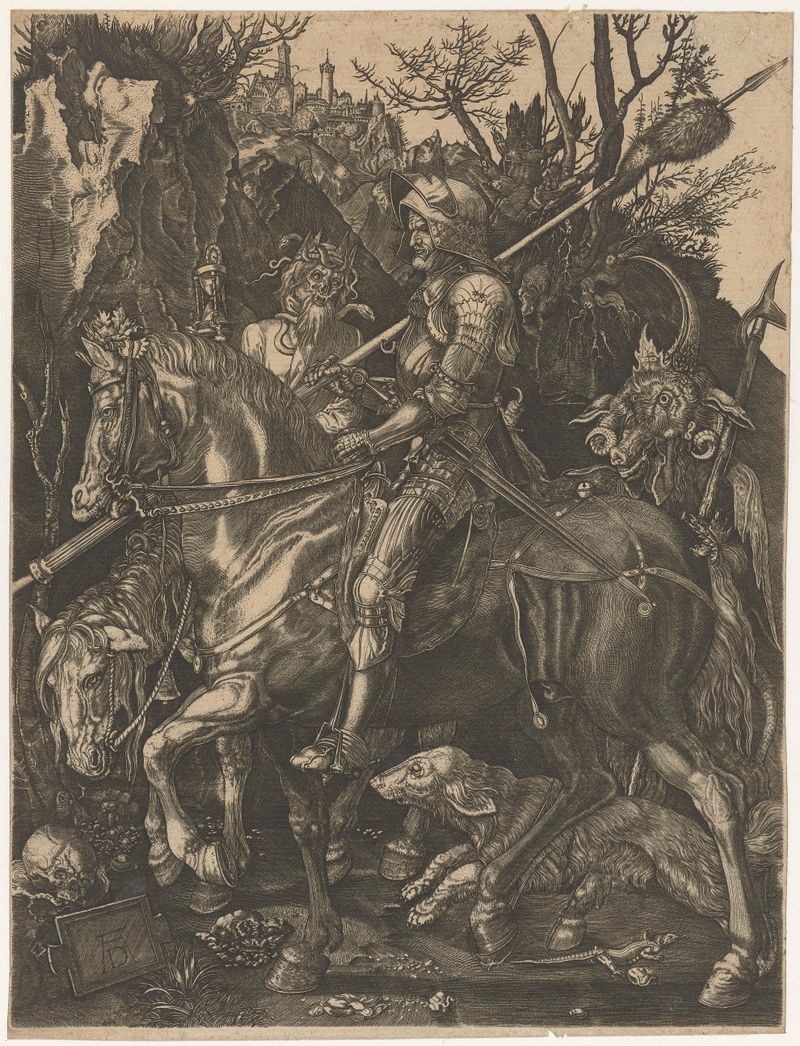
Ridder, Dood en Duivel
Unknown Artist
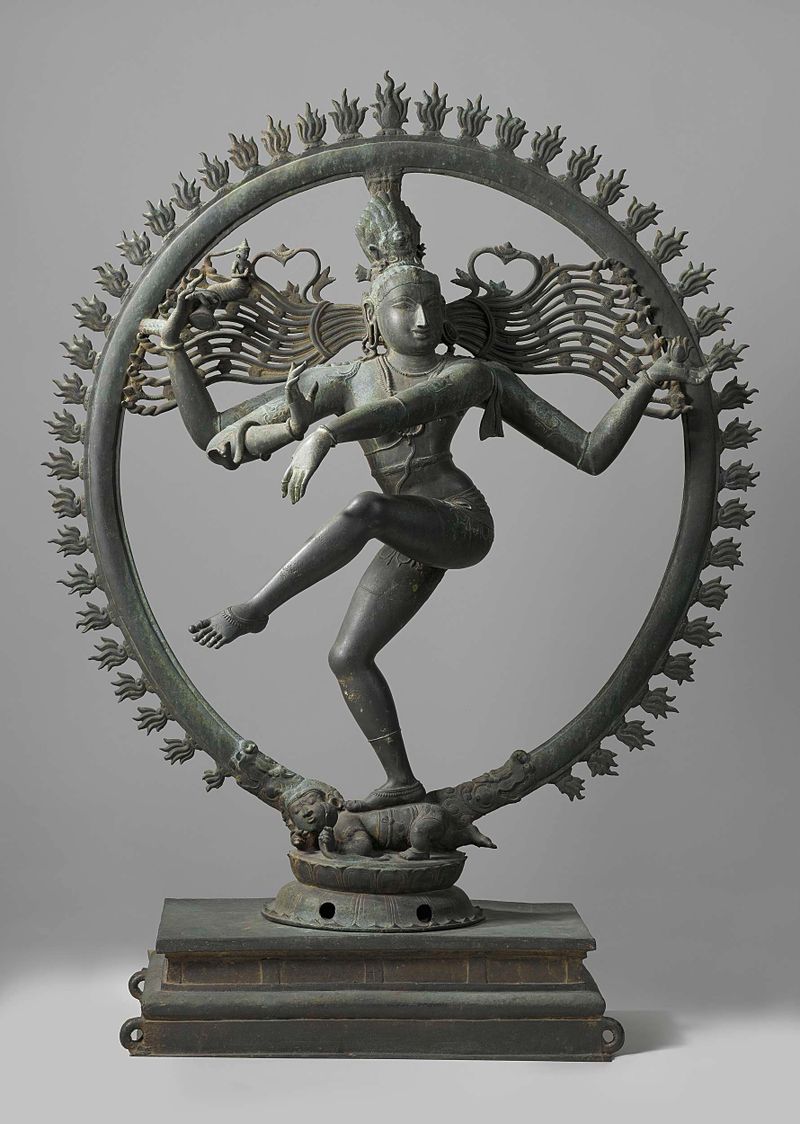
Shiva Nataraja
Unknown Artist
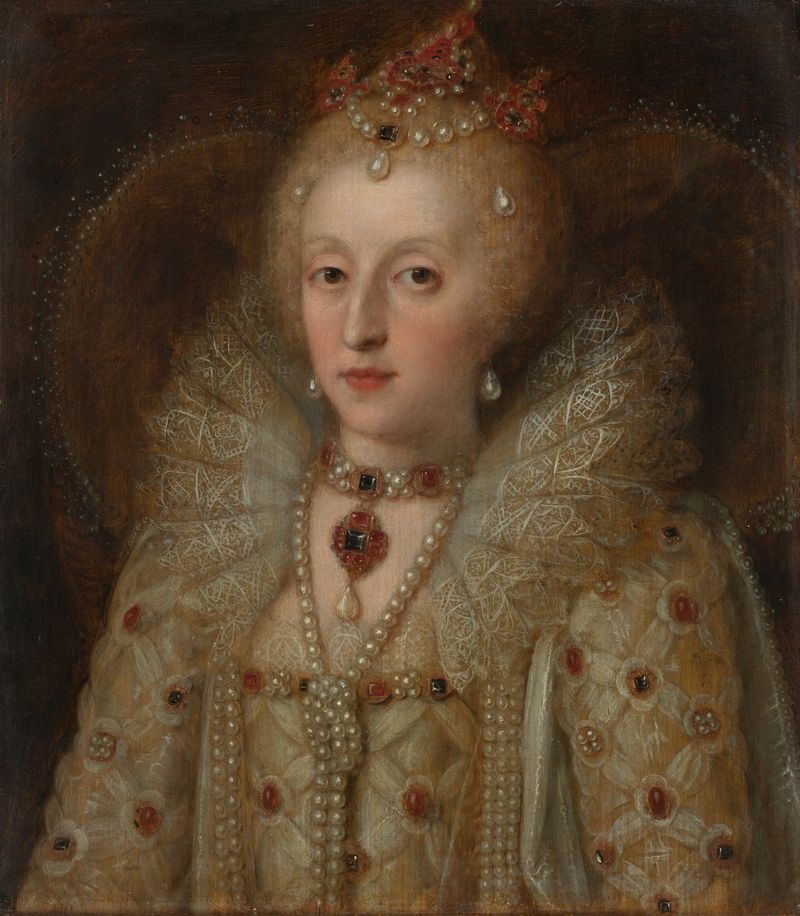
Portrait of Elizabeth I, Queen of England
Unknown Artist
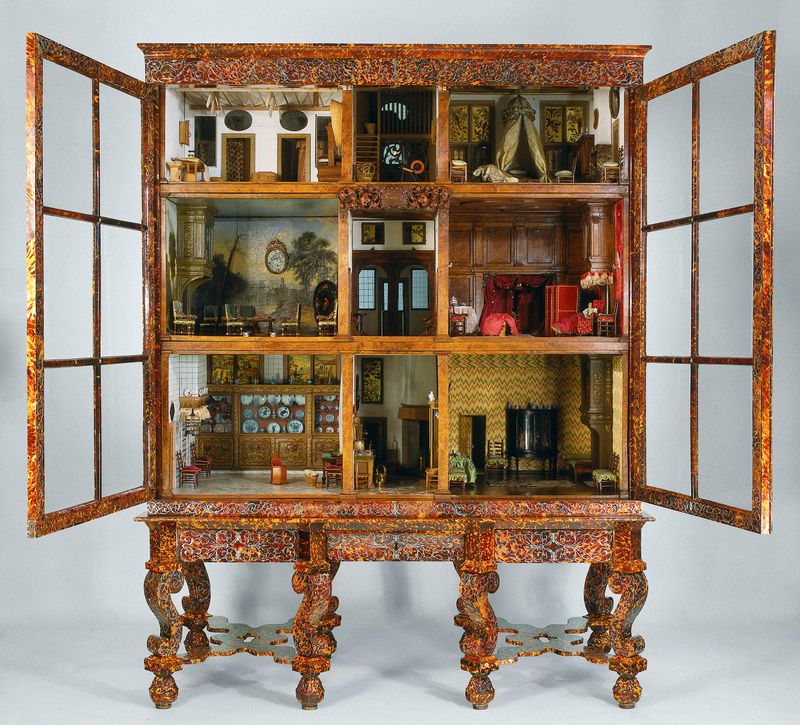
Dolls’ house of Petronella Oortman
Unknown Artist
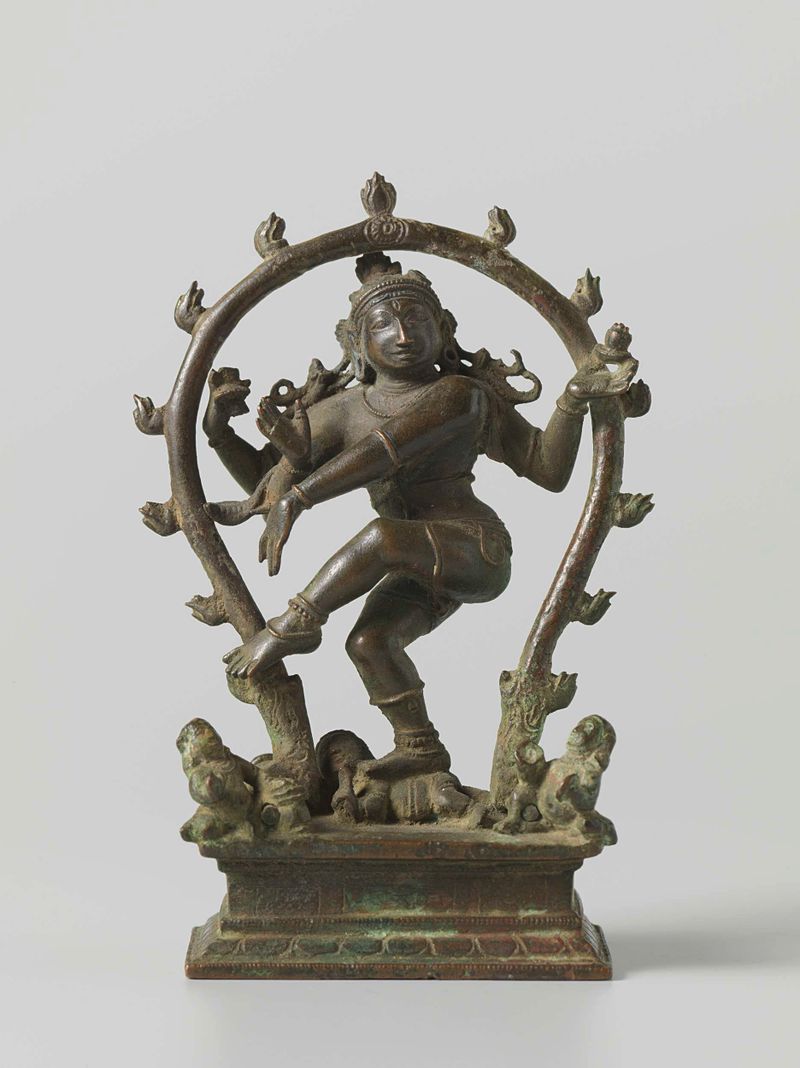
Shiva Nataraja
Unknown Artist

The Tale of Genji
Unknown Artist

The Tale of Genji
Unknown Artist
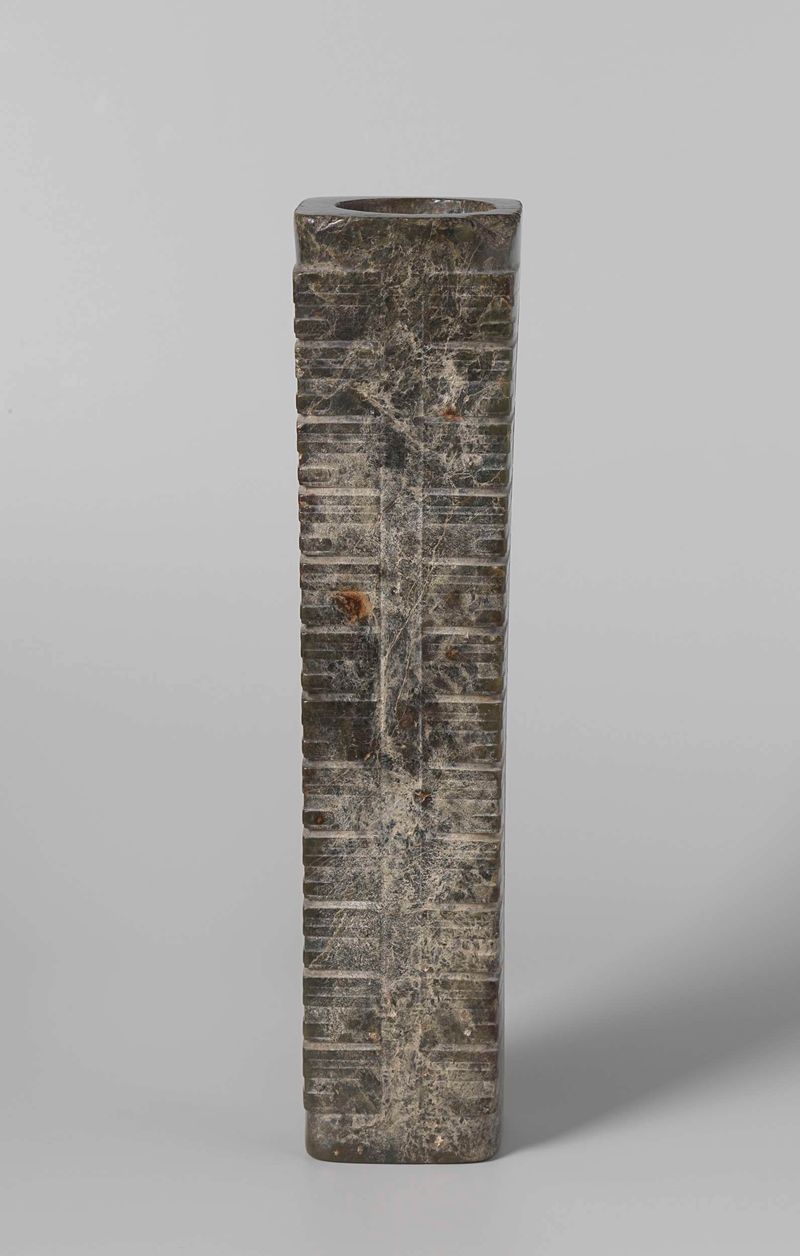
Cong
Unknown Artist
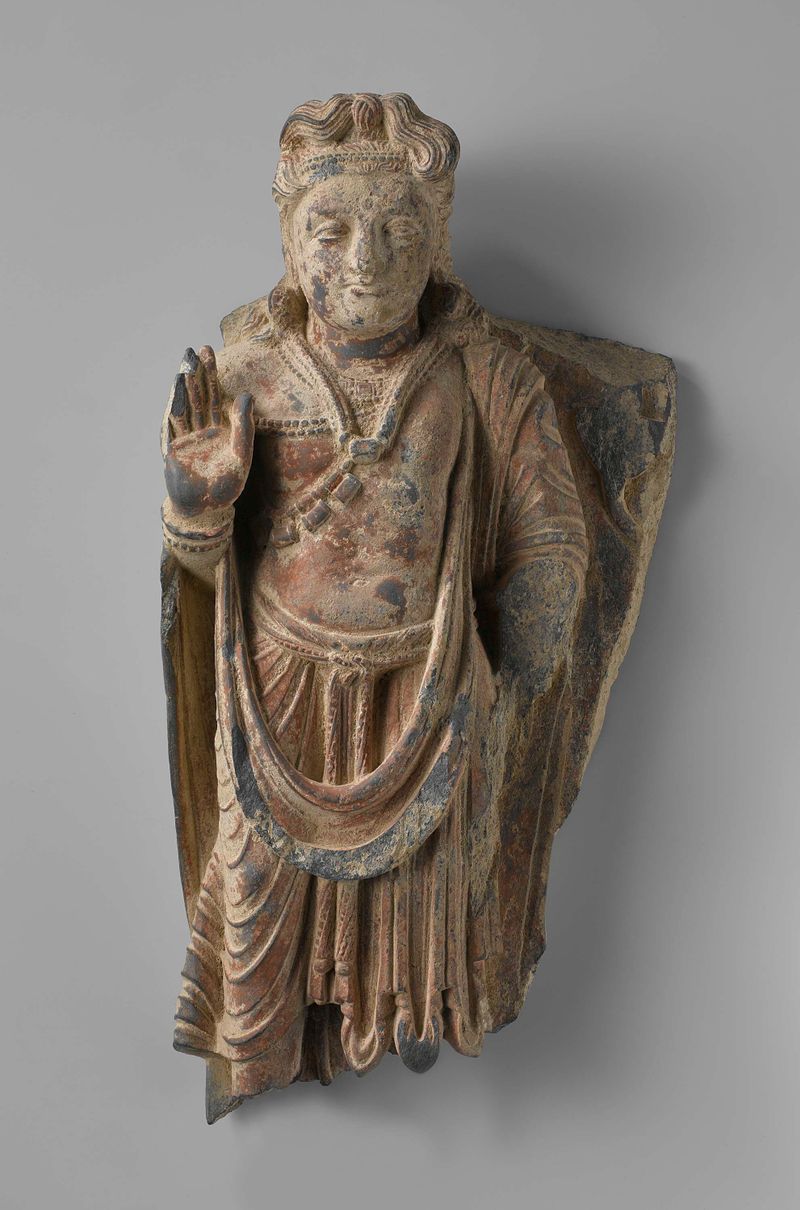
The bodhisattva Maitreya
Unknown Artist
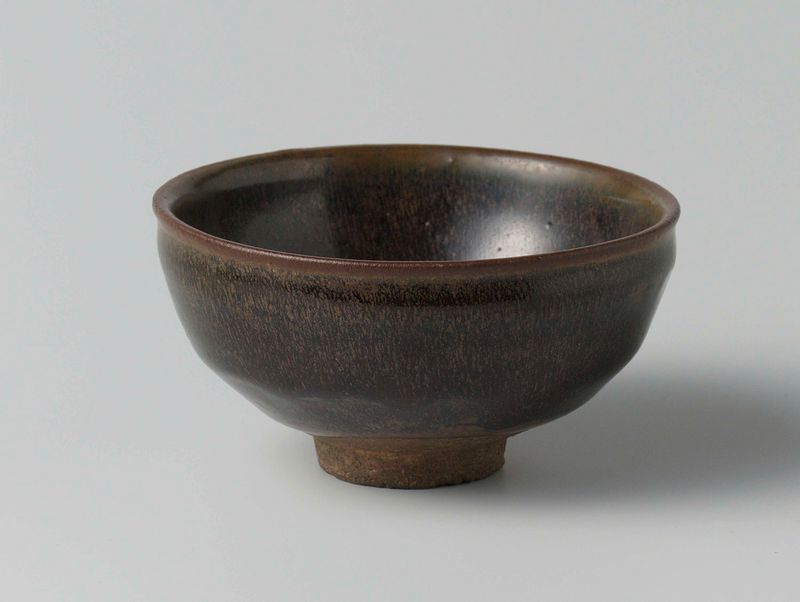
Teabowl with a 'hare's fur' glaze
Unknown Artist
More Religious Art
Browse all →
The Return of the Prodigal Son
Rembrandt van Rijn

The Garden of Earthly Delights
El Bosco

Count Orgaz’ funeral
El Greco

The Hundred Guilder Print: the central piece with Christ preaching, the plate arched
Rembrandt van Rijn

The Descent from the Cross
Rogier van der Weyden

The return of the prodigal son
Rembrandt van Rijn