
Jungfrau — History & Facts
Did the painter know this moment would outlive them? In Jungfrau, the viewer is invited to contemplate nature's majesty and the quiet hope that resides within its embrace. Look to the left, where a cascade of luminous white snow contrasts against the deep azure sky. The sharp peaks of the mountain rise with an indomitable grace, their rugged textures rendered through precise brushwork that captures both solidity and ethereality. Pay attention to how the light dances across the snow, creating glimmers that evoke an almost celestial presence, guiding one's gaze toward the peak's towering summit. Hidden within this serene landscape are the emotional undertones of aspiration and resilience.
The mountains, while imposing, symbolize the challenges faced in life, each summit a testament to perseverance. In the stillness of this scene, there’s an undercurrent of hope—the promise of reaching greater heights, both literally and metaphorically. The subtle interplay of shadow and light encapsulates the struggle and triumph that comes with striving for dreams, reminding us that beauty often exists in the journey. During the time this piece was created, Bleuler was navigating a period of artistic exploration characterized by a fascination with natural landscapes and the sublime.
Working in Switzerland, he witnessed the Romantic movement's influence, which called for a deeper connection to nature. This backdrop of cultural evolution and personal introspection informed his vision, allowing him to capture the essence of hope within a majestic yet humble setting.
More Artworks by Johann Heinrich Bleuler the Younger
Browse all →
Rigi, Kulm
Johann Heinrich Bleuler the Younger
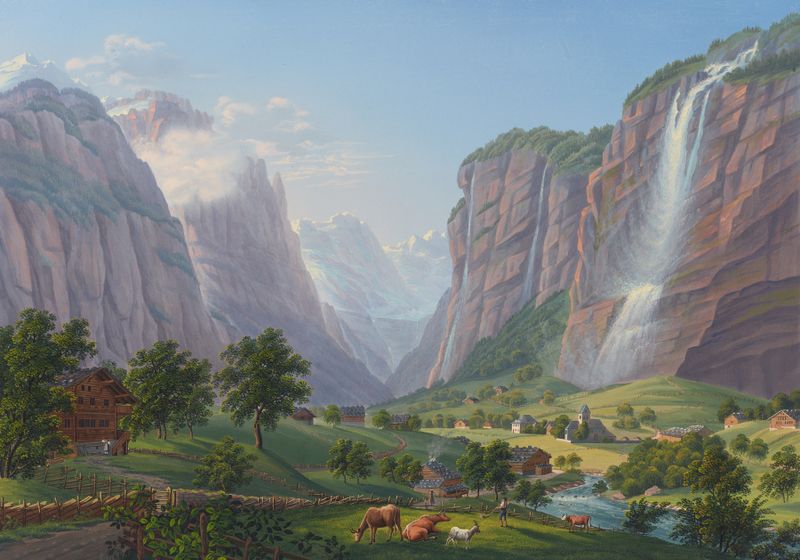
Der Staubbach im Lauterbrunnenthal
Johann Heinrich Bleuler the Younger
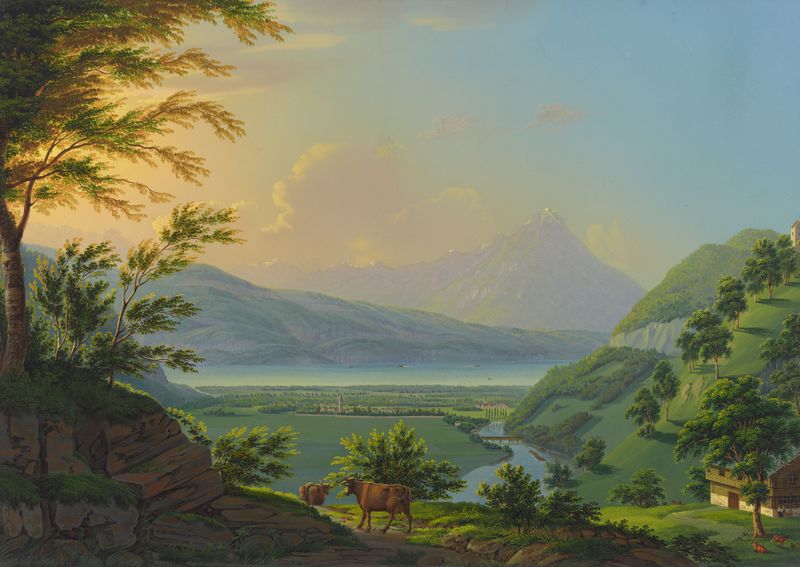
Aussicht bei Goldweil am Thunersee
Johann Heinrich Bleuler the Younger
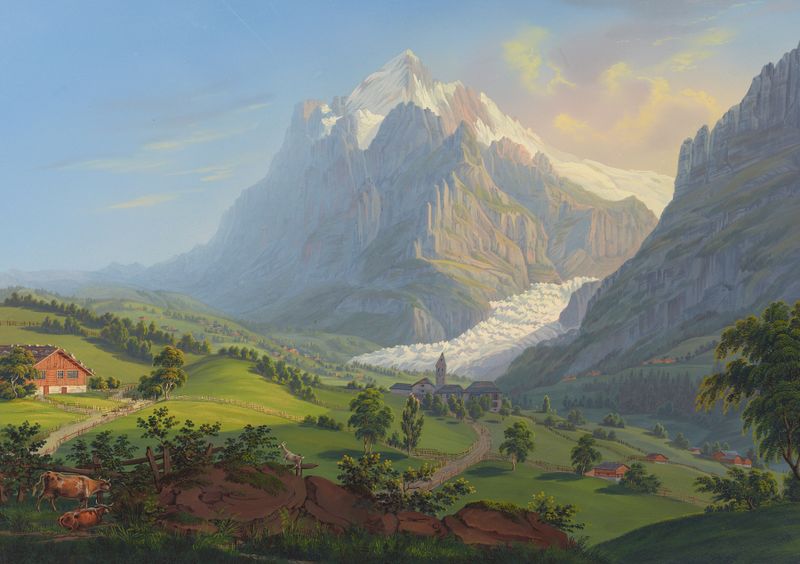
Das Wetterhorn im Grindelwald Canton Bern
Johann Heinrich Bleuler the Younger
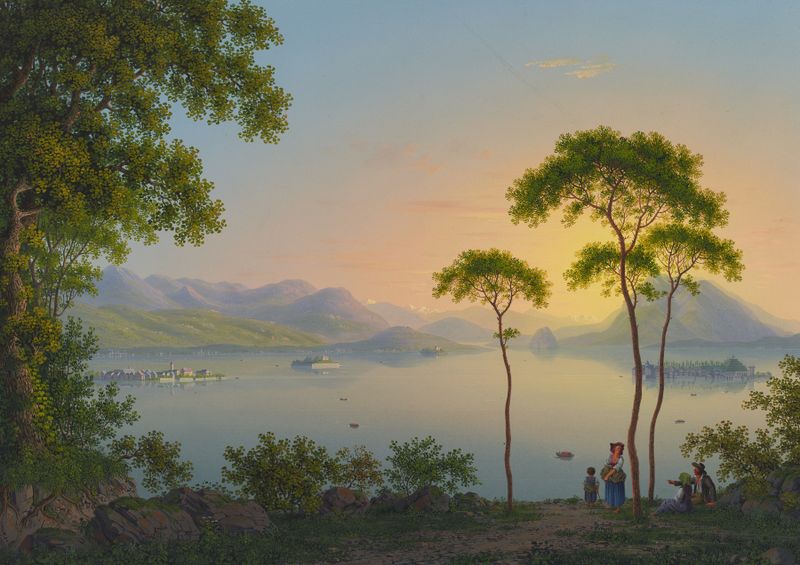
Die Boromäischen Inseln im Lago Maggiore
Johann Heinrich Bleuler the Younger
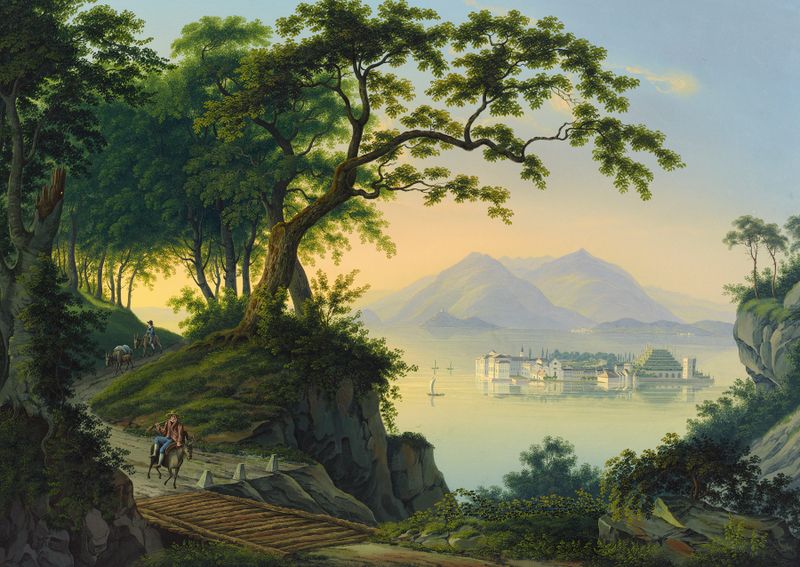
Isola Bella lago di Maggiore
Johann Heinrich Bleuler the Younger
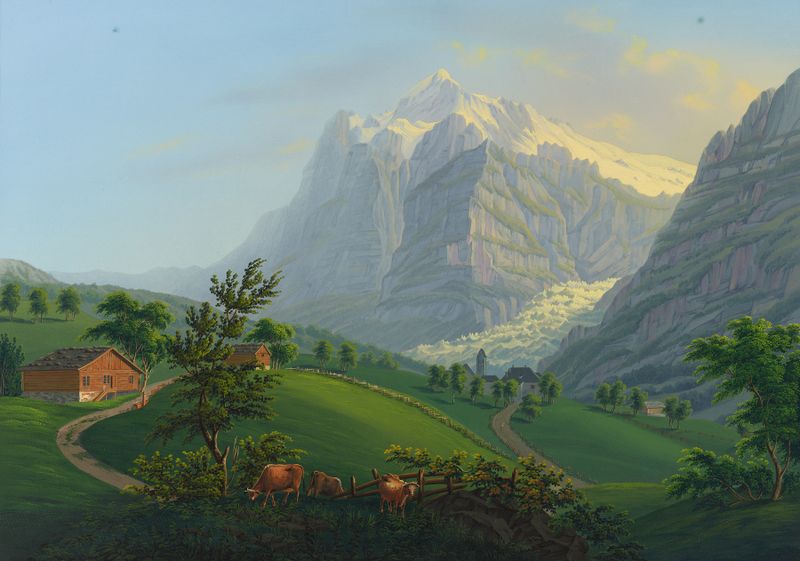
Das Wetterhorn im Grindelwald
Johann Heinrich Bleuler the Younger
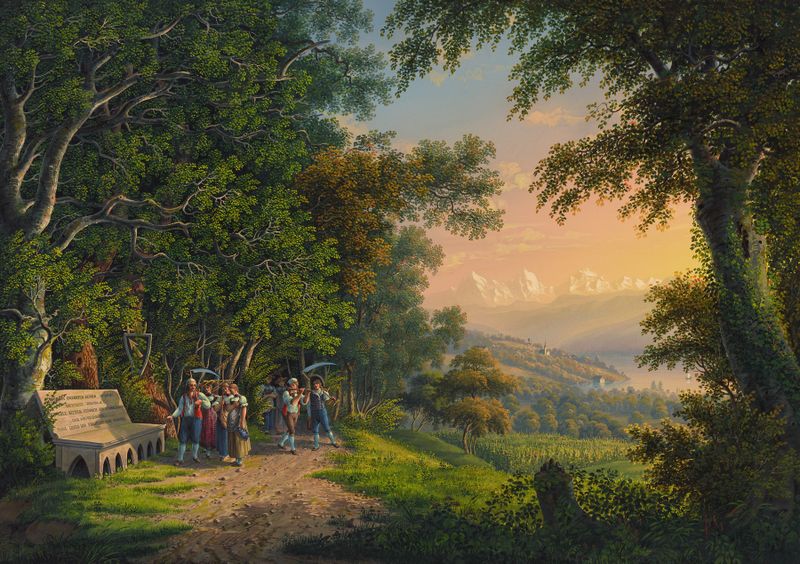
Aussicht bei Thun nach der Jungfrau
Johann Heinrich Bleuler the Younger

Grütli
Johann Heinrich Bleuler the Younger

Aufsicht vom Seelisberg über den Vierwaldstättersee
Johann Heinrich Bleuler the Younger





