
Kachelplaat met Adam en Eva — History & Facts
Did the painter know this moment would outlive them? In the quiet of their studio, they captured a tender yet haunting scene of Adam and Eve, perhaps mourning the weight of their choices and the loss of paradise. Focus your gaze on the intricate details of the figures. Notice how Eve's hand delicately grazes the forbidden fruit, her expression a mix of curiosity and sorrow. The subtle blues and earthy tones envelop them, anchoring this intimate moment against the backdrop of a celestial sky.
The meticulous craftsmanship of the tiles showcases not only skill but also an enduring narrative, drawing you into a world where every inch tells a story of desire and consequence. Hidden in the folds of their expressions lie layers of emotional tension. Adam's furrowed brow reflects the gravity of knowledge, while the entwined foliage around them signifies both temptation and entrapment. The contrast between their youthful beauty and the heavy implications of their choices creates a poignant dialogue about innocence lost.
This work invites viewers to ponder the grief that accompanies wisdom, echoing the timeless struggle between desire and duty. Crafted in 1610, this piece emerges from an era of profound religious and philosophical transformation. The artist, whose identity remains a mystery, was likely influenced by the Counter-Reformation and the burgeoning interest in humanism. During this time, art was a powerful medium for exploring complex themes of faith, morality, and the human experience, making this portrayal of Adam and Eve a resonant reflection on the fragility of existence and the weight of choice.
More Artworks by Unknown Artist
Browse all →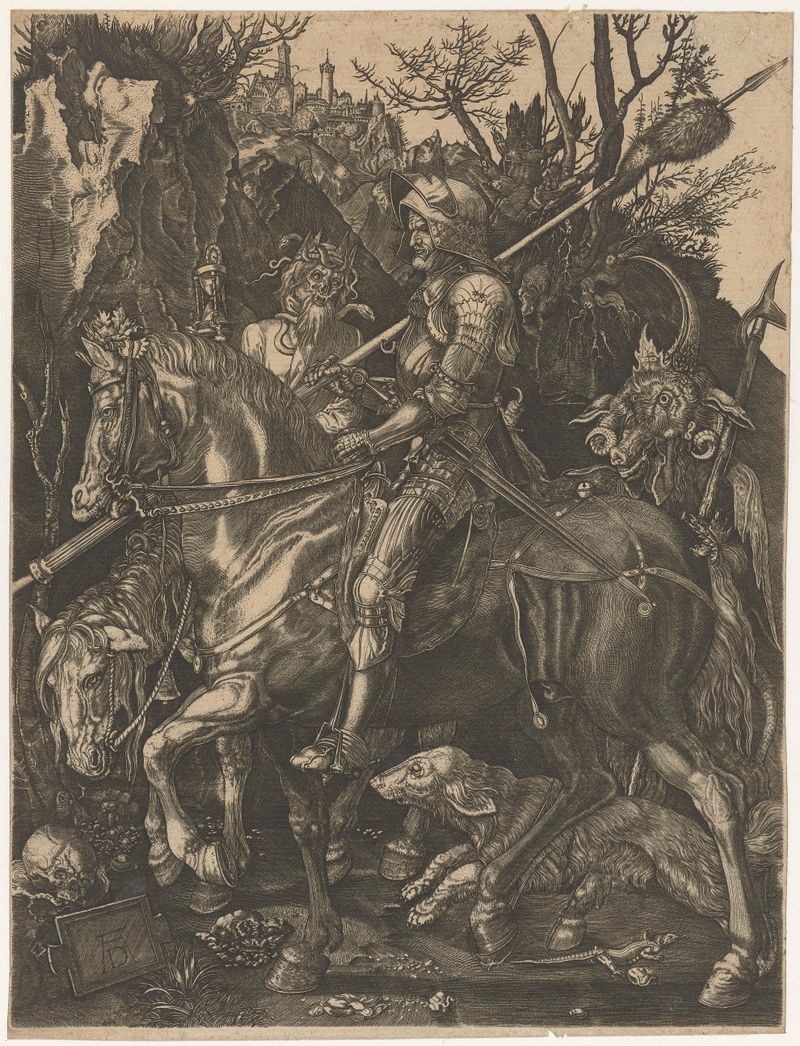
Ridder, Dood en Duivel
Unknown Artist
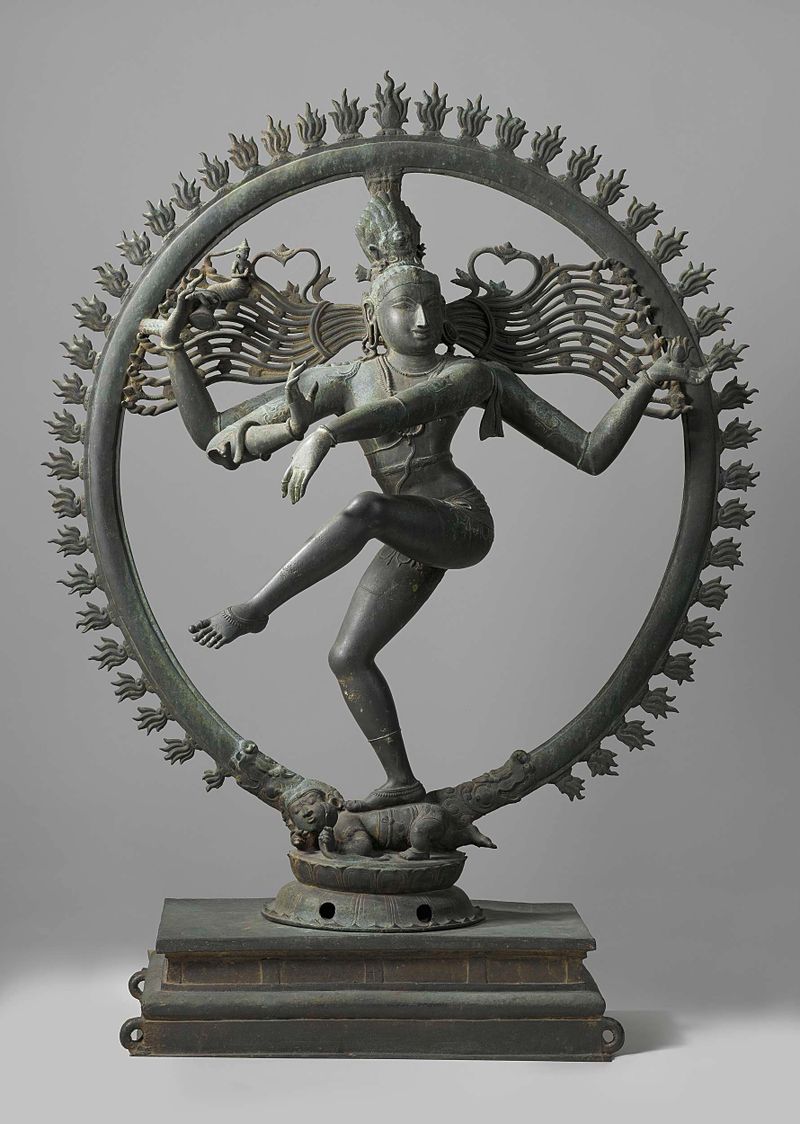
Shiva Nataraja
Unknown Artist
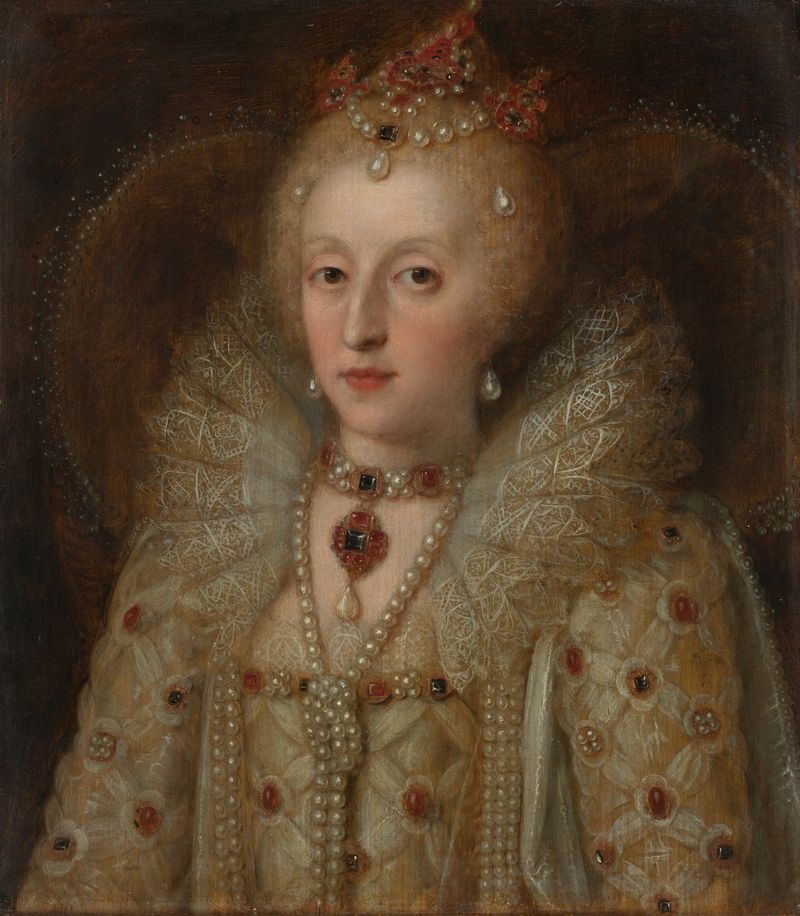
Portrait of Elizabeth I, Queen of England
Unknown Artist
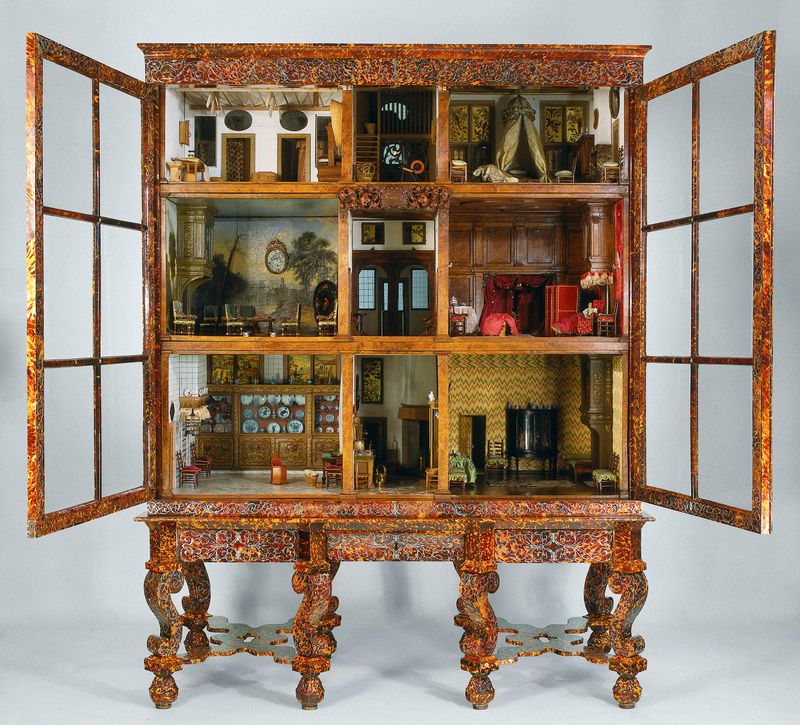
Dolls’ house of Petronella Oortman
Unknown Artist
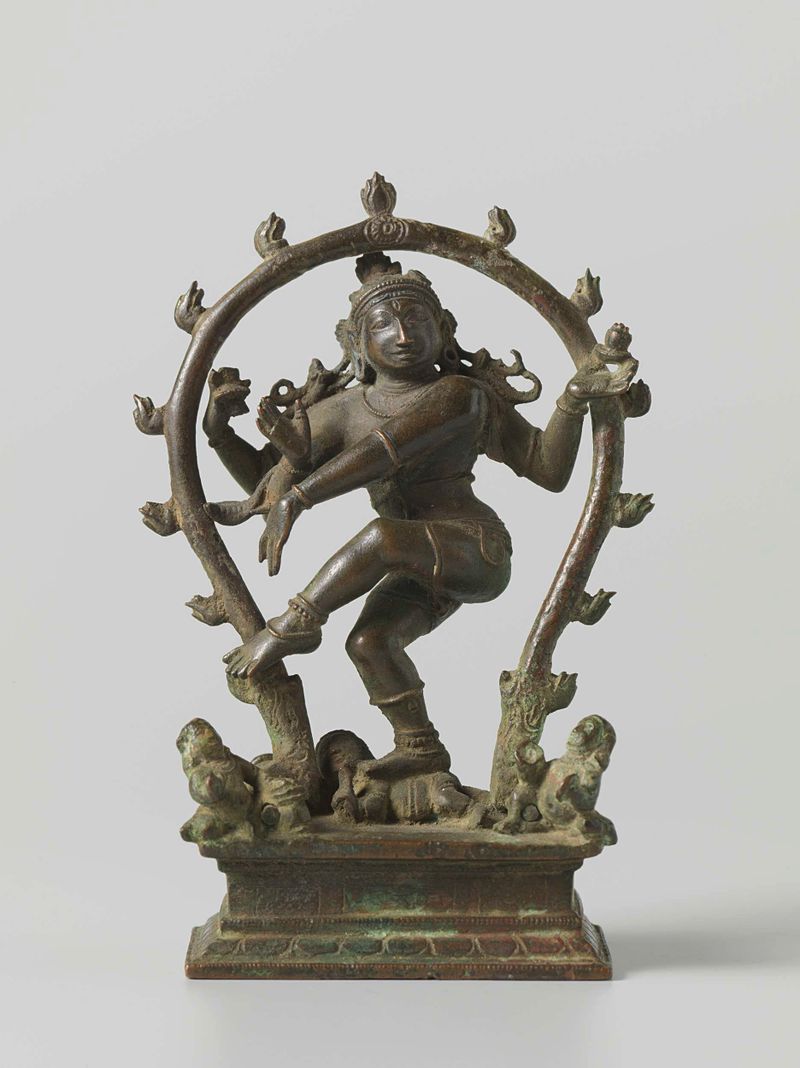
Shiva Nataraja
Unknown Artist

The Tale of Genji
Unknown Artist

The Tale of Genji
Unknown Artist
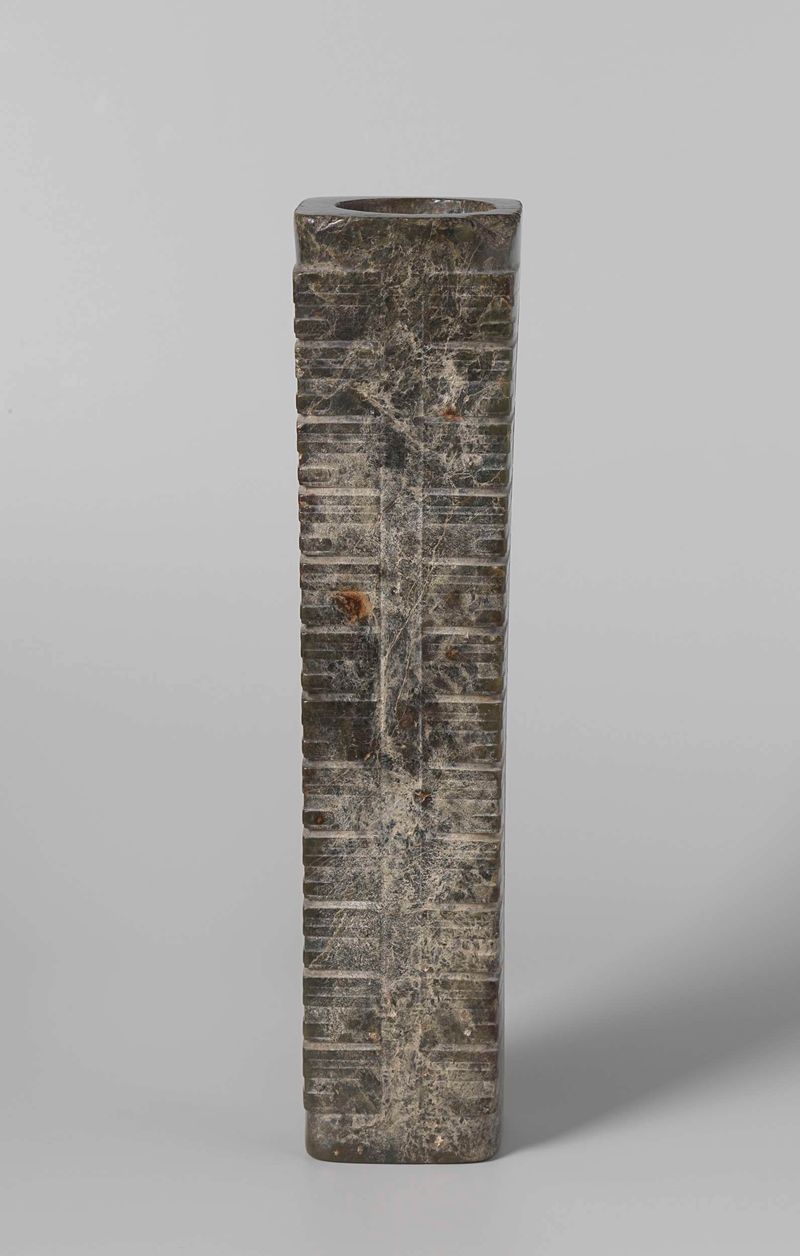
Cong
Unknown Artist
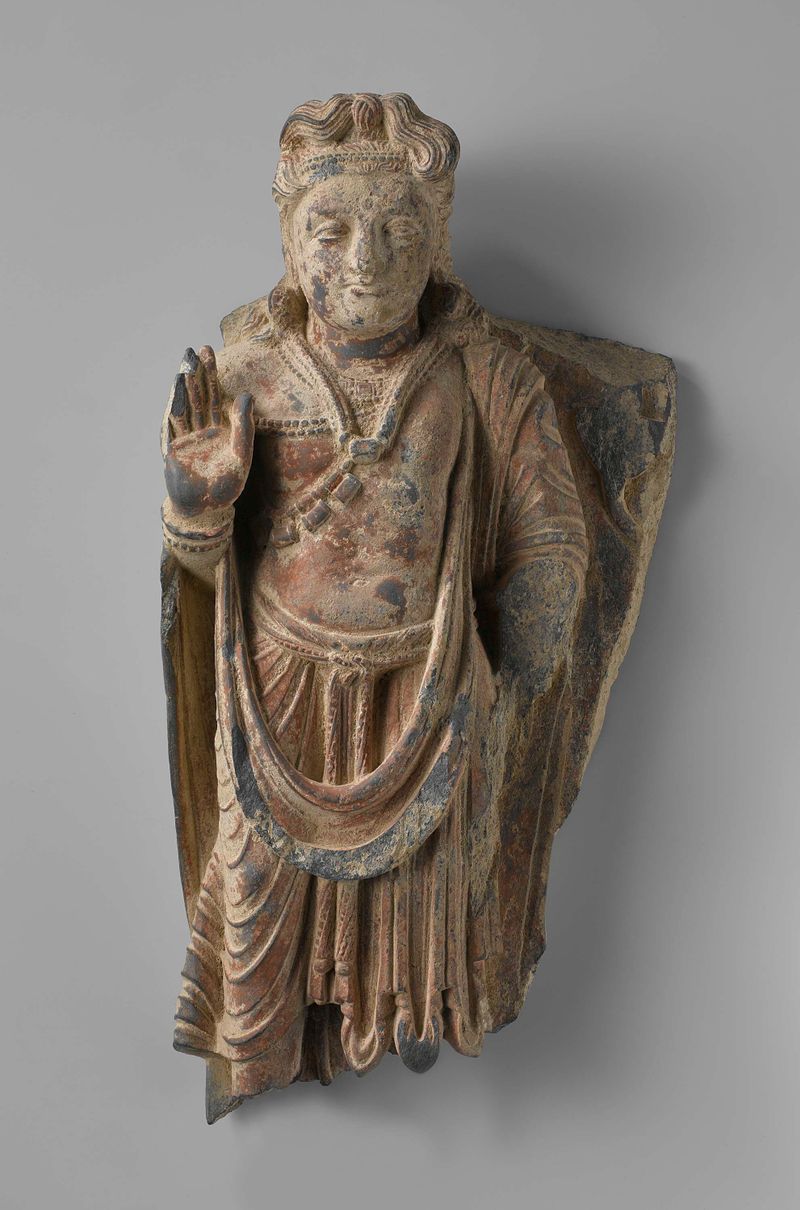
The bodhisattva Maitreya
Unknown Artist
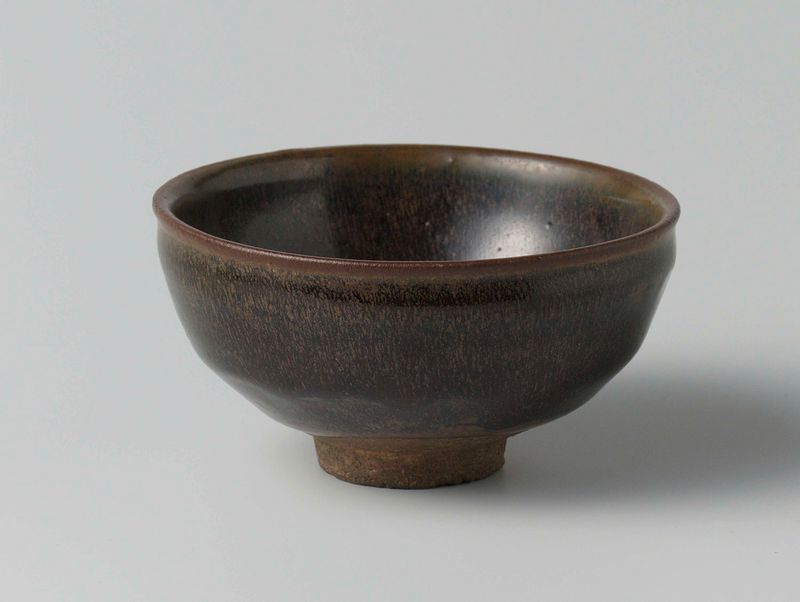
Teabowl with a 'hare's fur' glaze
Unknown Artist
More Religious Art
Browse all →
The Return of the Prodigal Son
Rembrandt van Rijn

The Garden of Earthly Delights
El Bosco

Count Orgaz’ funeral
El Greco

The Hundred Guilder Print: the central piece with Christ preaching, the plate arched
Rembrandt van Rijn

The Descent from the Cross
Rogier van der Weyden

The return of the prodigal son
Rembrandt van Rijn