
Kachelplaat met Christus en de Samaritaanse vrouw — History & Facts
Did the painter know this moment would outlive them? The quiet exchange between Christ and the Samaritan woman transcends time, echoing a yearning for connection that resonates through the ages. As you gaze upon the panel, look to the center where the figures emerge with palpable intensity. Notice how the light embraces their faces, illuminating the stark contrast between their garments and the humble surroundings. The deep blues and earthy tones weave a narrative of intimacy, drawing your eyes to the body language—Christ's outstretched hand a gesture of welcome, while the woman leans in, her expression a blend of curiosity and reverence. Hidden within this moment are layers of significance.
The well, a symbol of life and sustenance, sits between them, suggesting the barriers of culture and gender they simultaneously navigate and transcend. The delicate brushwork around the figures enhances the emotional tension—their solitude in a crowded moral landscape speaks to universal themes of acceptance and redemption. Each detail, from the draping of the woman’s shawl to the textures of the stone, offers a glimpse into their shared vulnerability and profound connection. Created between 1550 and 1600, this work emerges from a period of transformation in Europe, marked by the Reformation.
The artist, whose identity remains a mystery, reflects the era’s religious inquiries and the humanist drive to explore personal spirituality. Amidst the turmoil of faith and belief, this piece captures a moment of grace, reminding viewers that the essence of dialogue and understanding can bridge even the widest divides.
More Artworks by Unknown Artist
Browse all →
Ridder, Dood en Duivel
Unknown Artist
Shiva Nataraja
Unknown Artist
Portrait of Elizabeth I, Queen of England
Unknown Artist
Dolls’ house of Petronella Oortman
Unknown Artist
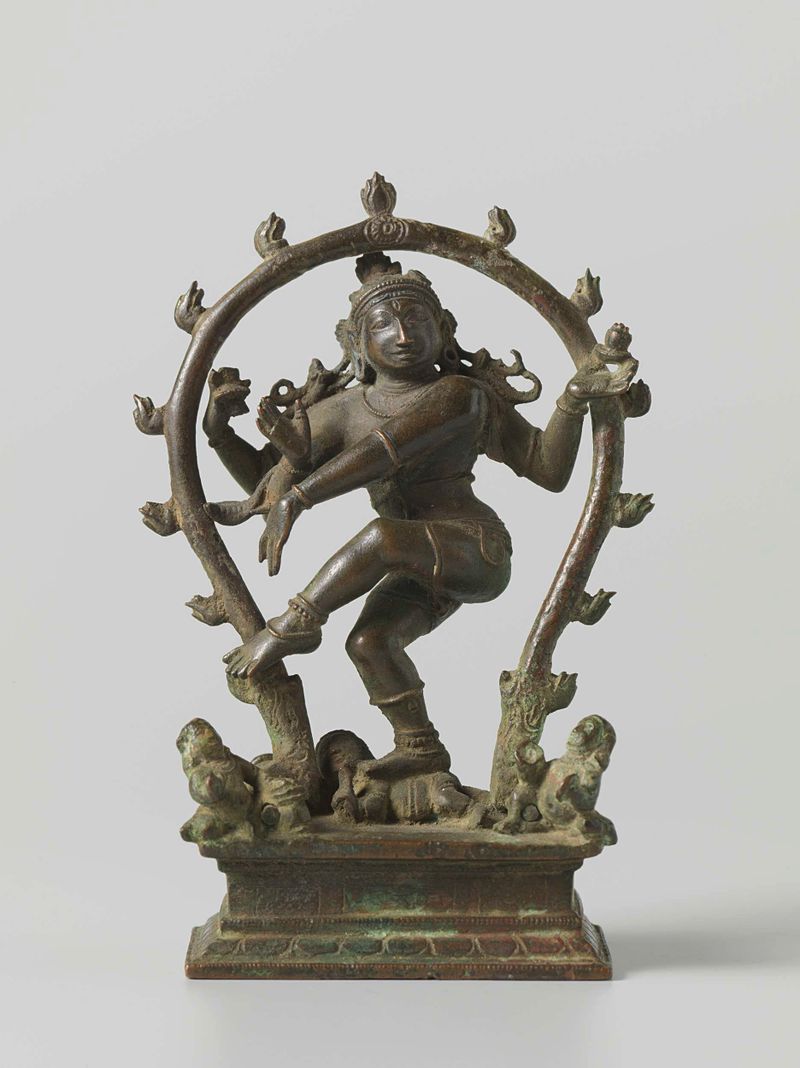
Shiva Nataraja
Unknown Artist

The Tale of Genji
Unknown Artist

The Tale of Genji
Unknown Artist

Cong
Unknown Artist
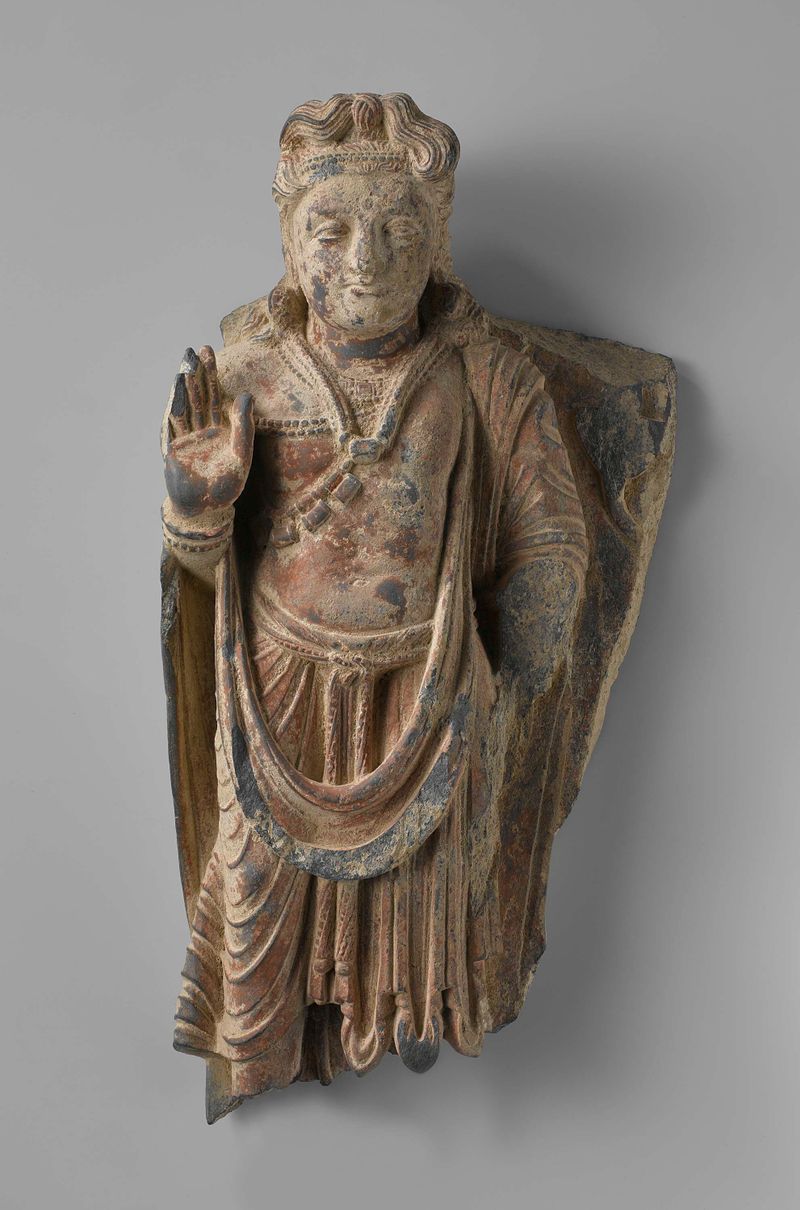
The bodhisattva Maitreya
Unknown Artist

Teabowl with a 'hare's fur' glaze
Unknown Artist
More Religious Art
Browse all →
The Return of the Prodigal Son
Rembrandt van Rijn

The Garden of Earthly Delights
El Bosco

Count Orgaz’ funeral
El Greco

The Hundred Guilder Print: the central piece with Christ preaching, the plate arched
Rembrandt van Rijn

The Descent from the Cross
Rogier van der Weyden

The return of the prodigal son
Rembrandt van Rijn