
Kachelplaat met Christus en de Samaritaanse vrouw — History & Facts
Could beauty survive in a century of chaos? In a world rife with turmoil and uncertainty, the delicate contours of divinity seem both fragile and enduring, a reminder of our higher aspirations amidst strife. Look to the center of the tile where a serene figure engages with a woman at a well. The rich blue and white glaze forms a striking contrast against the intricate background, drawing attention to their harmonious interaction. Notice how the artist has captured the softness of Christ's expression, his gaze imbued with compassion, inviting us into the intimacy of the moment.
The meticulous details of their garments further enhance the story, each fold and drape conveying a sense of authenticity and reverence. Beneath the surface, this piece resonates with profound themes of acceptance and redemption. The juxtaposition of the divine figure and the Samaritan woman represents not only a breaking of societal norms but also an invitation to embrace the marginalized. The well symbolizes depth—both physical and spiritual—suggesting that true understanding often lies beneath the surface of superficial encounters.
Each glance exchanged holds the weight of societal implications, yet also the promise of connection and grace. This tile dates back to a period when the Protestant Reformation was reshaping Europe, challenging traditions and encouraging new interpretations of faith. Created between 1550 and 1600, the artist, whose identity remains unknown, contributed to a burgeoning movement of ceramic art that sought to capture biblical stories in domestic spaces. Such works provided solace and inspiration, nurturing spiritual reflection in households amidst the chaos of the changing world.
More Artworks by Unknown Artist
Browse all →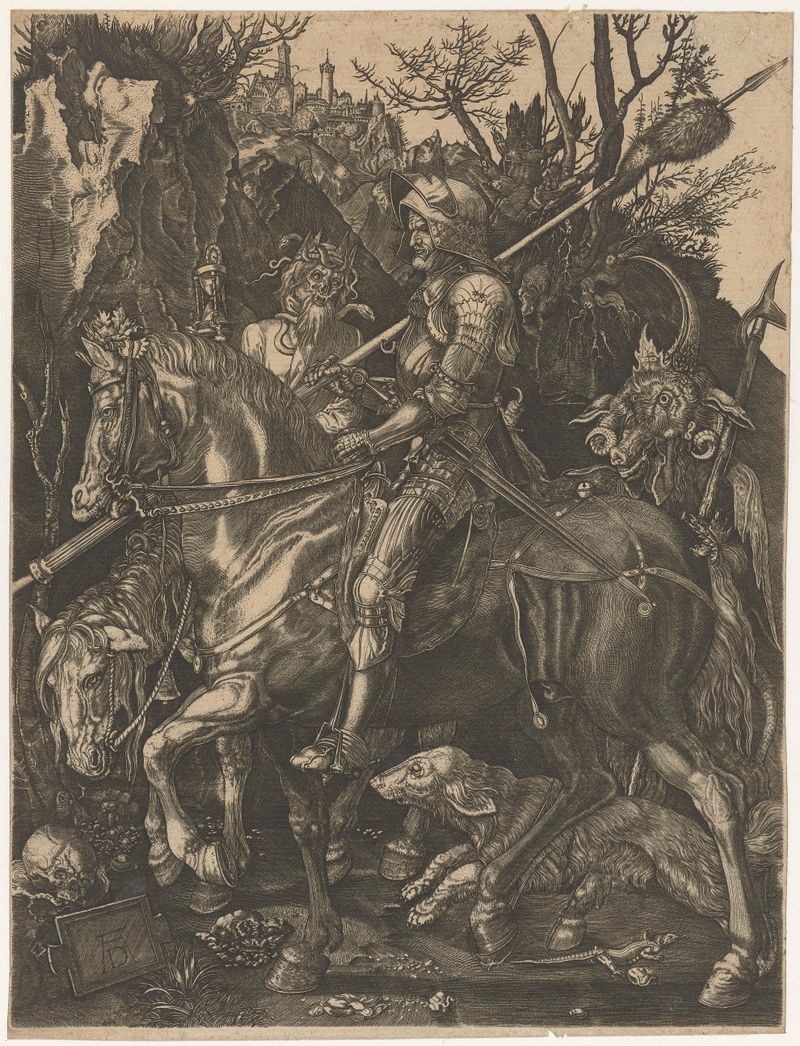
Ridder, Dood en Duivel
Unknown Artist
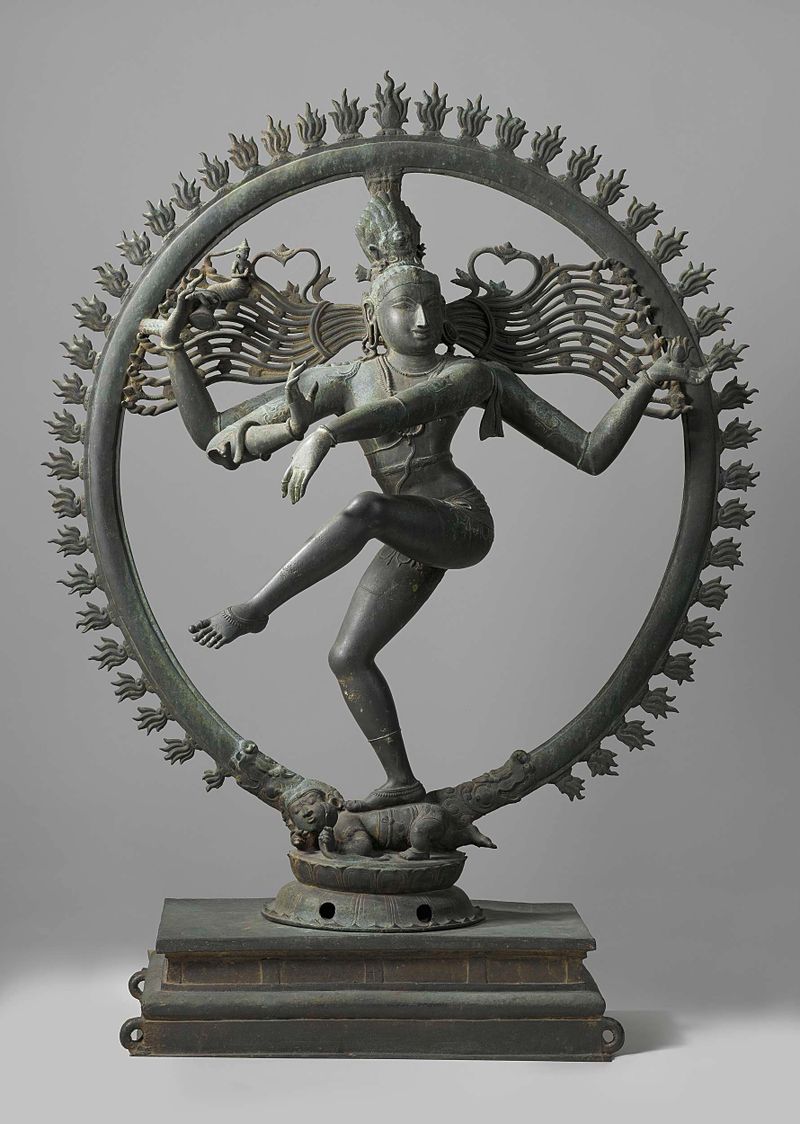
Shiva Nataraja
Unknown Artist
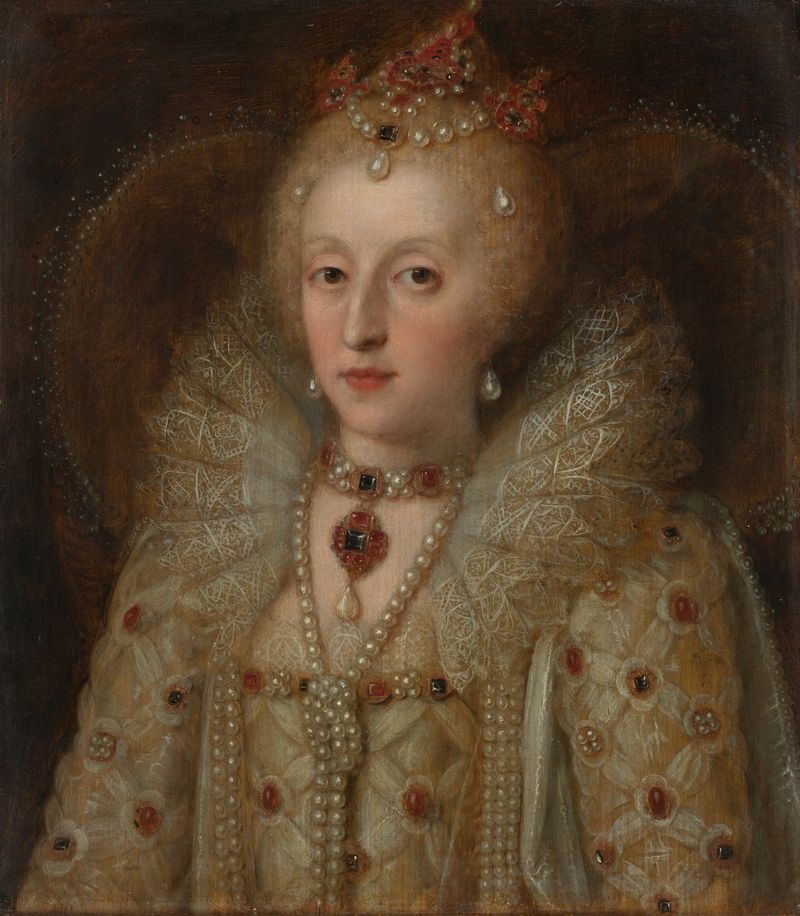
Portrait of Elizabeth I, Queen of England
Unknown Artist
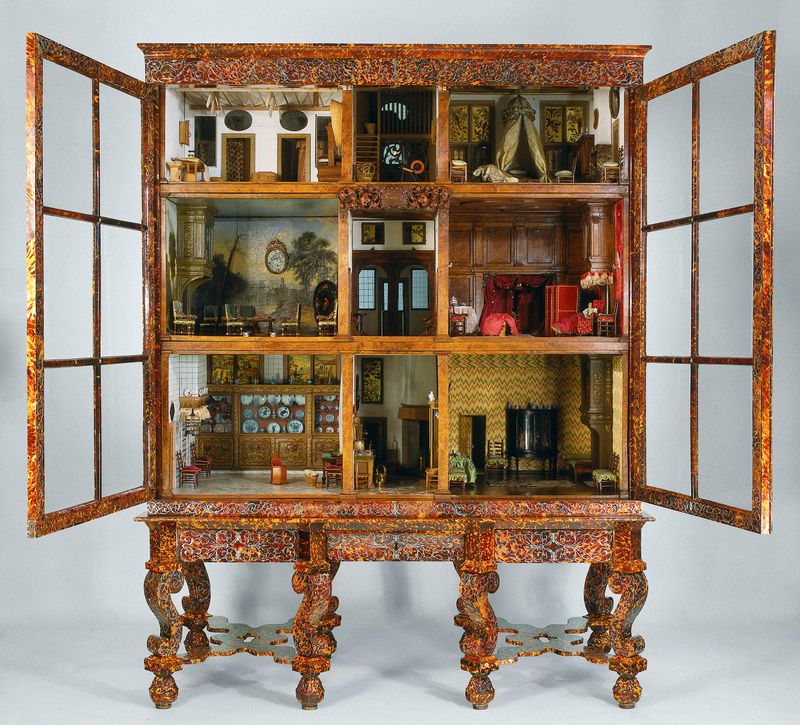
Dolls’ house of Petronella Oortman
Unknown Artist
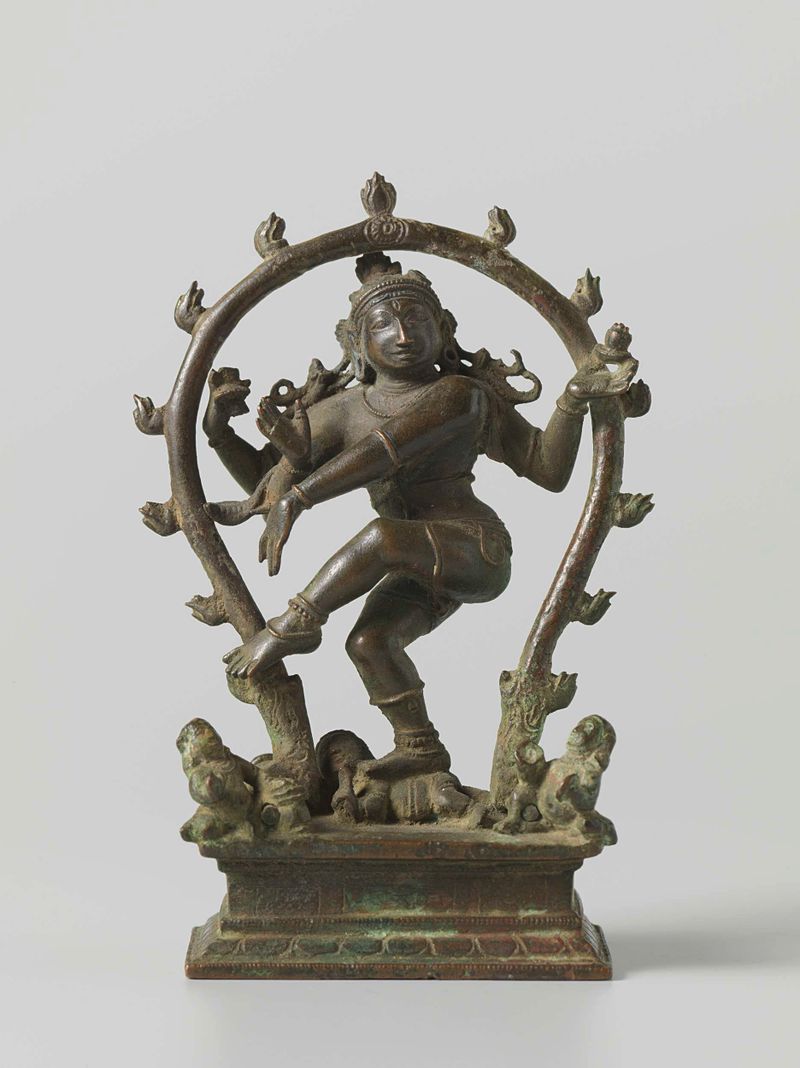
Shiva Nataraja
Unknown Artist

The Tale of Genji
Unknown Artist

The Tale of Genji
Unknown Artist
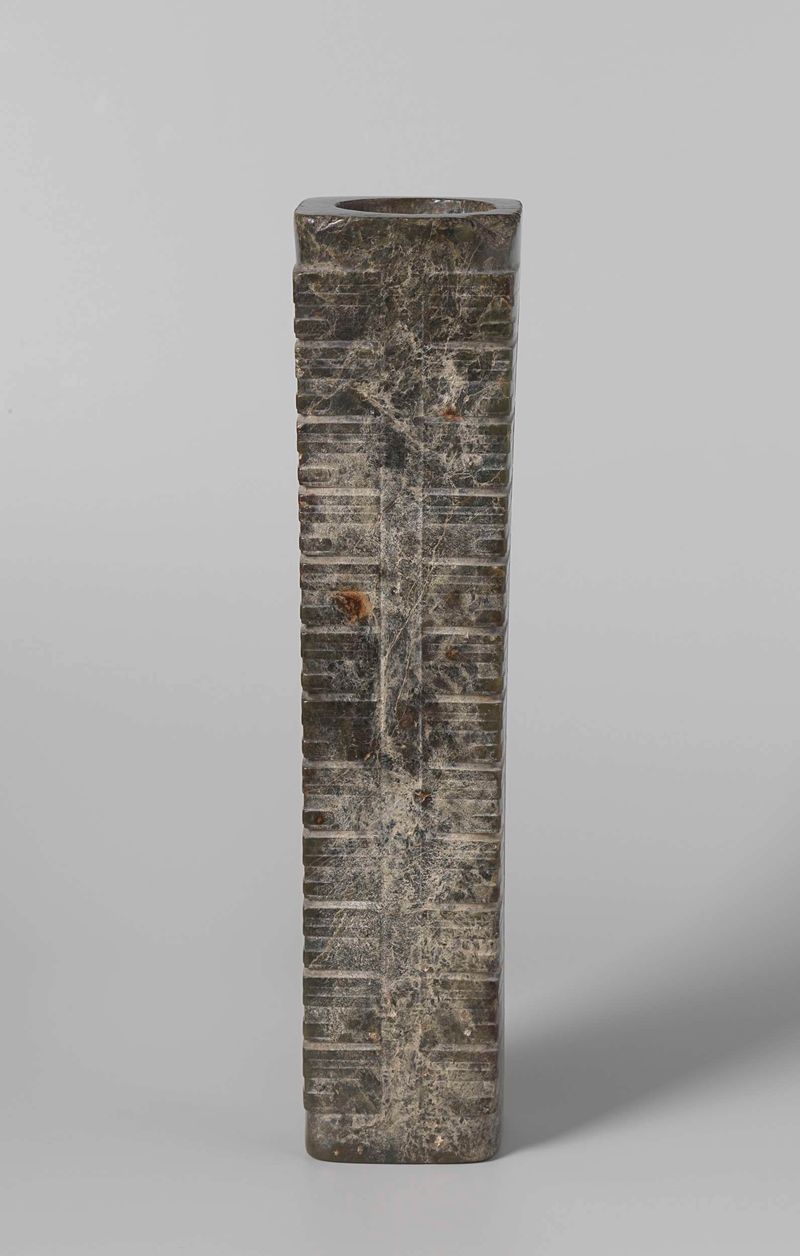
Cong
Unknown Artist
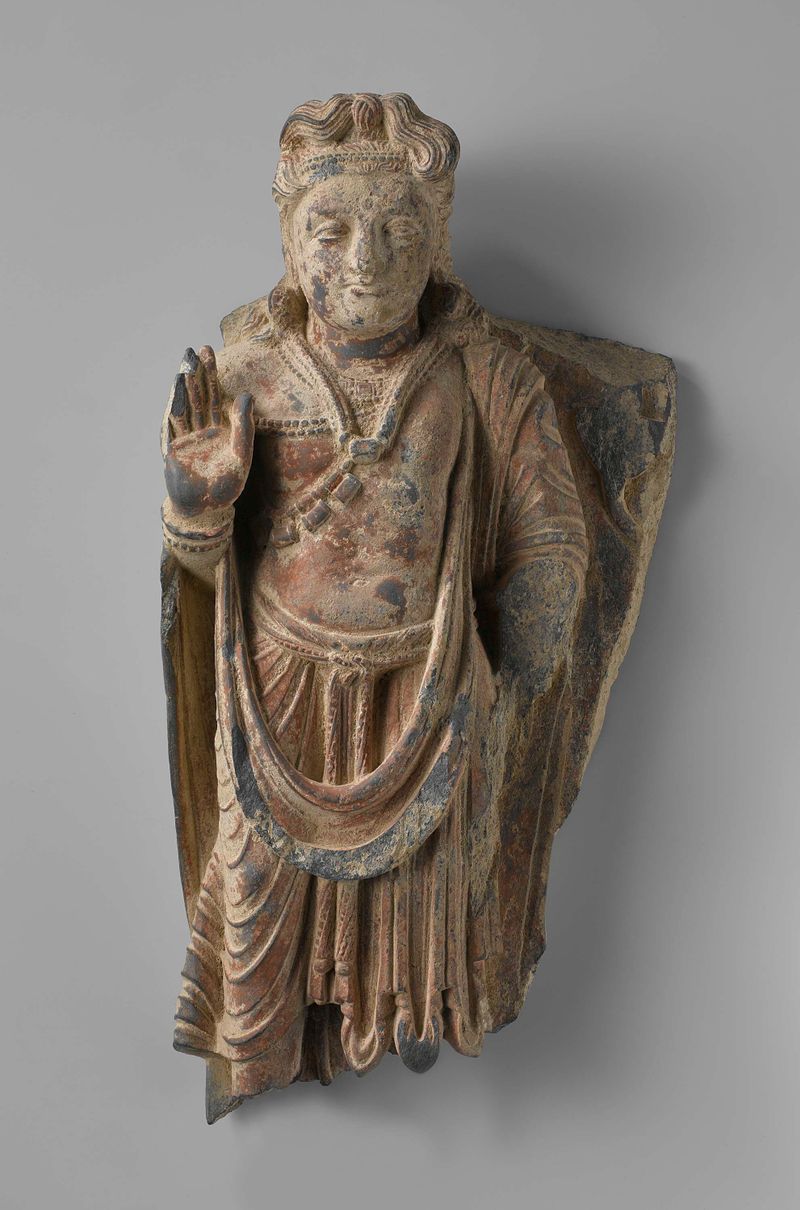
The bodhisattva Maitreya
Unknown Artist
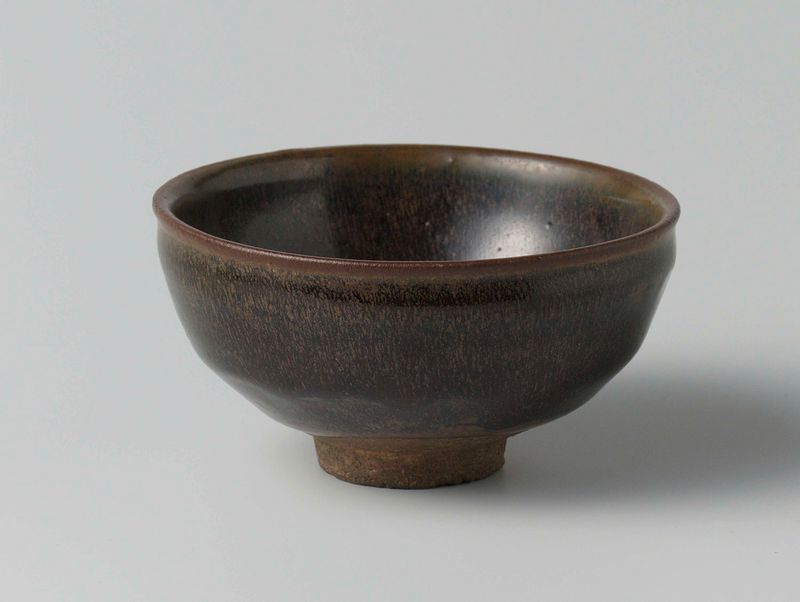
Teabowl with a 'hare's fur' glaze
Unknown Artist
More Religious Art
Browse all →
The Return of the Prodigal Son
Rembrandt van Rijn

The Garden of Earthly Delights
El Bosco

Count Orgaz’ funeral
El Greco

The Hundred Guilder Print: the central piece with Christ preaching, the plate arched
Rembrandt van Rijn

The Descent from the Cross
Rogier van der Weyden

The return of the prodigal son
Rembrandt van Rijn