
Kachelplaat met Christus en de Samaritaanse vrouw — History & Facts
Can paint confess what words never could? In the silence that envelops Kachelplaat met Christus en de Samaritaanse vrouw, a profound dialogue unfolds, captured without uttering a single syllable. Look closely at the center of the composition where the figures of Christ and the Samaritan woman engage in an intimate yet public exchange. The artist's meticulous attention to detail is evident in the delicate rendering of their garments, draped in rich, earthy tones that invite warmth despite the stone-like backdrop. Notice how the subtle interplay of shadow and light enhances the emotional gravity of their conversation, illuminating the woman's face while casting Christ in a contemplative shade, suggesting both revelation and restraint. As you delve deeper, the contrast between their expressions reveals a complex emotional landscape—curiosity, longing, and perhaps a tinge of societal tension.
The surrounding elements, such as the well and the landscape, serve as silent witnesses to the unfolding narrative, symbolizing both the barrier and the bridge between different worlds. This moment captures not just an encounter, but a subtle commentary on the themes of acceptance and spiritual awakening, inviting viewers to ponder their own relationships with the divine and the unspoken bonds that unite us. Created during the late 16th century, this piece reflects the socio-political climate of Reformation Europe, where religious discourse was fervent and often divisive. The anonymity of the artist does not diminish the work's significance, as it embodies the blend of spiritual curiosity and emerging humanism in a period where the visual arts began to serve as a platform for deeper philosophical exploration.
More Artworks by Unknown Artist
Browse all →
Ridder, Dood en Duivel
Unknown Artist
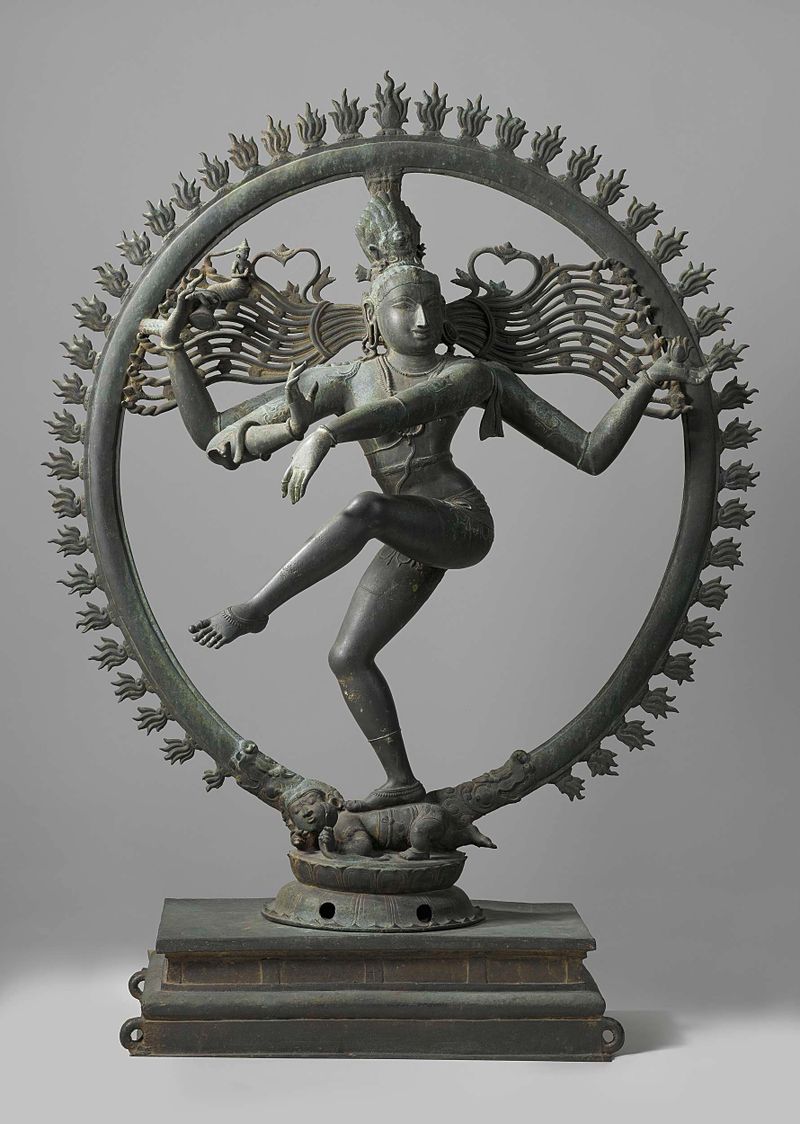
Shiva Nataraja
Unknown Artist
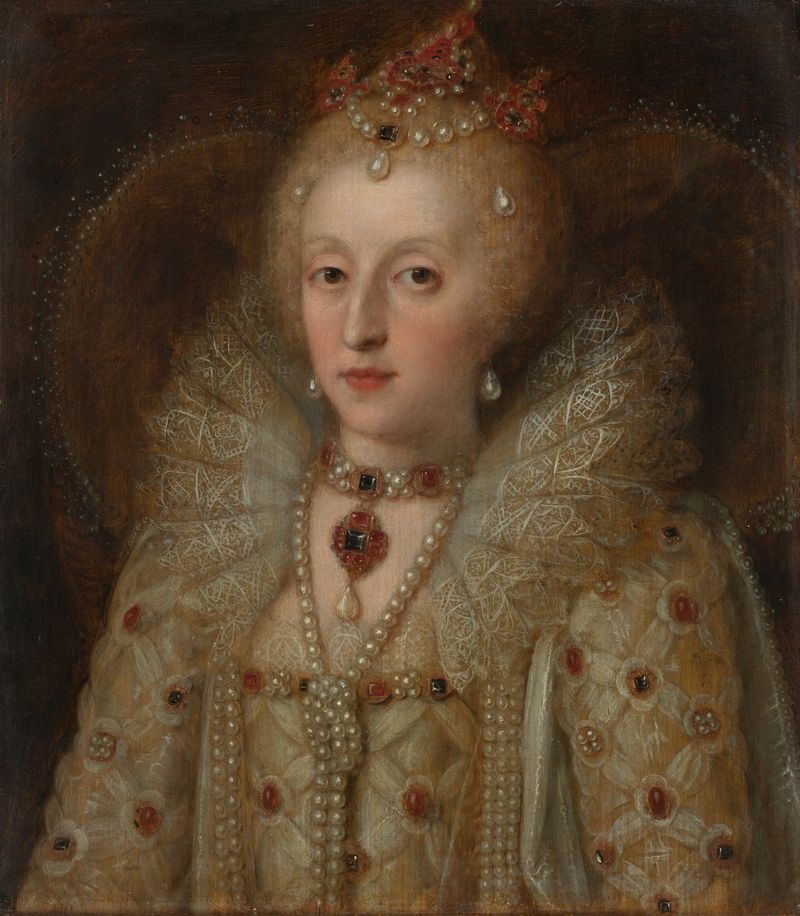
Portrait of Elizabeth I, Queen of England
Unknown Artist
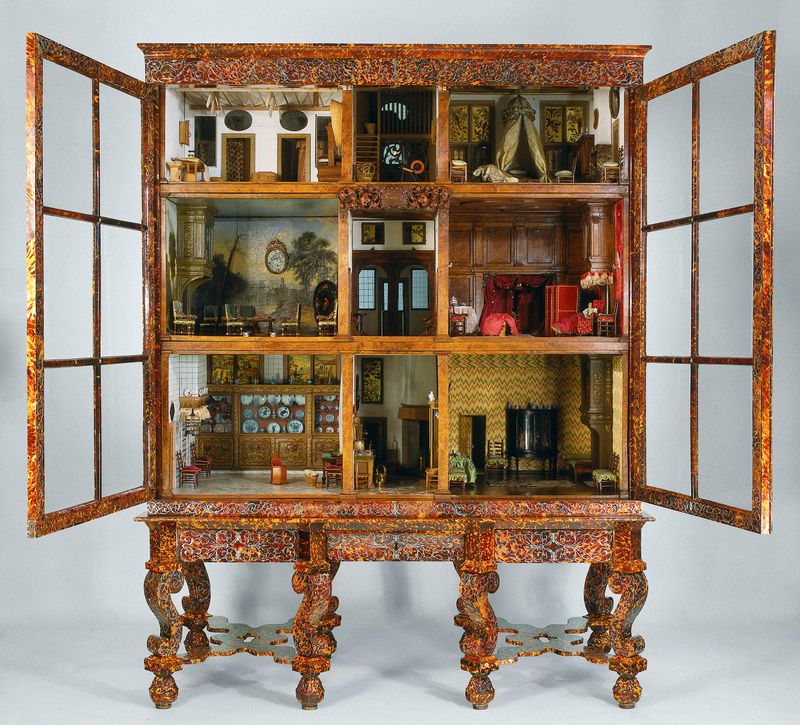
Dolls’ house of Petronella Oortman
Unknown Artist
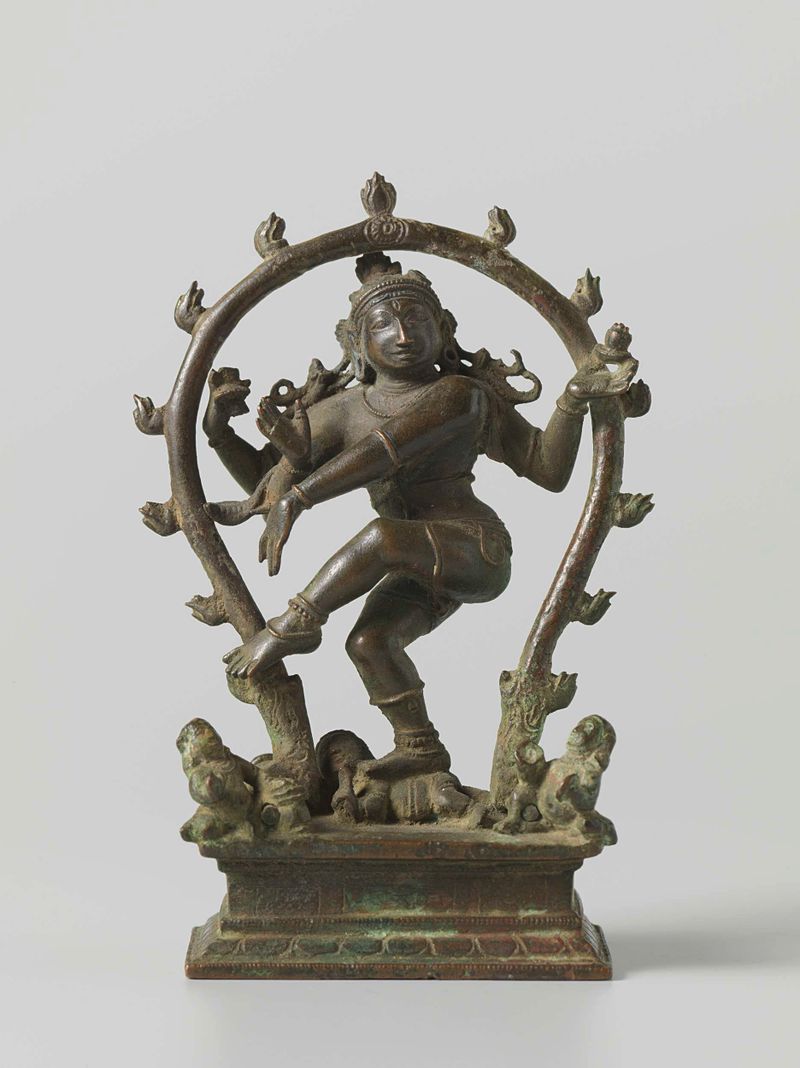
Shiva Nataraja
Unknown Artist

The Tale of Genji
Unknown Artist

The Tale of Genji
Unknown Artist

Cong
Unknown Artist
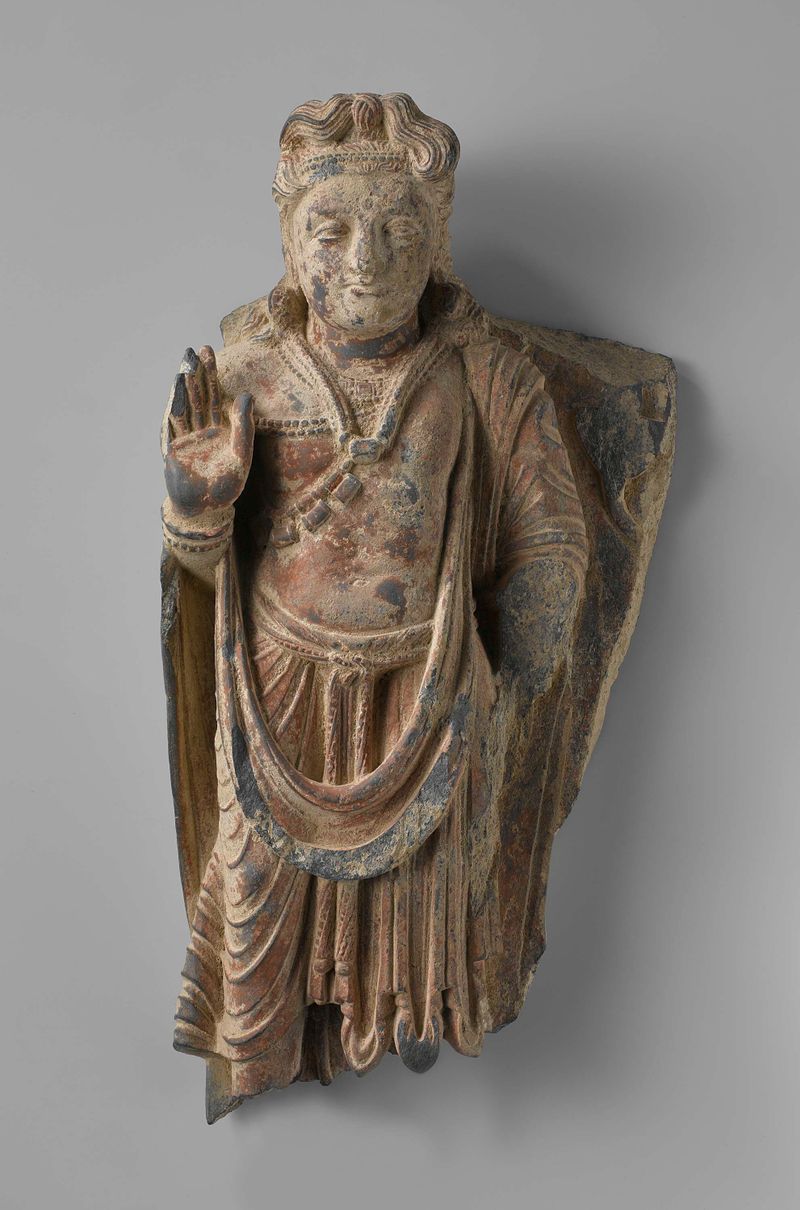
The bodhisattva Maitreya
Unknown Artist

Teabowl with a 'hare's fur' glaze
Unknown Artist
More Religious Art
Browse all →
The Return of the Prodigal Son
Rembrandt van Rijn

The Garden of Earthly Delights
El Bosco

Count Orgaz’ funeral
El Greco

The Hundred Guilder Print: the central piece with Christ preaching, the plate arched
Rembrandt van Rijn

The Descent from the Cross
Rogier van der Weyden

The return of the prodigal son
Rembrandt van Rijn