
Kade, waag en speeltoren — History & Facts
When did color learn to lie? In a world where hues dance between reality and illusion, the question of balance comes to the forefront, inviting us to reconsider our perceptions. Look to the left, where vibrant shades of blue and orange clash harmoniously, outlining the structure of a whimsical play tower. Notice how the artists’ brushstrokes blend these colors into a seamless composition, creating a sense of movement and life. The shapes, both geometric and organic, convey a rhythmic balance that captures the innocence of childhood playfulness while hinting at the underlying complexities of adulthood.
An intriguing interplay of light and shadow enriches the scene, guiding the eye upward to the towering structure that draws one in. Yet, beneath this playful surface lies an intricate web of emotional tension. The juxtaposition of warm and cool tones evokes feelings of nostalgia and longing, suggesting a yearning for simpler times. The dynamic movement encapsulated in the swirl of colors contrasts with the stillness of the moment, prompting viewers to reflect on the fleeting nature of joy and childhood innocence.
Each detail, from the playful curve of the structures to the sharp geometric lines, resonates with the pursuit of balance in life — a balance between freedom and confinement. In 1950, Maarten Oortwijn created this piece amidst a post-war landscape where artists sought to break free from the confines of traditional forms and explore new expressions. Living in the Netherlands during a time of recovery and reinvention, Oortwijn was influenced by contemporary movements that embraced abstraction and color theory. This artwork reflects his desire to merge playful sensibilities with deeper philosophical questions, marking a significant moment in his evolving artistic journey.
More Artworks by Maarten Oortwijn
Browse all →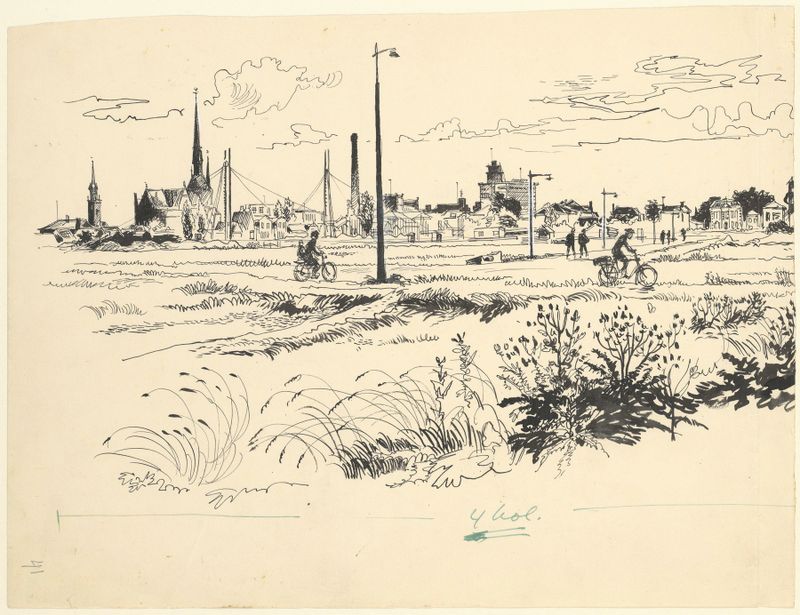
Gezicht op Koog aan de Zaan.
Maarten Oortwijn
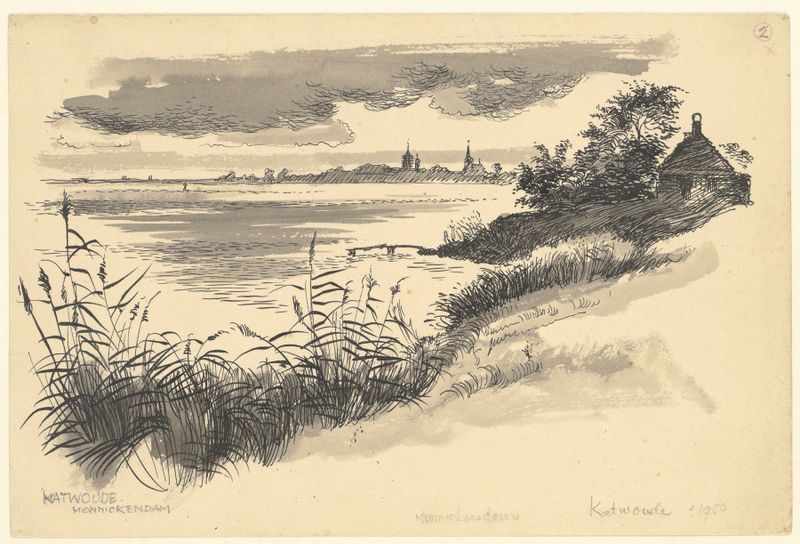
Gezicht vanuit Katwoude op Monnickendam
Maarten Oortwijn
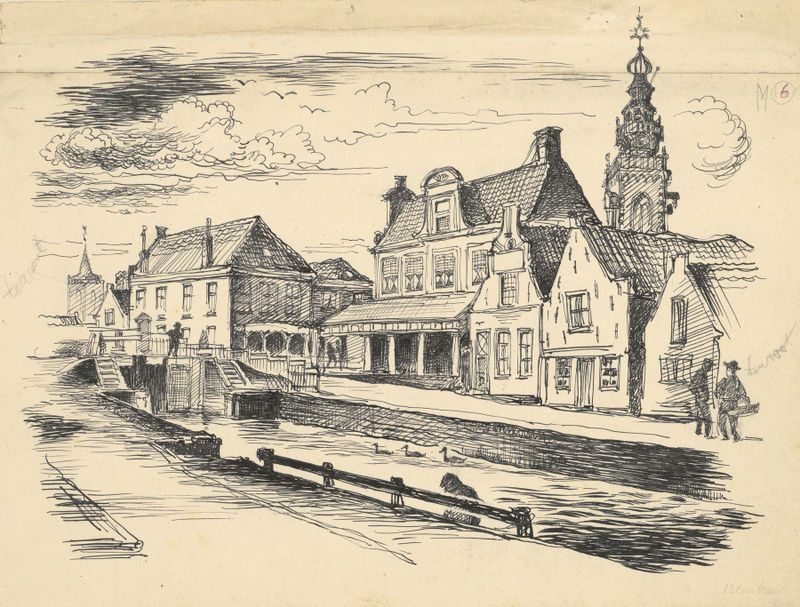
Gezicht vanaf de Gooische Kaai op de Waag
Maarten Oortwijn
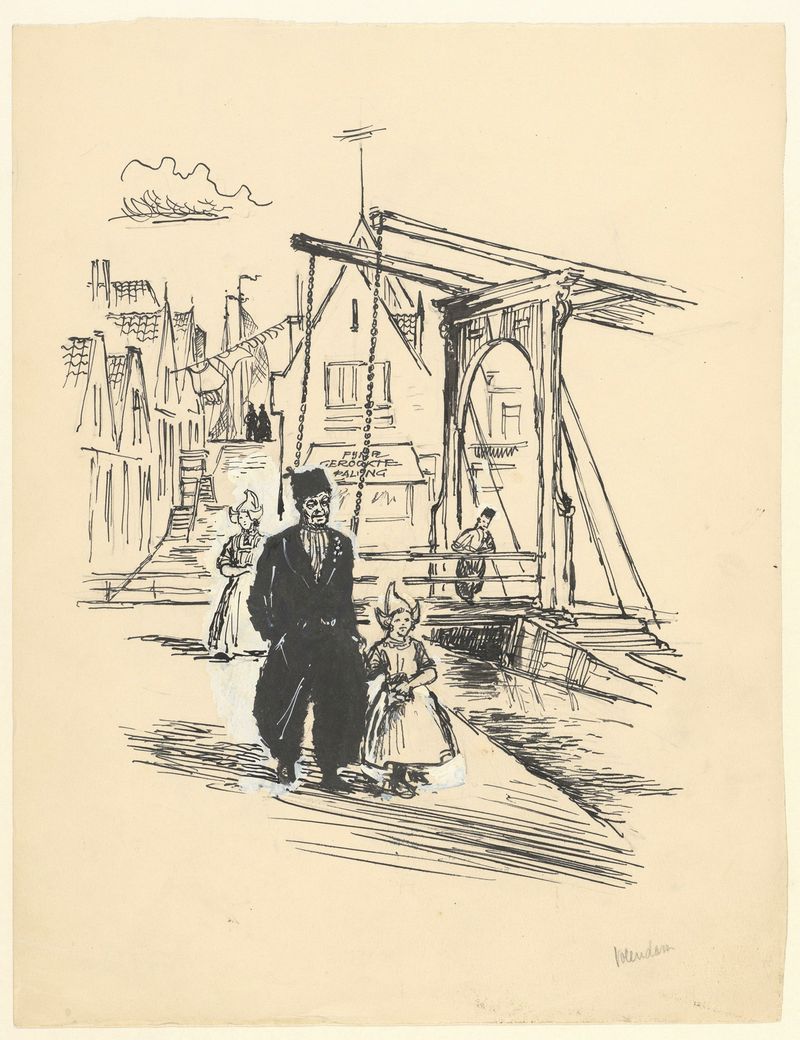
Gezicht te Volendam.
Maarten Oortwijn
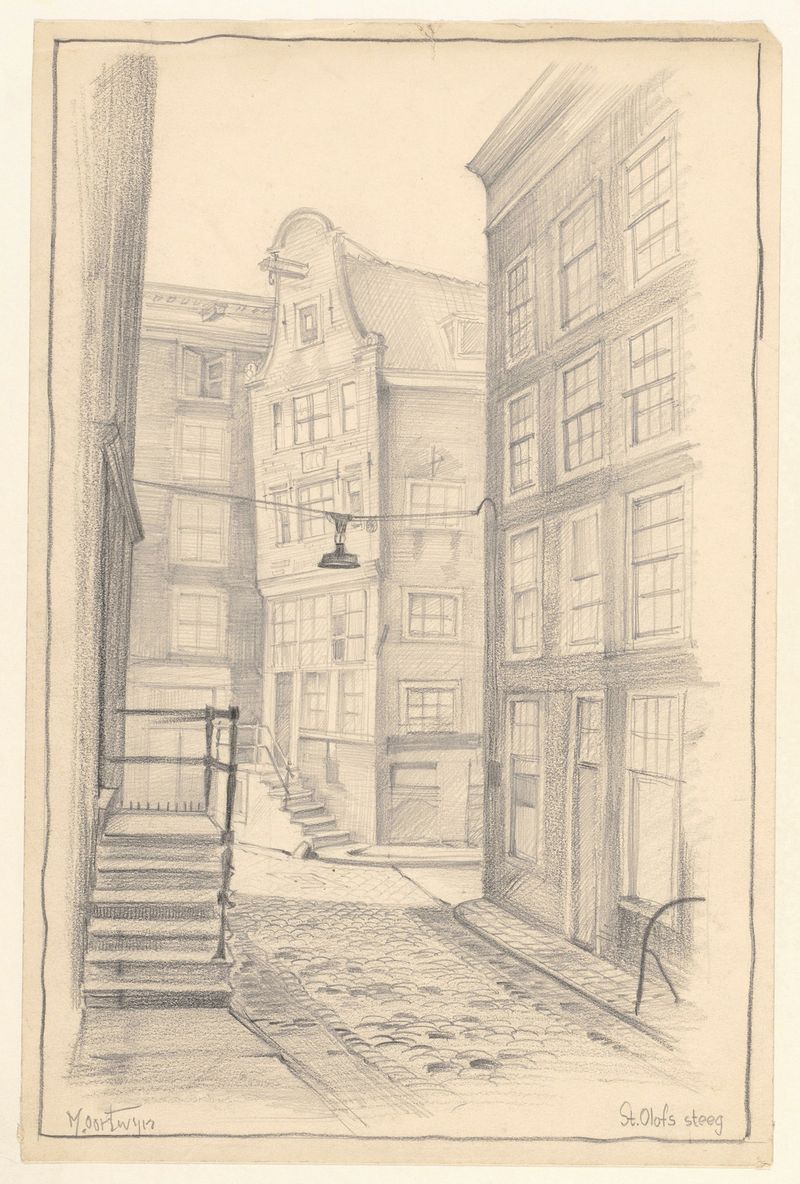
Gezicht in de St. Olofssteeg.
Maarten Oortwijn
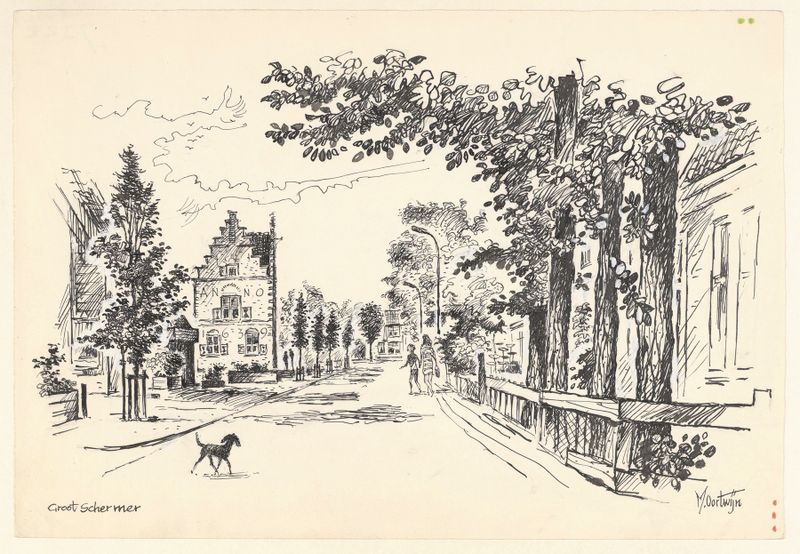
Gezicht te Grootschermer met het Raadhuis
Maarten Oortwijn
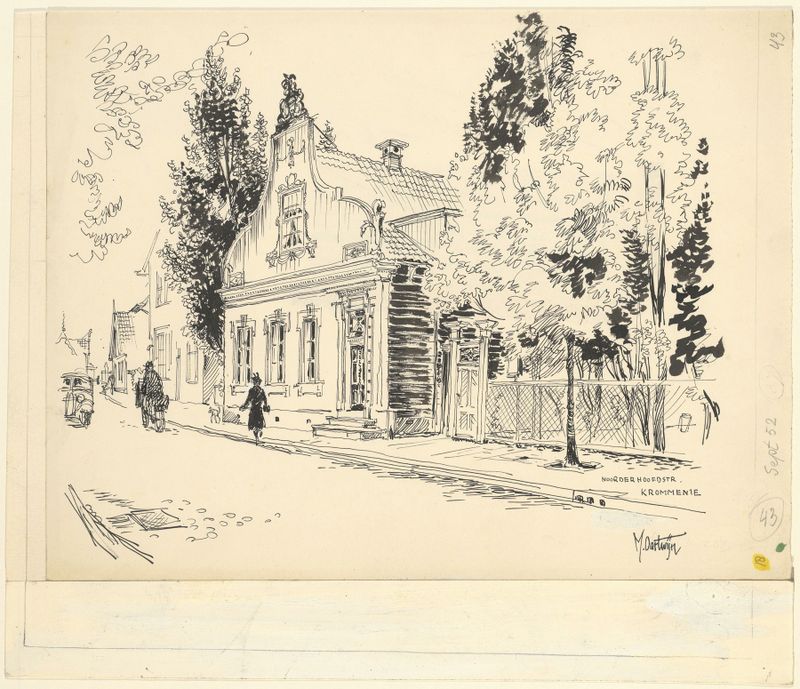
Gezicht in de Noorder
Maarten Oortwijn
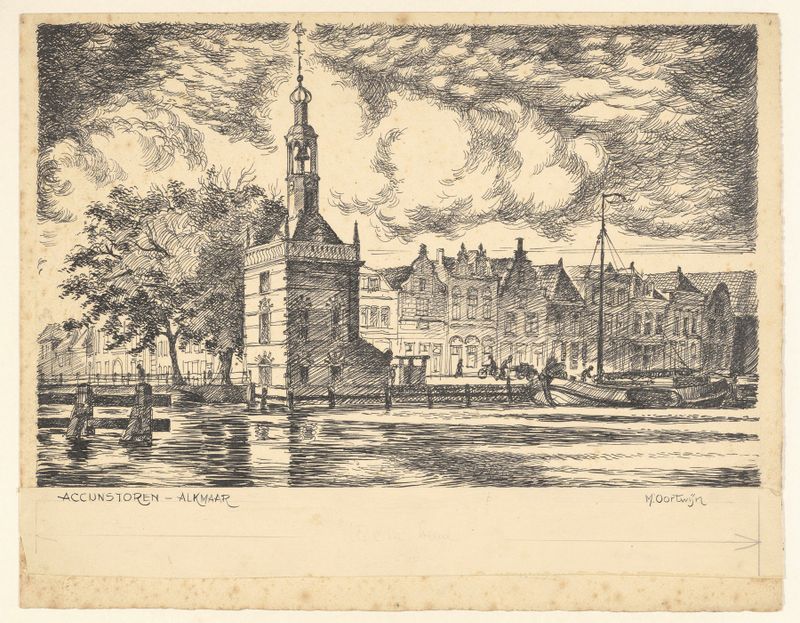
Gezicht op de Accijnstoren aan de Bierkade.
Maarten Oortwijn
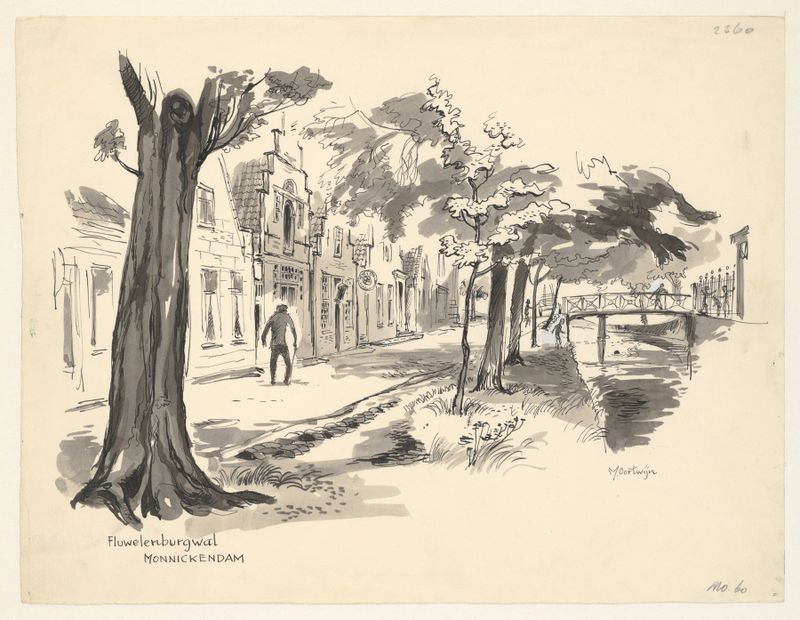
Fluwelenburgwal, Monnickendam
Maarten Oortwijn
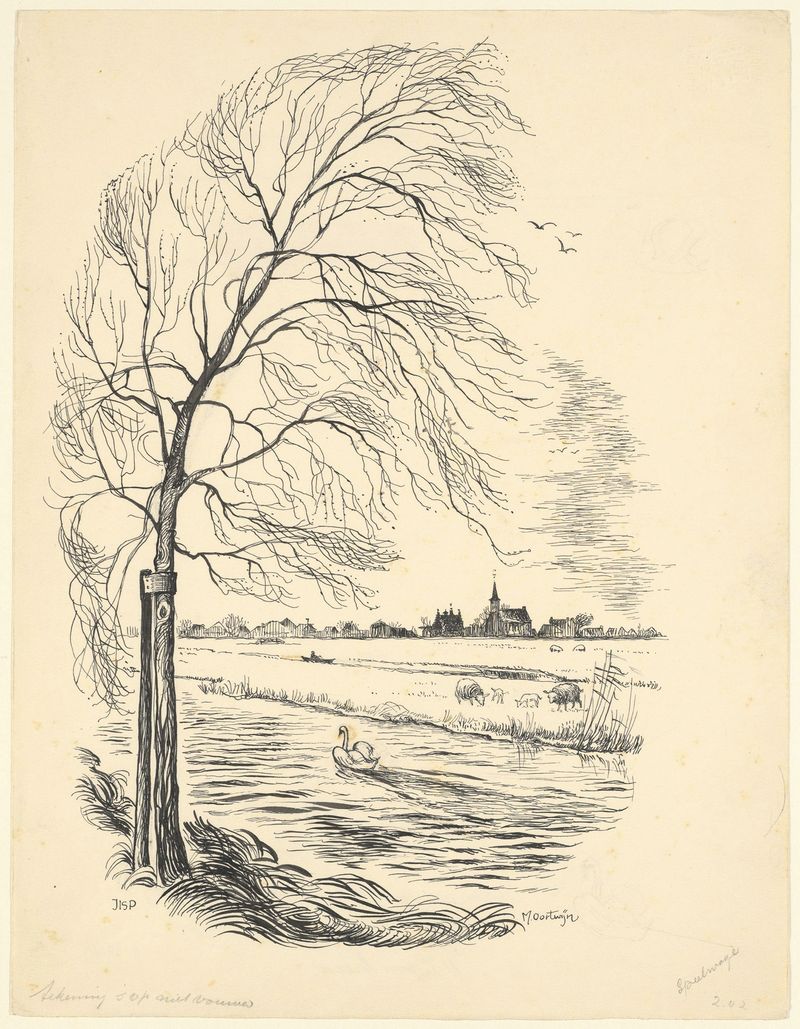
Gezicht op Jisp.
Maarten Oortwijn
More Architecture Art
Browse all →
The statue of Liberty
Frédéric Auguste Bartholdi

View of Houses in Delft, Known as ‘The Little Street’
Johannes Vermeer

View of Houses in Delft, Known as ‘The Little Street’
Johannes Vermeer

The Cathedral in Rouen. The portal, Grey Weather
Claude Monet

The yellow house
Vincent van Gogh

The Church in Auvers-sur-Oise, View from the Chevet
Vincent van Gogh