
Kain doodt Abel — History & Facts
Who listens when art speaks of silence? In the hushed aftermath of betrayal, a complex narrative unfolds, revealing the weight of destiny and consequence. Begin your exploration by looking to the foreground, where the stark figures of Cain and Abel are captured in a moment of irreversible decision. Notice the tension in Cain's posture, his body angled away from his brother, embodying both guilt and defiance. The muted earth tones envelop the scene, suggesting a somber mood that is interrupted only by the stark contrast of Abel's pale skin, a ghostly reminder of innocence lost.
The artist's deliberate use of chiaroscuro infuses the figures with a three-dimensionality that draws you in, accentuating the emotional gravity of the act. As you study the painting further, consider the subtle details—the blood pooling at Cain's feet, the gentle curl of Abel's hair, the expression of resignation on his face. Each aspect embodies the consequences of choice, a stark reminder of the fragility of life and the permanence of actions. The surrounding landscape, barren yet evocative, echoes the biblical themes of isolation and the eternal struggle between good and evil, urging the viewer to confront their own moral reflections. Created between 1518 and 1522, this work emerges from a period of intense religious conflict and exploration in Europe.
The artist, whose identity remains a mystery, tapped into the rich vein of biblical narratives that were central to the era's discourse, capturing the essence of human experience amid the tumult of the Reformation. This painting stands as a silent testament to the weight of destiny that shapes our lives, and to the stories that, though long past, continue to resonate in the present.
More Artworks by Unknown Artist
Browse all →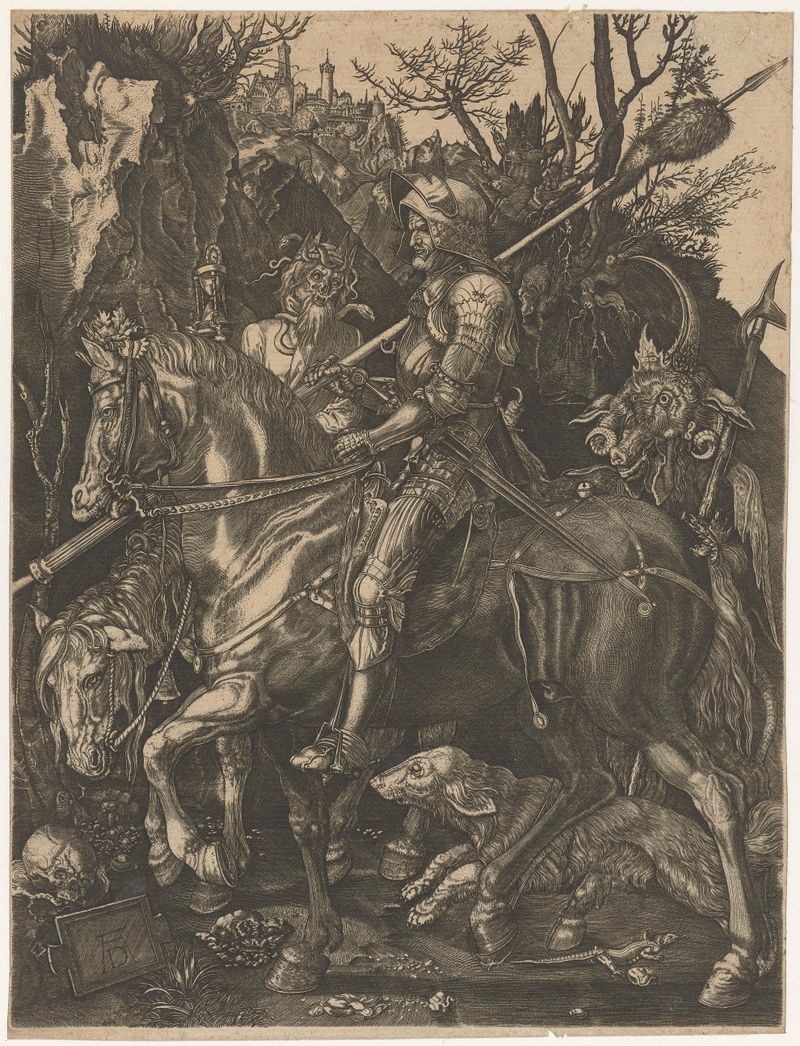
Ridder, Dood en Duivel
Unknown Artist
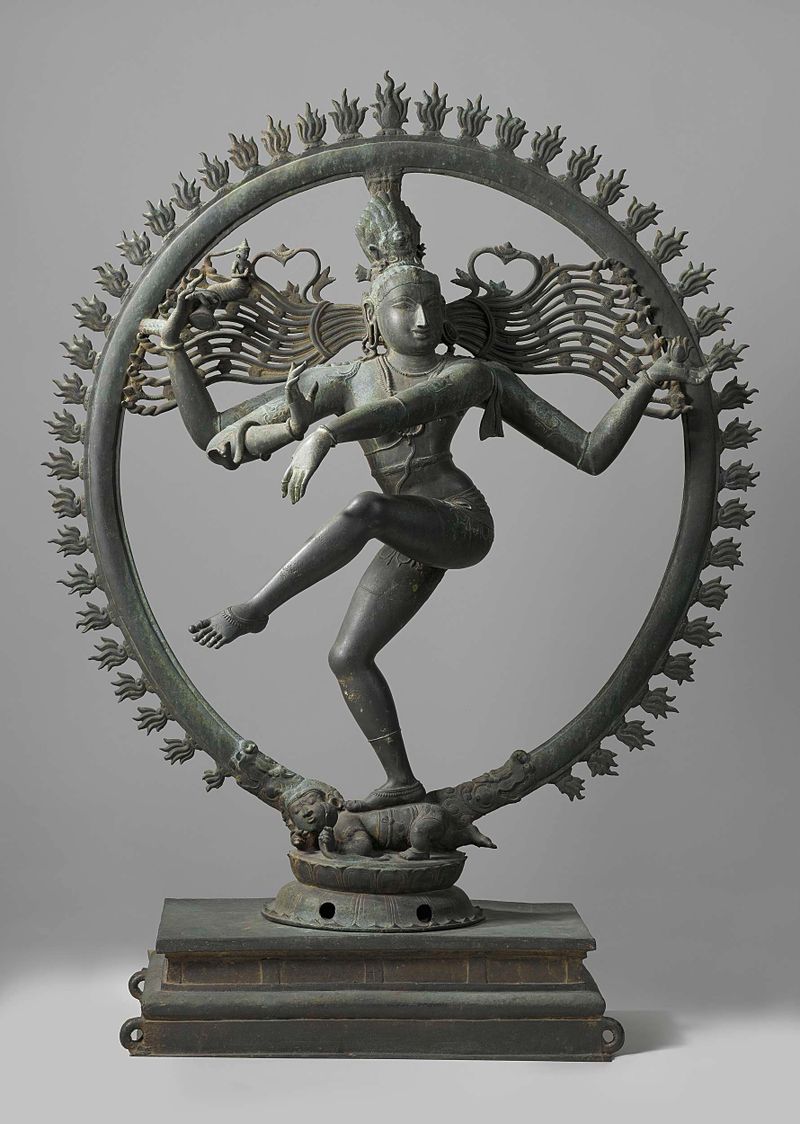
Shiva Nataraja
Unknown Artist
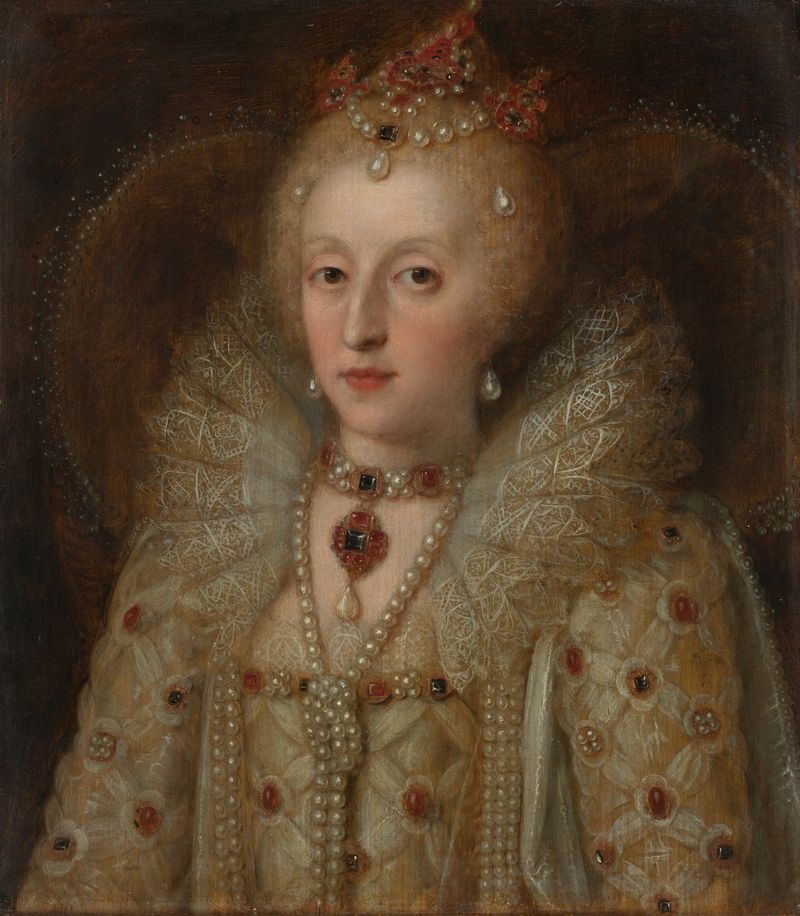
Portrait of Elizabeth I, Queen of England
Unknown Artist
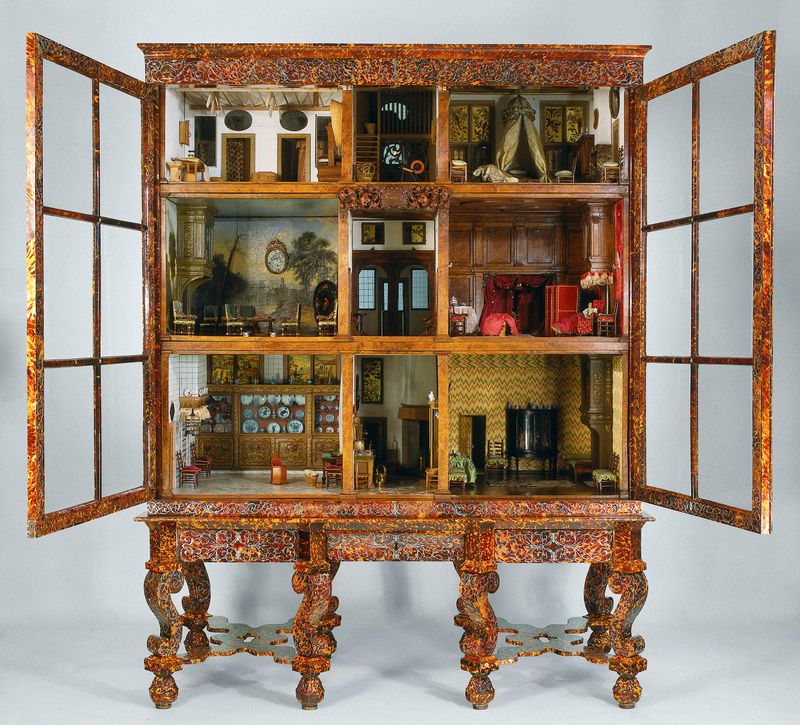
Dolls’ house of Petronella Oortman
Unknown Artist
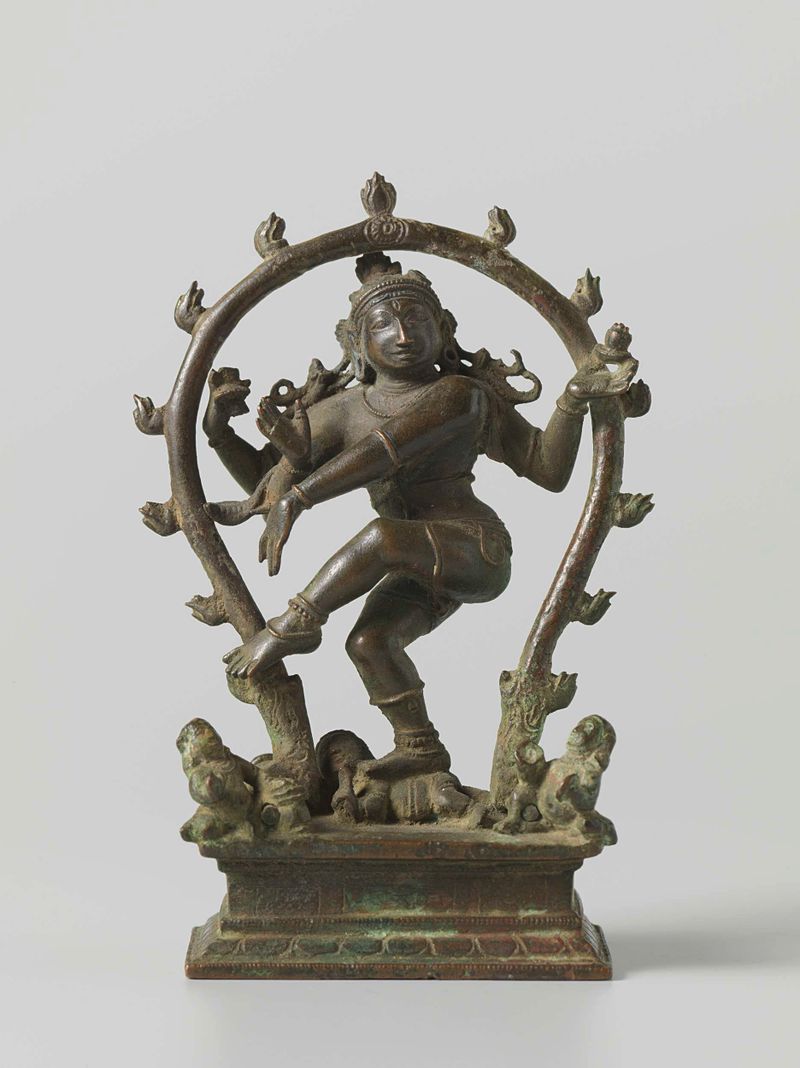
Shiva Nataraja
Unknown Artist

The Tale of Genji
Unknown Artist

The Tale of Genji
Unknown Artist

Cong
Unknown Artist
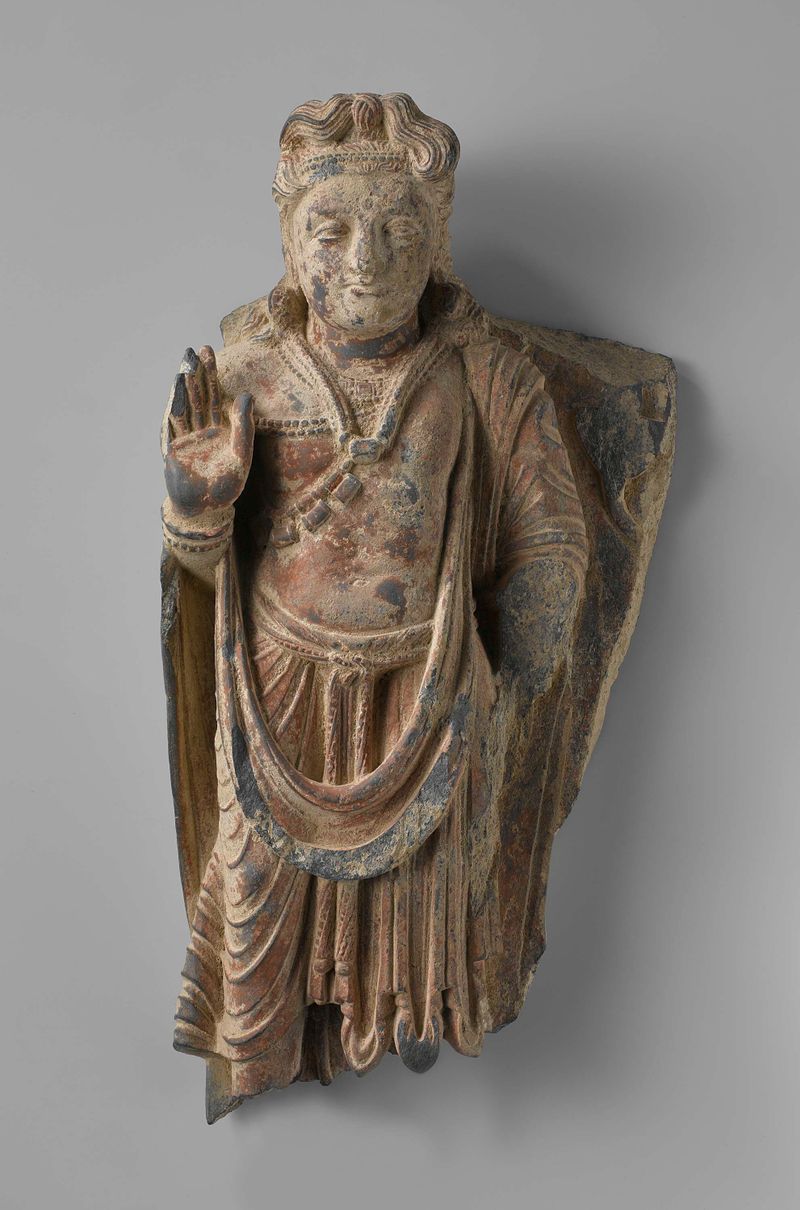
The bodhisattva Maitreya
Unknown Artist

Teabowl with a 'hare's fur' glaze
Unknown Artist
More Religious Art
Browse all →
The Return of the Prodigal Son
Rembrandt van Rijn

The Garden of Earthly Delights
El Bosco

Count Orgaz’ funeral
El Greco

The Hundred Guilder Print: the central piece with Christ preaching, the plate arched
Rembrandt van Rijn

The Descent from the Cross
Rogier van der Weyden

The return of the prodigal son
Rembrandt van Rijn