
Kain doodt Abel — History & Facts
The canvas doesn’t lie — it simply waits. In its stillness, it beckons us to explore the deeper transformations of humanity. Look to the left at the anguished face of Cain, etched in despair and rage, a silent testament to the weight of fratricide. Notice how the light falls upon the figure of Abel, lifeless and serene, casting a stark contrast against the shadows that shroud Cain’s soul in darkness.
The artist’s deft brushwork brings the figures to life, each stroke laden with emotion, revealing the psychological turmoil at the heart of this monumental moment. As you delve deeper, consider the symbolic use of color: the vibrant reds and somber blacks speak to themes of violence and remorse. Cain's clenched fists suggest a fierce internal conflict, torn between primal instinct and moral awareness. The backdrop, a darkened landscape, mirrors the desolation of the act, while hints of green ground the scene in nature, suggesting that life carries on, indifferent to human tragedy. Leendert van der Cooghen created this powerful piece in 1662, during a period of profound reflection on morality and human nature in Europe.
Emerging from the Baroque era, the artist engaged with themes of biblical stories, a response to the tumultuous socio-religious landscape of the time. This painting stands as a poignant exploration of transformation, captured just as the world grappled with its own struggles between light and darkness.
More Artworks by Leendert van der Cooghen
Browse all →
Portret van een onbekend meisje met een mutsje op
Leendert van der Cooghen
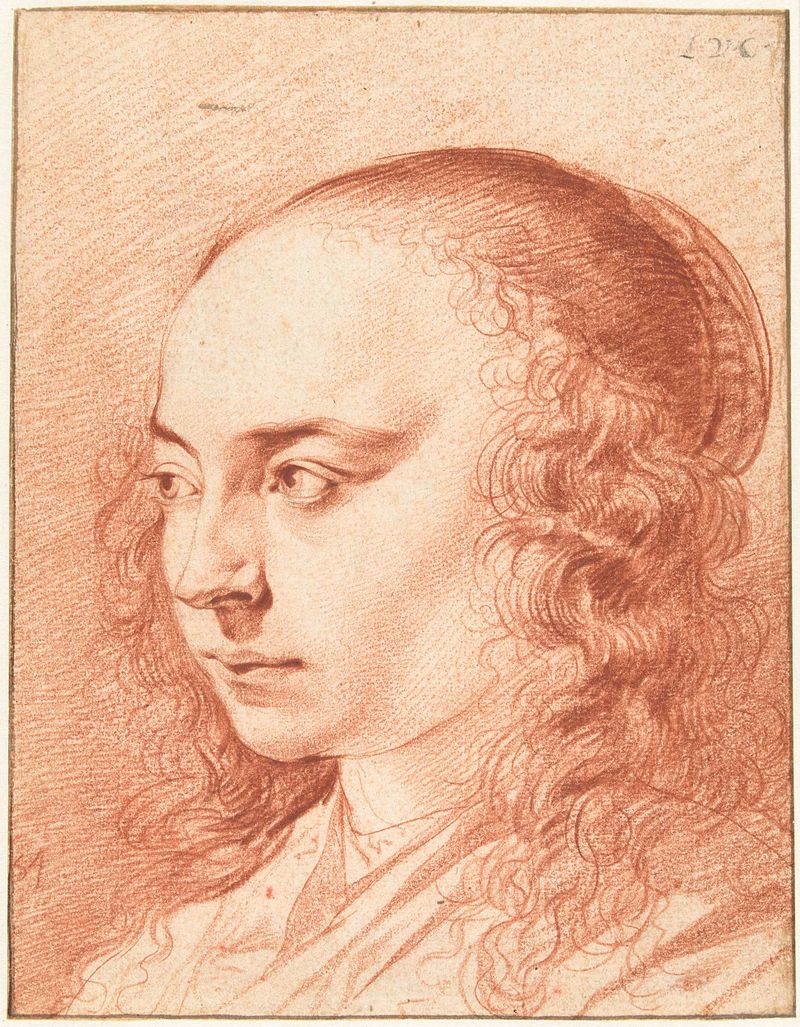
Portret van een onbekende jonge vrouw
Leendert van der Cooghen
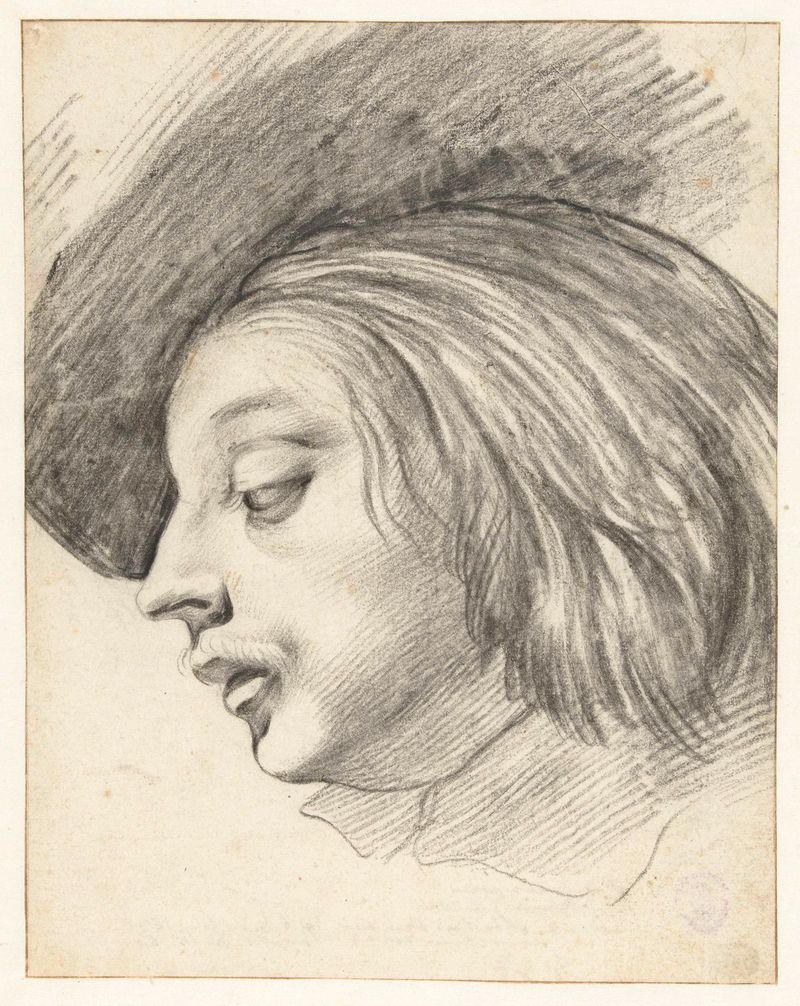
Portret van de kunstenaar Dirck Helmbreeker
Leendert van der Cooghen
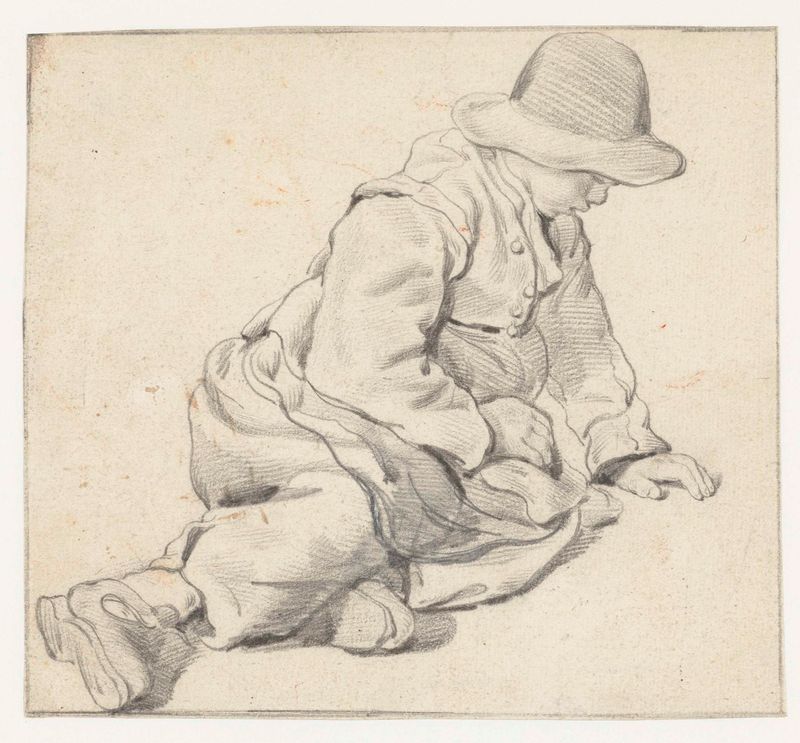
Zittend jongetje
Leendert van der Cooghen

Hoofd van een jongen
Leendert van der Cooghen
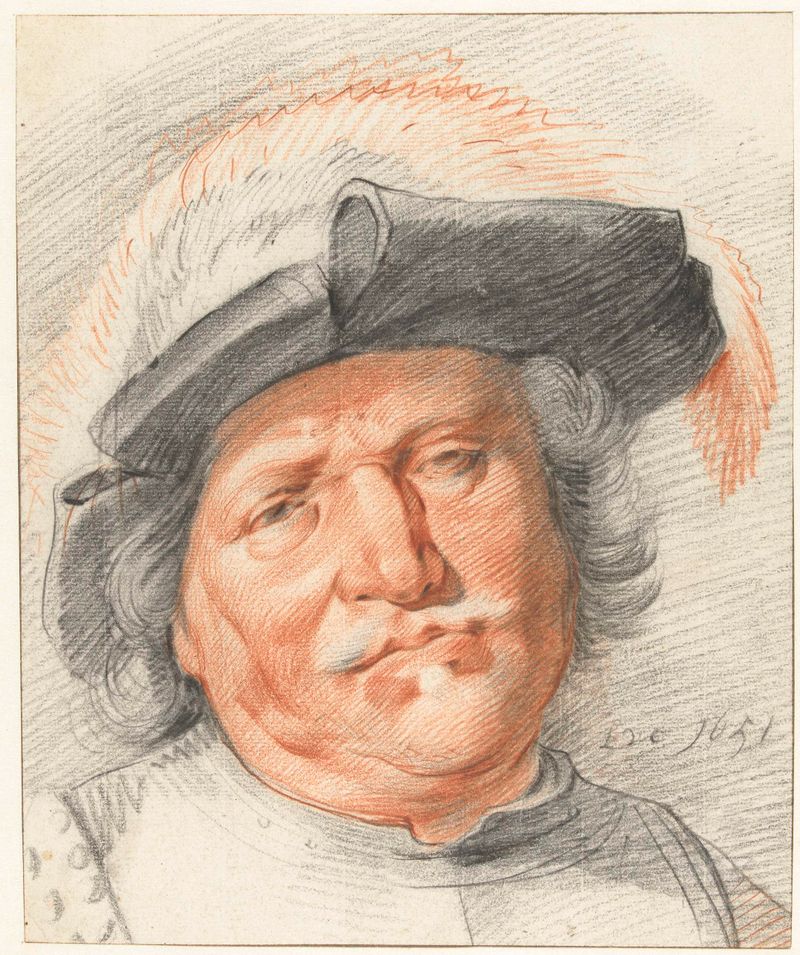
Hoofd van een man
Leendert van der Cooghen

David met het hoofd van Goliath
Leendert van der Cooghen
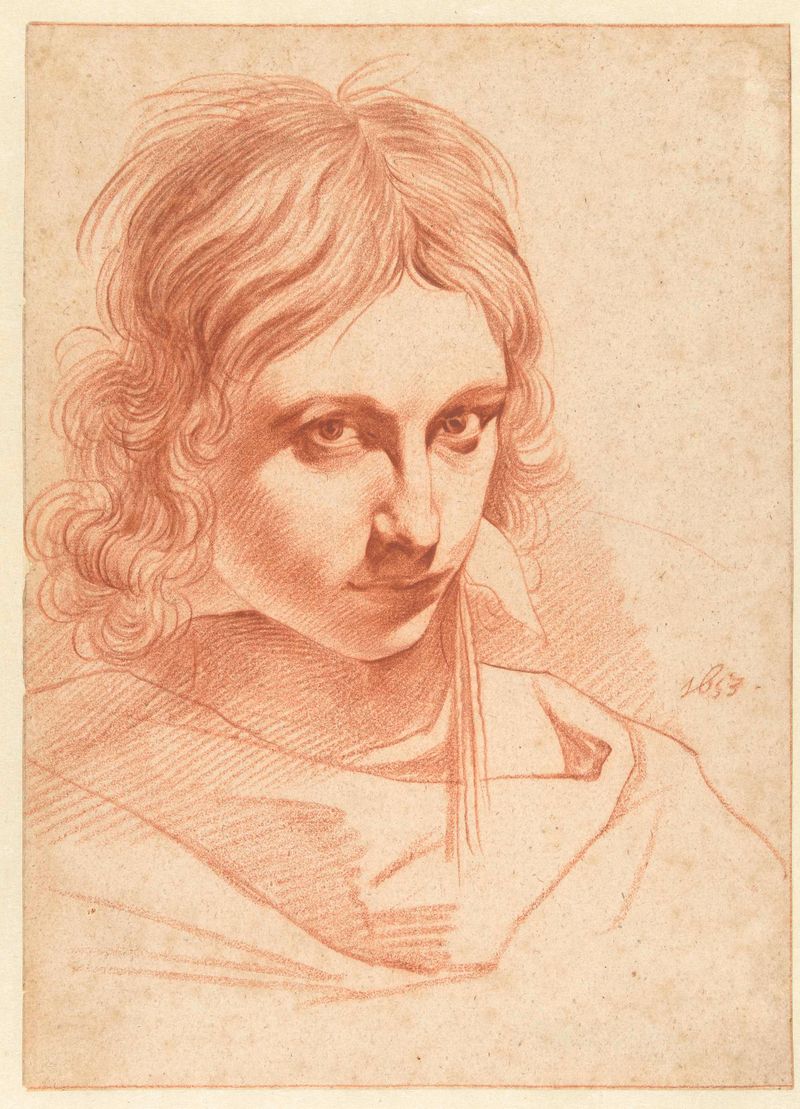
Zelfportret van Leendert van der Cooghen (?)
Leendert van der Cooghen

Hoofd van een jongen, naar rechts
Leendert van der Cooghen
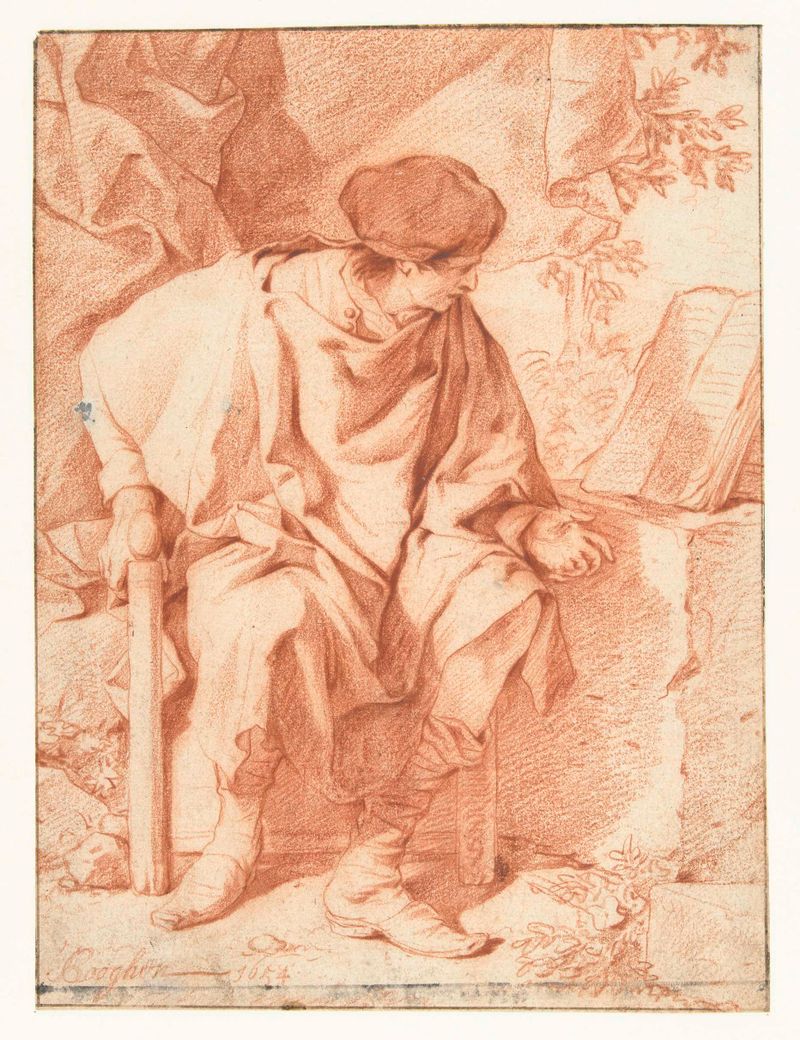
Landschap met een lezende man
Leendert van der Cooghen
More Religious Art
Browse all →
The Return of the Prodigal Son
Rembrandt van Rijn

The Garden of Earthly Delights
El Bosco

Count Orgaz’ funeral
El Greco

The Hundred Guilder Print: the central piece with Christ preaching, the plate arched
Rembrandt van Rijn

The Descent from the Cross
Rogier van der Weyden

The return of the prodigal son
Rembrandt van Rijn