Kamerpot met het alliantiewapen Torck-De Rode van Heeckeren — History & Facts
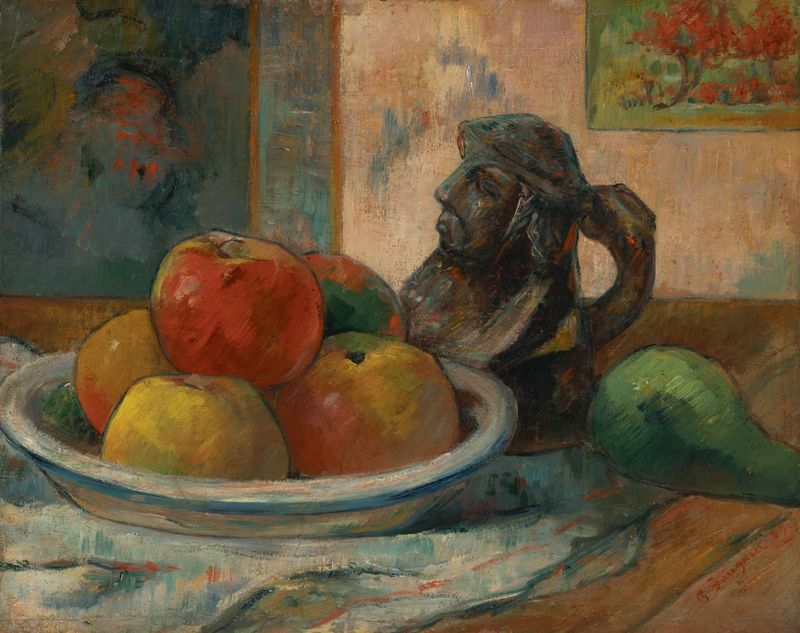
What if beauty was never meant to be finished? In the quiet elegance of a still life, the silence speaks, inviting contemplation of the objects that fill our lives yet often go unnoticed. Focus your gaze on the center of the composition, where a striking kamerpot takes prominence, adorned with the intricate alliance coat of arms of Torck-De Rode van Heeckeren. The porcelain gleams against a darkened background, each brushstroke revealing the meticulous craftsmanship and the interplay of light that caresses its surface. Notice how the subtle gradients of color harmonize, whispering tales of nobility and tradition, while the serene arrangement of accompanying fruits and flowers suggests a fleeting moment of abundance. Delve deeper into the juxtaposition of the pot's sturdy presence against the ephemeral beauty of the surrounding flora.
The crispness of the flower petals contrasts with the smooth porcelain, highlighting the tension between permanence and transience. Each element, seemingly mundane, reflects a world of meaning—reminders of life’s fragile beauty held within a moment of stillness. The composition urges viewers to ponder what lies beneath the surface, inviting introspection on the relationship between objects and the passage of time. Created in 1750, this piece emerged during a period when Harmanus Nieuwenhuys was establishing his reputation in the Dutch art scene.
Living in Amsterdam where still life painting flourished, he embraced the intricacies of everyday objects, reflecting the era’s appreciation for both aesthetic beauty and the evanescent nature of life. This work stands as a testament to his skill at capturing the essence of beauty and the silence that envelops it.