Kandelaar met drie nodi, versierd met email — History & Facts
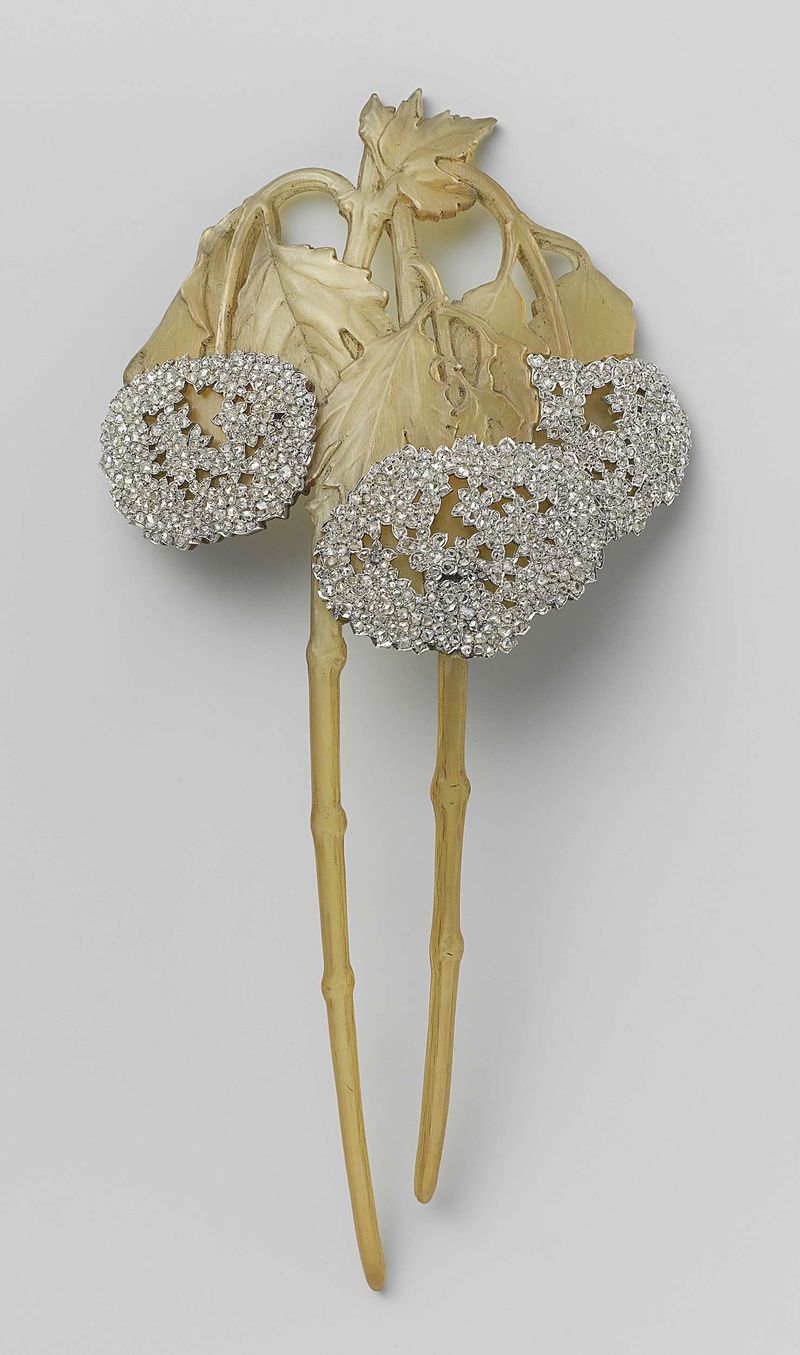
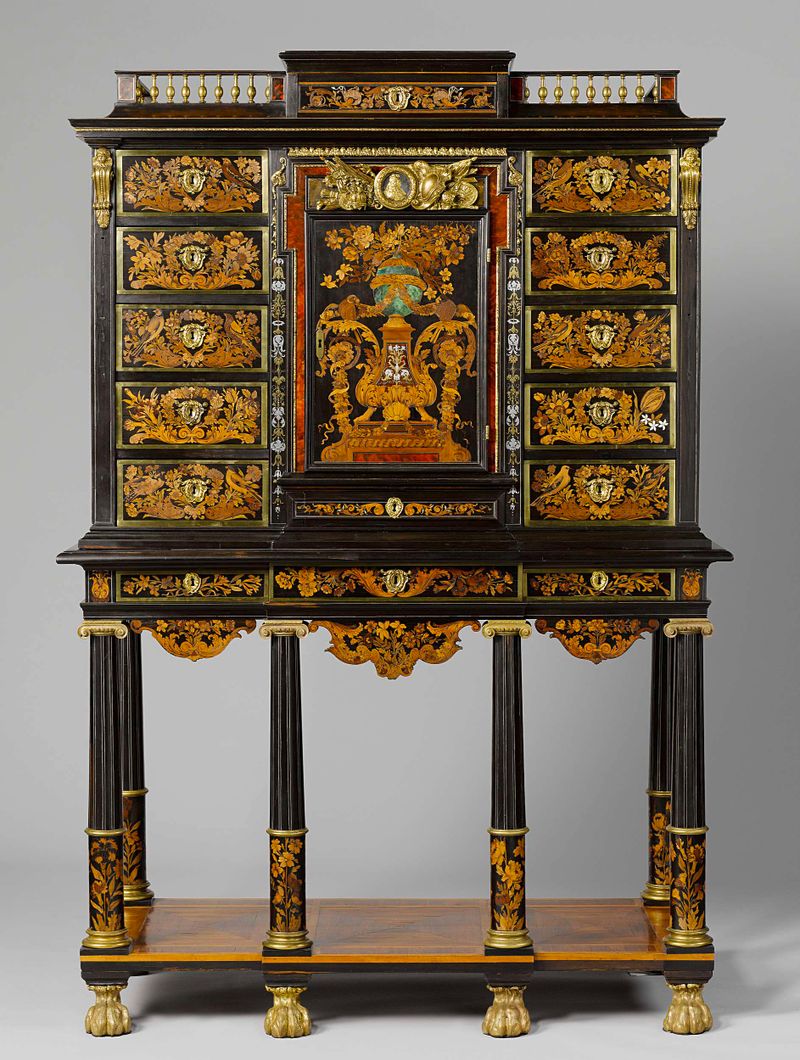
When did color learn to lie? The vibrant hues of this gilded candelabrum beckon with a deceptive allure, challenging our perceptions of permanence and the fleeting nature of life. Each glimmering detail masks the inevitable truth: beauty will fade, and mortality lies beneath the surface. Focus your gaze on the intricate enamel work, the bold reds and blues swirling together like whispered secrets. Notice how the light interacts with the surface, revealing a delicate interplay between shadow and brilliance.
The three nodi, or knobs, stand out prominently, their elaborate designs inviting your touch, yet they are a reminder of the transient nature of craftsmanship—each curve a testament to both skill and temporality. Within this ornate masterpiece lies a rich tapestry of meanings. The nodi symbolize not only stability but also the fragility of existence; they are like small pillars supporting the weight of life itself. The vibrant colors, while striking, may represent the illusions we create around mortality, the way we adorn our lives even as they hurtle toward an end.
This object, meant to illuminate, serves as a poignant reminder of both the beauty and impermanence of the human experience. Created between 1175 and 1225, this candelabrum reflects a period of burgeoning craftsmanship in medieval Europe. The artist, whose identity remains a mystery, was part of a time when color and design flourished in sacred spaces, a response to the burgeoning demand for liturgical objects. This art piece illuminates not just the physical realm but also the shifting attitudes toward life, death, and the divine that permeated the era's creative expressions.
More Artworks by Unknown Artist
Browse all →
Ridder, Dood en Duivel
Unknown Artist

Shiva Nataraja
Unknown Artist

Portrait of Elizabeth I, Queen of England
Unknown Artist

Dolls’ house of Petronella Oortman
Unknown Artist

Shiva Nataraja
Unknown Artist

The Tale of Genji
Unknown Artist

The Tale of Genji
Unknown Artist

Cong
Unknown Artist

The bodhisattva Maitreya
Unknown Artist

Teabowl with a 'hare's fur' glaze
Unknown Artist