Kapothoedje van machinaal zwart Chantillykant en zwarte Blonde — History & Facts
In the delicate intricacies of lace, echoes of longing and absence emerge, weaving a narrative of loss into every thread. Look to the fine, overlapping patterns that form a complex tapestry of black threads; each loop and knot invites you to trace its journey. Notice how the light dances on the surface, creating a subtle sheen that contrasts with the deep, matte darkness of the fabric. This interplay of textures not only showcases exquisite craftsmanship but also evokes a sense of intimacy and fragility, as if the lace itself holds memories trapped within its fibers. As you delve deeper, consider the duality embedded within the lace—a symbol of beauty interlaced with sorrow.
The juxtaposition of Chantilly lace's intricate beauty against the somber palette of black suggests a celebration of life intertwined with the inevitability of loss. Each pattern may echo the stories of those who wore it, hinting at connections severed by time yet preserved in the art itself, whispering silent tales of unreciprocated love or departed companions. Created around 1885, this piece emerges from an era marked by a fascination with craftsmanship and the revival of historic textile traditions. The artist, though unknown, reflects a period where intricate lacework was both a statement of luxury and personal expression.
Amidst the social changes of the late 19th century, this work captures a poignant moment in history, where art serves as a vessel for memory, loss, and the enduring human experience.
More Artworks by Unknown Artist
Browse all →
Ridder, Dood en Duivel
Unknown Artist
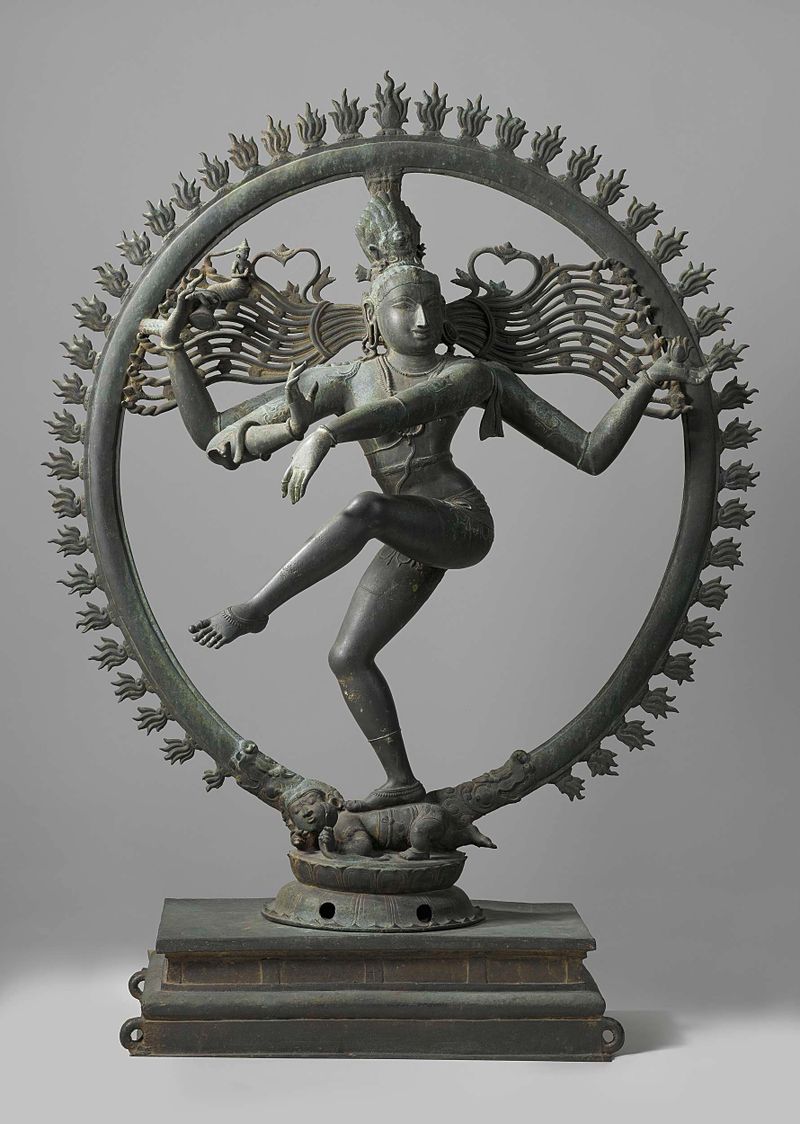
Shiva Nataraja
Unknown Artist
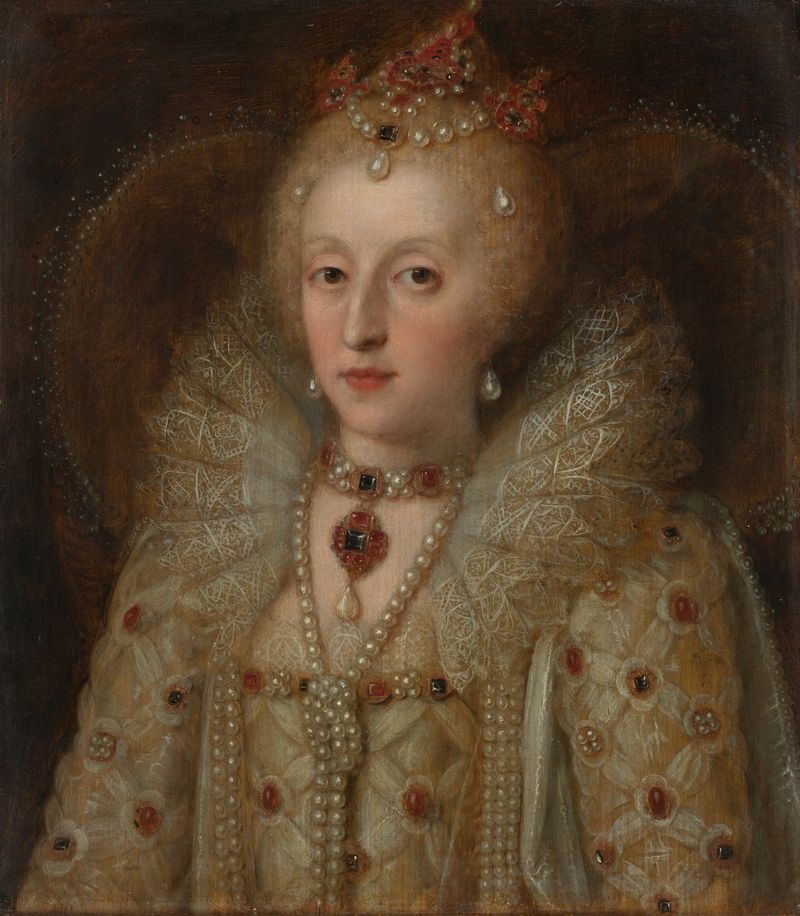
Portrait of Elizabeth I, Queen of England
Unknown Artist
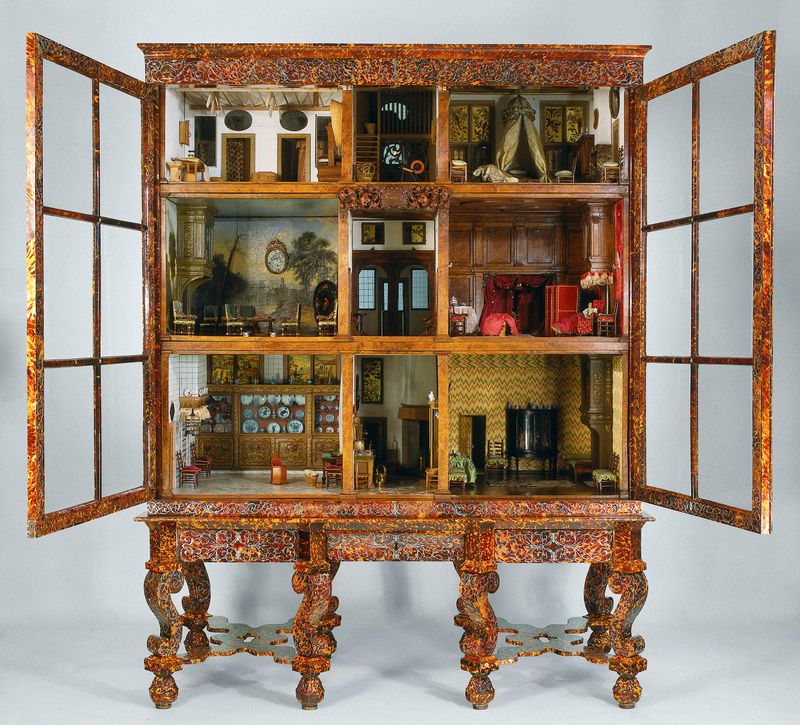
Dolls’ house of Petronella Oortman
Unknown Artist
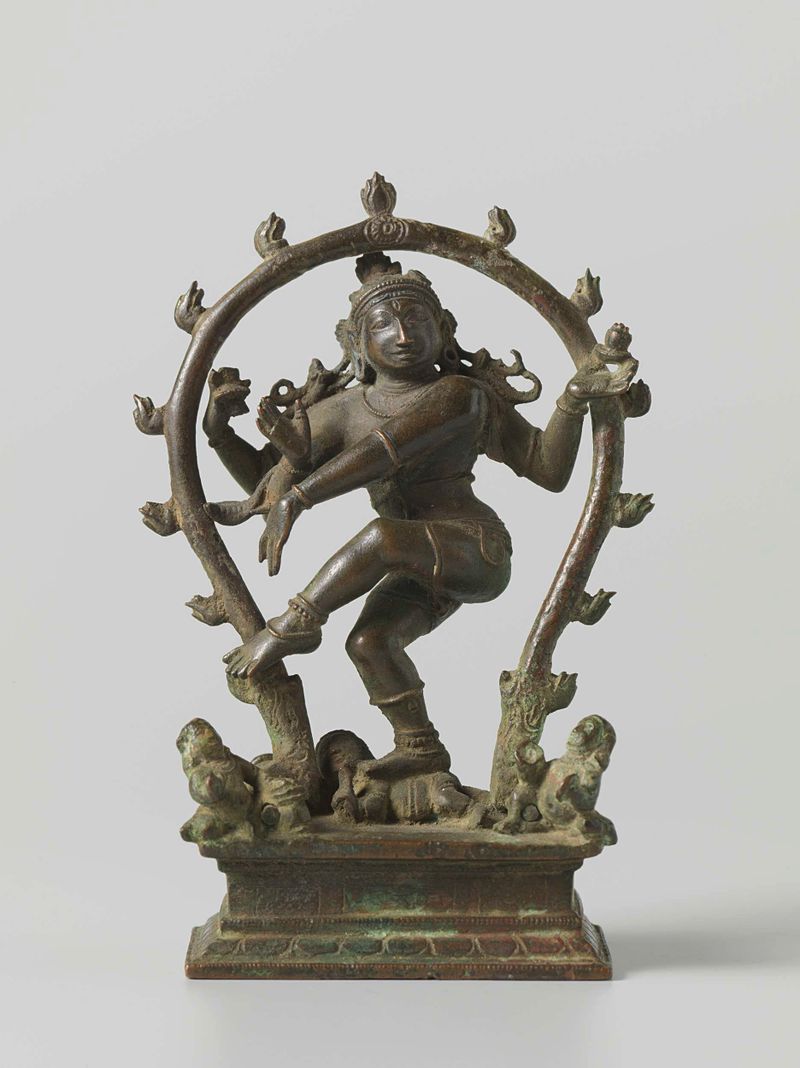
Shiva Nataraja
Unknown Artist

The Tale of Genji
Unknown Artist

The Tale of Genji
Unknown Artist

Cong
Unknown Artist
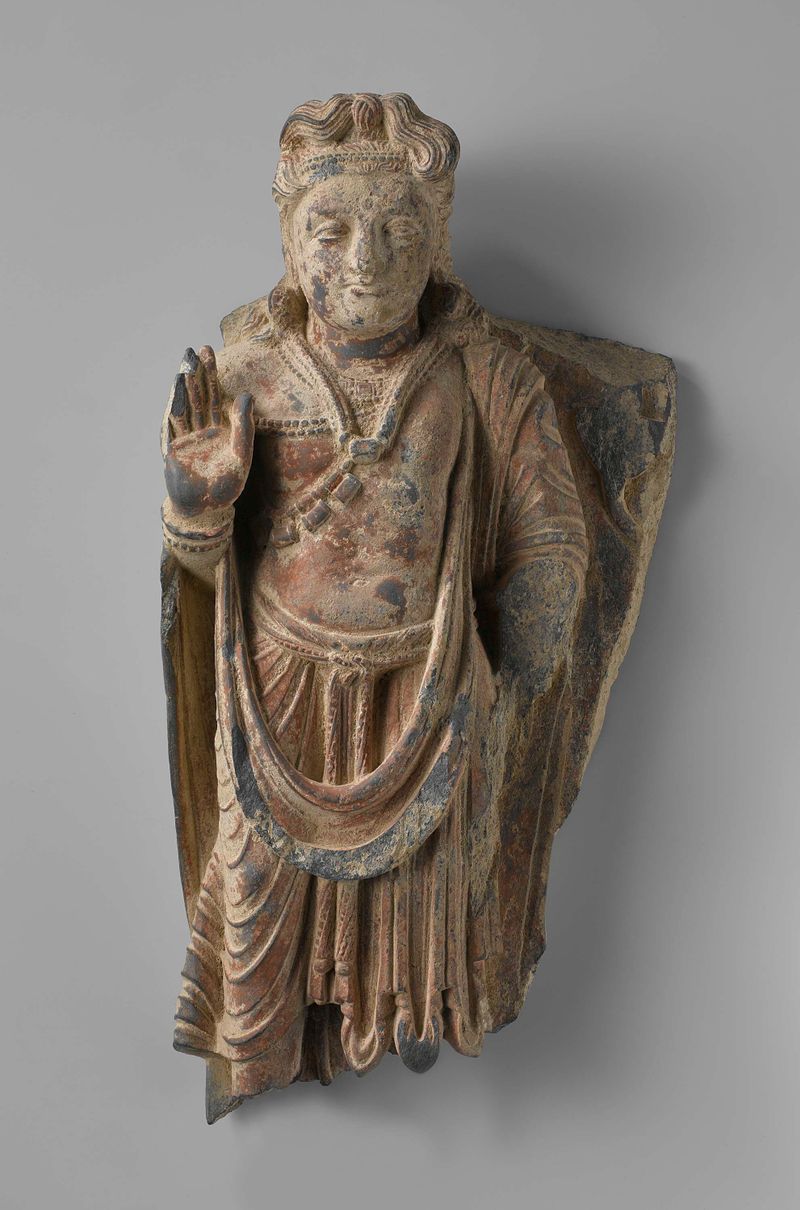
The bodhisattva Maitreya
Unknown Artist

Teabowl with a 'hare's fur' glaze
Unknown Artist