
Kastanienallee — History & Facts
In Kastanienallee, light becomes the unspoken narrator, weaving through the canopy of the trees and illuminating the secrets hidden in the shadows. The interplay of brightness and darkness compels the viewer to meditate upon the nuances of nature and solitude. Focus first on the dappled light filtering through the chestnut branches, creating a mosaic of sun and shade on the path below. Notice how the soft greens and browns merge harmoniously, inviting you to wander further into this tranquil scene.
The gentle brushwork captures the movement of leaves swaying in the breeze, while the rich textures evoke a sense of timelessness, making the viewer feel as if they can step right into this enchanting alleyway. Beneath the surface beauty lies a deeper emotional resonance. The contrasting light and shadow symbolize the duality of life, suggesting moments of joy intertwined with feelings of introspection and solitude. The quiet path, flanked by sturdy trees, evokes a sense of stillness that encourages reflection, echoing the notion of personal journeys and the stories we carry within ourselves. Created between 1905 and 1910, during a period of artistic transition, the work reflects Otto Friedrich's engagement with Impressionism and his interest in capturing the ephemeral quality of light.
Set against the backdrop of a changing Europe, the painting conveys a longing for simplicity and tranquility in an era marked by rapid modernization.
More Artworks by Otto Friedrich
Browse all →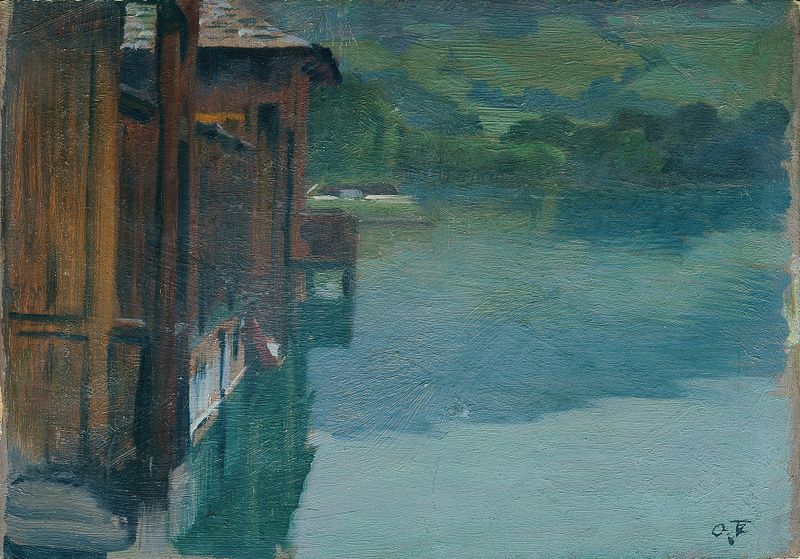
Bathing Cabin in Gmunden
Otto Friedrich
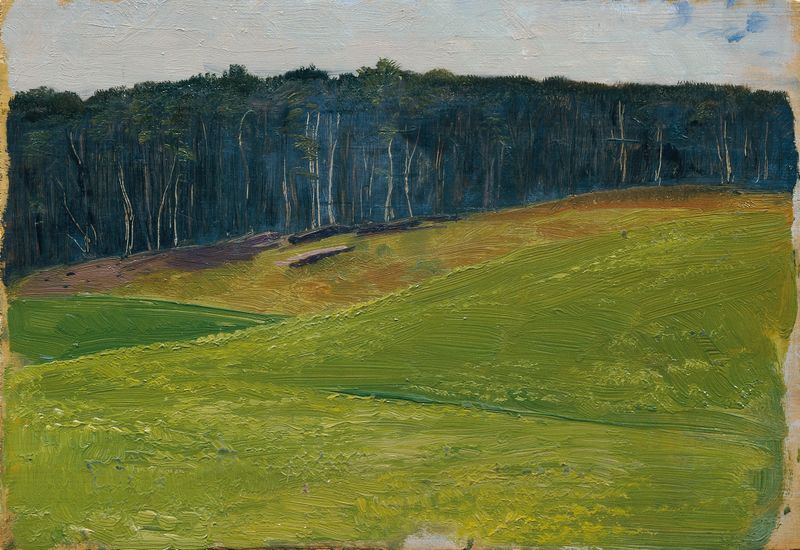
Hellgrüne Wiese Gegen Dunkle Waldlisière
Otto Friedrich
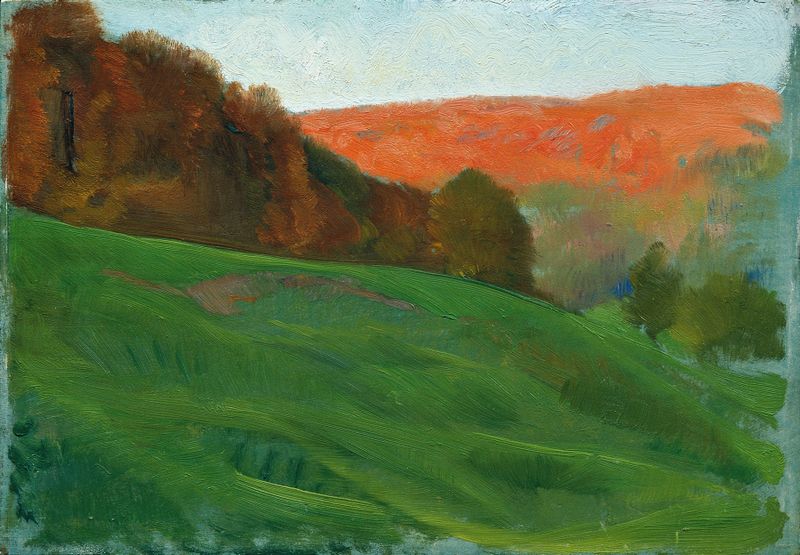
Herbstlicher Wald hinter grüner Wiese
Otto Friedrich
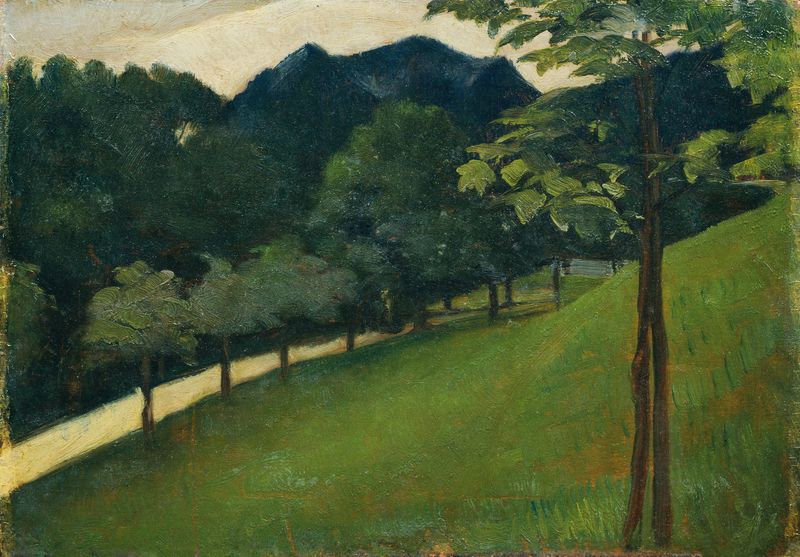
Blick Von Einem Grünen Abhang Gegen Eine Allee
Otto Friedrich
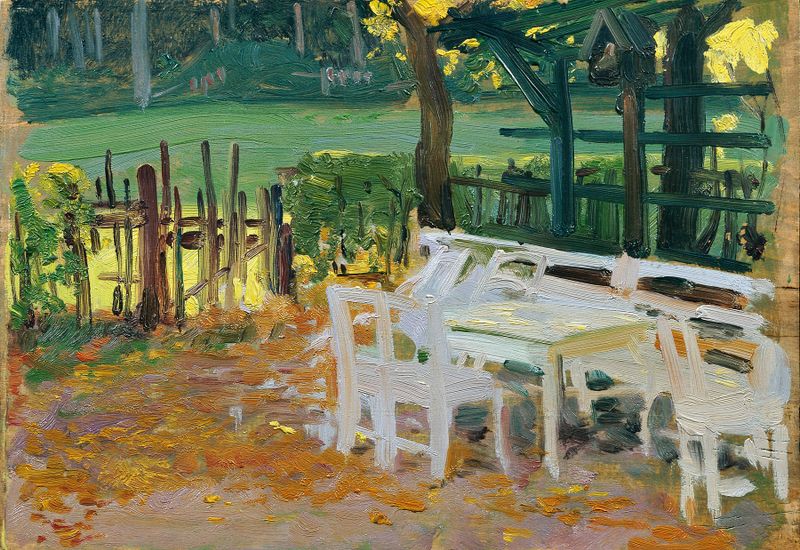
Gartenwinkel vor Holzzaun und Wiese
Otto Friedrich
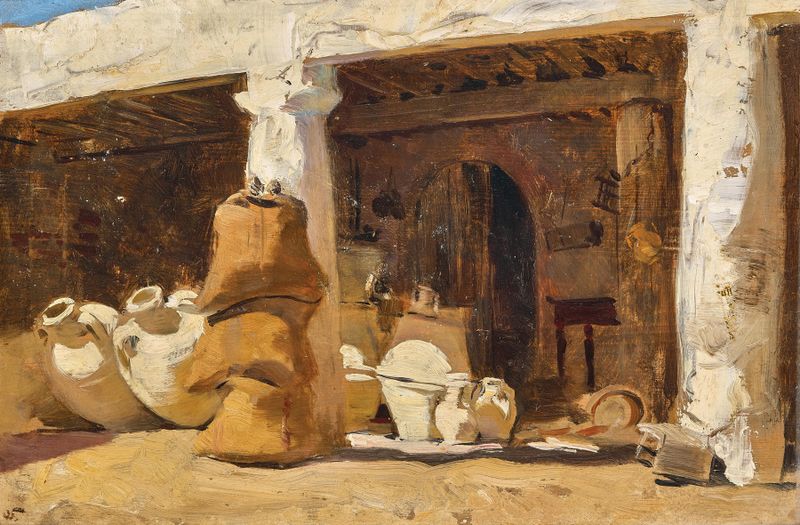
Vorratslager
Otto Friedrich
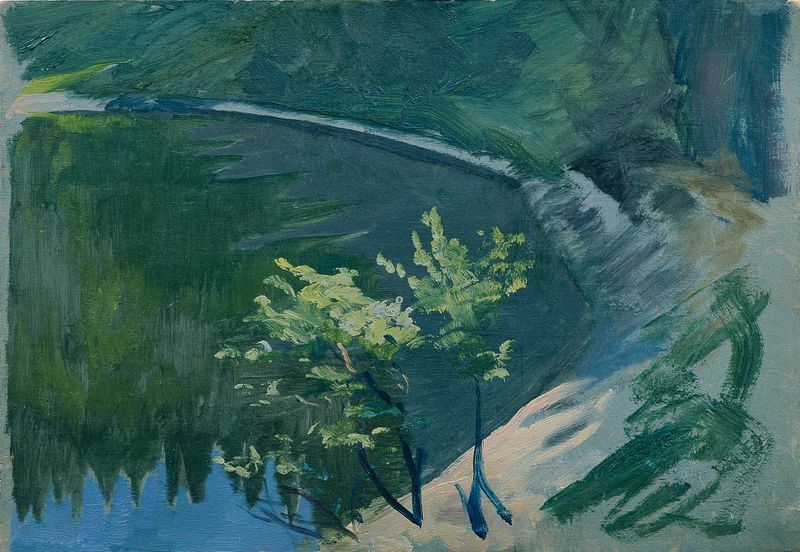
See-Ecke Beim Berghof
Otto Friedrich





