Kindermuts van Clunykant en witte batist — History & Facts
Each fold, each stitch of the fabric tells a story of transformation, capturing the quiet essence of a moment suspended in time. Look closely at the intricate embroidery of the cap, where delicate floral patterns dance across the white batist. The craftsmanship draws the eye, inviting you to trace the delicate lines that weave themselves into the fabric's surface. Notice how the soft hues of the embroidery stand in contrast to the purity of the white, suggesting both innocence and the complexity of life that lies beneath this seemingly simple object. This cap isn't just an article of clothing; it symbolizes a transition from girlhood to womanhood, a rite of passage steeped in cultural significance.
The textures evoke notions of protection and care, while the gentle curves of the fabric whisper of the tenderness that accompanies youthful dreams. Such details encapsulate a world where clothing carries the weight of memory—an heirloom forever altered by the hands that have touched it. Dating from around 1850 to 1900, this piece exemplifies the meticulous craftsmanship of its time, reflecting societal norms surrounding femininity and domesticity. The artist, whose identity remains unknown, likely worked amid a burgeoning appreciation for textile art in the Victorian era, a period when many women began to assert their roles beyond the confines of the household while still clinging to traditional values through their artistry.
More Artworks by Unknown Artist
Browse all →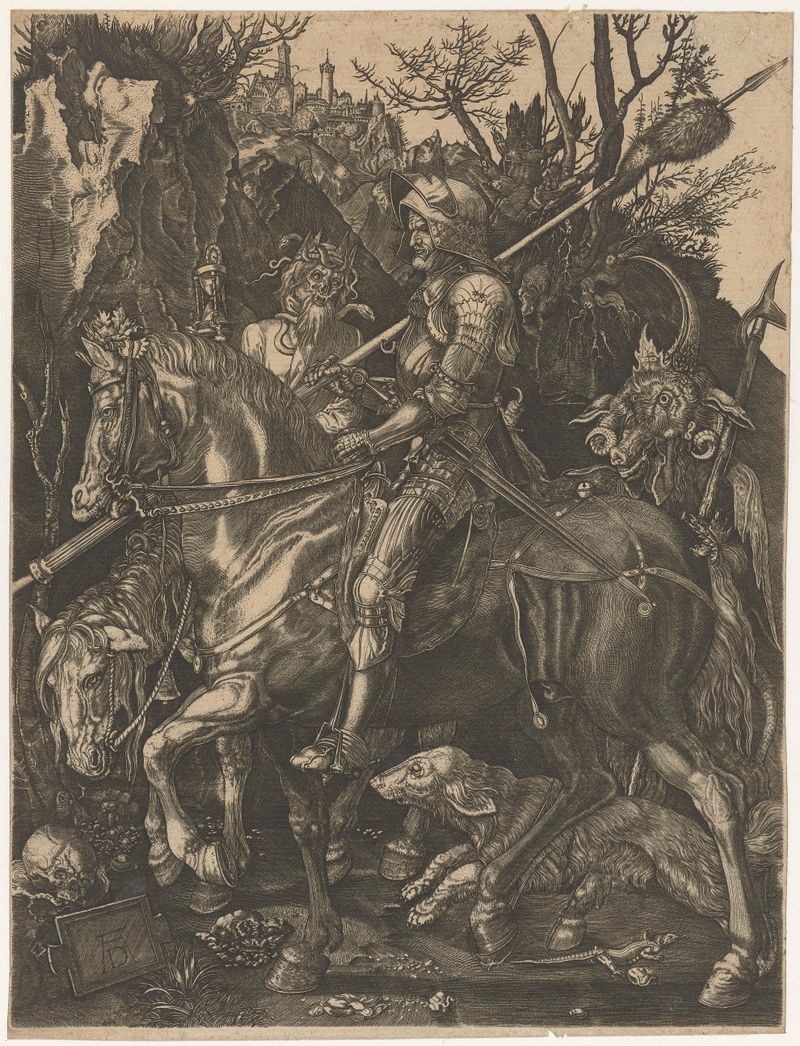
Ridder, Dood en Duivel
Unknown Artist
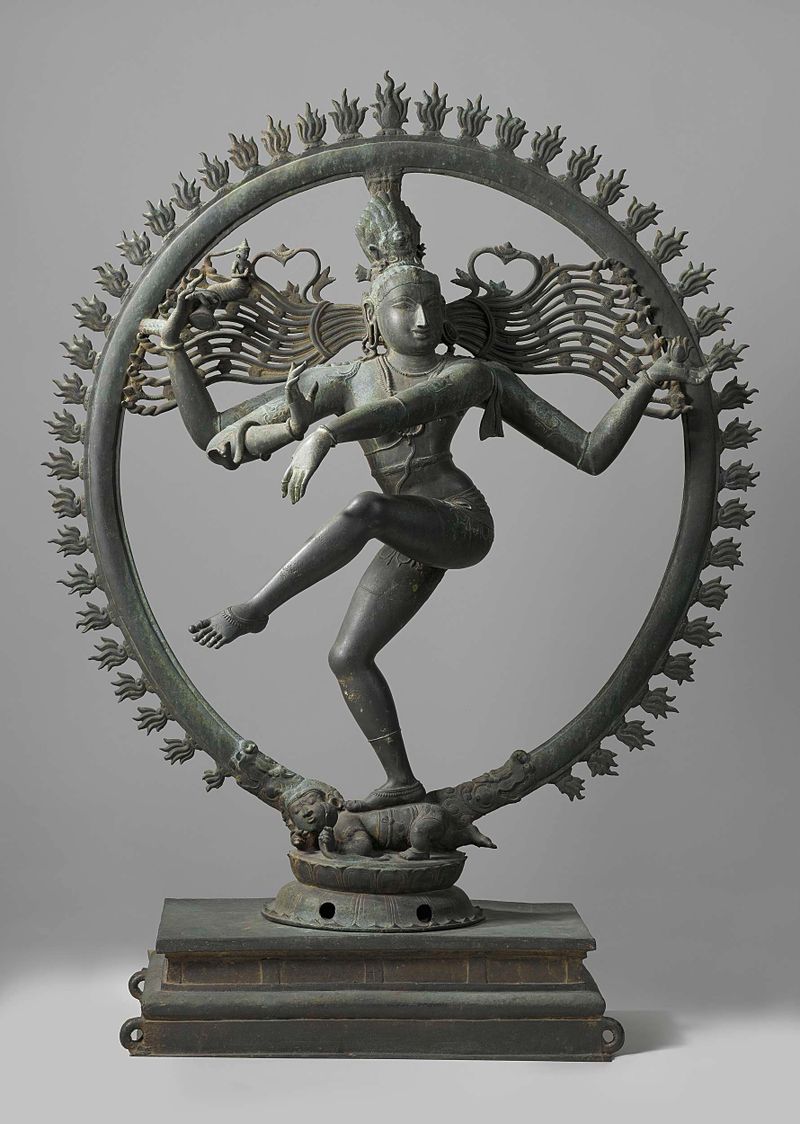
Shiva Nataraja
Unknown Artist
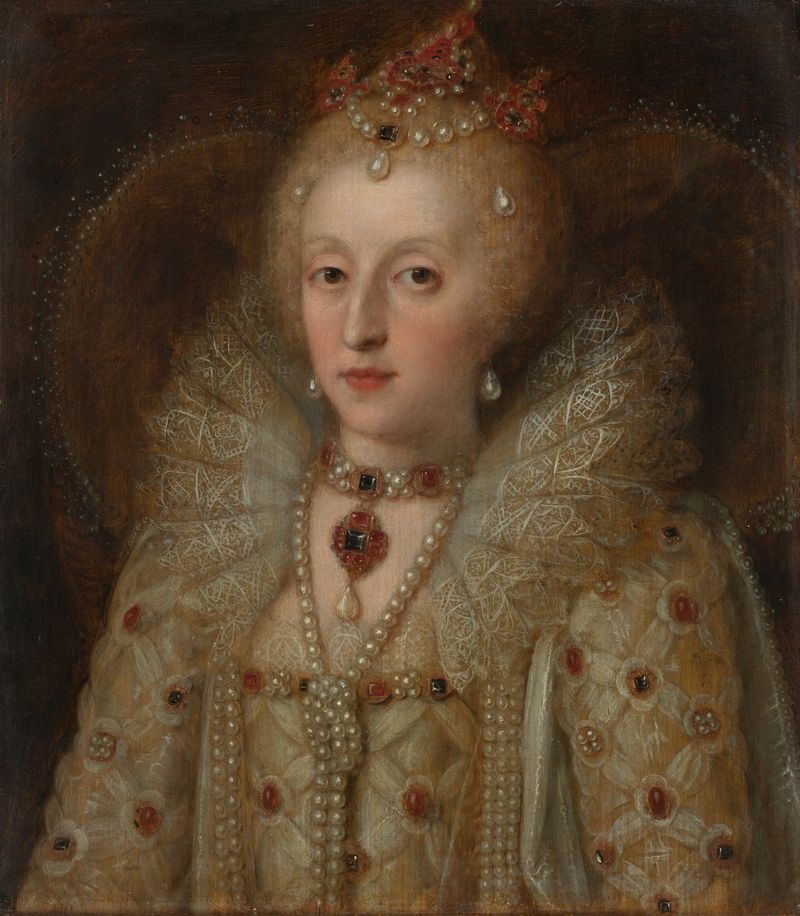
Portrait of Elizabeth I, Queen of England
Unknown Artist
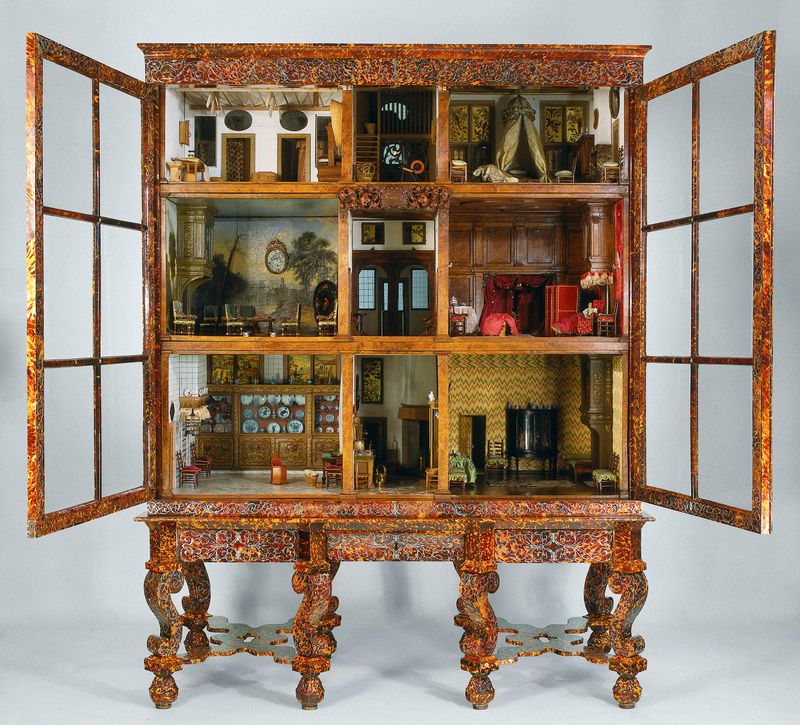
Dolls’ house of Petronella Oortman
Unknown Artist
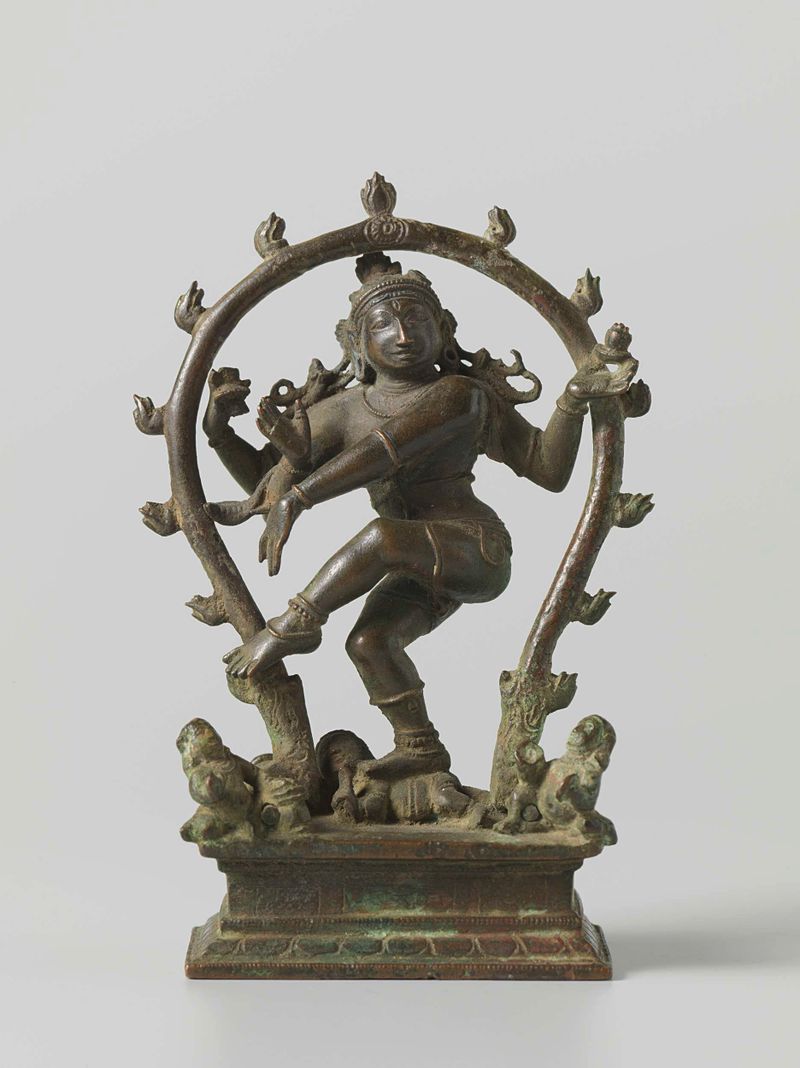
Shiva Nataraja
Unknown Artist

The Tale of Genji
Unknown Artist

The Tale of Genji
Unknown Artist

Cong
Unknown Artist
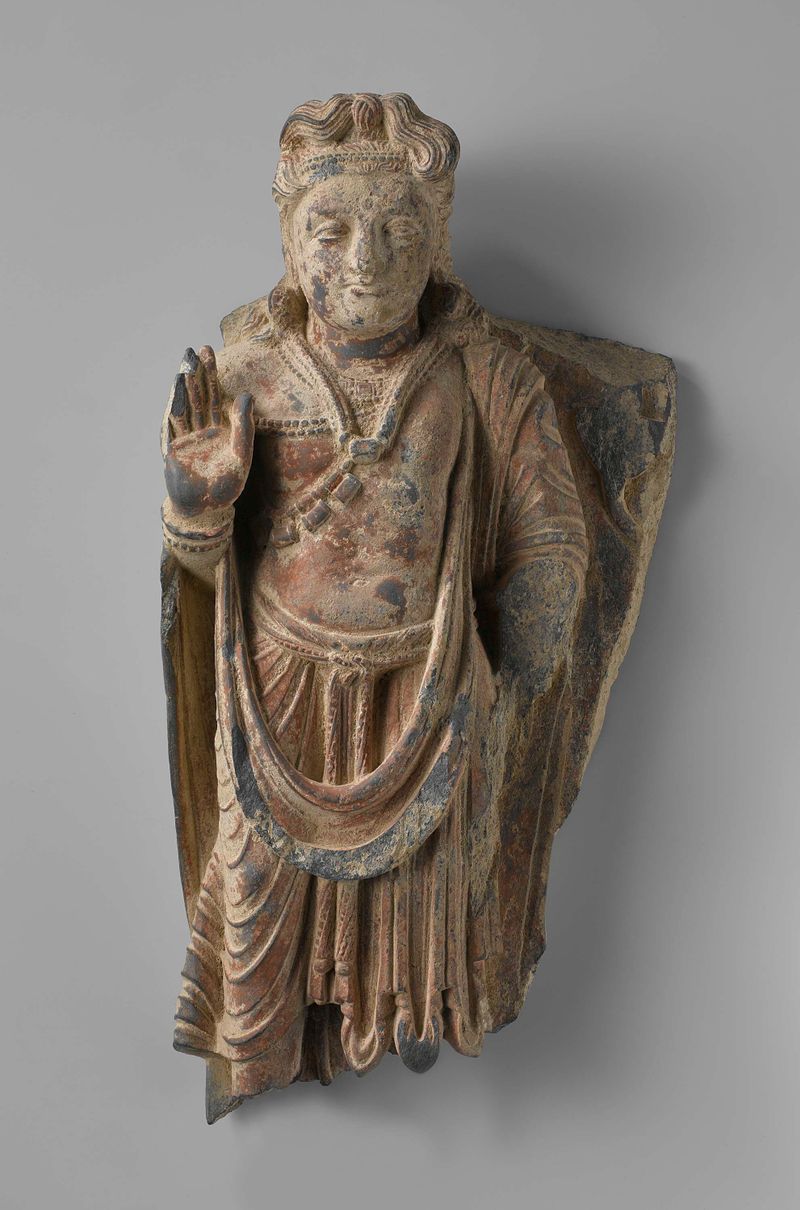
The bodhisattva Maitreya
Unknown Artist

Teabowl with a 'hare's fur' glaze
Unknown Artist