
Kircheninterieur — History & Facts
In art, reflection serves as both a mirror and a window, revealing the essence of what lies within and beyond. Look to the center of the composition where the high altar rises majestically. The light cascades from overhead windows, illuminating the delicate carvings and gilded details that define its splendor. Notice how Stöcklin employs soft earth tones, harmonizing with brighter accents to evoke a sense of serenity that envelopes the viewer.
Each brushstroke is deliberate, steering the eye through the intricate interplay of light and shadow that dances upon the stone walls. As you explore the periphery, subtle tensions emerge between the sacred and the secular. The juxtaposition of the ornate altar against the simplicity of pews conveys a powerful message about faith and devotion. In the shadows, less defined figures blur into anonymity, highlighting the individual’s search for belonging within the vastness of the divine space.
This duality leads one to contemplate the nature of worship itself—a personal journey intertwined with communal experience. Created in 1780, during a period marked by Enlightenment thought and changing religious sentiments, the artist found himself navigating a delicate balance between tradition and innovation. Working in Switzerland, Stöcklin's focus on interiors reflected the evolving role of churches in society, moving from solely places of worship to venues of cultural significance. This artwork embodies his response to the shifting tides within the world of art and the spiritual landscape of his time.
More Artworks by Christian Stöcklin
Browse all →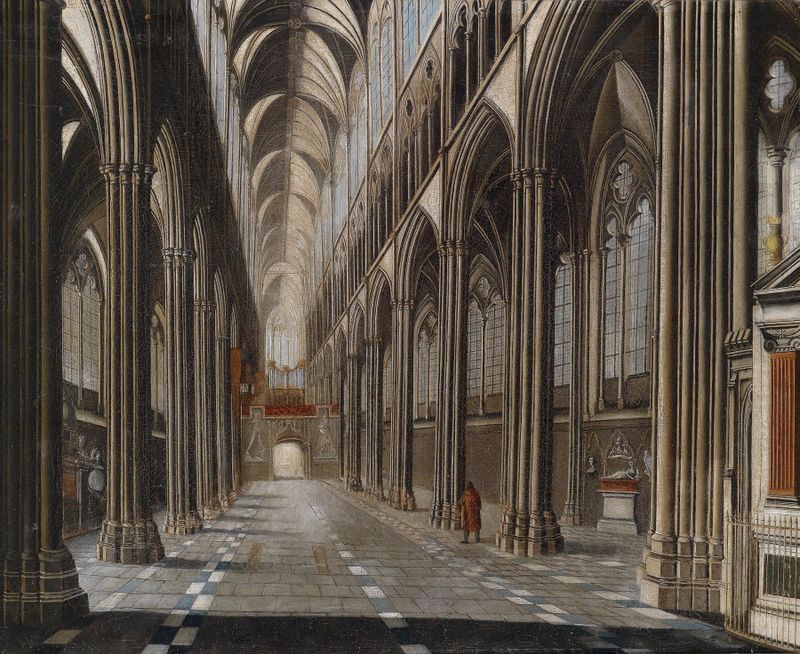
Gotisches Kircheninterieur
Christian Stöcklin
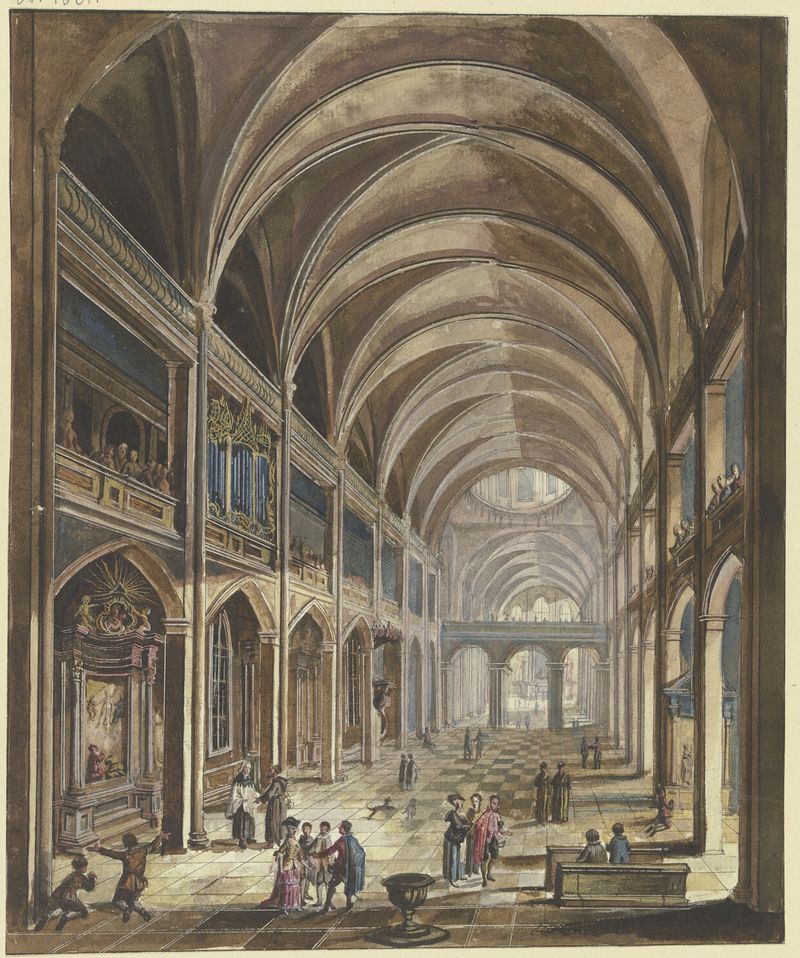
Blick In Ein Kircheninneres Mit Barockausstattung, Viele Figuren Als Staffage
Christian Stöcklin
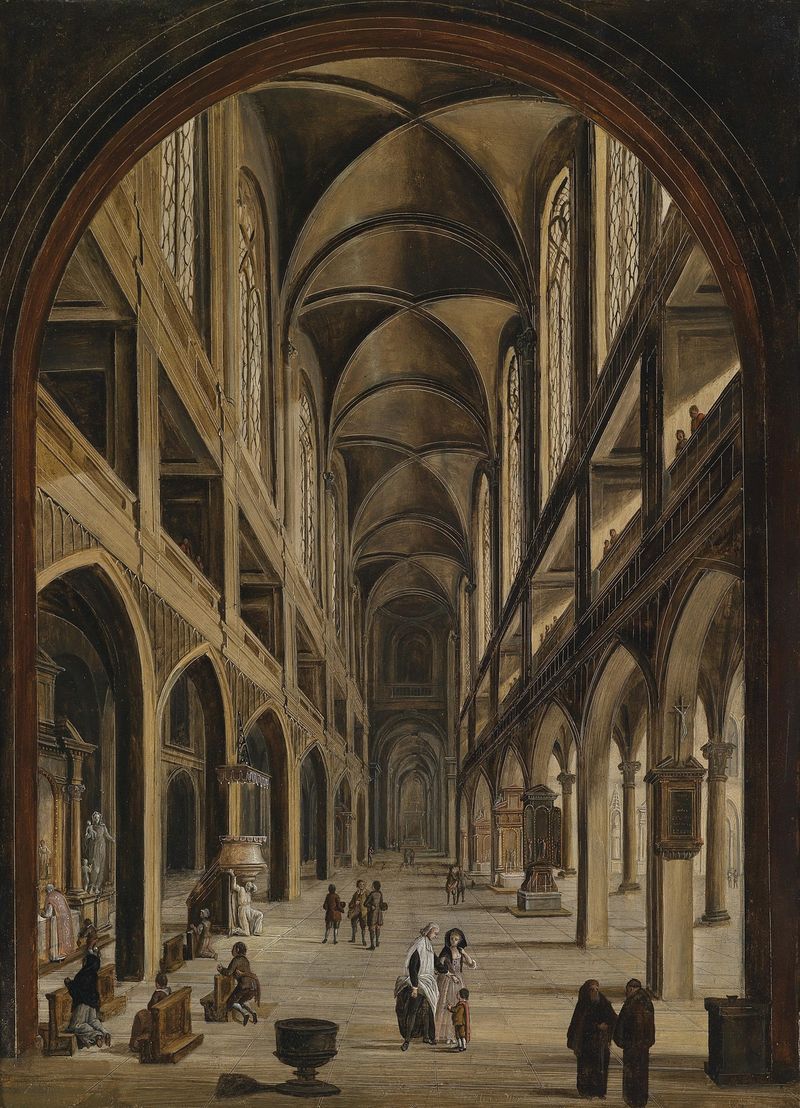
Kircheninterieur
Christian Stöcklin
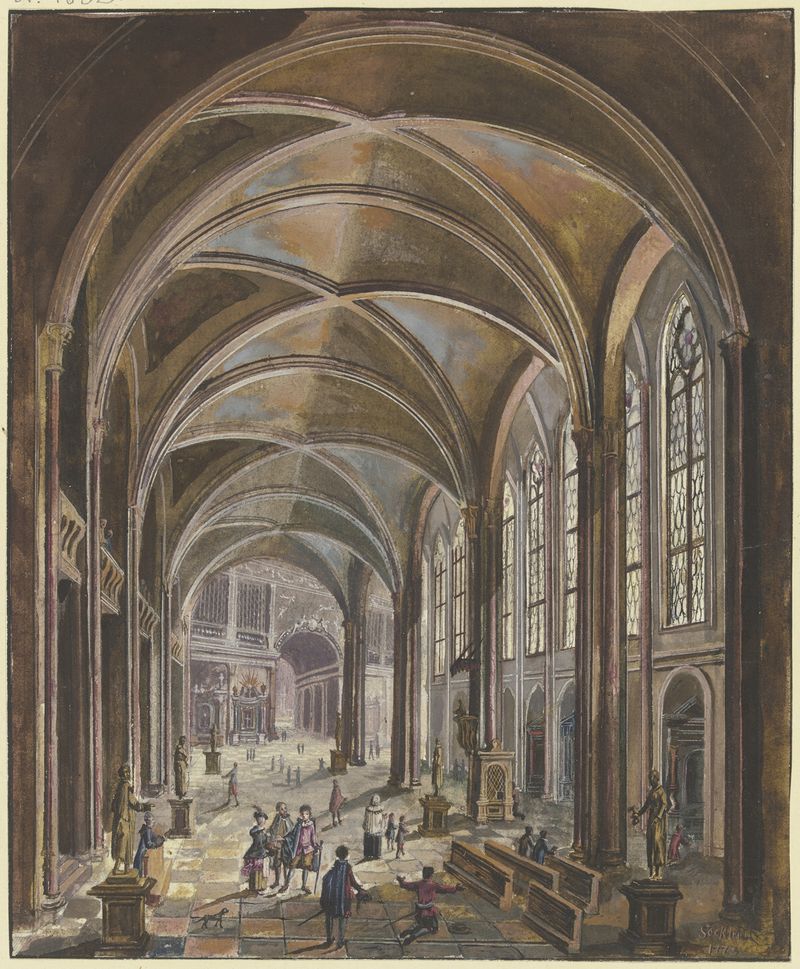
Blick In Ein Kircheninneres Mit Gotischen Fenstern Und Barockausstattung
Christian Stöcklin
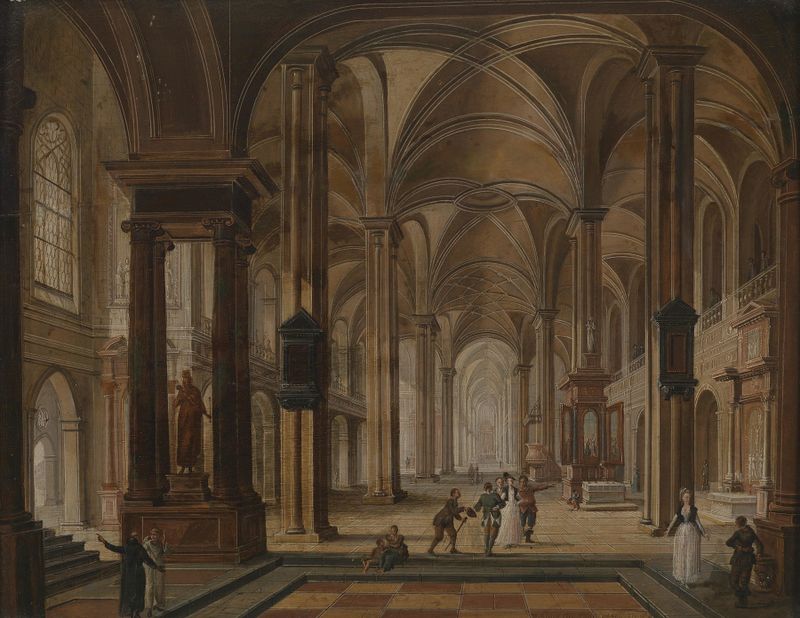
Kircheninterieur mit eleganten Personen
Christian Stöcklin
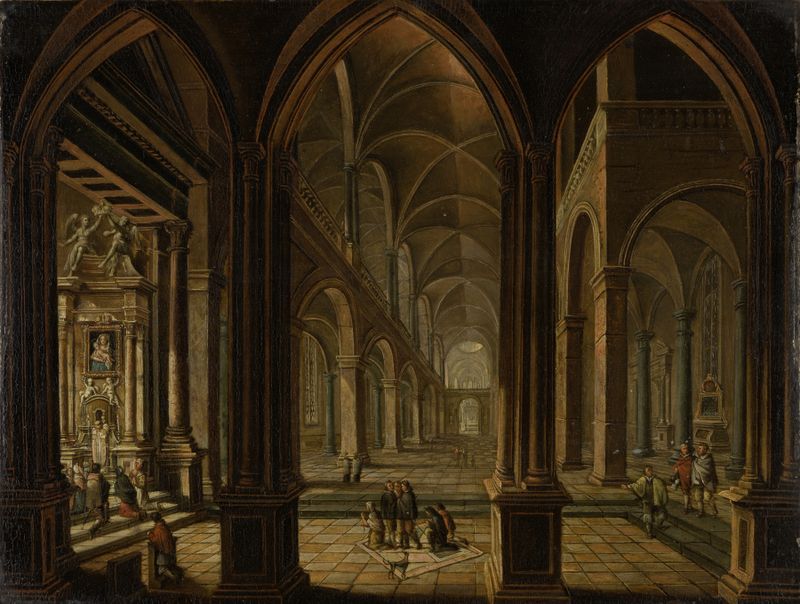
Church Interior
Christian Stöcklin
More Religious Art
Browse all →
The Return of the Prodigal Son
Rembrandt van Rijn

The Garden of Earthly Delights
El Bosco

Count Orgaz’ funeral
El Greco

The Hundred Guilder Print: the central piece with Christ preaching, the plate arched
Rembrandt van Rijn

The Descent from the Cross
Rogier van der Weyden

The return of the prodigal son
Rembrandt van Rijn