Blick In Ein Kircheninneres Mit Barockausstattung, Viele Figuren Als Staffage — History & Facts
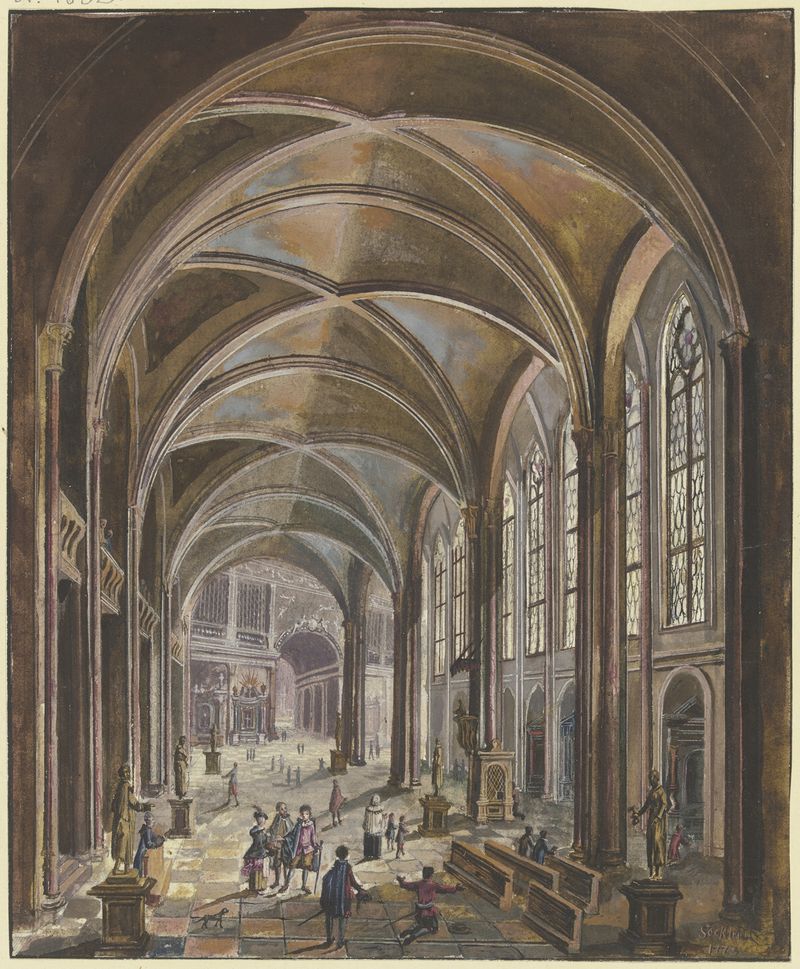
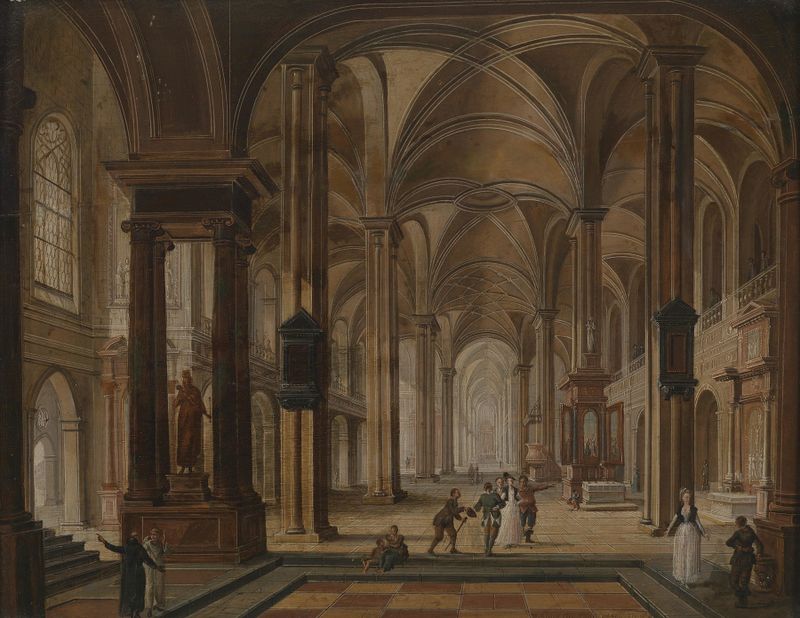
Can beauty exist without sorrow? In Blick In Ein Kircheninneres Mit Barockausstattung, Viele Figuren Als Staffage, we are invited to contemplate the intersection of divine grace and human experience within the sacred space of a baroque church. Look to the left, where the intricate details of the ornate altar draw the eye, gold gilding shimmering under the soft glow of candlelight. The deep hues of ochre and burgundy dominate the palette, evoking warmth and reverence, while the figures in the foreground—clad in period attire—interact within this hallowed setting. Each gesture and expression captures a fleeting moment, giving life to the stillness that envelops them.
The composition is masterful, leading the viewer's gaze from the grandeur above to the intimate connections below. Yet, beneath the surface of serene beauty lies a tapestry of contrasts. The light filtering through stained glass casts colorful shadows, representing both spiritual illumination and the fleeting nature of earthly existence. The congregants, seemingly absorbed in prayer, reveal a spectrum of emotions—some contemplative, others joyous—suggesting that within this sacred space, the highs and lows of life coexist.
This duality mirrors the human condition, where rebirth often emerges from the depths of sorrow. In 1773, Christian Stöcklin painted this work during a period of evolving artistic expression in Europe, where the baroque tradition still held sway amid the rising influence of neoclassicism. It was a time marked by a rich interplay of faith and artistic innovation, reflecting both personal and societal shifts. Stöcklin himself was navigating a world caught between old and new, capturing the essence of his time through the lens of spiritual introspection.