
Kirkdale House, Kirkcudbright, Scotland — History & Facts
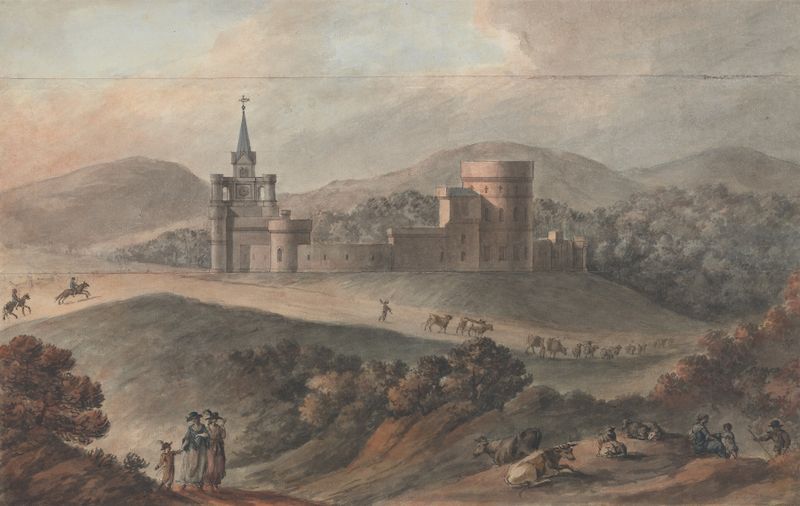
Where does light end, and longing begin? This question resonates through the careful architecture of Kirkdale House, where the interplay of shadow and brilliance creates a visual illusion that tugs at the heart. Look to the center of the canvas, where the facade stands elegantly, its pale stone warmed by the soft glow of sunlight. Notice how the light falls upon the finely carved details of the columns and window frames, creating a rich texture that draws the eye. The surrounding landscape, lush and inviting, frames the house in a natural embrace, while the strategic placement of the trees hints at the mysteries of the estate beyond the visible.
The balance of light and shadow captures not just the structure, but the spirit of the place. Delve deeper and observe the contrasts at play—the solidity of the stone structure against the ethereal quality of the surrounding nature. Here lies a tension between permanence and the fleeting moments of light that dance across the surface, reflecting the transient beauty of life itself. The viewer may sense a longing for connection, an invitation to explore the hidden stories held within those walls, where every window and door whispers of lives lived and dreams nurtured. In 1786, Robert Adam was entrenched in the neoclassical movement, producing works that celebrated symmetry and classical forms.
Painted during a period of innovation in architecture and design, this artwork emerged amidst Adam's own endeavors to redefine the aesthetic of Scottish estates, highlighting his desire to blend grandeur with nature. The painting stands as a testament to his vision, capturing not just a house, but an ideal—a harmonious relationship between man and the environment.
More Artworks by Robert Adam
Browse all →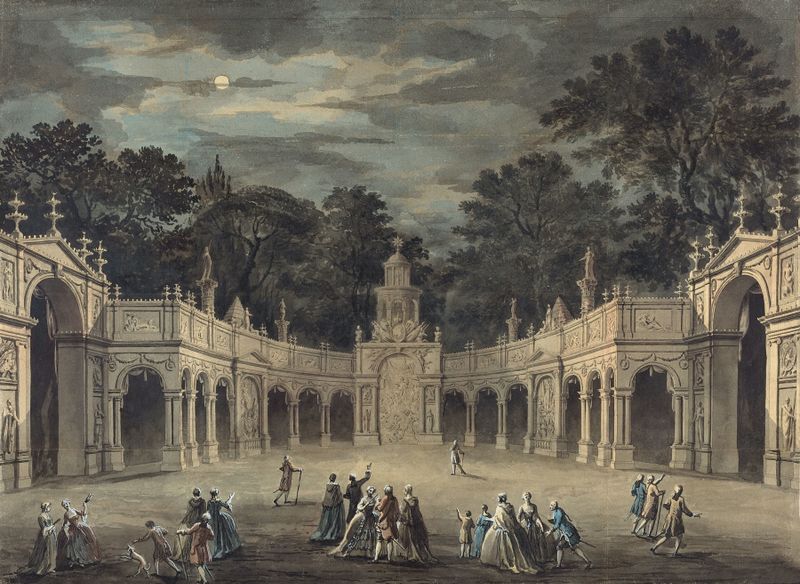
More Architecture Art
Browse all →
The statue of Liberty
Frédéric Auguste Bartholdi

View of Houses in Delft, Known as ‘The Little Street’
Johannes Vermeer

View of Houses in Delft, Known as ‘The Little Street’
Johannes Vermeer

The Cathedral in Rouen. The portal, Grey Weather
Claude Monet

The yellow house
Vincent van Gogh

The Church in Auvers-sur-Oise, View from the Chevet
Vincent van Gogh