Kleed van drie stroken kloskant met symmetrische kandelabermotieven die elkaar afwisselen — History & Facts
When did color learn to lie? The fabric drapes effortlessly, yet whispers secrets of void and absence with every intricate stitch—an enigma wrapped in beauty. Look closely at the delicate lace, where symmetry dances with shadow. Notice how the kandelabermotieven—those ornate motifs—intertwine across the textile, creating a visual rhythm that seduces the eye. The rich hues, from deep indigos to gentle creams, capture light in a way that feels both inviting and elusive, as if each shade holds a piece of an unspoken story. In this exquisite work, the duality of adornment versus emptiness emerges.
The repeating patterns suggest a sense of order, yet their very repetition evokes a feeling of monotony, leaving the viewer caught in a paradox. The void of the negative space becomes just as significant as the fabric itself, emphasizing the tension between opulence and absence—a reminder of what is both present and fundamentally missing in life's tapestry. Created around 1700, this piece reflects a time of flourishing textile artistry, especially in Europe where lace making was elevated to a high art. The artist, though unknown, created this work during an era when fashion and ornamentation were intricately tied to status and identity.
The cultural currents of the time were shifting, as craftsmanship was both celebrated and commodified, making this textile a fascinating artifact of its historical moment.
More Artworks by Unknown Artist
Browse all →
Ridder, Dood en Duivel
Unknown Artist
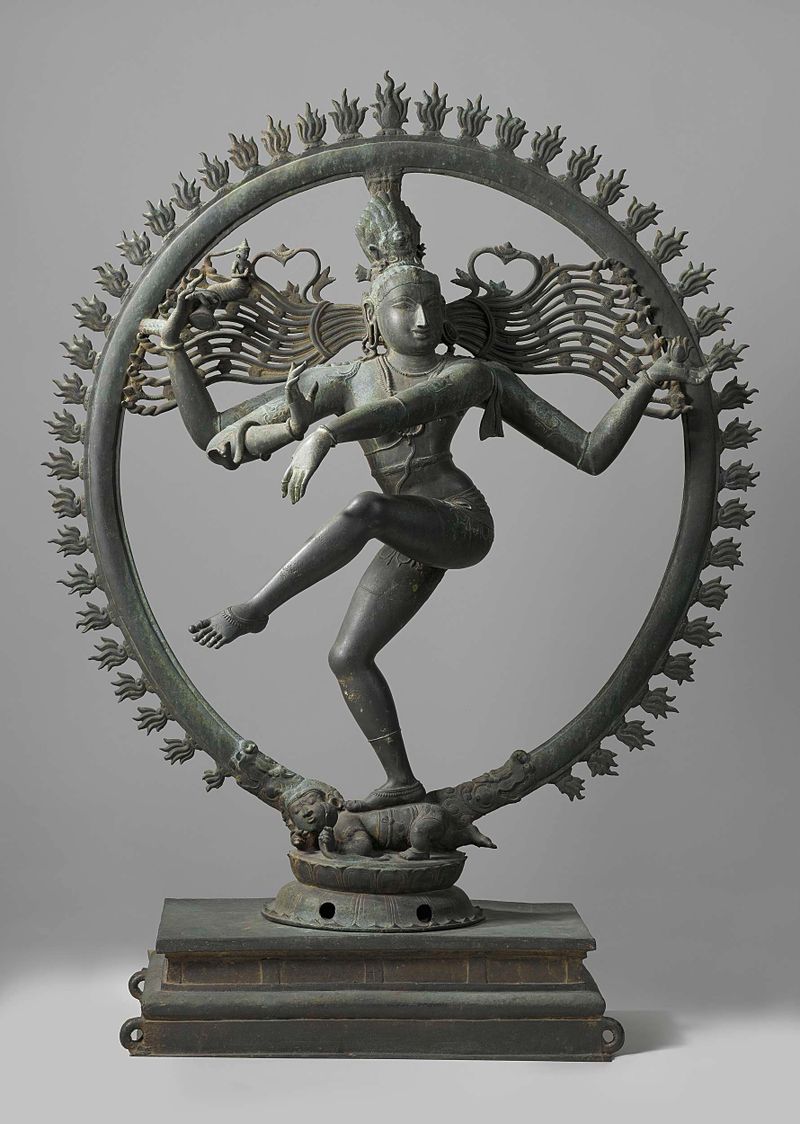
Shiva Nataraja
Unknown Artist
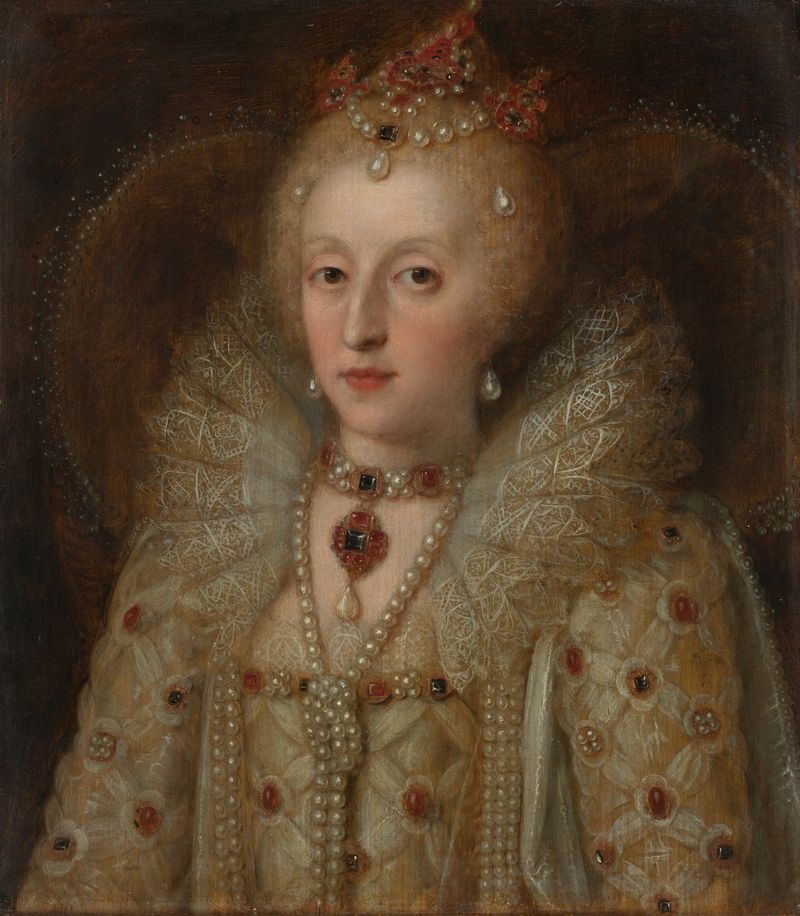
Portrait of Elizabeth I, Queen of England
Unknown Artist
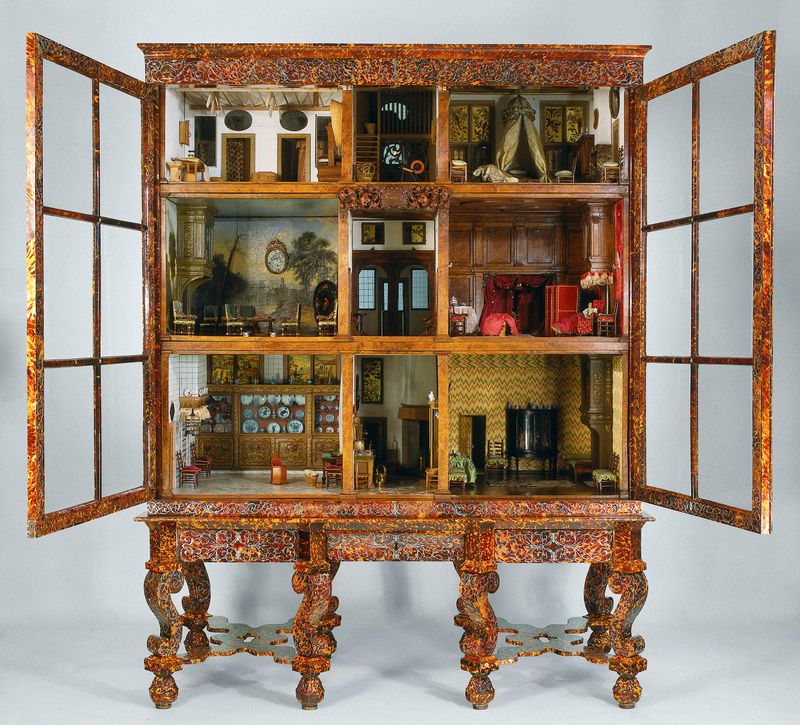
Dolls’ house of Petronella Oortman
Unknown Artist
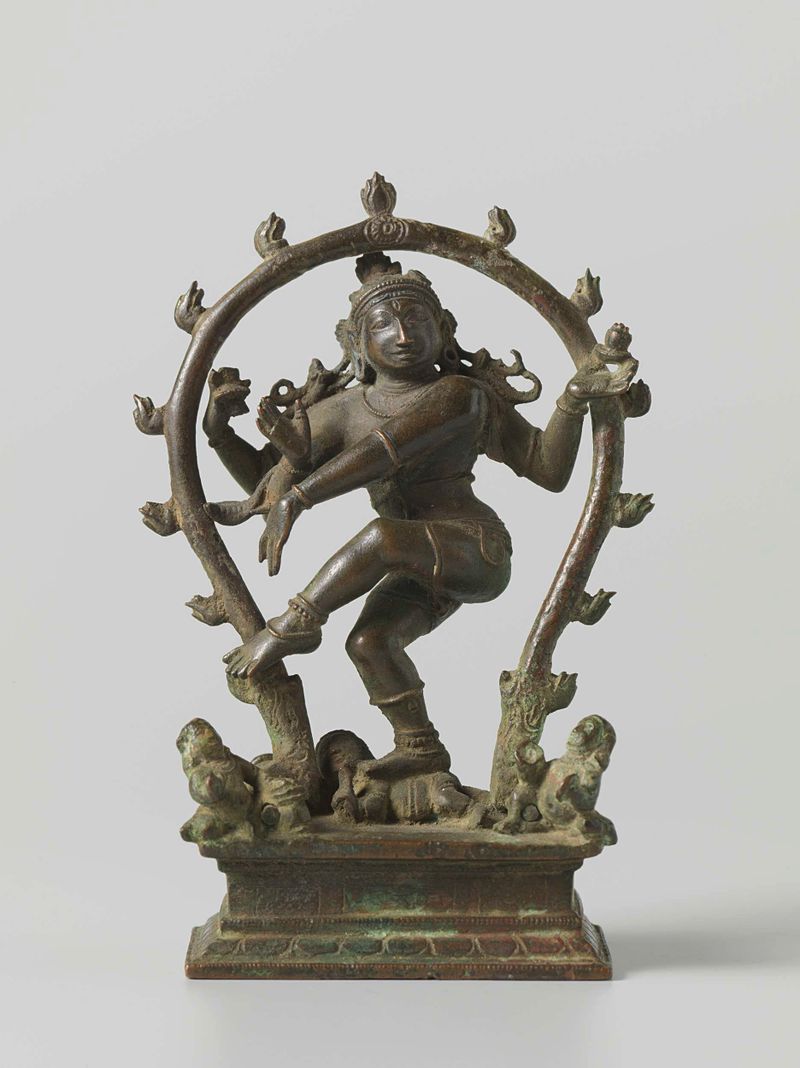
Shiva Nataraja
Unknown Artist

The Tale of Genji
Unknown Artist

The Tale of Genji
Unknown Artist

Cong
Unknown Artist
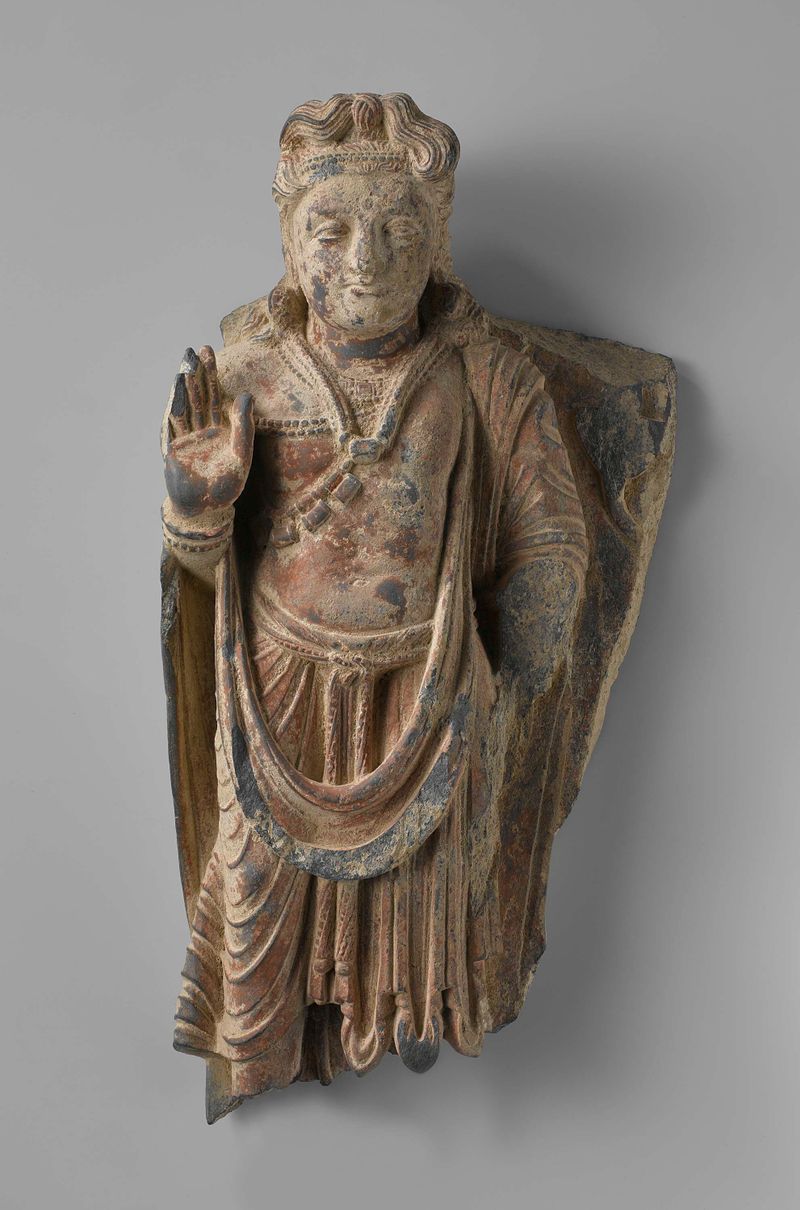
The bodhisattva Maitreya
Unknown Artist

Teabowl with a 'hare's fur' glaze
Unknown Artist