Kleedje van kloskant met één hele cirkel tussen vier halve en vier kwart cirkels — History & Facts
In the delicate interplay of lace and geometry, beauty speaks through intricate patterns, whispering secrets of craftsmanship and emotion. Look closely at the center of the composition; the perfect whole circle stands as a focal point, encircled by four halved and four quartered shapes. The meticulous detail of the lacework draws the eye, inviting admiration for the artist's skill. Each segment, with its unique curves and textures, balances the piece, creating a harmony that captures both order and spontaneity.
The subtle play of light against the fabric enhances the harmonious relationship between shadow and form. Beneath its surface, this artwork reveals deeper tensions between completeness and fragmentation. The solitary whole circle surrounded by its counterparts may symbolize the quest for wholeness amid life's complexity. The lace's fragility speaks to the transient nature of beauty, suggesting that perfection is often an illusion, while the incomplete circles echo a universal theme of longing and aspiration. Created in the late 19th century, this piece reflects a time when intricate textile arts flourished, often within domestic spaces.
The artist, unknown yet undoubtedly skilled, woven together the influences of traditional craftsmanship with the burgeoning appreciation for textile art as a worthy subject in its own right. It was an era marked by industrial advancements, yet this work stands as a testament to the enduring value of handmade beauty amidst rapid change.
More Artworks by Unknown Artist
Browse all →
Ridder, Dood en Duivel
Unknown Artist
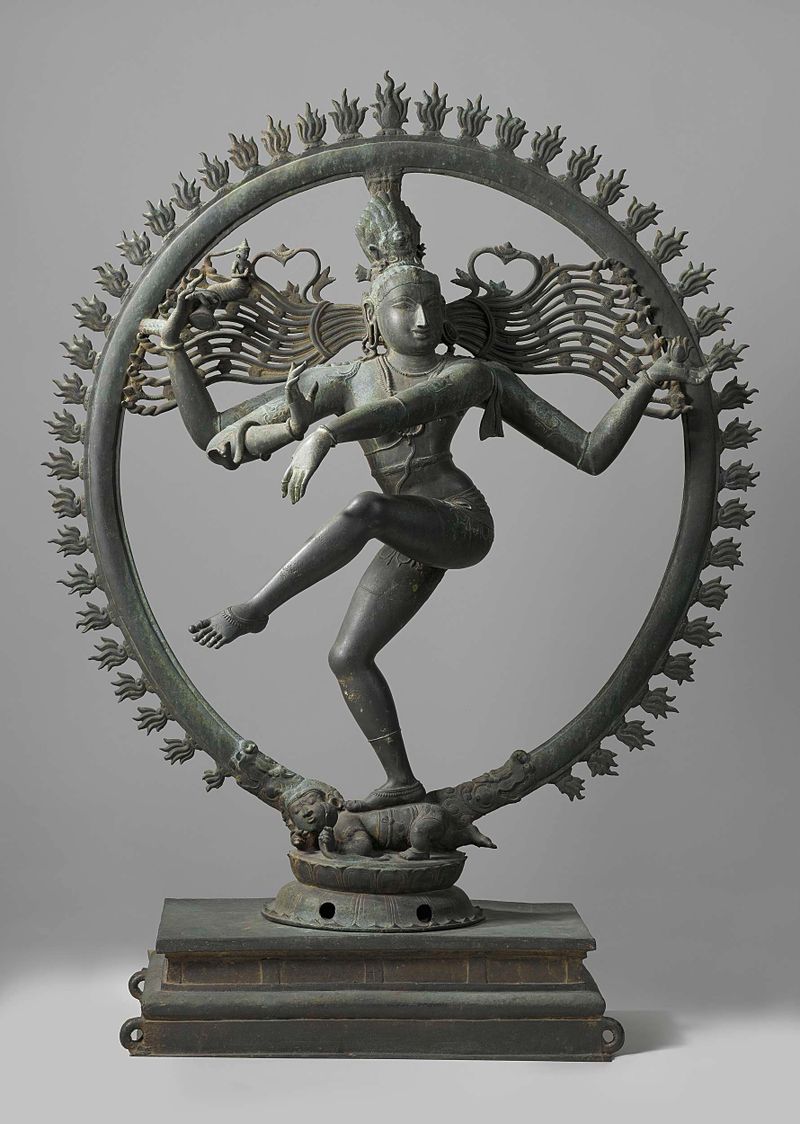
Shiva Nataraja
Unknown Artist
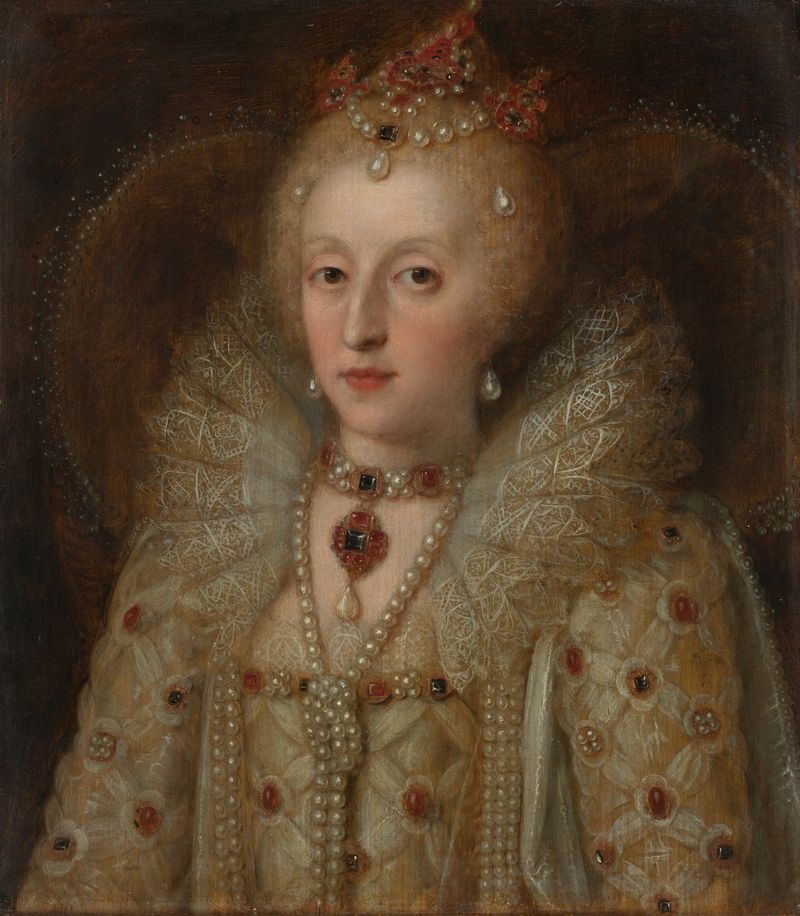
Portrait of Elizabeth I, Queen of England
Unknown Artist
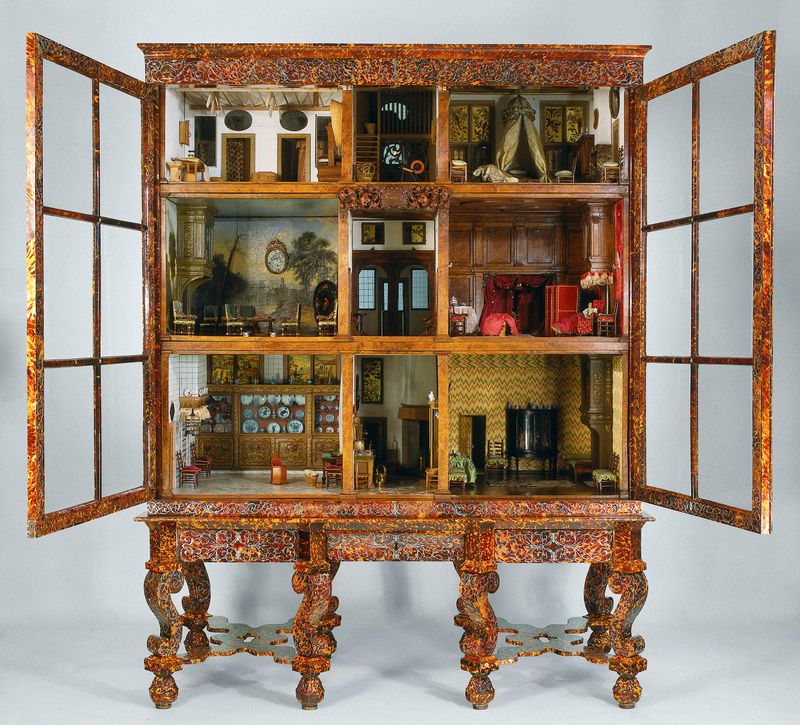
Dolls’ house of Petronella Oortman
Unknown Artist
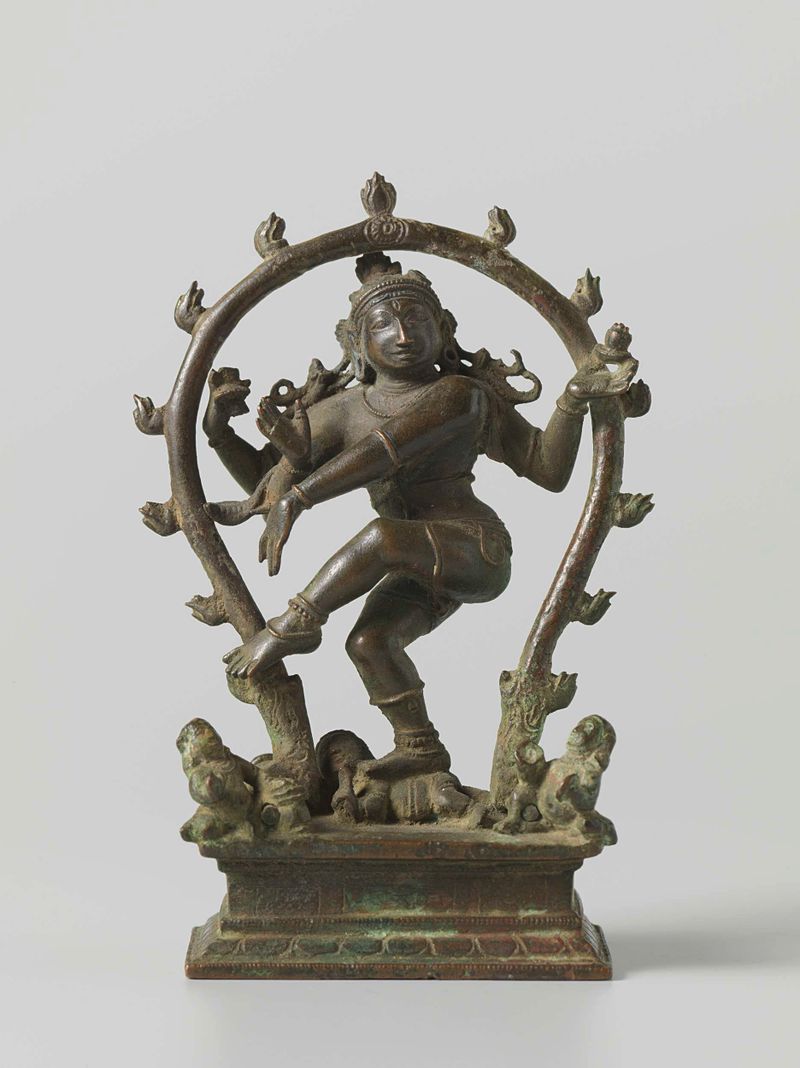
Shiva Nataraja
Unknown Artist

The Tale of Genji
Unknown Artist

The Tale of Genji
Unknown Artist

Cong
Unknown Artist
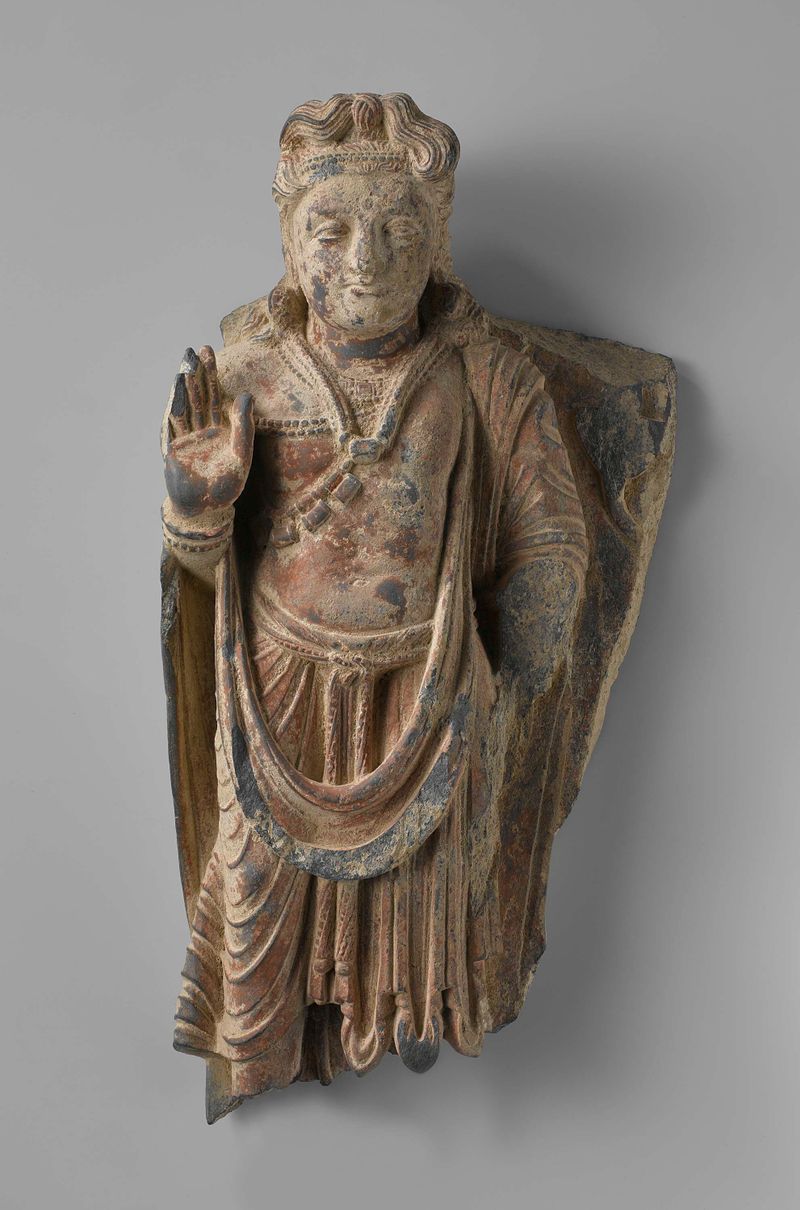
The bodhisattva Maitreya
Unknown Artist

Teabowl with a 'hare's fur' glaze
Unknown Artist