kleuterjurkje, voor meisjes en jongetjes, van machinale geborduurde randstof van katoen, met schulpen — History & Facts
Is this a mirror — or a memory? The delicate fabric, a whisper of innocence, evokes the transformation of childhood into fleeting moments suspended in time. Look closely at the intricacy of the embroidered edges, where threads weave tales of play and laughter. Notice the gentle curves of the scalloped hem, inviting the viewer to envision the little feet that once danced in joy. The soft hues of cotton embody a tender warmth, while the craftsmanship speaks of a bygone era when care was stitched into the seams of everyday life. Yet, beneath this charming exterior lies a deeper narrative.
Consider how this garment reflects societal expectations of gender in the late 19th century, a time when children were adrift between rigid roles and the playful essence of youth. The duality of its design—one piece for both girls and boys—hints at a progressive shift, celebrating the individuality of children amid traditional norms that sought to define them. Created between 1890 and 1895, this piece exists in an era where industrial advancements began to permeate the fabric of life. As mechanization transformed the arts and crafts, the artist, though unknown, contributed to a pivotal moment in textile history.
The garment is not merely an object; it encapsulates a transition, reflecting the evolving landscape of childhood and fashion during a transformative period in Western culture.
More Artworks by Unknown Artist
Browse all →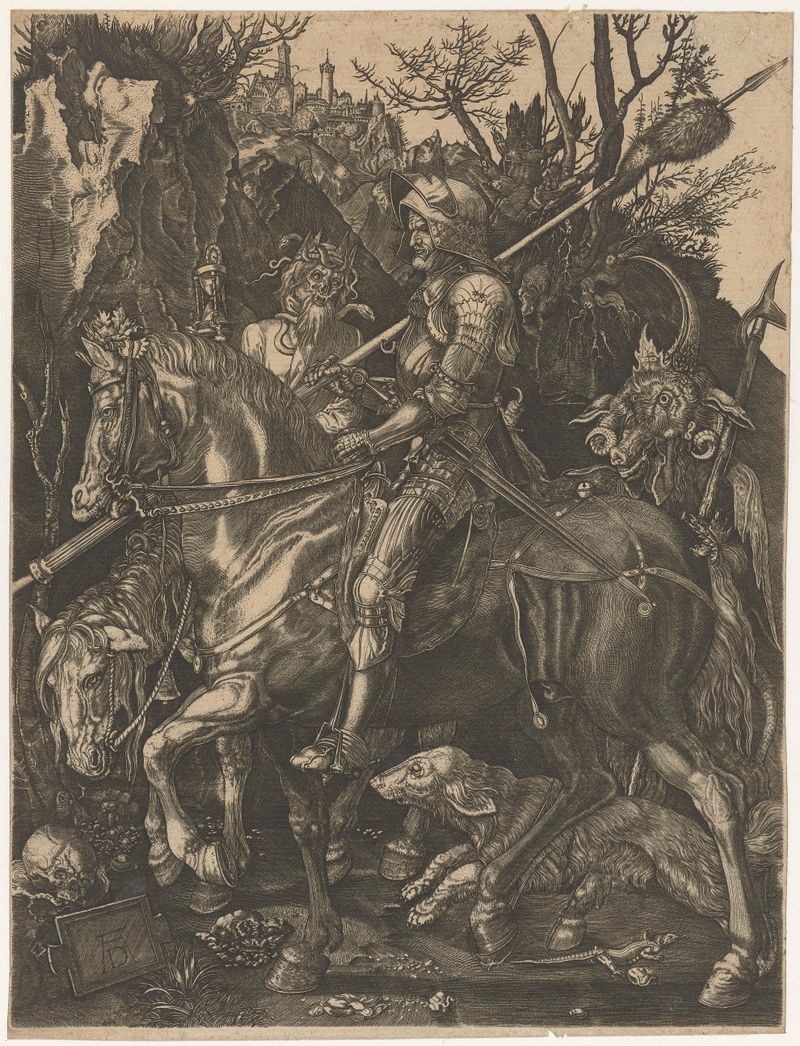
Ridder, Dood en Duivel
Unknown Artist
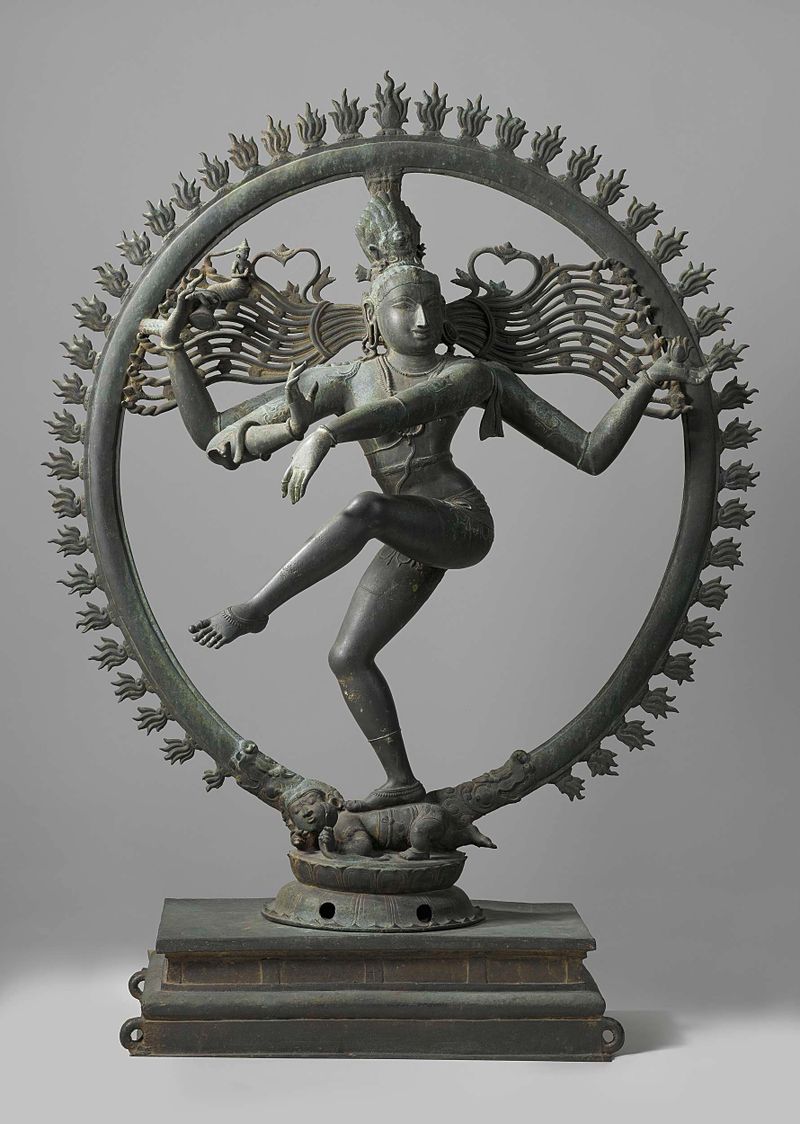
Shiva Nataraja
Unknown Artist
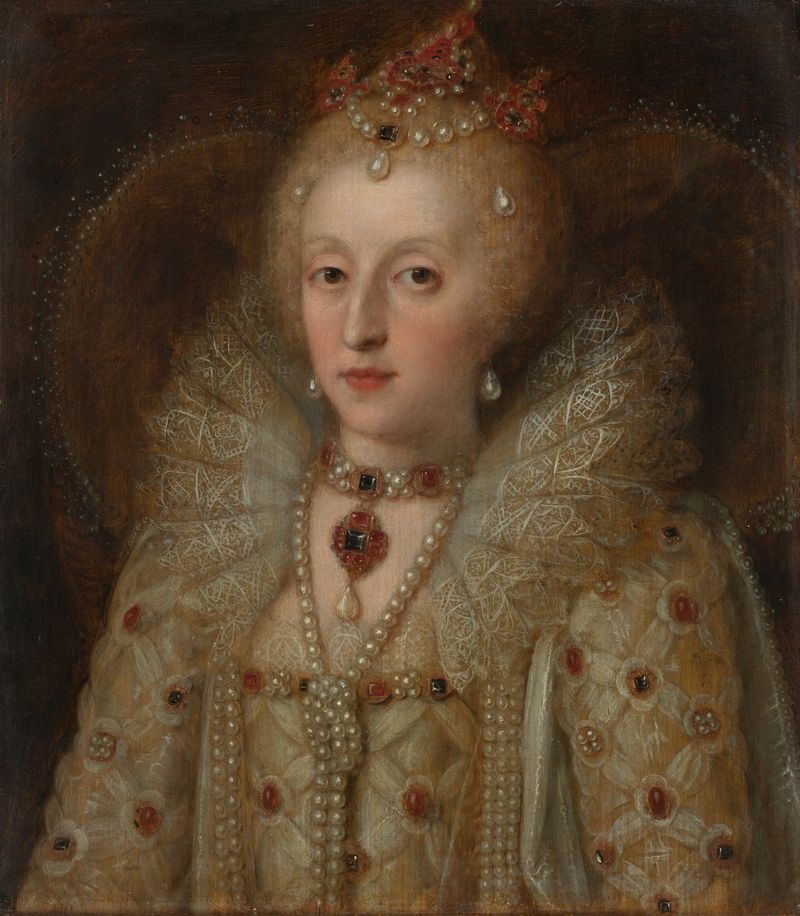
Portrait of Elizabeth I, Queen of England
Unknown Artist
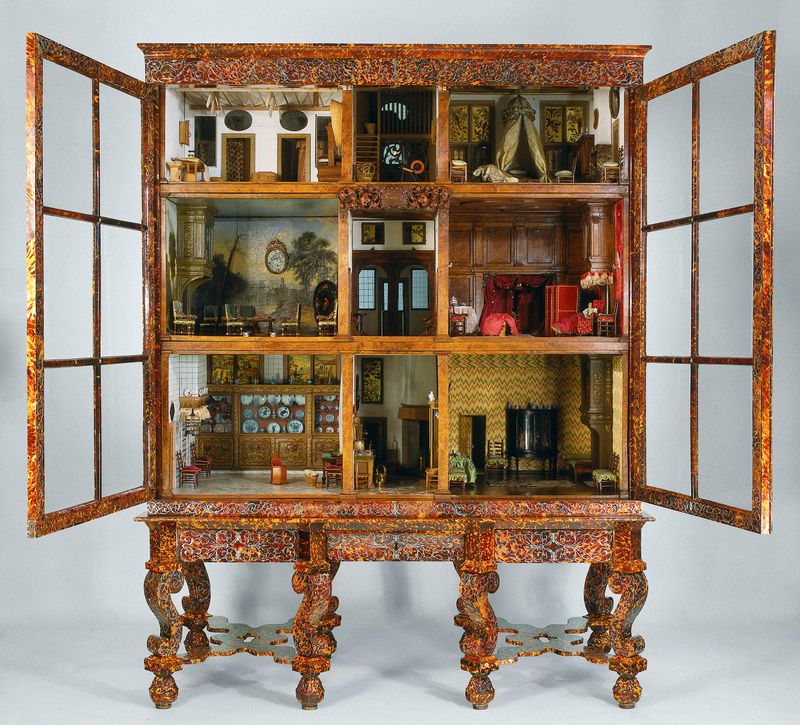
Dolls’ house of Petronella Oortman
Unknown Artist
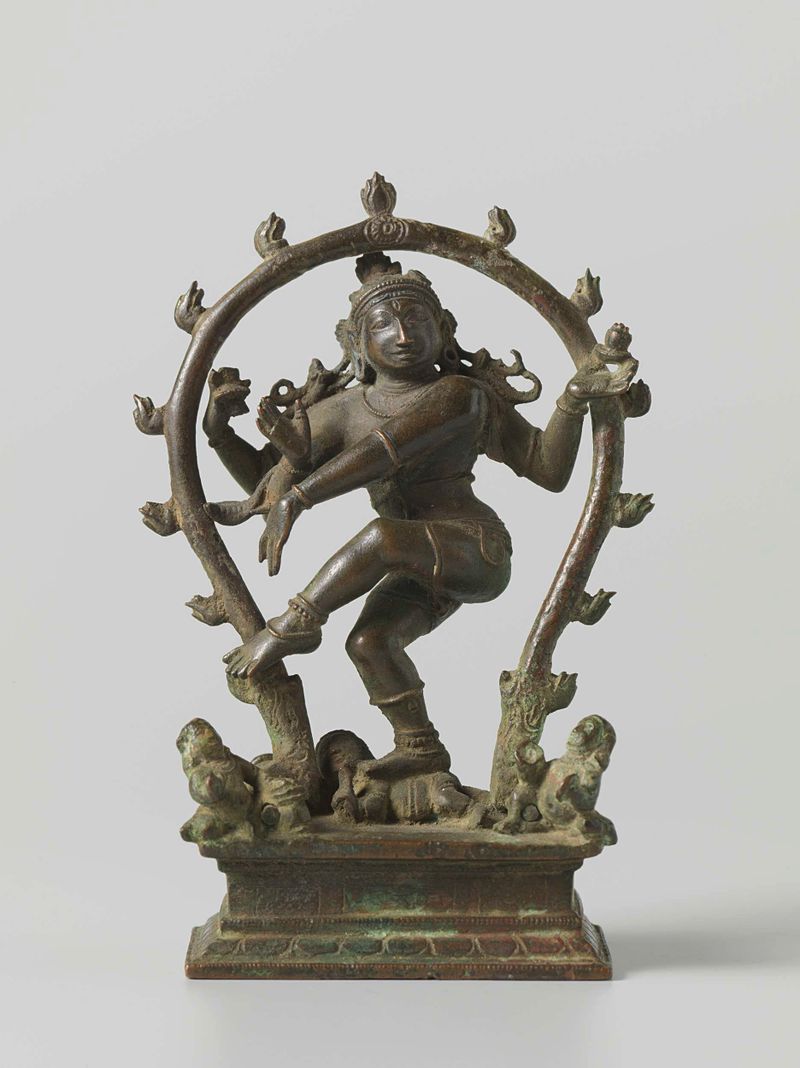
Shiva Nataraja
Unknown Artist

The Tale of Genji
Unknown Artist

The Tale of Genji
Unknown Artist
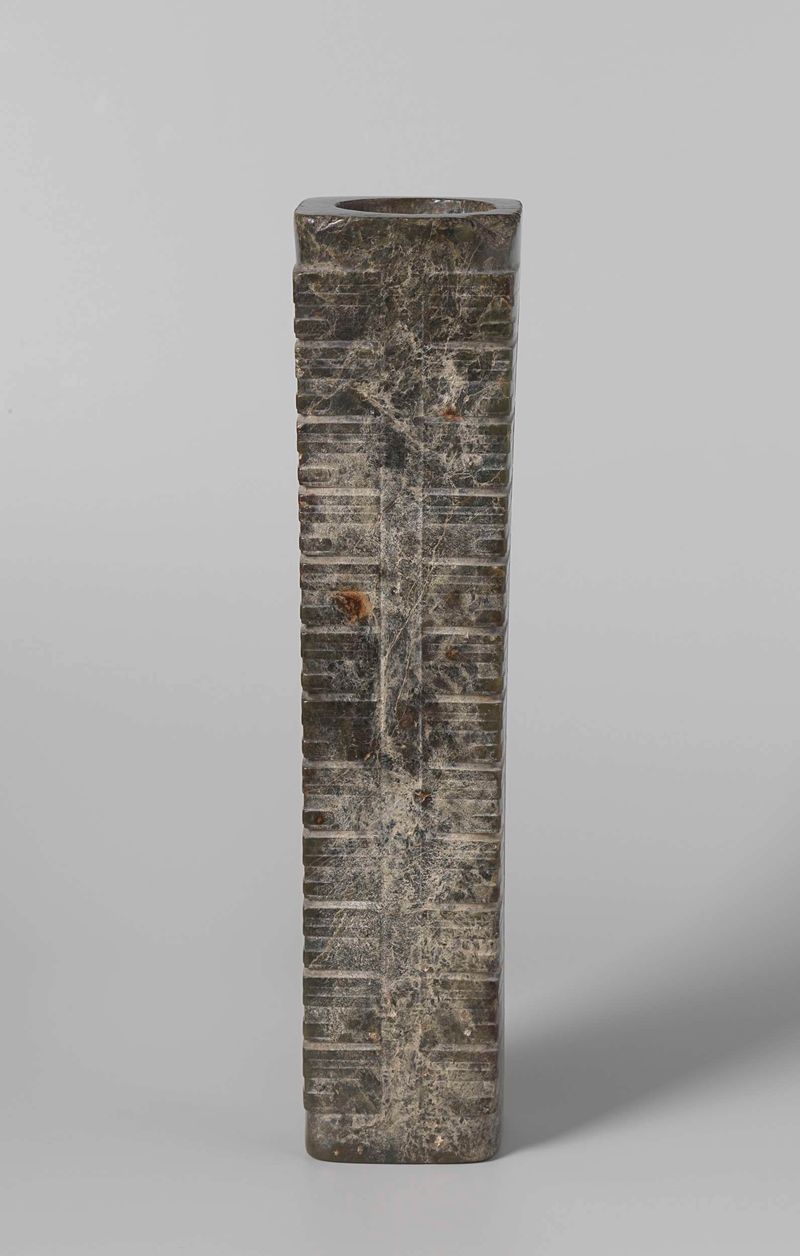
Cong
Unknown Artist
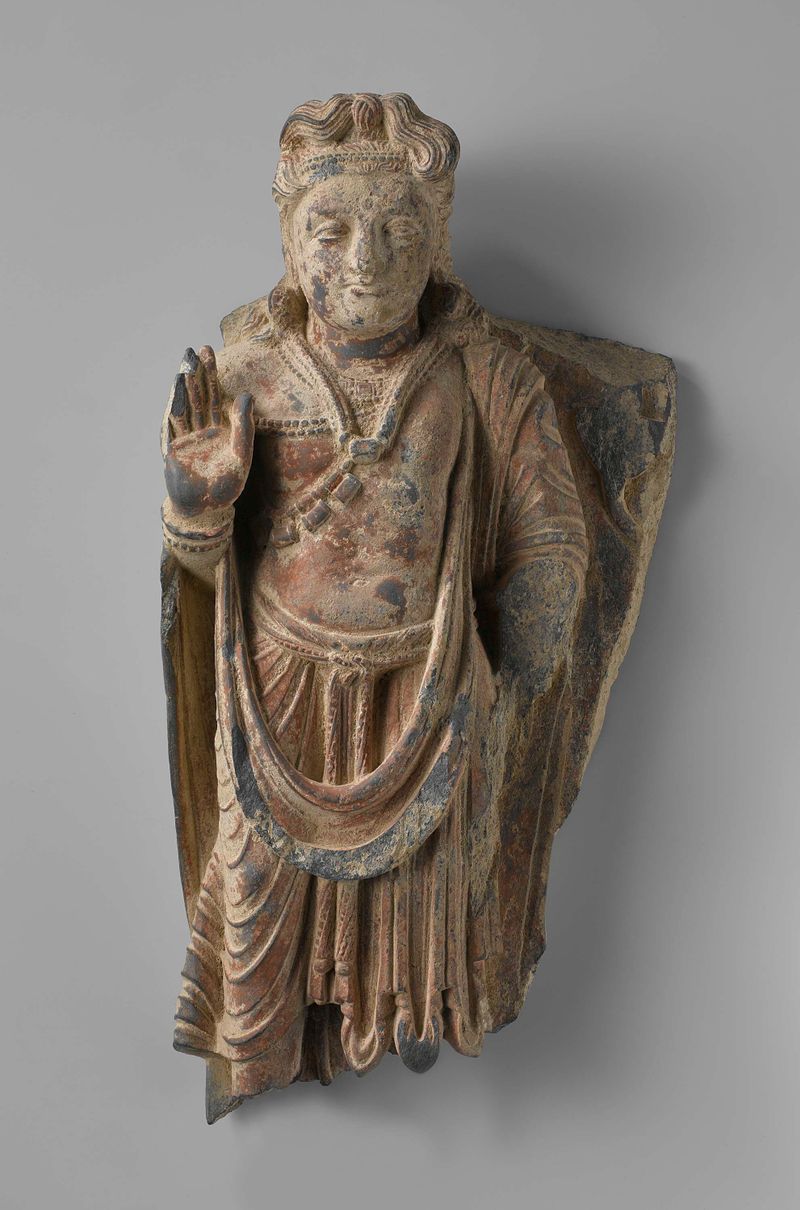
The bodhisattva Maitreya
Unknown Artist
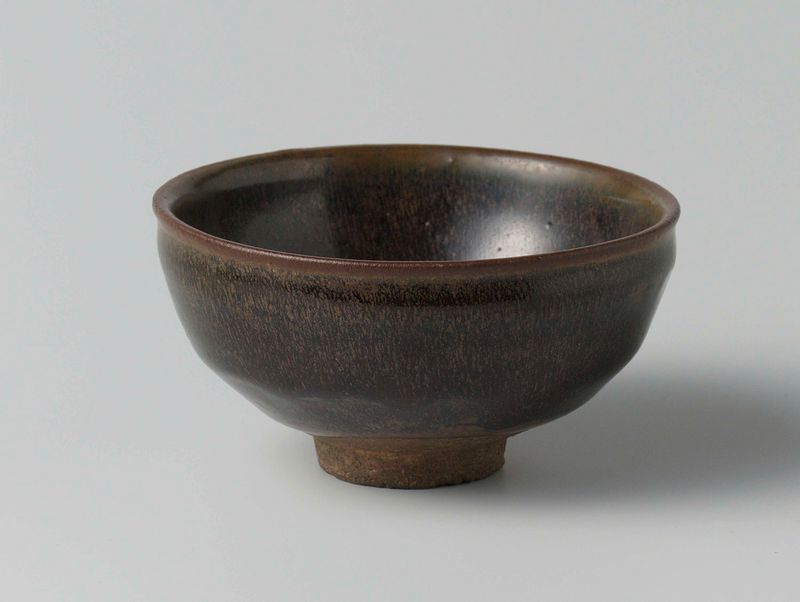
Teabowl with a 'hare's fur' glaze
Unknown Artist