
Kolding — History & Facts
What if silence could speak through light? In Kolding, a fragile equilibrium emerges from the chaos of darkened tones, challenging the viewer to listen closely to its silent narrative. Look to the upper left, where soft rays of light pierce through tumultuous clouds, illuminating the architectural forms of Kolding's skyline. The delicate interplay of shadow and illumination guides your gaze across the canvas, inviting you to explore the contrasting elements of nature and civilization. The technique is meticulous; a blend of muted color palettes evokes feelings of both nostalgia and foreboding, while the meticulous brushwork conveys a sense of somber tranquility amid underlying turmoil. As you delve deeper, consider the juxtaposition between the serene landscape and the threatening sky.
The tranquility of the buildings is a stark contrast to the chaotic, swirling clouds above them, suggesting a struggle against nature's unpredictable forces. This tension reflects the duality of existence, where moments of peace are often undercut by the inevitable chaos that life presents. Each element, from the tranquil reflection in the waters to the darkening horizon, speaks to the fragility of human endeavors in the face of nature's power. Created between 1822 and 1823 during his time in Denmark, the artist captured Kolding amid a period of burgeoning Romanticism in art.
This era was marked by an exploration of emotion and nature, as artists sought to convey the sublime. Lange, while drawing from the Danish landscape, was navigating his own artistic journey, responding to the influences of his contemporaries and embracing a style that blended realism with the emotive qualities of light and shadow.
More Artworks by Søren L. Lange
Browse all →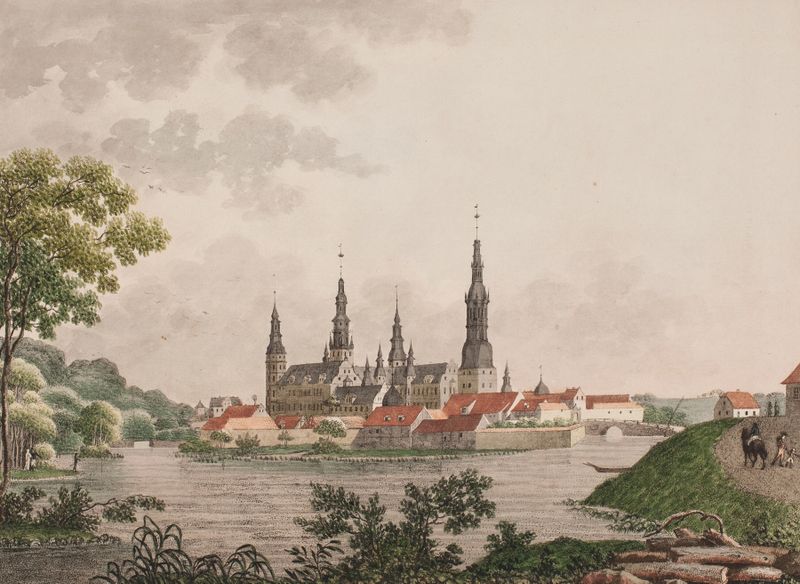
Prospekt af det kongelige slot Frederiksborg på Sjælland
Søren L. Lange
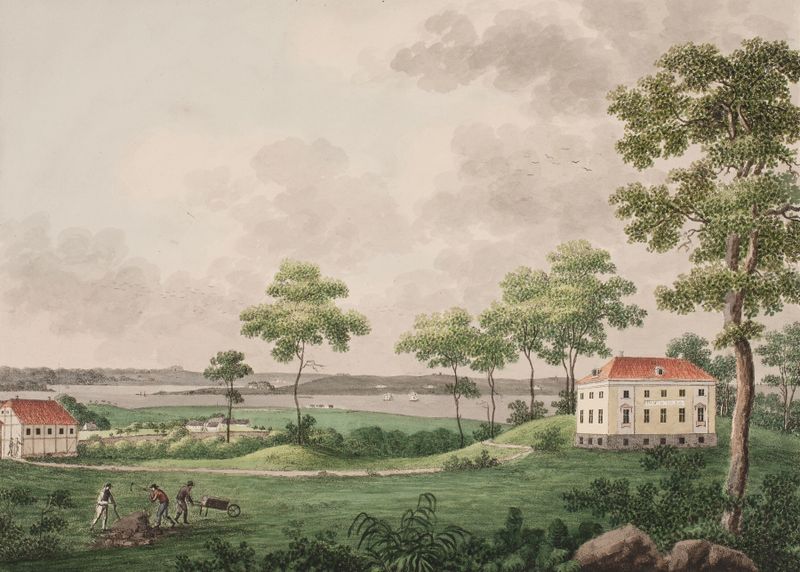
Udsigt af en Parcelle ved Grønsund på Falster under det Classenske Agerdyrknings Institut
Søren L. Lange
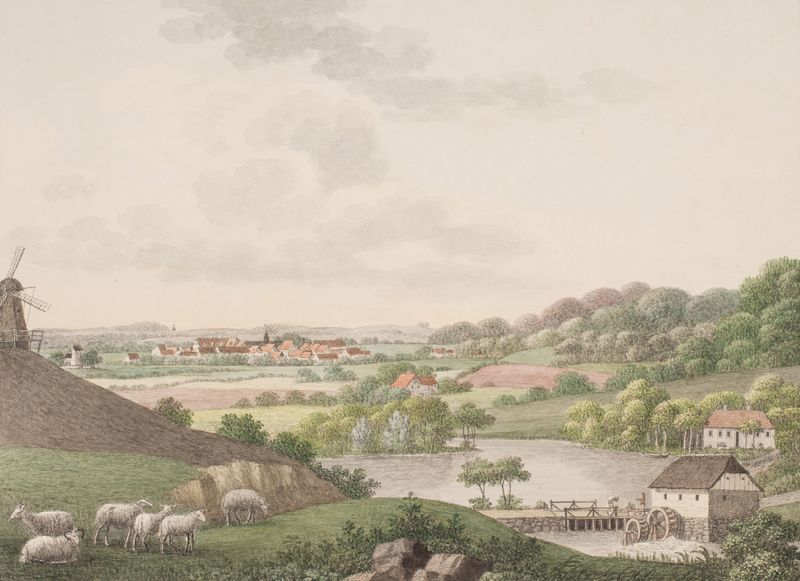
Christiansfeld, fra den østlige side
Søren L. Lange
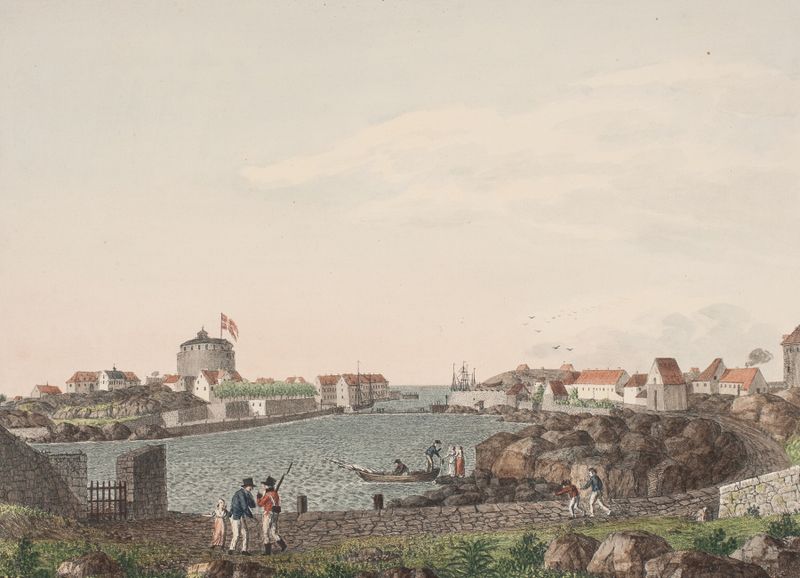
Christiansø. Nordhavnen
Søren L. Lange
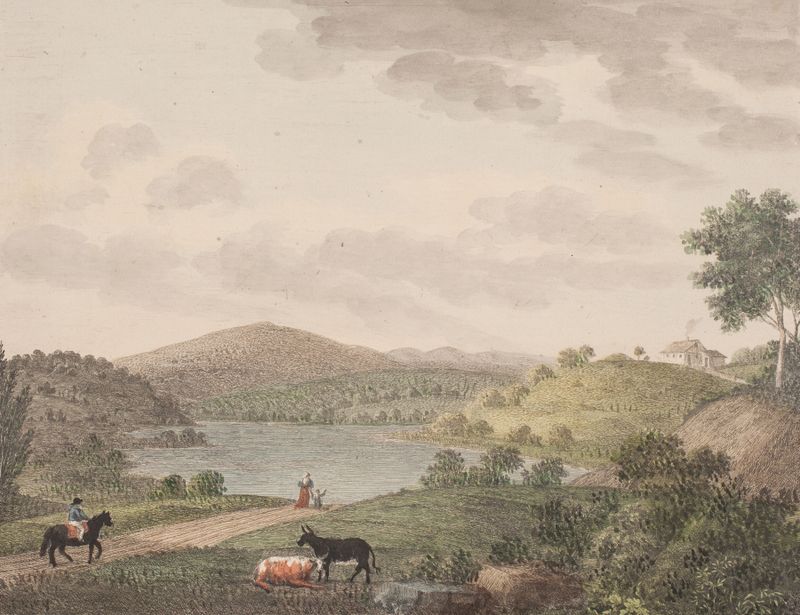
Aborrebjerget. En udsigt på Møn
Søren L. Lange
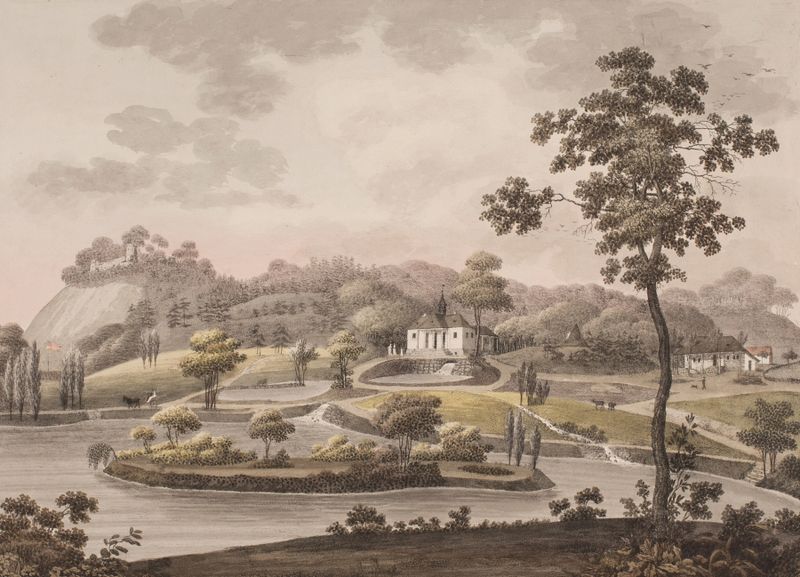
Liselund på Møn i Danmark
Søren L. Lange
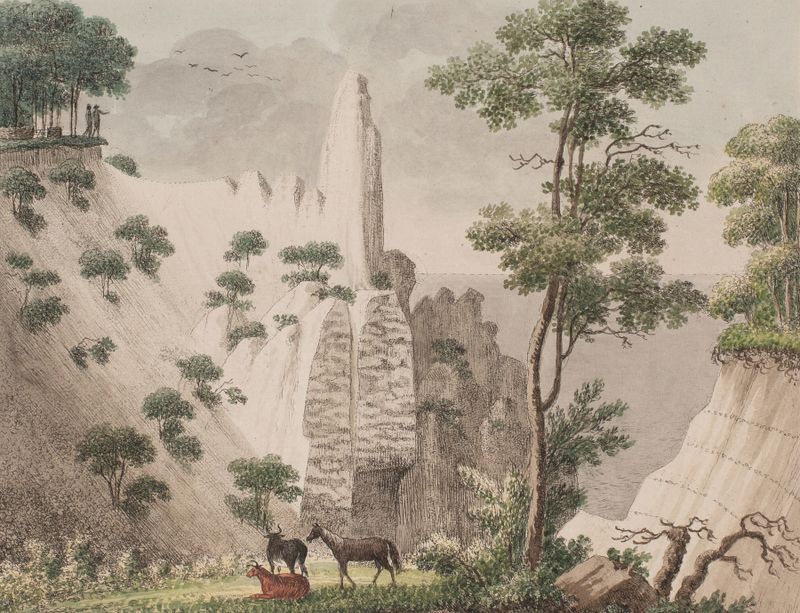
Udsigt af Sommerspiret i kridtbjergene på Møn
Søren L. Lange
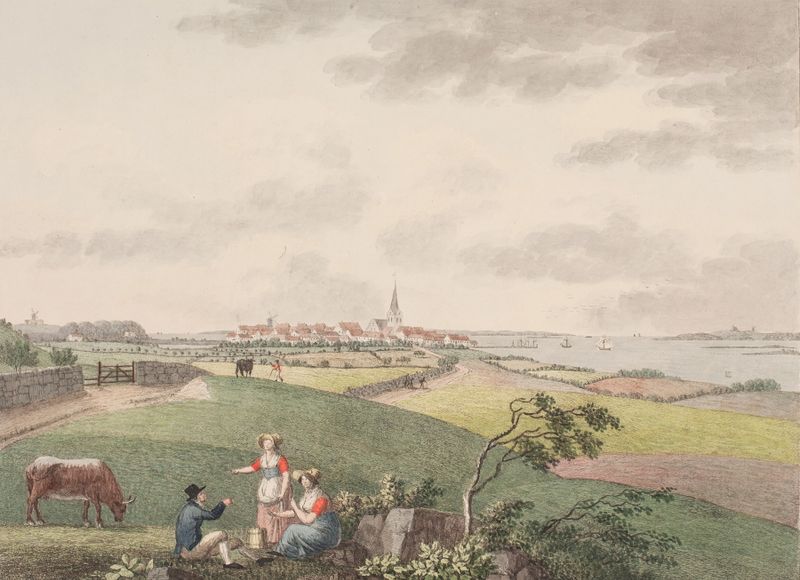
Rudkøbing på Langeland
Søren L. Lange
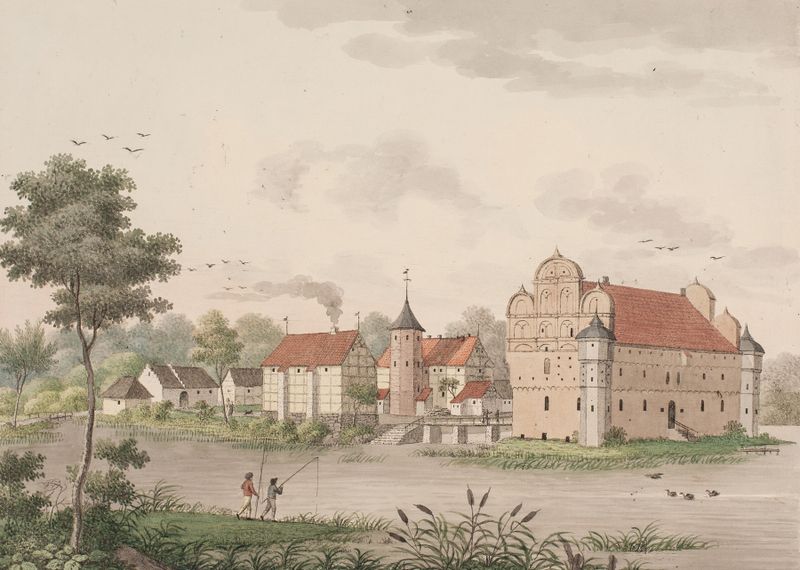
Hesselagergaard på Fyn
Søren L. Lange
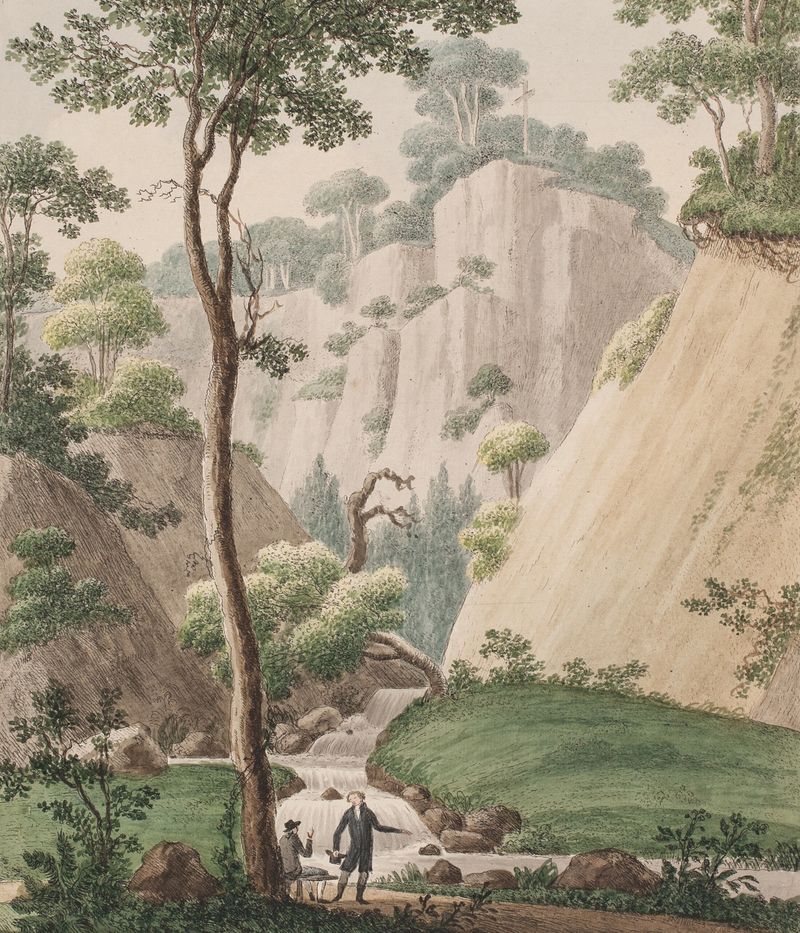
En udsigt ved Liselund på Møen
Søren L. Lange
More Architecture Art
Browse all →
The statue of Liberty
Frédéric Auguste Bartholdi

View of Houses in Delft, Known as ‘The Little Street’
Johannes Vermeer

View of Houses in Delft, Known as ‘The Little Street’
Johannes Vermeer

The Cathedral in Rouen. The portal, Grey Weather
Claude Monet

The yellow house
Vincent van Gogh

The Church in Auvers-sur-Oise, View from the Chevet
Vincent van Gogh