
Koopmanshuis ,,De mol” te Zaandijk. Het huisje staat tegenwoordig in de Zaanse Schans. — History & Facts
This sentiment echoes through the canvas, inviting us to consider the transformative power of creativity amidst a backdrop of change. In the post-war era, art acted as both a mirror and a catalyst for revolution, capturing the essence of time in every stroke. Look to the center, where the quaint charm of the house draws us in. The weathered wooden façade, bathed in soft sunlight, reveals the meticulous brushwork that captures the texture of the aged walls.
Notice how the vibrant greens of the surrounding foliage dance harmoniously with the muted tones of the structure, illustrating a delicate balance between nature and human craftsmanship. The artist's deft use of light imbues the scene with warmth, creating an inviting atmosphere that contrasts with the cooler, more austere surroundings. Delving deeper, one can find a tension between the idyllic representation and the broader context of societal upheaval. The house stands as a nostalgic symbol of stability amidst progress—a juxtaposition mirrored in the careful detailing of the everyday life it represents.
The absence of people in this serene landscape further emphasizes a longing for connection in a world grappling with rapid change, echoing the desires of a generation seeking solace in tradition while forging ahead into the unknown. During the 1950s, Maarten Oortwijn found himself deeply influenced by the shifting cultural landscape of post-war Europe. Living in the Netherlands, he painted Koopmanshuis ,,De mol” te Zaandijk at a time when artists were redefining their roles and exploring new forms of expression. His work reflects a collective yearning for stability and meaning, exemplifying how art can serve as both a refuge and a revolutionary act in an era of great uncertainty.
More Artworks by Maarten Oortwijn
Browse all →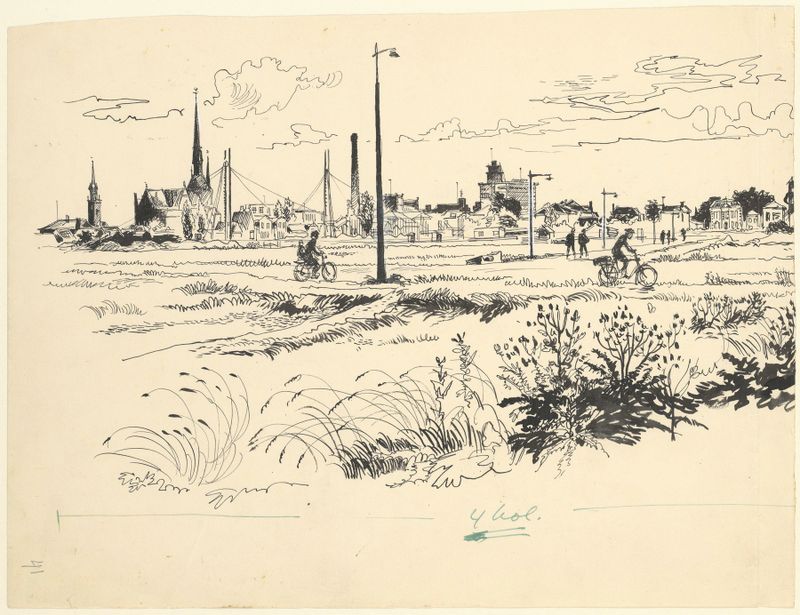
Gezicht op Koog aan de Zaan.
Maarten Oortwijn
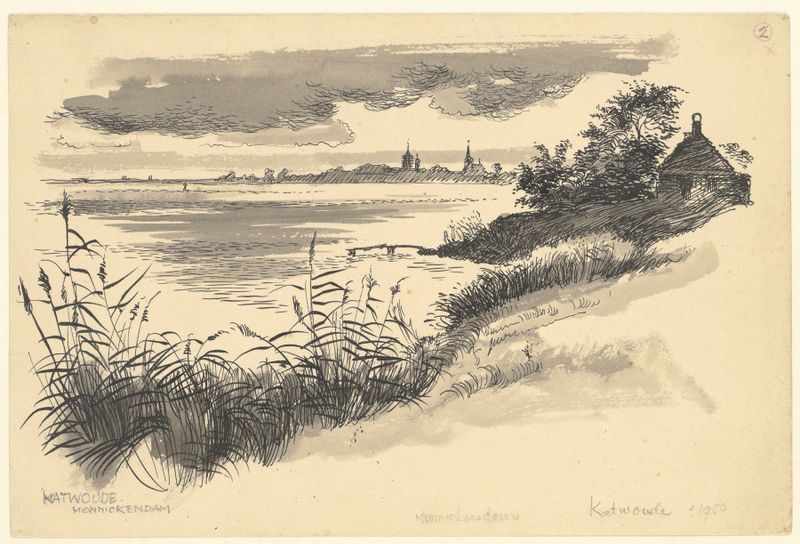
Gezicht vanuit Katwoude op Monnickendam
Maarten Oortwijn
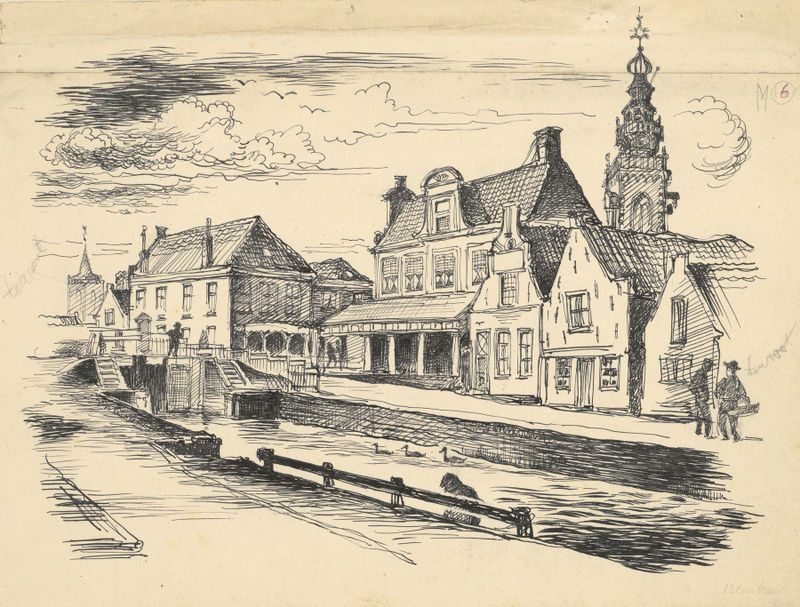
Gezicht vanaf de Gooische Kaai op de Waag
Maarten Oortwijn
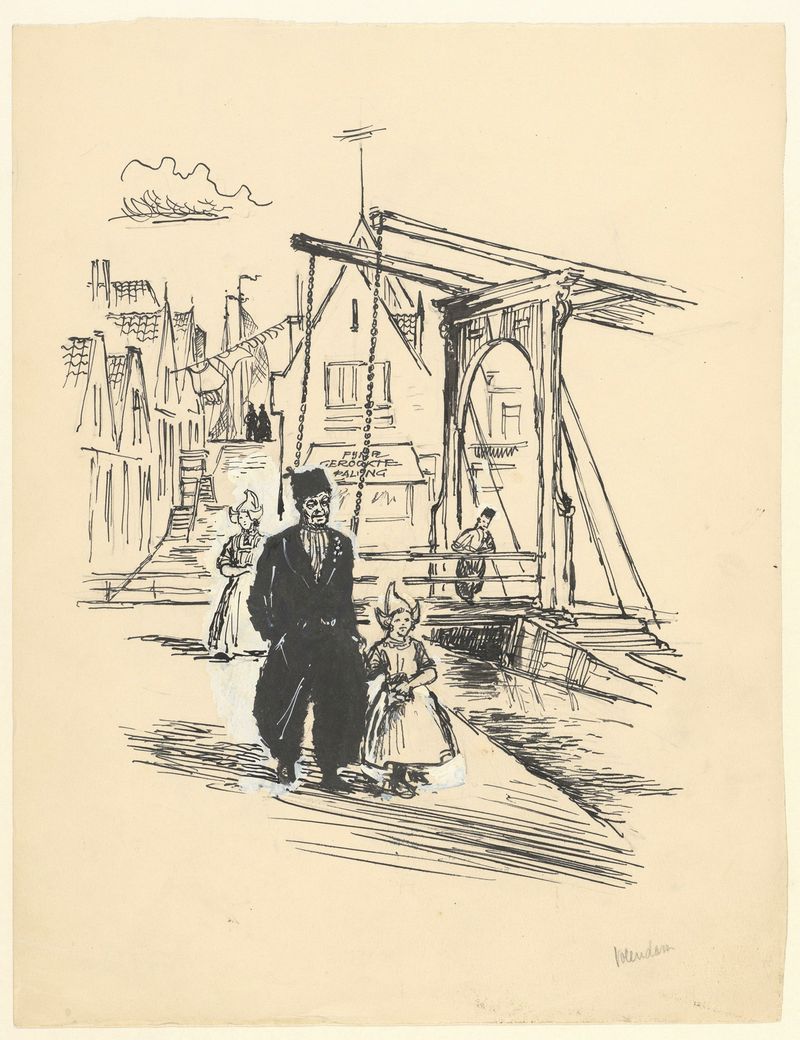
Gezicht te Volendam.
Maarten Oortwijn
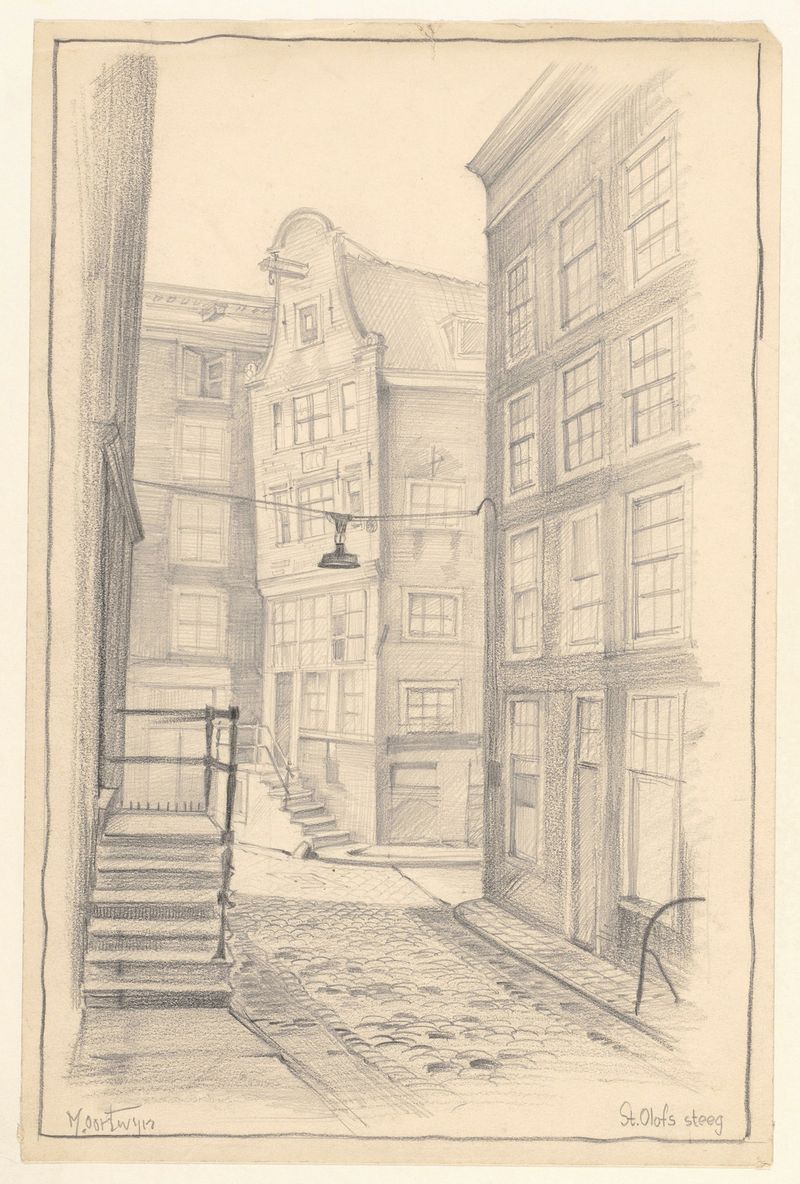
Gezicht in de St. Olofssteeg.
Maarten Oortwijn
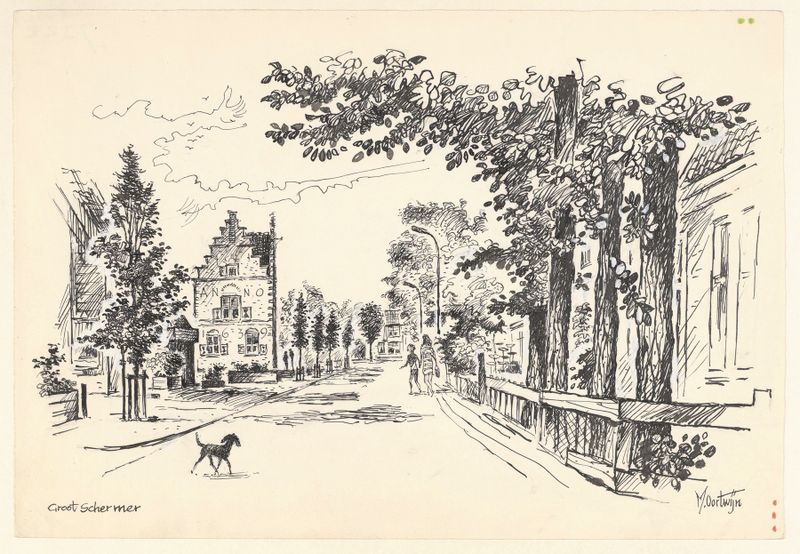
Gezicht te Grootschermer met het Raadhuis
Maarten Oortwijn
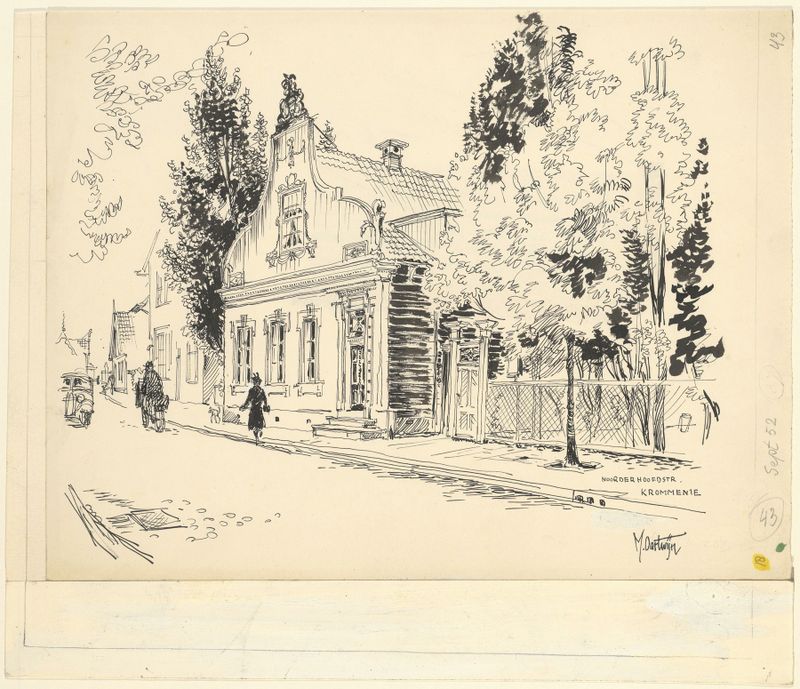
Gezicht in de Noorder
Maarten Oortwijn
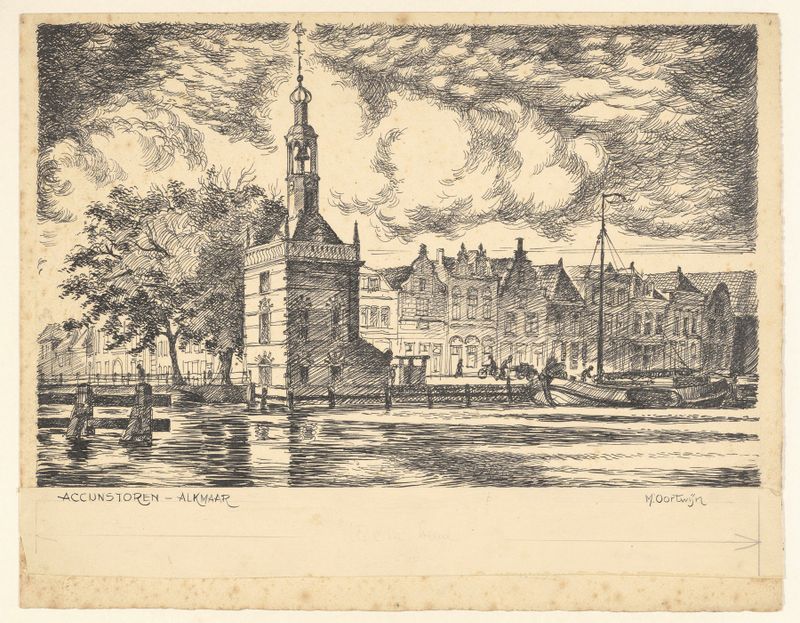
Gezicht op de Accijnstoren aan de Bierkade.
Maarten Oortwijn
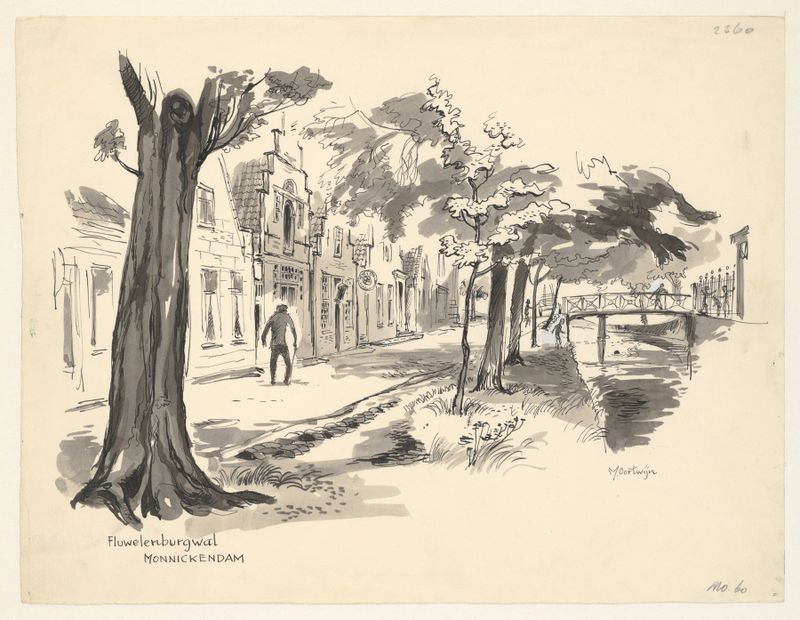
Fluwelenburgwal, Monnickendam
Maarten Oortwijn
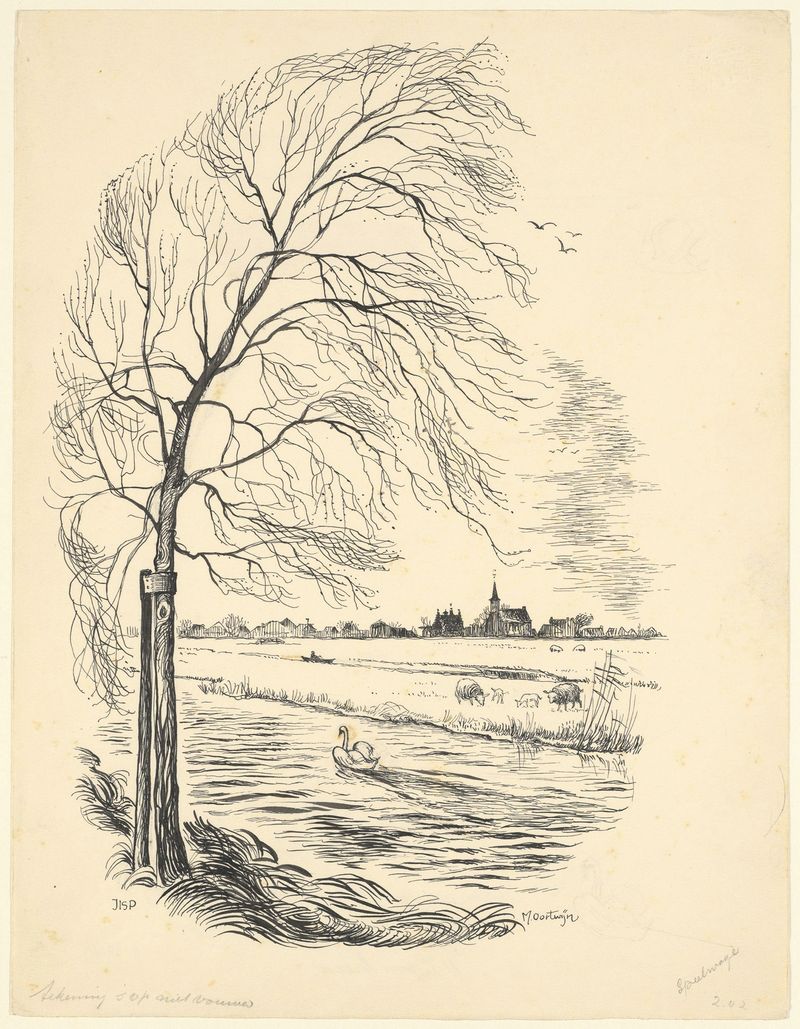
Gezicht op Jisp.
Maarten Oortwijn
More Architecture Art
Browse all →
The statue of Liberty
Frédéric Auguste Bartholdi

View of Houses in Delft, Known as ‘The Little Street’
Johannes Vermeer

View of Houses in Delft, Known as ‘The Little Street’
Johannes Vermeer

The Cathedral in Rouen. The portal, Grey Weather
Claude Monet

The yellow house
Vincent van Gogh

The Church in Auvers-sur-Oise, View from the Chevet
Vincent van Gogh