
Kruisiging — History & Facts
In the shadows of history, innocence often waits to be unveiled, waiting for the light of understanding to touch its essence. To appreciate this artwork, begin by examining the central figure, where the stark contrast of the deep crimson against the pale skin creates an immediate emotional pull. Look closely at the delicate brushwork surrounding the face, which captures the haunting gaze, revealing a quiet vulnerability. The use of muted earth tones in the background emphasizes the gravity of the moment, allowing the figure to emerge almost ethereally, suspended between suffering and serenity. As you delve deeper, consider the intricate details: the crown of thorns, laden with both pain and a sense of triumphant innocence, speaks to the duality of sacrifice and salvation.
Notice how the background figures appear almost ghostlike, their expressions a mix of sorrow and reverence, suggesting a broader audience, caught in the act of witnessing this profound event. This contrast between the lively foreground and the subdued background encapsulates the emotional spectrum of this moment, where despair coexists with a glimmer of hope. The artist, whose identity remains shrouded in mystery, created this work between 1480 and 1520, a period rife with spiritual tumult and artistic innovation. This was a time when the world was undergoing significant religious transformation, reflected in the increasing emphasis on personal devotion and the emotive power of religious imagery.
The work captures a moment that resonates with the fervor of the era, embodying the complex interplay of human suffering and divine grace.
More Artworks by Unknown Artist
Browse all →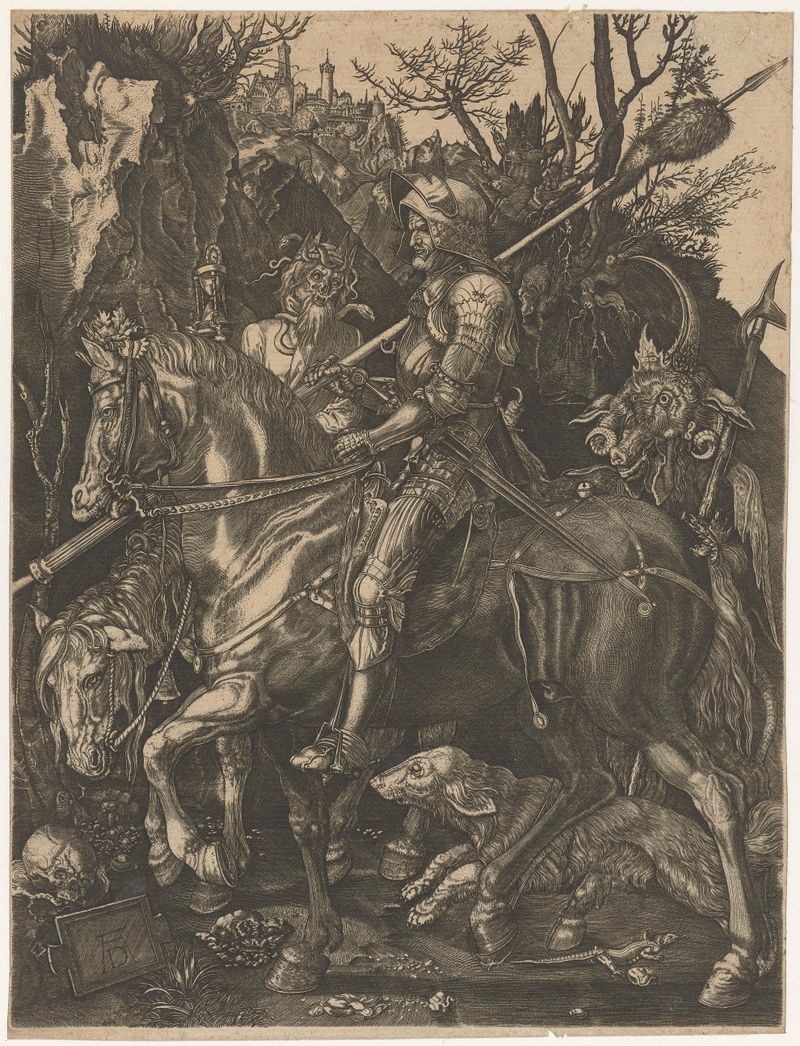
Ridder, Dood en Duivel
Unknown Artist
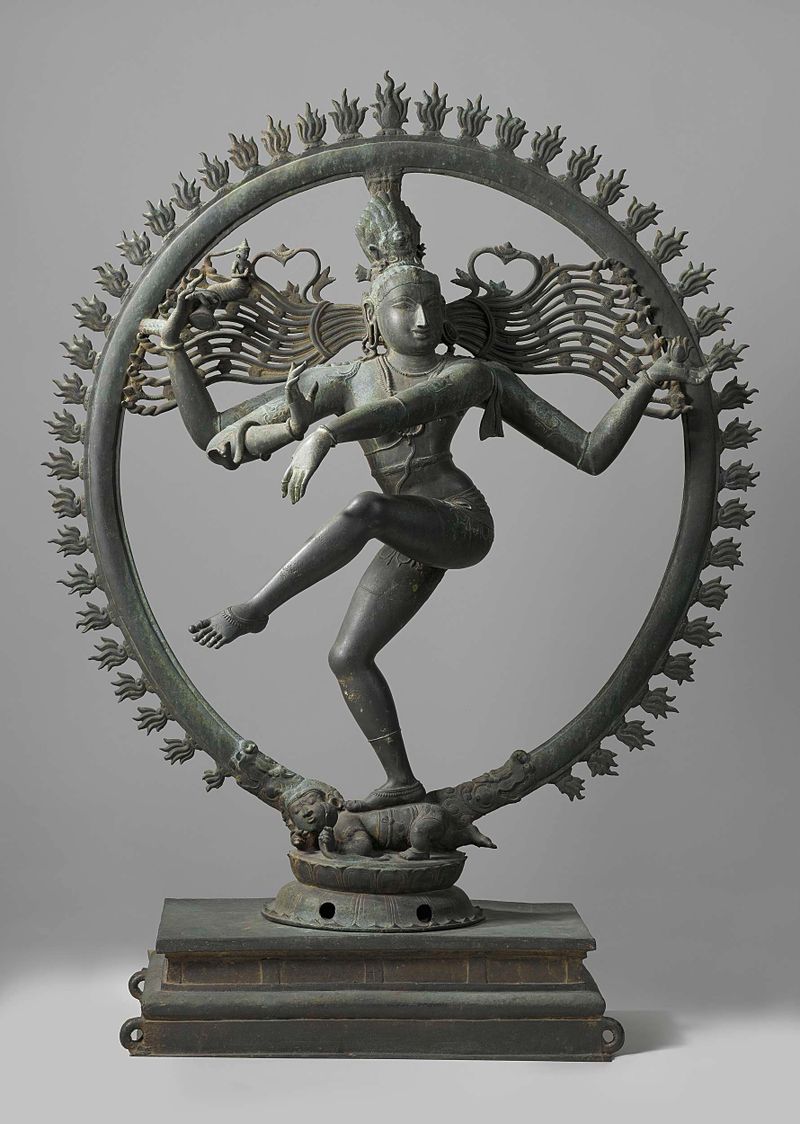
Shiva Nataraja
Unknown Artist
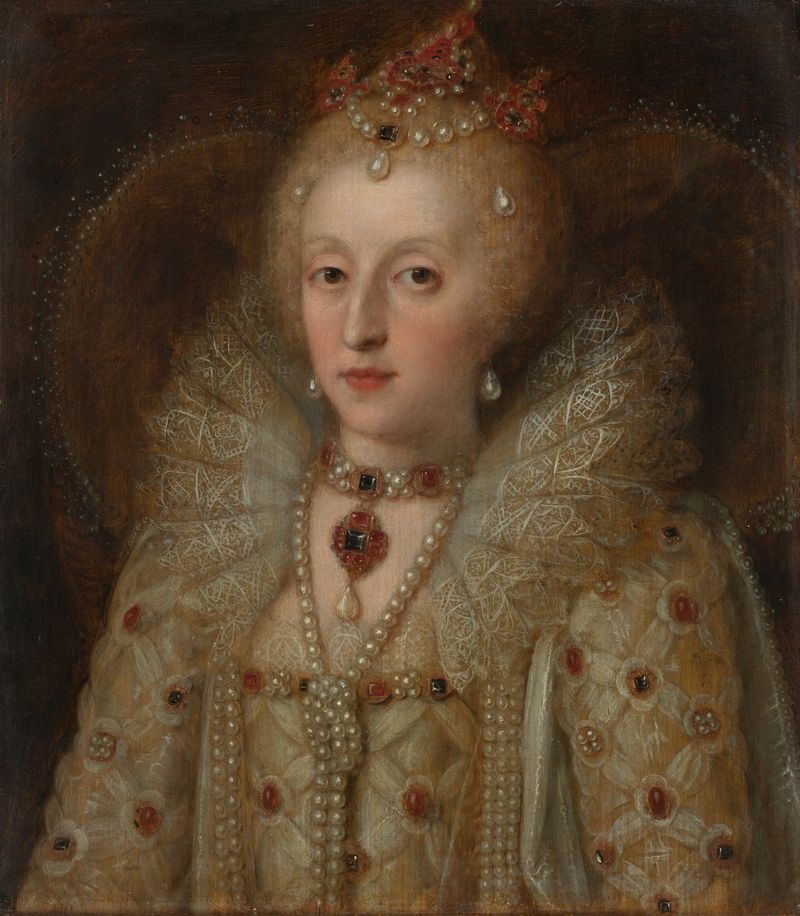
Portrait of Elizabeth I, Queen of England
Unknown Artist
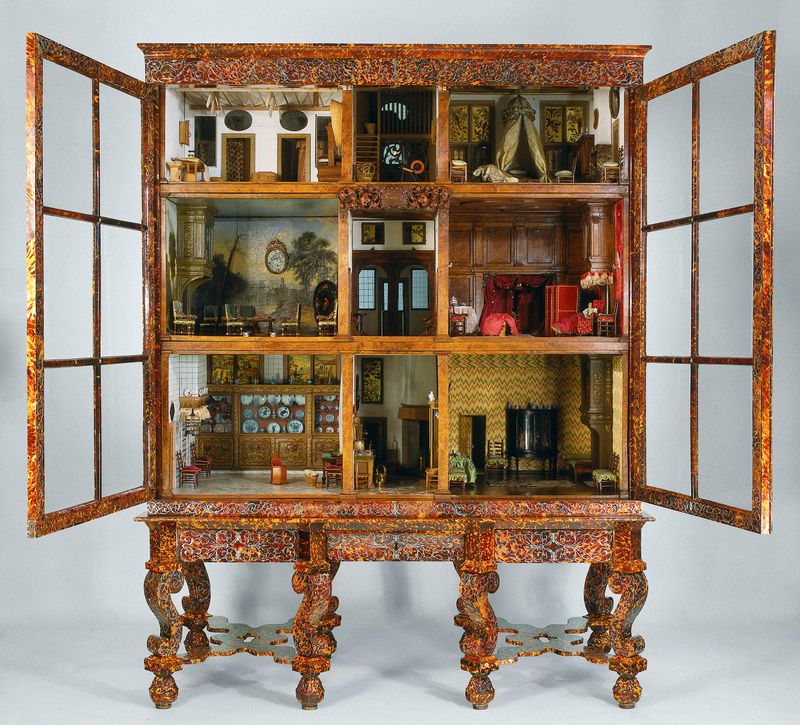
Dolls’ house of Petronella Oortman
Unknown Artist
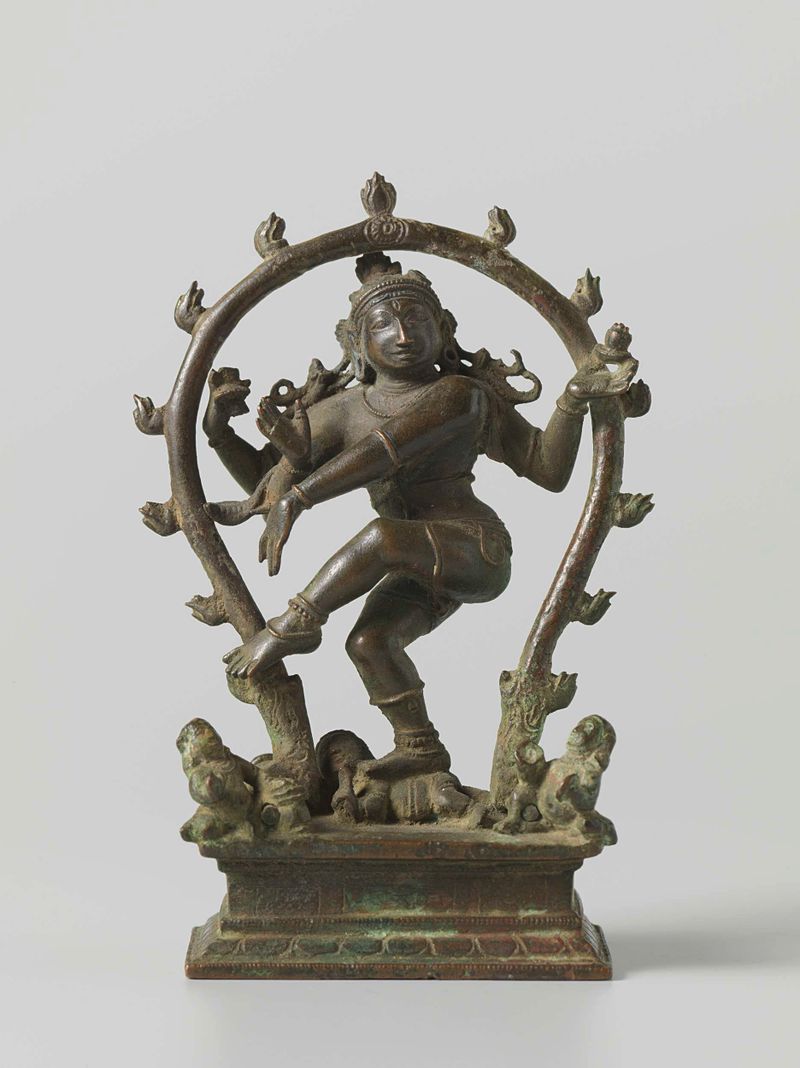
Shiva Nataraja
Unknown Artist

The Tale of Genji
Unknown Artist

The Tale of Genji
Unknown Artist
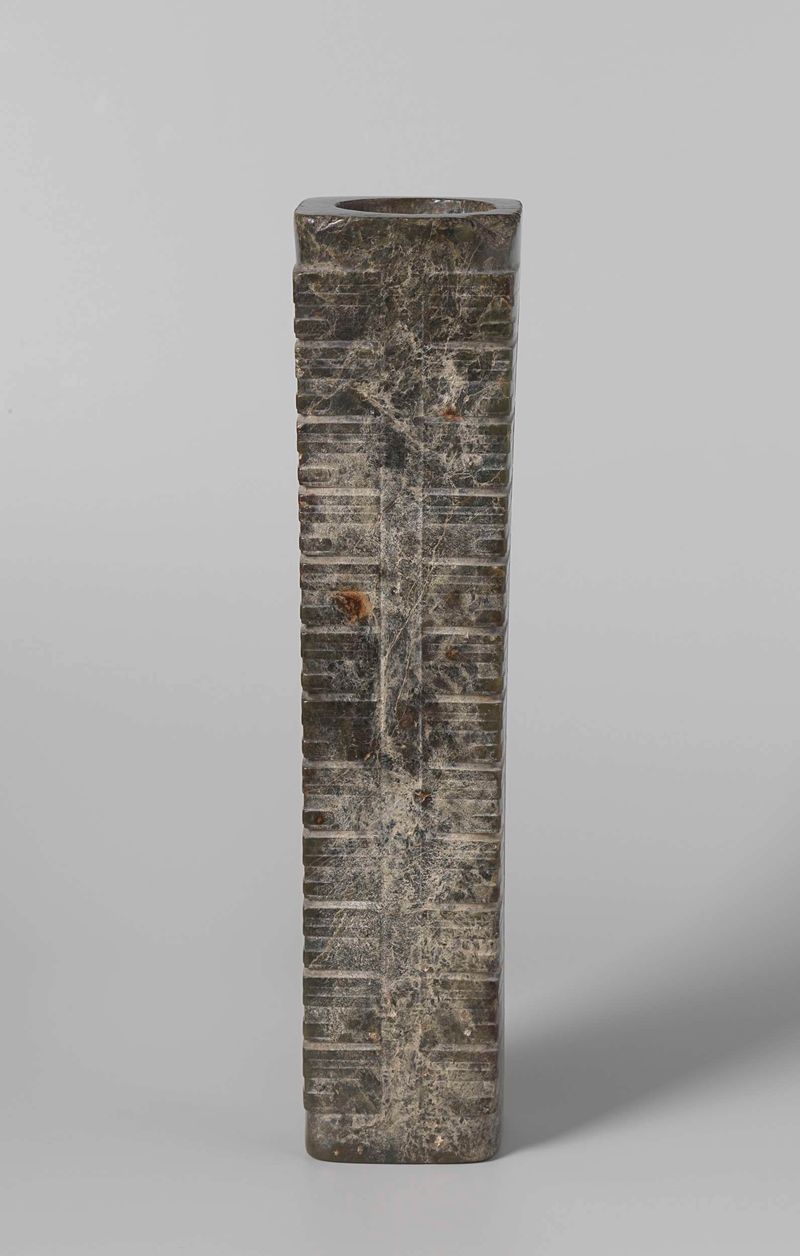
Cong
Unknown Artist
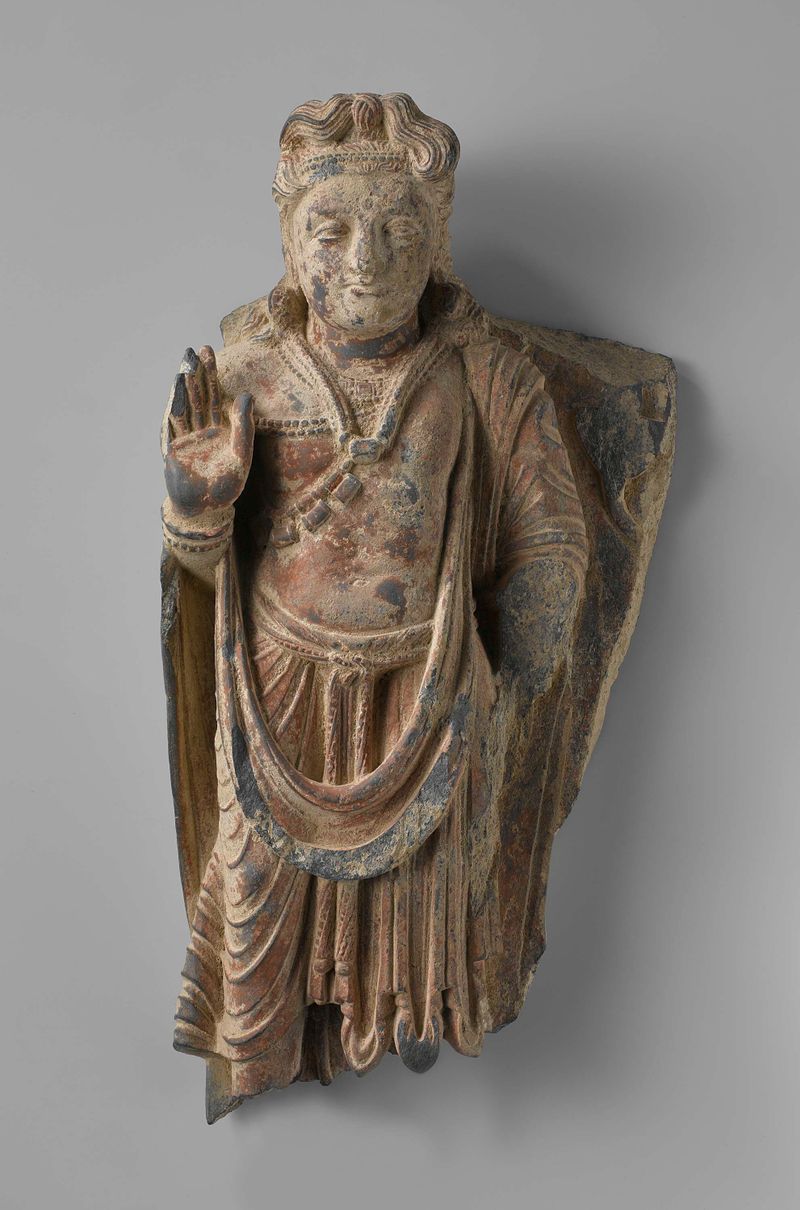
The bodhisattva Maitreya
Unknown Artist
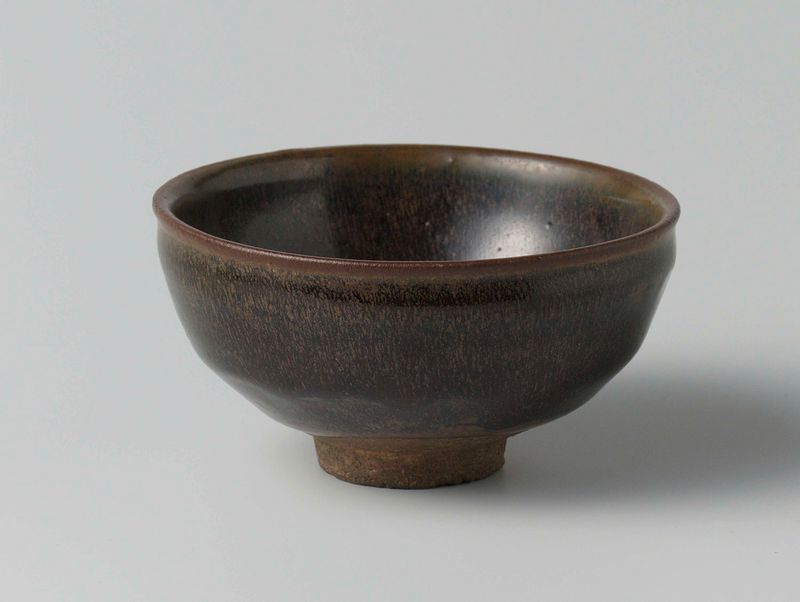
Teabowl with a 'hare's fur' glaze
Unknown Artist
More Religious Art
Browse all →
The Return of the Prodigal Son
Rembrandt van Rijn

The Garden of Earthly Delights
El Bosco

Count Orgaz’ funeral
El Greco

The Hundred Guilder Print: the central piece with Christ preaching, the plate arched
Rembrandt van Rijn

The Descent from the Cross
Rogier van der Weyden

The return of the prodigal son
Rembrandt van Rijn