
La Place Du Louvre — History & Facts
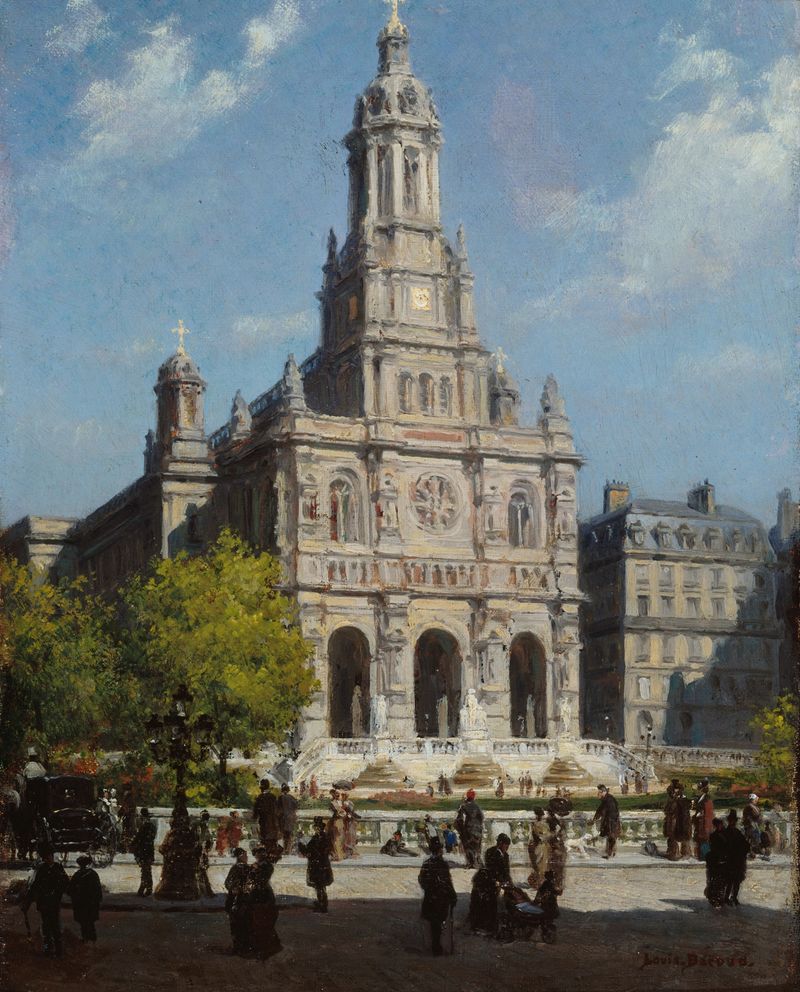
In a world where the past intertwines with the present, the legacy of each moment shapes our future. Focus on the center of the painting, where the grand architecture of the Louvre stands as both guardian and witness to time. Notice how the light dances across the intricate details of the façade, illuminating the classical columns and ornate friezes. The soft palette of creams and blues evokes a sense of calm, inviting viewers to get lost in the captivating atmosphere of this Parisian scene. Yet, beneath the surface beauty lies a tension between permanence and transience.
The bustling figures in the foreground, their hurried movements contrasting with the steadfastness of the Louvre, remind us that while monuments endure, lives pass by. The subtle brushwork captures the fleeting expressions of the crowd, connecting their stories to the timelessness of their surroundings. This dance of light and shadow reflects the duality of legacy, revealing both the ephemeral and the enduring in the fabric of urban life. Louis Béroud painted La Place Du Louvre in 1902, amidst a Paris that was embracing modernization while cherishing its rich historical tapestry.
As an artist deeply influenced by the Impressionist movement, Béroud sought to capture the essence of contemporary life, merging it with the iconic landmarks of the city. During this period, he engaged with a growing fascination for urban scenes, marking a significant shift in the art world that celebrated both progress and continuity.
More Artworks by Louis Béroud
Browse all →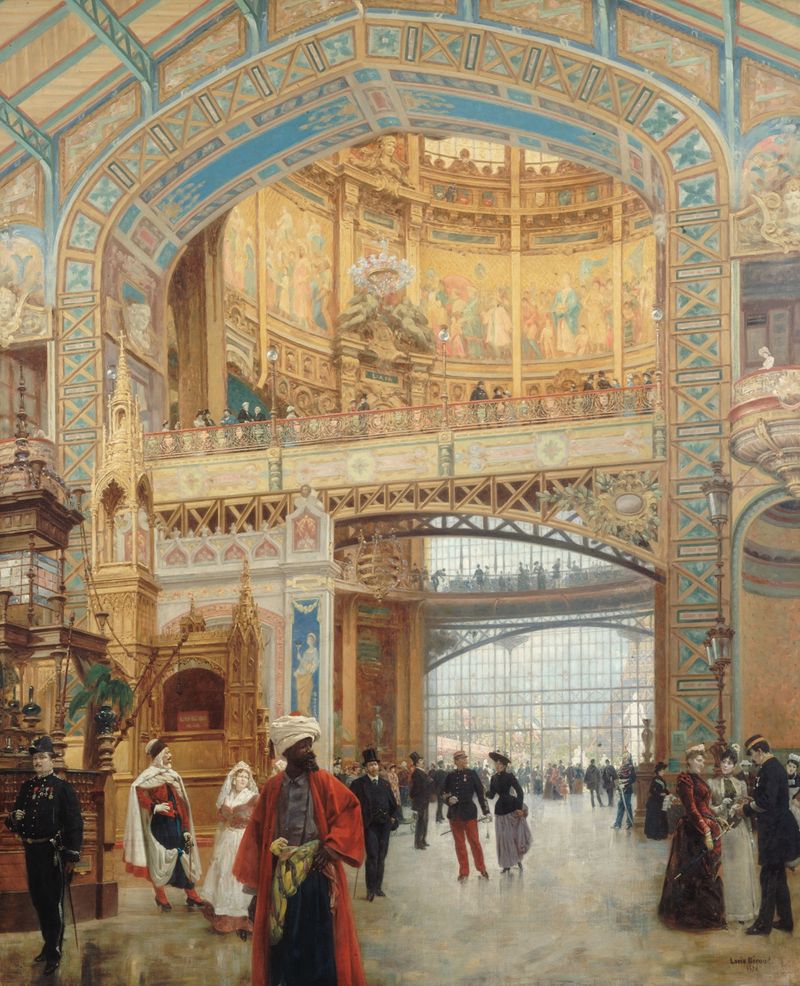
More Architecture Art
Browse all →
The statue of Liberty
Frédéric Auguste Bartholdi

View of Houses in Delft, Known as ‘The Little Street’
Johannes Vermeer

View of Houses in Delft, Known as ‘The Little Street’
Johannes Vermeer

The Cathedral in Rouen. The portal, Grey Weather
Claude Monet

The yellow house
Vincent van Gogh

The Church in Auvers-sur-Oise, View from the Chevet
Vincent van Gogh