La Ronde de nuit en avion — History & Facts
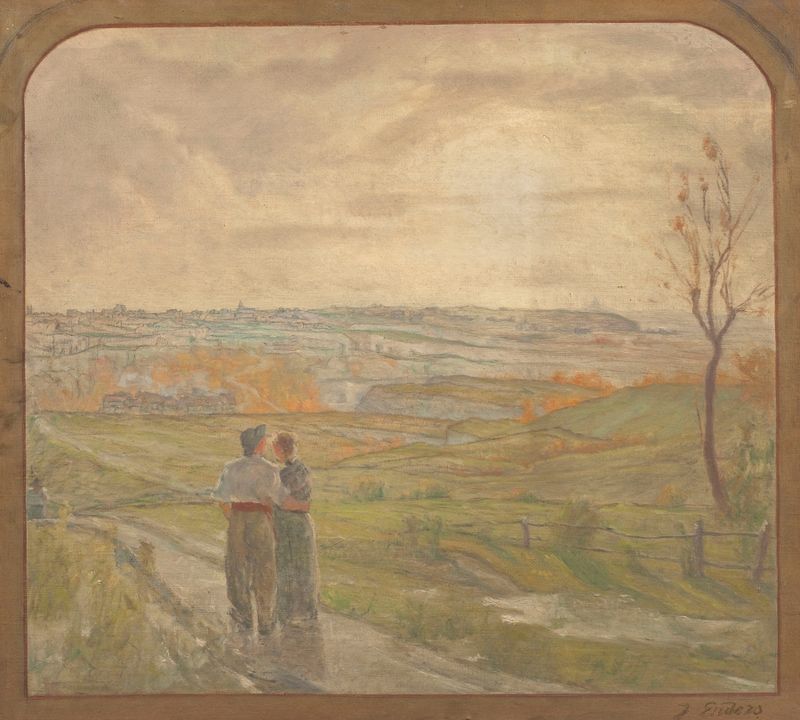
What secret hides in the quiet of the canvas? In the dim light of La Ronde de nuit en avion, fear breathes life into the stillness, evoking an unsettling tension that lingers just beneath the surface. Look to the left at the dense, swirling clouds that dominate the background, painted with thick strokes of dark blues and grays. Notice how the light softly illuminates the airplane, creating a stark contrast between its metallic sheen and the brooding backdrop. The composition draws your gaze upward, as if inviting you to share in the flight's precarious journey against the encroaching darkness.
The balance of shadow and light becomes a metaphor for the tension between hope and trepidation. Hidden within the details are echoes of vulnerability and uncertainty. The aircraft, while appearing majestic, seems dwarfed by the vast expanse of ominous skies, suggesting a struggle against the weight of fear. Each brushstroke conveys a sense of urgency, which invites reflections on the fragility of existence during tumultuous times—heightened by the historical context of World War I, when the painting was created.
The interplay between the airplane's daring ascent and the dark encroachment hints at the human spirit's resilience amid overwhelming odds. In 1916, Jean Joseph Enders crafted this work amidst the horrors of global conflict, capturing a moment when aviation was both a symbol of progress and peril. Living in France, he witnessed the impact of war on society, which profoundly influenced artists and their expressions. This painting reflects a unique merging of innovation and fear, capturing the zeitgeist of an era on the brink of transformation.