
La Seine au Bas-Meudon en hiver; effet de neige et de gelée — History & Facts
Can paint confess what words never could? In La Seine au Bas-Meudon en hiver; effet de neige et de gelée, the quiet agony of winter whispers through the canvas, revealing the profound void that often accompanies the chill of solitude. Look to the left where the Seine snakes its way through a landscape blanketed in snow. Notice how the pale blue and white hues entwine, creating a delicate balance between tranquility and desolation. The soft brushstrokes evoke a sense of movement in the water, while the muted palette reflects the stillness of the air, giving life to an otherwise frozen moment.
The faint outlines of trees and buildings in the distance are gently kissed by a soft light, casting a glow that hints at the warmth of life amidst the cold. There’s an emotional tension captured in the contrast between the vividness of the snow-laden foreground and the shadowy silhouettes of the background. The serene surface of the water echoes a yearning for connection, while the stark surroundings evoke feelings of isolation. Each stroke enunciates a story of the season—one that oscillates between the beauty of nature and the weight of solitude, inviting viewers to reflect on their own experiences of winter's embrace. In 1899, Lebourg was immersed in the Impressionist movement, working primarily in France.
The late 19th century was a time of artistic exploration; he sought to capture the ephemeral qualities of light and atmosphere. This painting was created as he distanced himself from the turmoil of urban life, finding solace in the landscapes around Paris, which served as both a personal refuge and a source of inspiration.
More Artworks by Albert Lebourg
Browse all →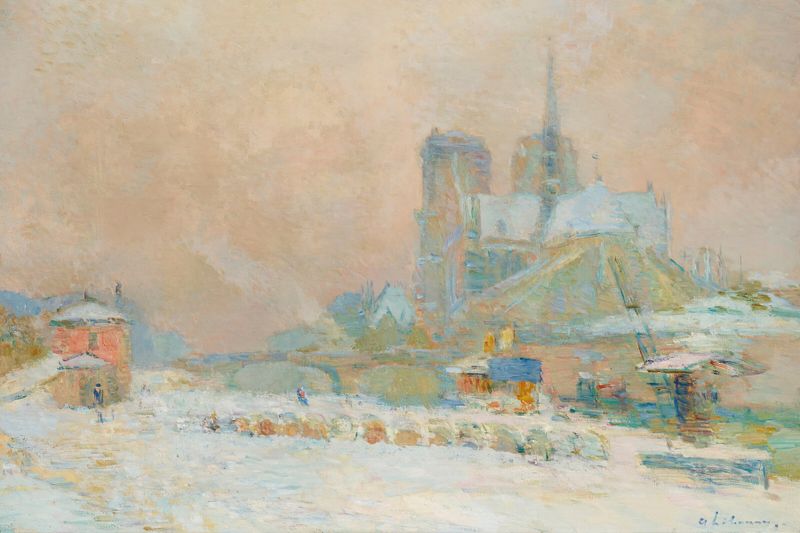
Notre Dame de Paris, vue du Quai de la Tournelle, effet de neige
Albert Lebourg
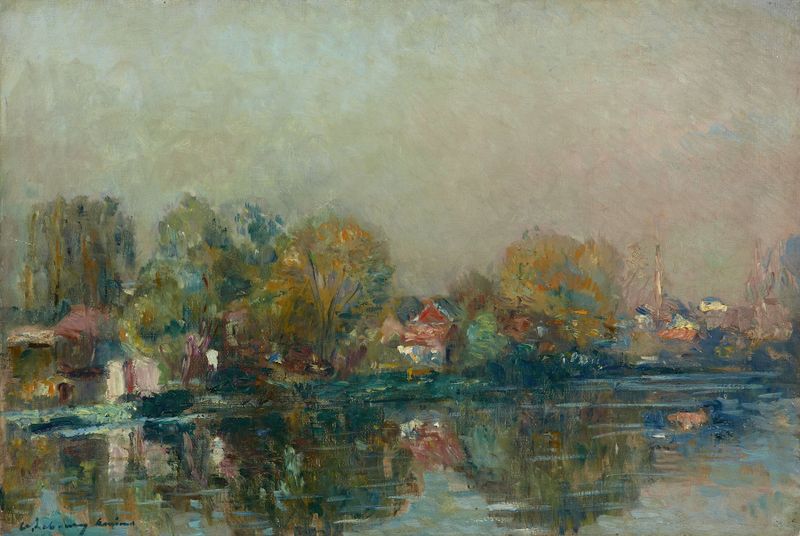
Amiens, bords de rivière
Albert Lebourg
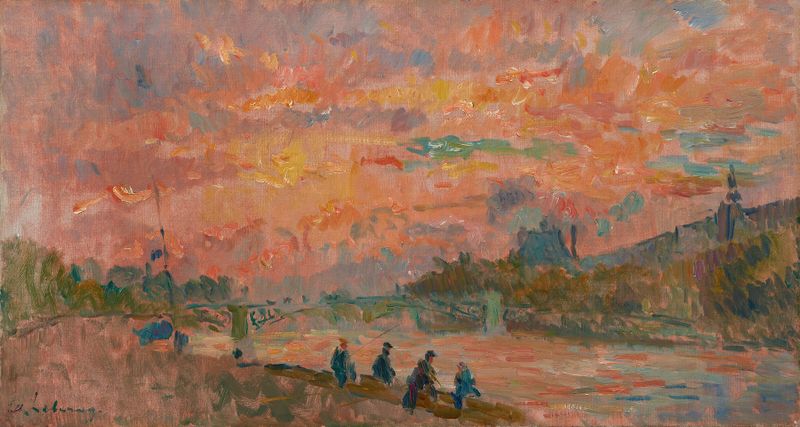
Coucher de soleil sur la Seine, à Paris
Albert Lebourg
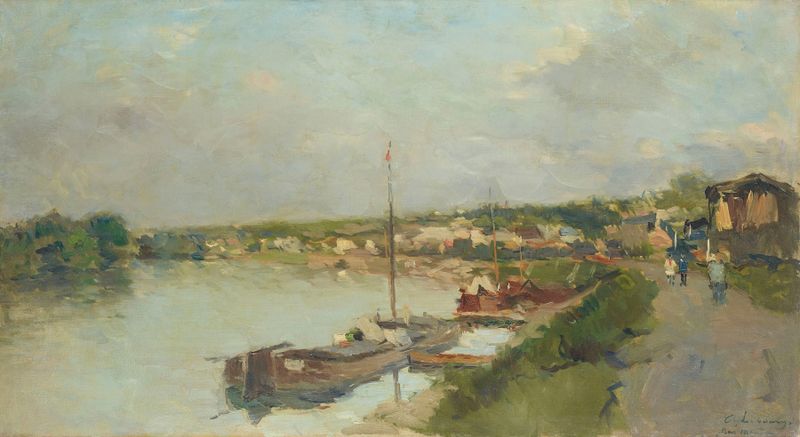
La Seine au Bas-Meudon
Albert Lebourg
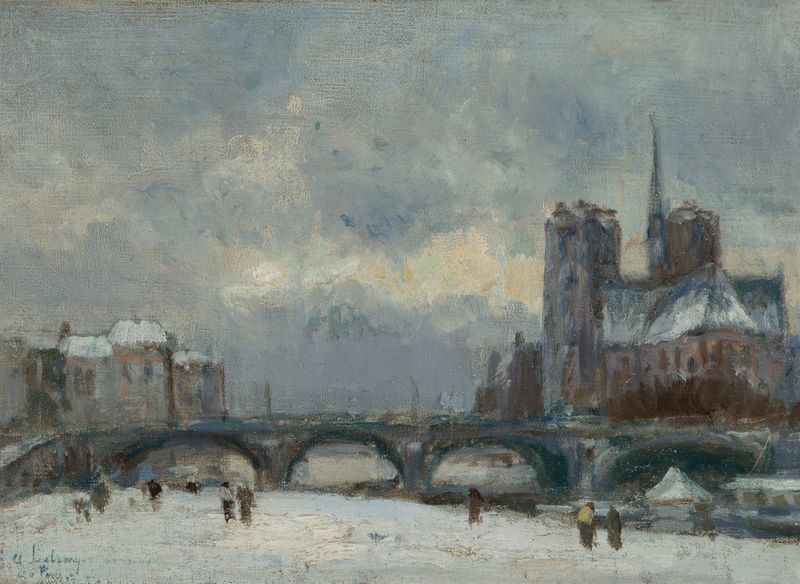
Paris, Notre-Dame, neige
Albert Lebourg
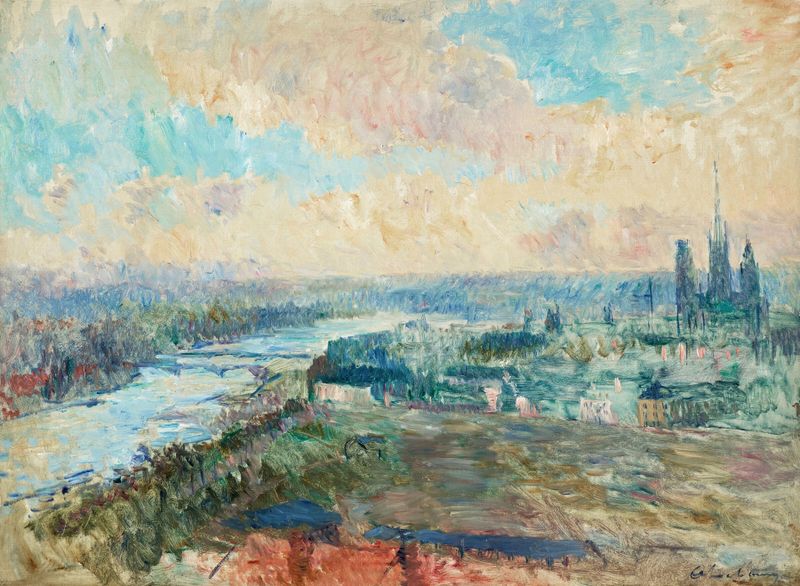
La Seine à Rouen
Albert Lebourg
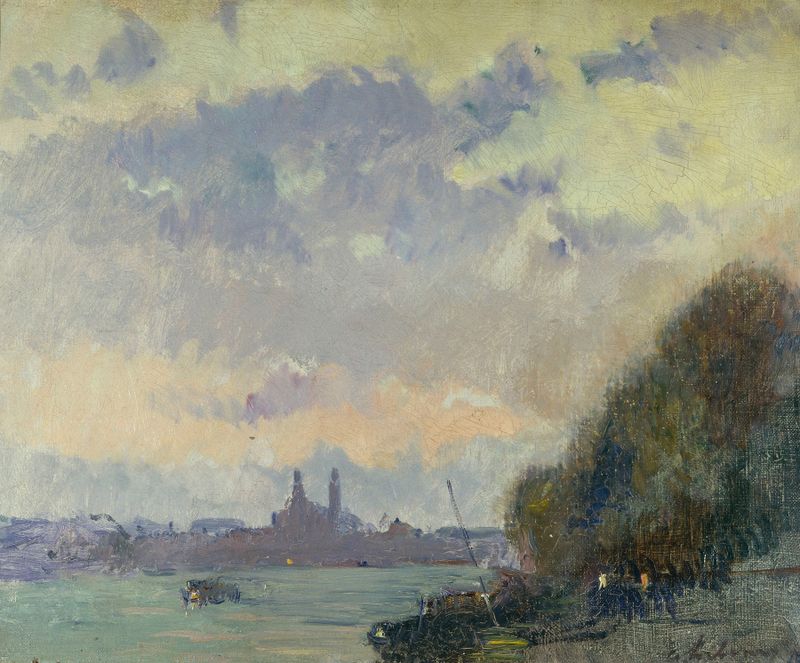
La Seine et l’ancien Trocadéro
Albert Lebourg
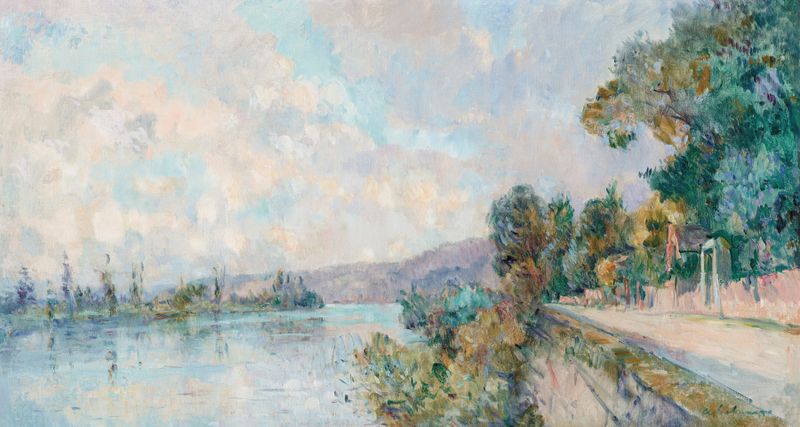
La Seine et les coteaux de Dieppedalle, vue prise de Croisset, près Rouen
Albert Lebourg
Le Pont de la Tournelle et le quai de Béthune
Albert Lebourg
Moulin En Normandie
Albert Lebourg





