
La Seine à Paris — History & Facts
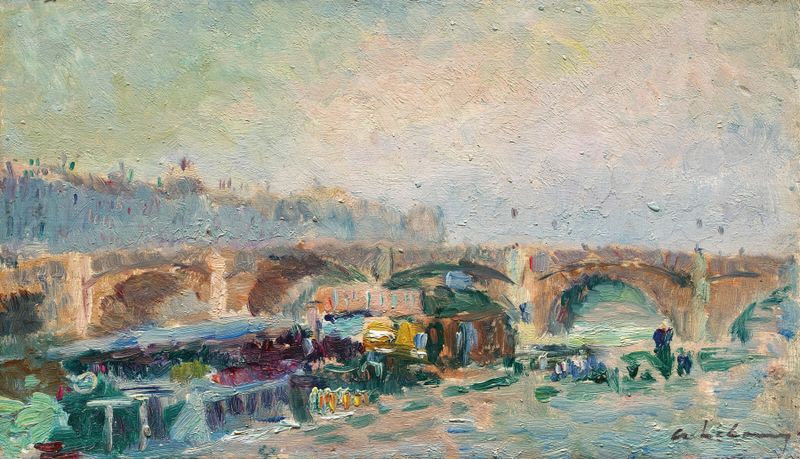
Can beauty exist without sorrow? In La Seine à Paris, the landscape unfolds with vibrant hues that evoke both serenity and an underlying melancholy, inviting viewers to ponder the transient nature of life itself. Look to the center where the river meanders, a shimmering ribbon of blues and greens reflecting the sky above. The soft brushwork captures the gentle ripples of water, while the surrounding architecture emerges in warm earth tones, grounding the ethereal scene. Notice how the light dances upon the surface, illuminating fleeting moments, suggesting the inevitable passage of time and the fragility of the world. Subtle contrasts abound within the composition.
The lively strokes of the trees on the banks speak to the vitality of nature, yet they stand alongside the stoic buildings, hinting at human permanence against the currents of life. Each element, from the boats drifting lazily to the figures strolling along the shore, embodies a delicate balance between joy and the ephemeral nature of existence—a reminder that every serene moment is shadowed by the awareness of mortality. In 1885, while creating this work, the artist was immersed in a burgeoning Impressionist movement that sought to capture fleeting light and atmosphere. Living in France during a period of rapid industrial change, he responded to both the beauty of urban life and the melancholy of its impermanence.
This painting reflects not only his technical prowess but also the philosophical inquiries that defined an era, where beauty and sorrow intertwined seamlessly along the banks of the Seine.
More Artworks by Albert Lebourg
Browse all →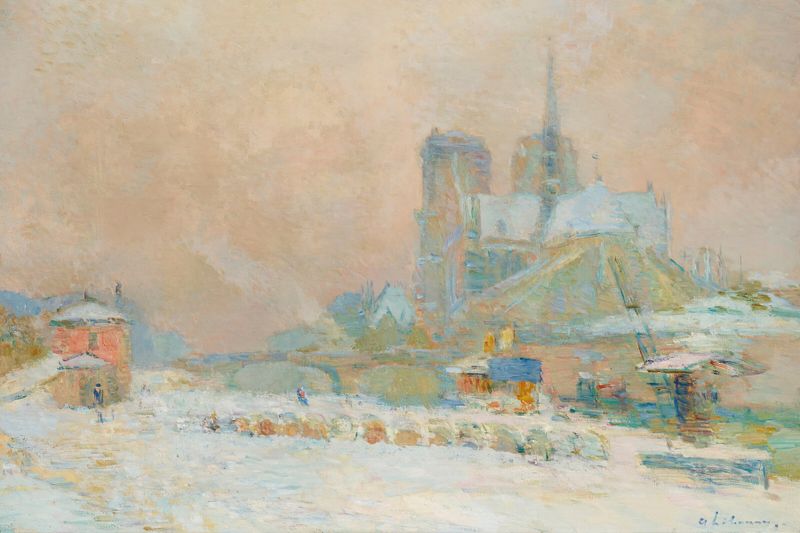
Notre Dame de Paris, vue du Quai de la Tournelle, effet de neige
Albert Lebourg
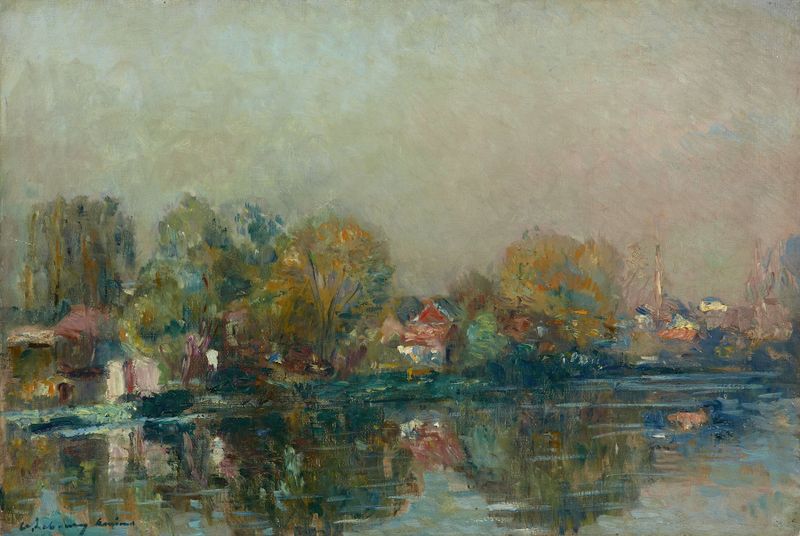
Amiens, bords de rivière
Albert Lebourg
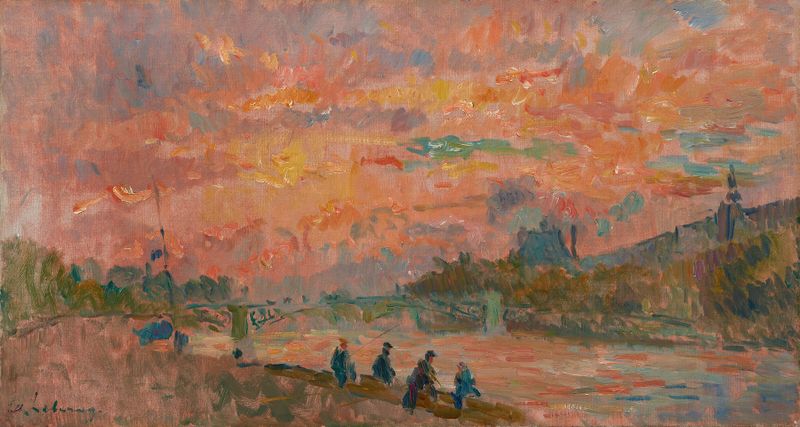
Coucher de soleil sur la Seine, à Paris
Albert Lebourg
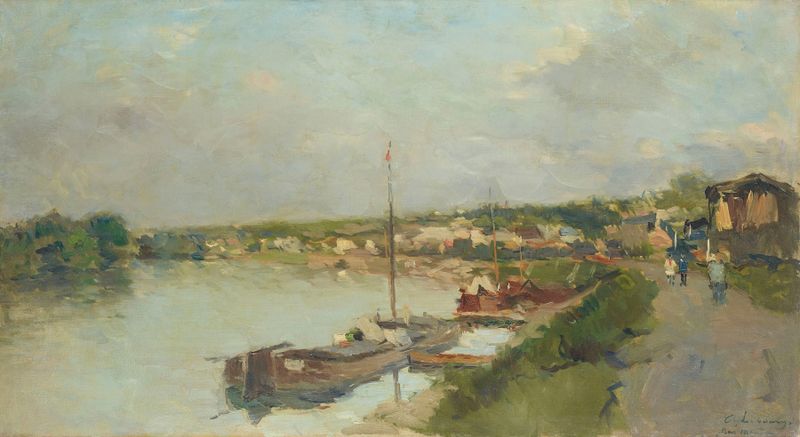
La Seine au Bas-Meudon
Albert Lebourg
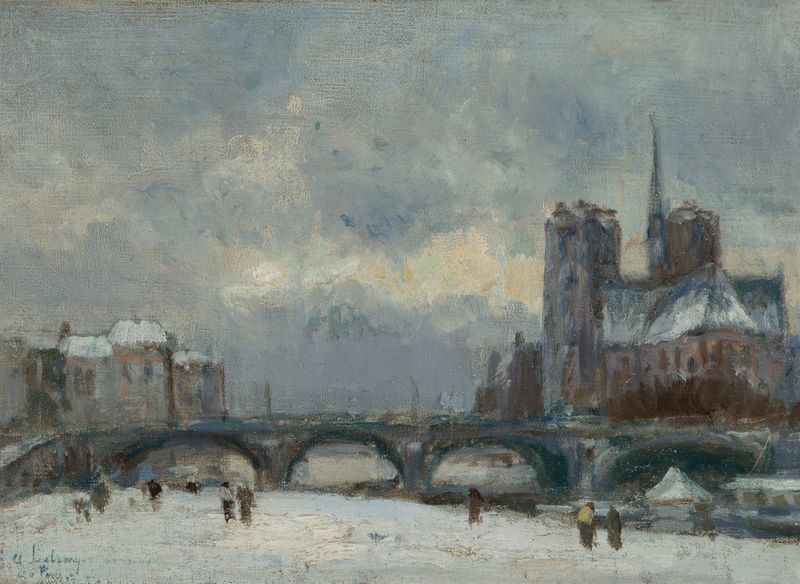
Paris, Notre-Dame, neige
Albert Lebourg
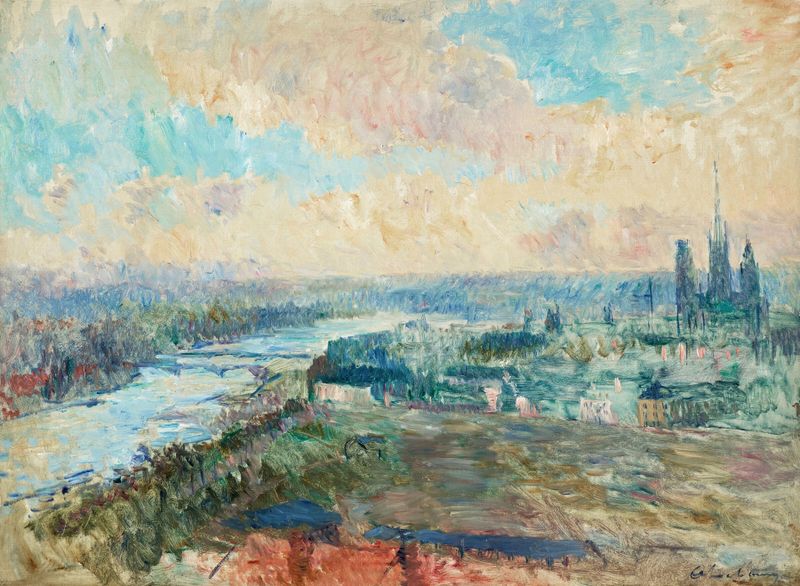
La Seine à Rouen
Albert Lebourg
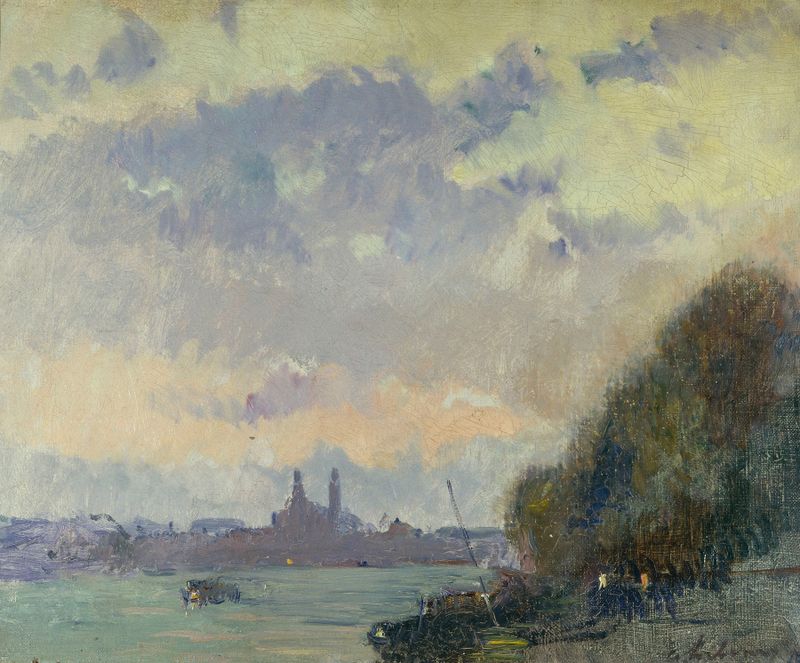
La Seine et l’ancien Trocadéro
Albert Lebourg
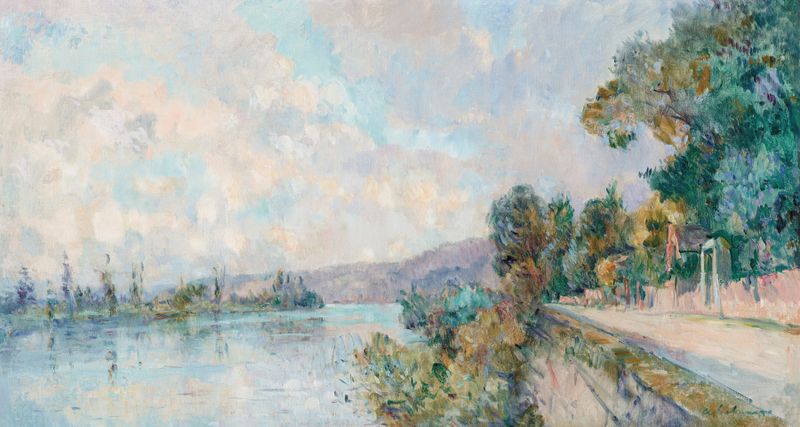
La Seine et les coteaux de Dieppedalle, vue prise de Croisset, près Rouen
Albert Lebourg
Le Pont de la Tournelle et le quai de Béthune
Albert Lebourg
Moulin En Normandie
Albert Lebourg





