La vallée de Courtry (Seine-et-Marne) — History & Facts
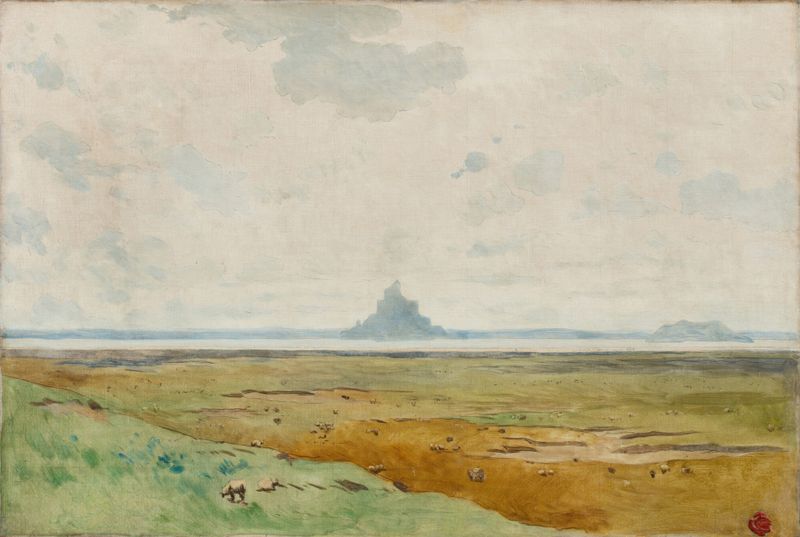
In a world that often feels empty, art can fill the void left by fleeting moments and lost connections. Look to the center of the canvas, where a tranquil river meanders through lush greenery, cradled by the gentle embrace of rolling hills. The soft, dappled light filters through the leaves, casting a warm glow on the water’s surface, while the rich greens and earthy browns of the landscape invite the viewer’s gaze deeper into the serene panorama. Notice how the artist skillfully captures the play of light and shadow, creating depth and inviting a sense of calm that envelops the viewer. Amidst this idyllic scene lies a subtle tension—the juxtaposition of nature’s serenity with the underlying solitude evoked by the absence of human figures.
Small details, like the delicate ripples of the water and the fluttering leaves, hint at a world alive but curiously devoid of presence. This absence echoes the quiet isolation we often feel in our own lives, prompting contemplation about what it means to exist within such beauty yet remain unseen. In the late 1870s, as Impressionism was reshaping the artistic landscape, La vallée de Courtry (Seine-et-Marne) was painted by Alexandre Ségé during a period of personal exploration and cultural shift in France. Living amidst burgeoning artistic movements, Ségé captured the tranquility of the French countryside while grappling with the intimate relationships between nature, solitude, and the human spirit.
This work reflects both his technical prowess and the emotional depth that characterized this transformative era in art.