
Laatste avondmaal — History & Facts
What secret hides in the quiet of the canvas? In Laatste avondmaal, divinity intertwines with humanity, challenging the viewer to ponder the mysteries of faith and sacrifice. Look to the center of the composition, where the figures are gathered around a long table. The luminous glow from above casts a soft light on their faces, highlighting expressions that range from sorrow to contemplation. Notice how the artist skillfully uses rich, deep colors to contrast the ethereal light, creating an almost palpable tension that draws the eye to the central figure, whose presence commands both reverence and reflection. Intriguingly, the placement of hands speaks volumes; some reach toward the bread while others are poised in gestures of disbelief or prayer.
This dynamic captures the emotional gravity of the moment, embodying the struggle between faith and doubt. The somber yet vibrant palette enhances this duality, offering a glimpse into the complex emotions surrounding divinity and the human condition. Pieter de Jode (I) created this work during a period of significant transition in European art, between 1590 and 1632. This was an era marked by religious upheaval and a burgeoning interest in the interplay of light and shadow, known as chiaroscuro.
As an artist influenced by the traditions of the Northern Renaissance, de Jode infused his interpretations with emotional depth, capturing the essence of spiritual narratives that resonated deeply with contemporary audiences.
More Artworks by Pieter de Jode (I)
Browse all →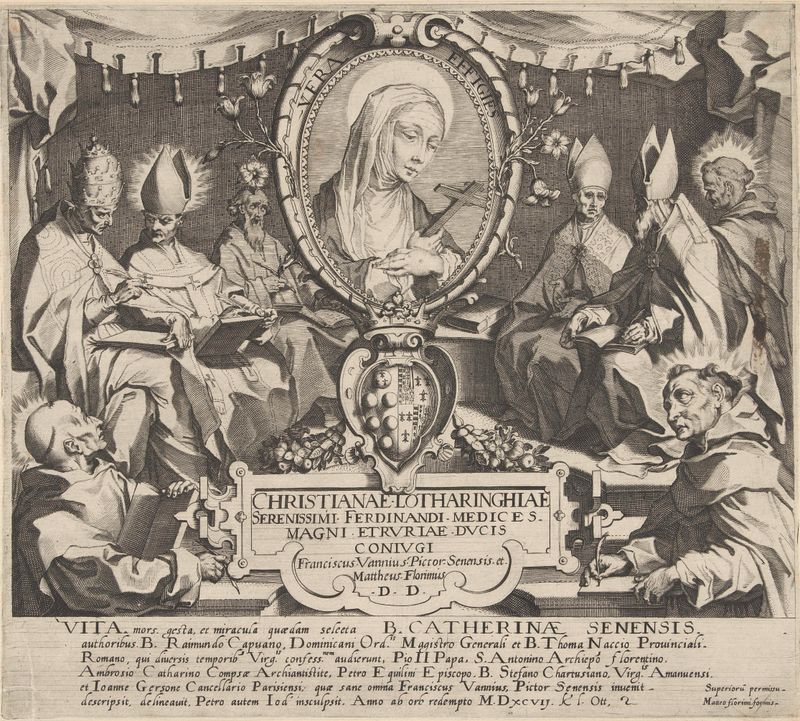
Titelprent voor een serie met scènes uit het leven en wonderen van de Heilige Catharina van Siena
Pieter de Jode (I)

Christus in de hof van Getsemane en musicerende hovelingen
Pieter de Jode (I)
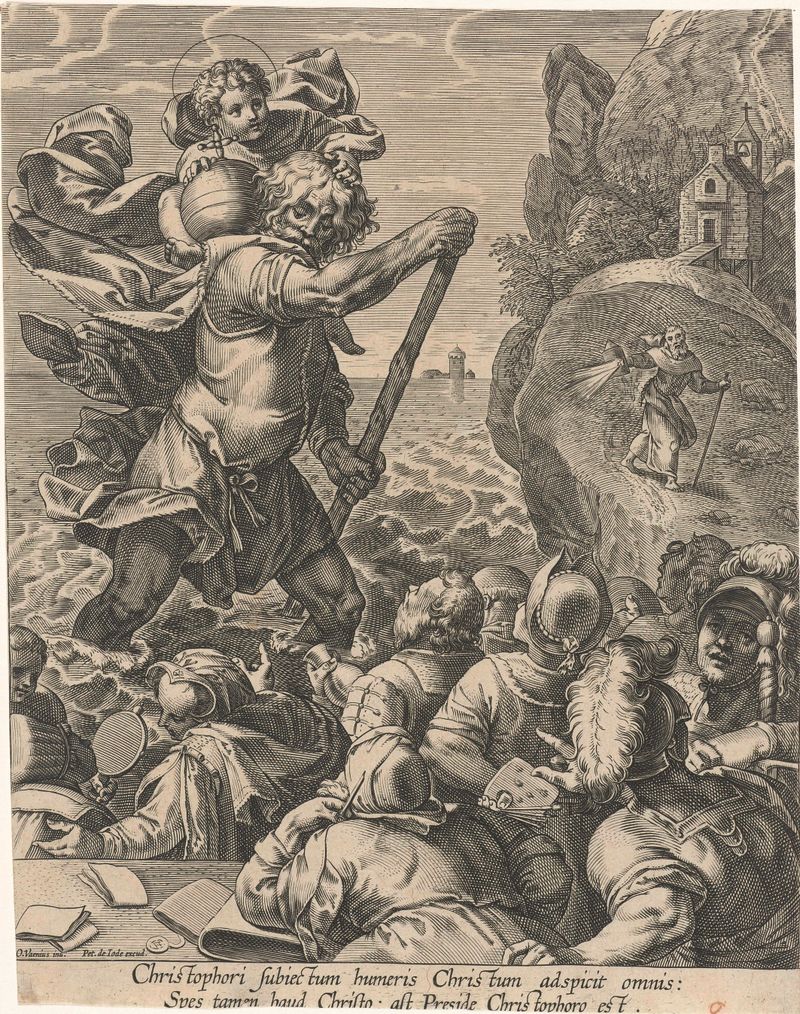
De heilige Christoffel en toeschouwers
Pieter de Jode (I)
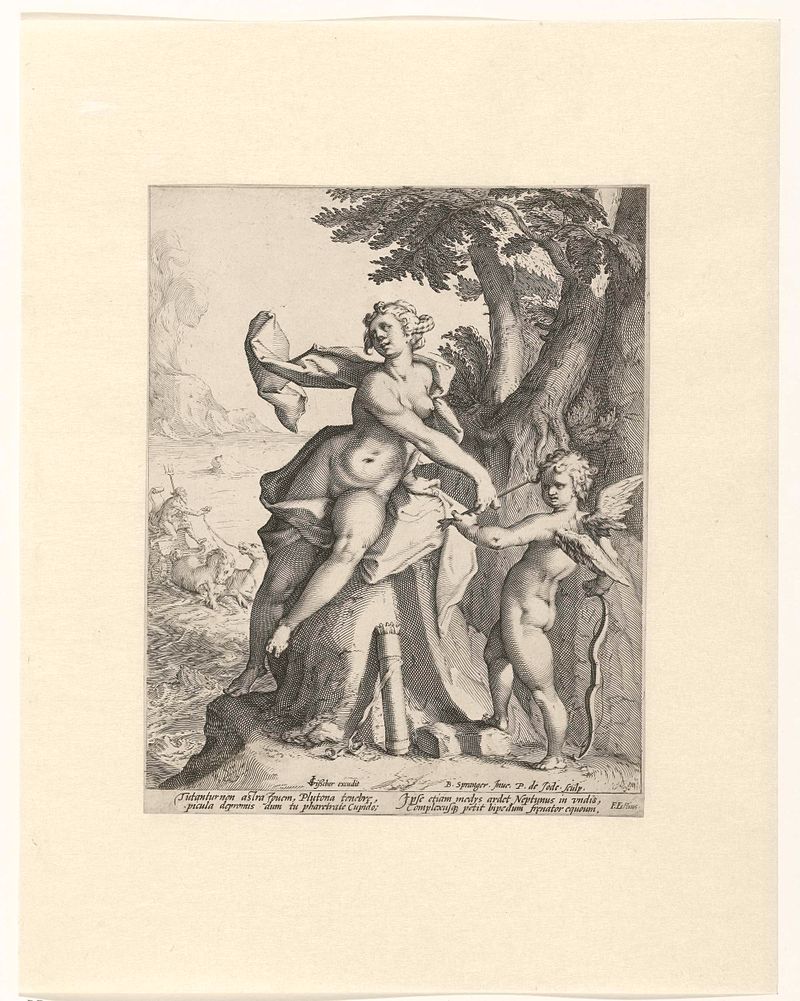
Landschap met Venus en Amor
Pieter de Jode (I)
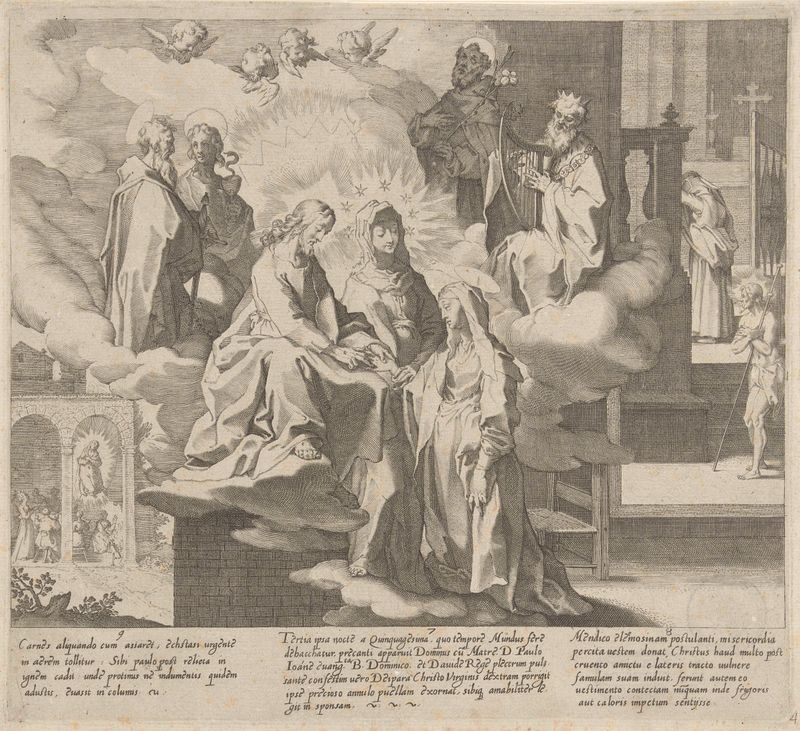
Catharina verschijnt / huwelijk van Catharina / Catharina deelt haar mantel
Pieter de Jode (I)
More Religious Art
Browse all →
The Return of the Prodigal Son
Rembrandt van Rijn

The Garden of Earthly Delights
El Bosco

Count Orgaz’ funeral
El Greco

The Hundred Guilder Print: the central piece with Christ preaching, the plate arched
Rembrandt van Rijn

The Descent from the Cross
Rogier van der Weyden

The return of the prodigal son
Rembrandt van Rijn