
Laatste Avondmaal — History & Facts
Time weaves through the fabric of existence, marking moments in ways both fleeting and eternal. Look to the center of the composition, where the figures gather around a long table, their faces etched with solemnity. The warm glow of candlelight dances across the scene, illuminating the detailed expressions and deep shadows that hint at the tensions that fill the air. Notice how the artist employs a rich palette of earthly tones, drawing attention to the contrasting light and dark—an echo of both divine presence and human frailty.
The meticulous arrangement of objects on the table speaks volumes, each one a silent witness to the unfolding drama. As you engage with the artwork, consider the way the figures are positioned: some lean in, their body language revealing intimacy and urgency, while others recoil in disbelief, embodying fear and uncertainty. The juxtaposition of light and shadow not only enhances the three-dimensionality of the figures but also symbolizes the duality of the moment—the sacred versus the profane. Each gesture, from the outstretched hand to the bowed head, captures the emotional landscape of betrayal and communion that exists here. Created in 1523, this piece reflects an era of profound religious tension and transformation.
The artist, whose identity remains unknown, was likely influenced by the burgeoning Renaissance movement and the shifting ideologies of the time. In a world grappling with faith and doubt, the painting resonates as both a historical document and a timeless exploration of human relationships.
More Artworks by Unknown Artist
Browse all →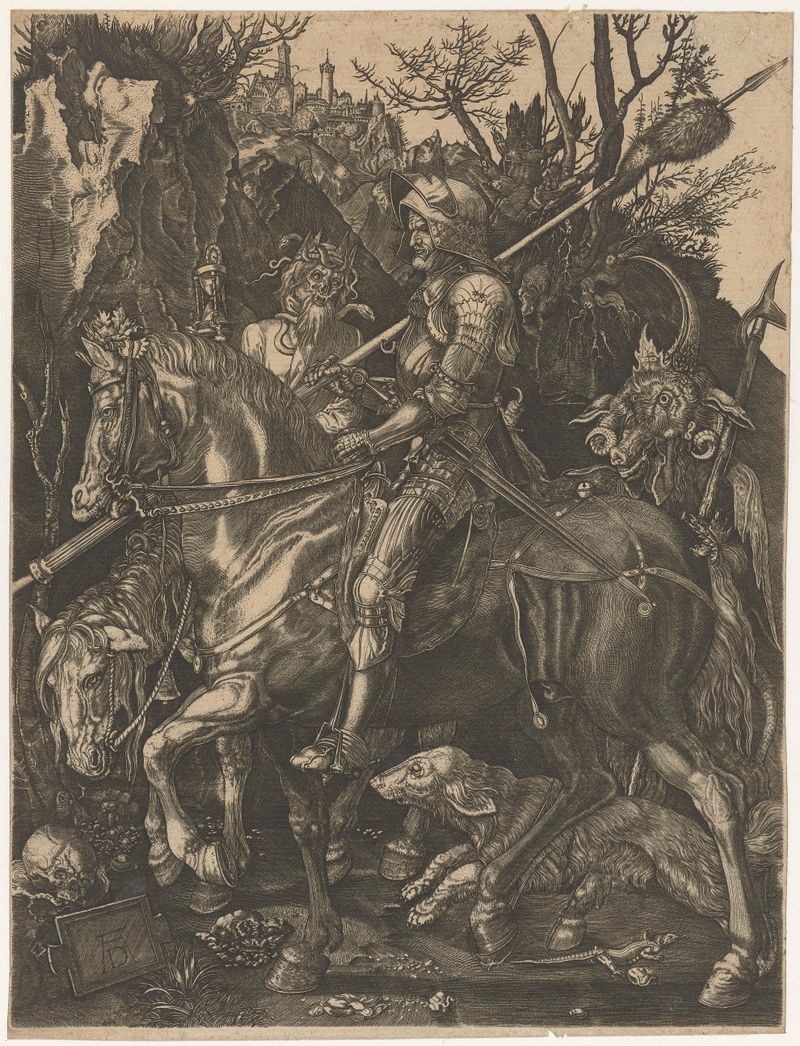
Ridder, Dood en Duivel
Unknown Artist
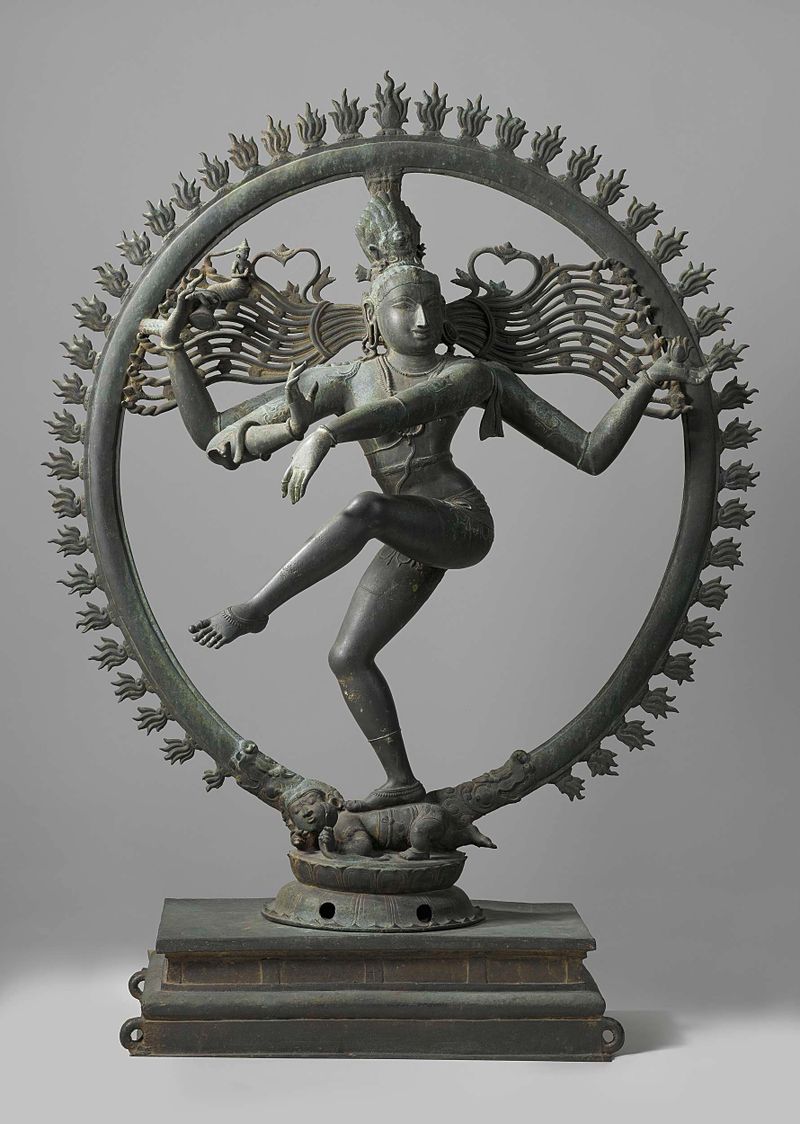
Shiva Nataraja
Unknown Artist
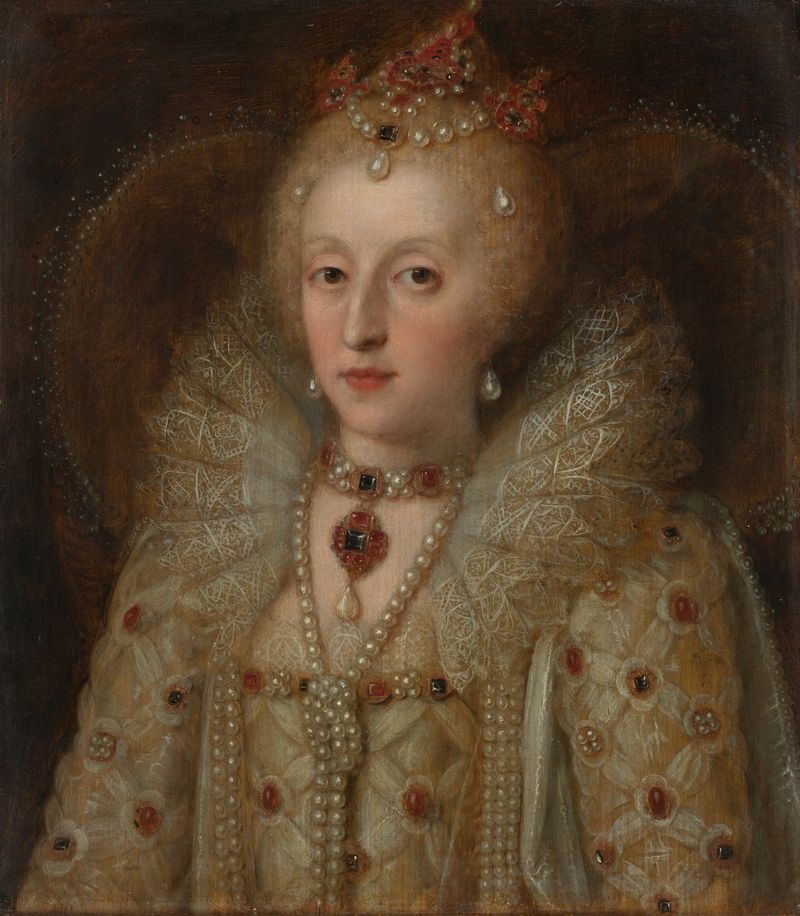
Portrait of Elizabeth I, Queen of England
Unknown Artist
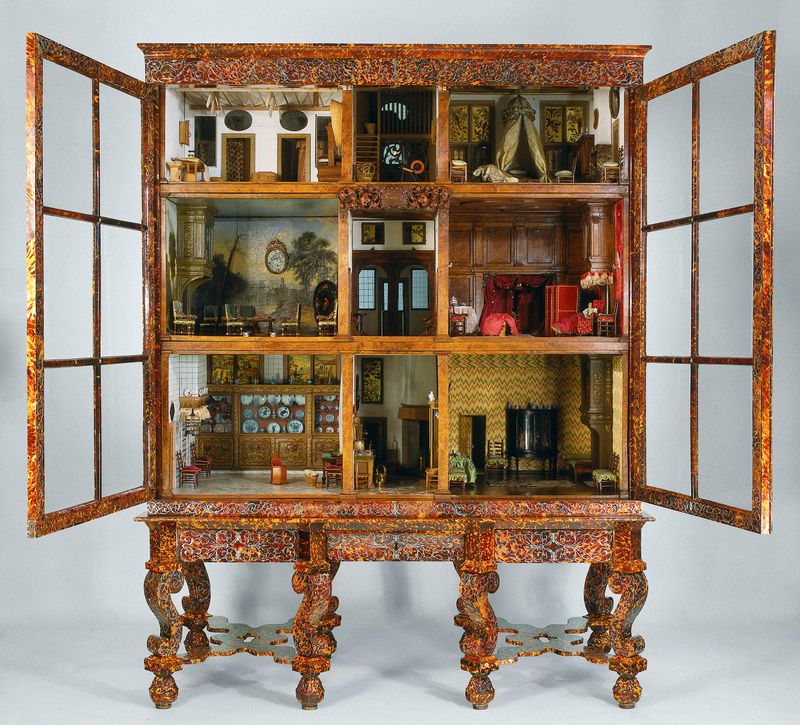
Dolls’ house of Petronella Oortman
Unknown Artist
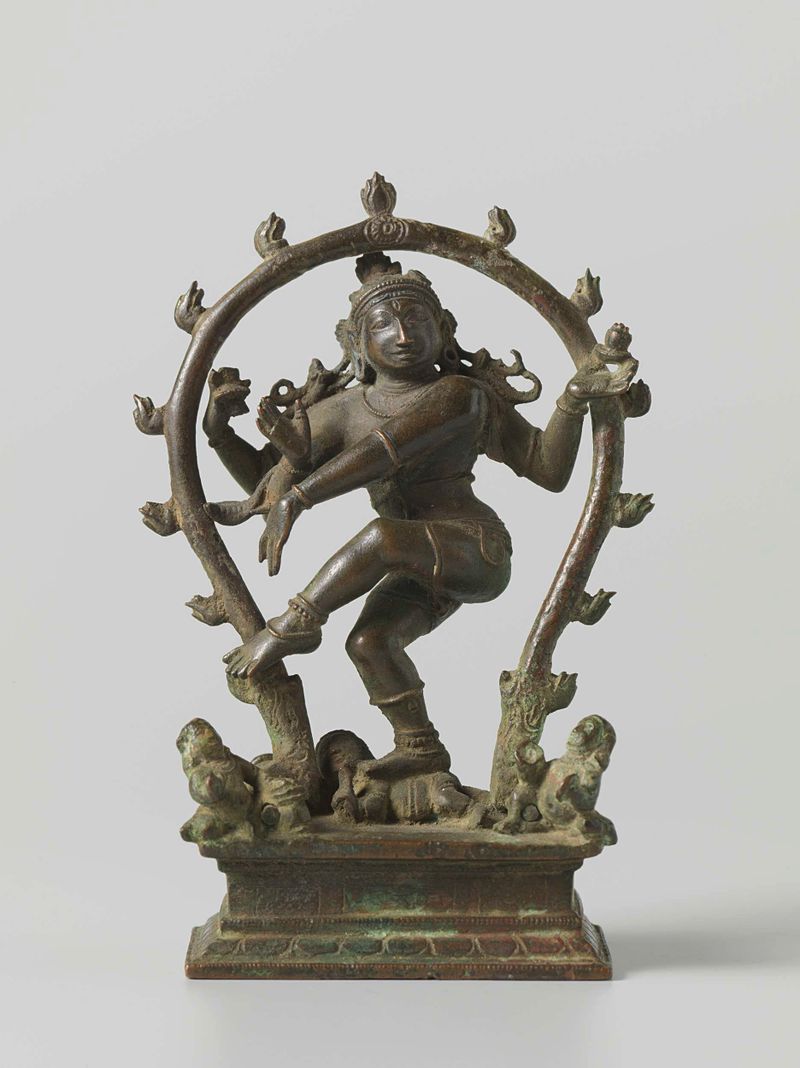
Shiva Nataraja
Unknown Artist

The Tale of Genji
Unknown Artist

The Tale of Genji
Unknown Artist
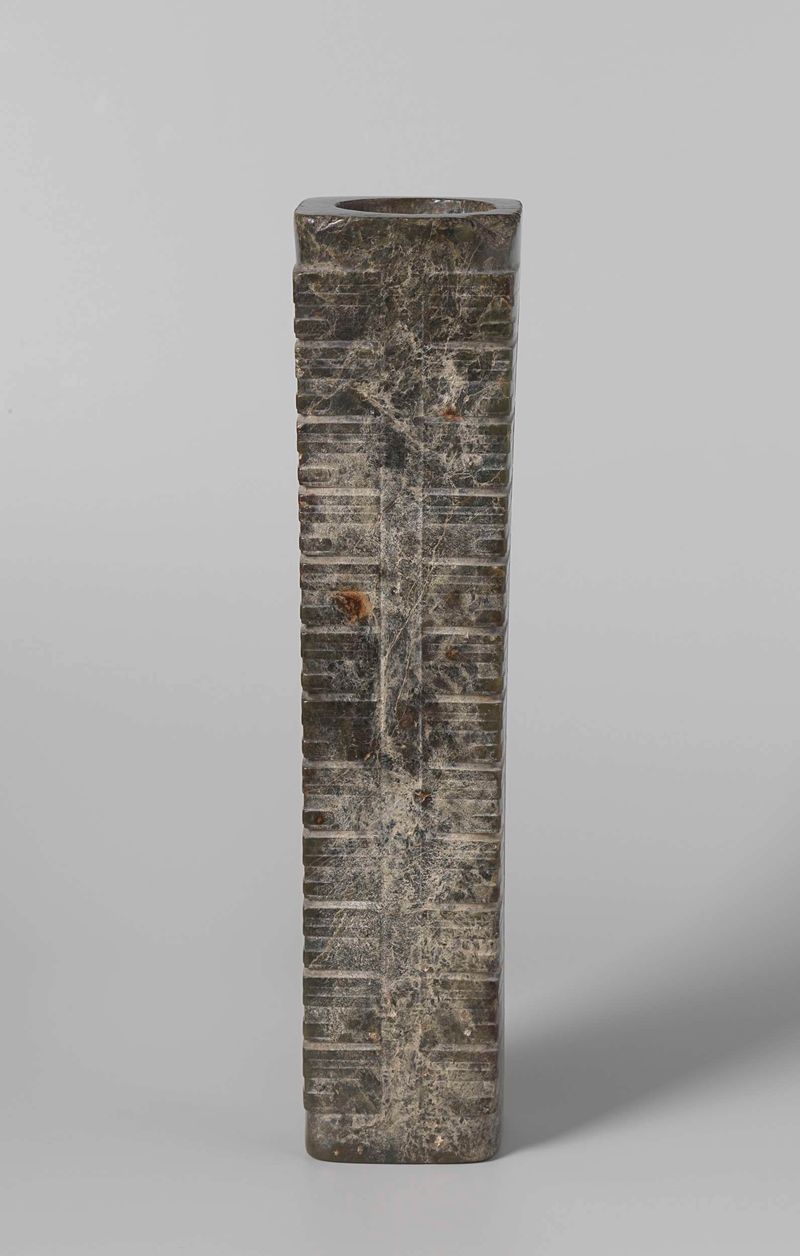
Cong
Unknown Artist
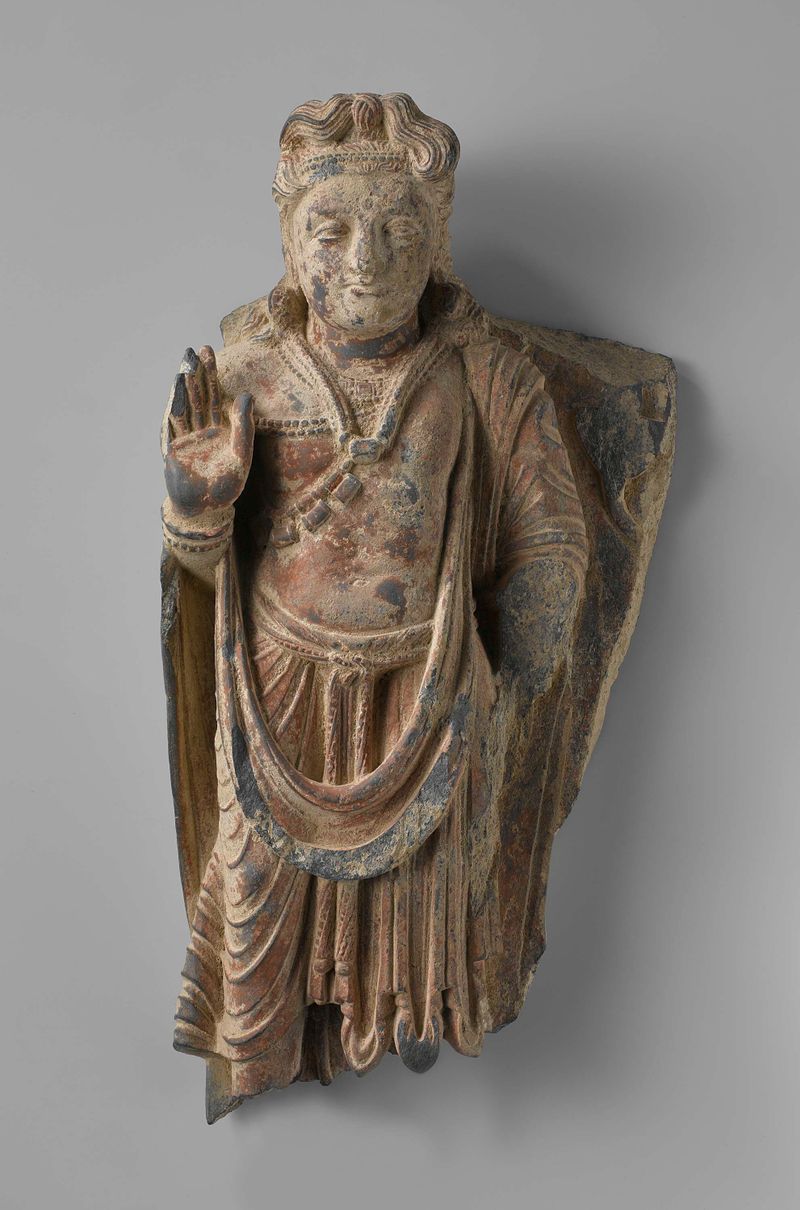
The bodhisattva Maitreya
Unknown Artist
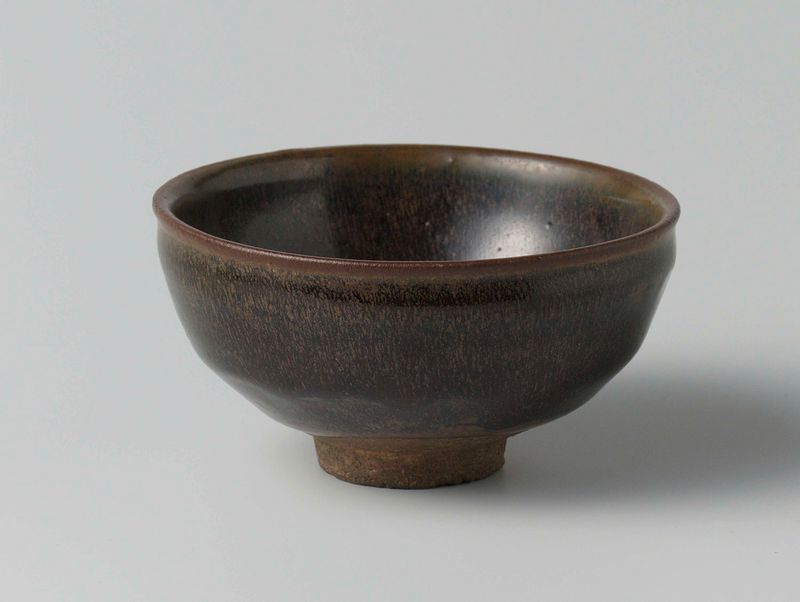
Teabowl with a 'hare's fur' glaze
Unknown Artist
More Religious Art
Browse all →
The Return of the Prodigal Son
Rembrandt van Rijn

The Garden of Earthly Delights
El Bosco

Count Orgaz’ funeral
El Greco

The Hundred Guilder Print: the central piece with Christ preaching, the plate arched
Rembrandt van Rijn

The Descent from the Cross
Rogier van der Weyden

The return of the prodigal son
Rembrandt van Rijn