
Landscape — History & Facts
In the realm of art, the dreamlike quality of a landscape can transport us to realms both familiar and surreal. Every brushstroke whispers tales of serenity and complexity, inviting us to lose ourselves in the hues of imagination. Look to the center of the canvas, where soft, undulating hills cradle a horizon that seems to breathe. Warm yellows and calming greens dance together, creating an atmosphere that feels both tranquil and alive.
The fluidity of the brushwork invites one’s gaze to wander, while dappled light filters through layers of color, hinting at both the passage of time and the essence of nature’s vibrant spirit. Upon closer inspection, notice how the juxtaposition of light and shadow reveals deeper emotional currents. The gentle curves of the landscape evoke a sense of nostalgia, while the vivid colors suggest an idealized world, one that straddles the barrier between reality and dream. Hints of chaos emerge through the brush's wild energy—an interplay of order and disorder that mirrors the complexities of the human experience. During the years surrounding 1900-1903, the artist found himself immersed in a vibrant art scene, exploring post-impressionist ideals.
Working in his native Spain, he was influenced by both the natural beauty that enveloped him and the burgeoning modern movements reshaping European art. This period was one of exploration and innovation, as artists sought to capture the essence of life in new, evocative forms.
More Artworks by Joaquin Mir Trinxet
Browse all →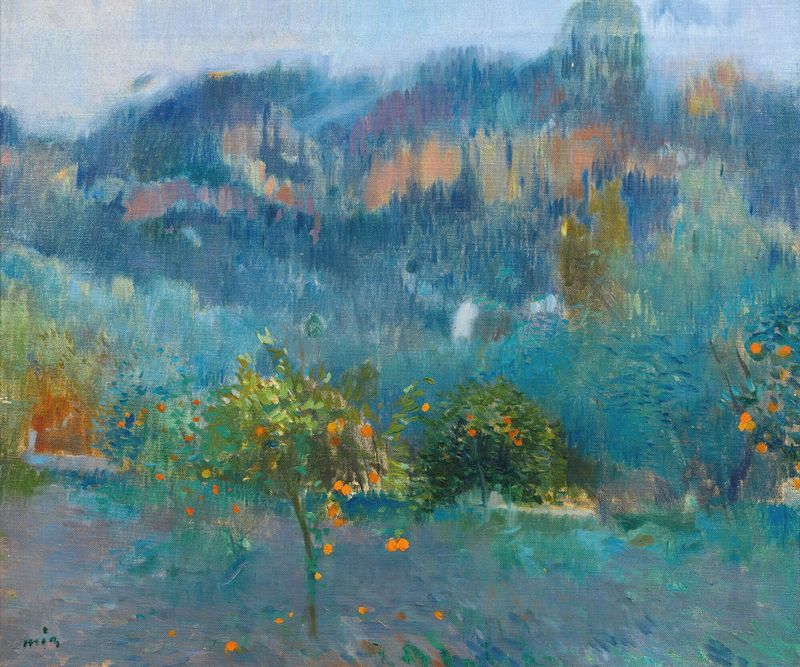
Paisaje Mallorquín Con Naranjos
Joaquin Mir Trinxet

Spanish Jardin
Joaquin Mir Trinxet
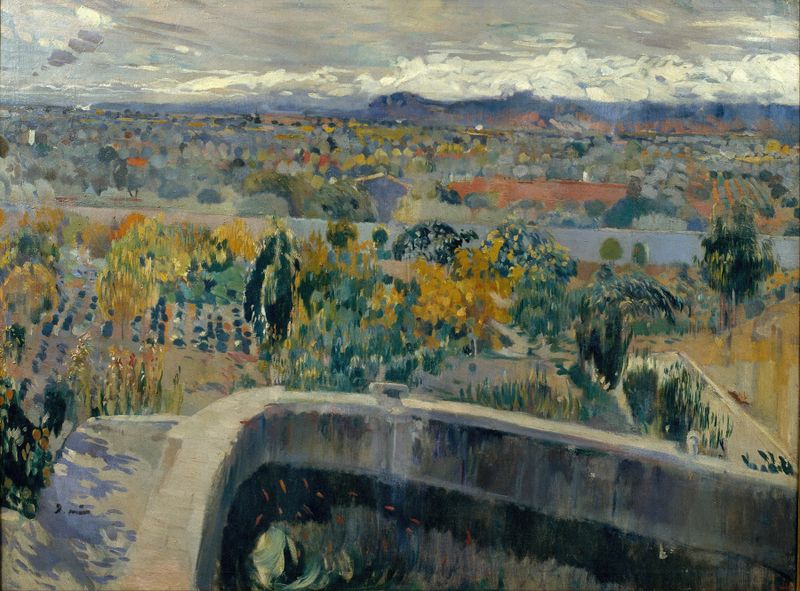
The New Pond
Joaquin Mir Trinxet

View of L’Aleixar
Joaquin Mir Trinxet
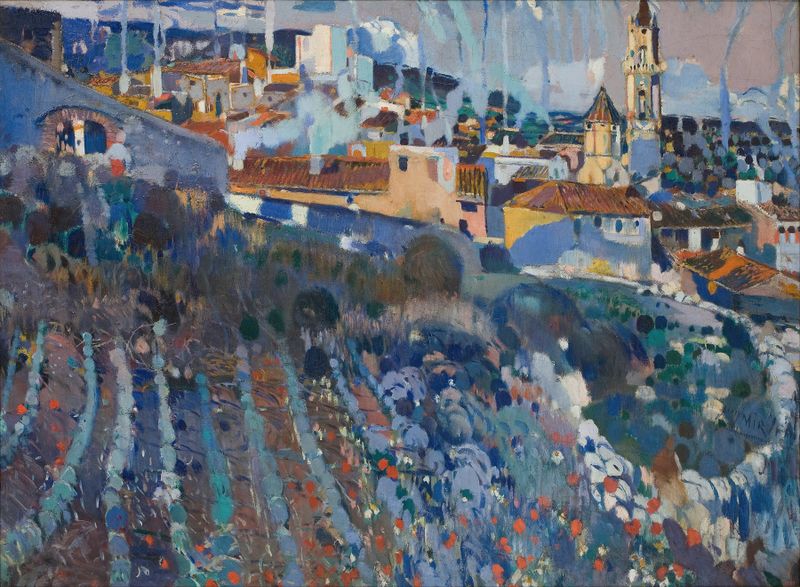
Terraced Village
Joaquin Mir Trinxet
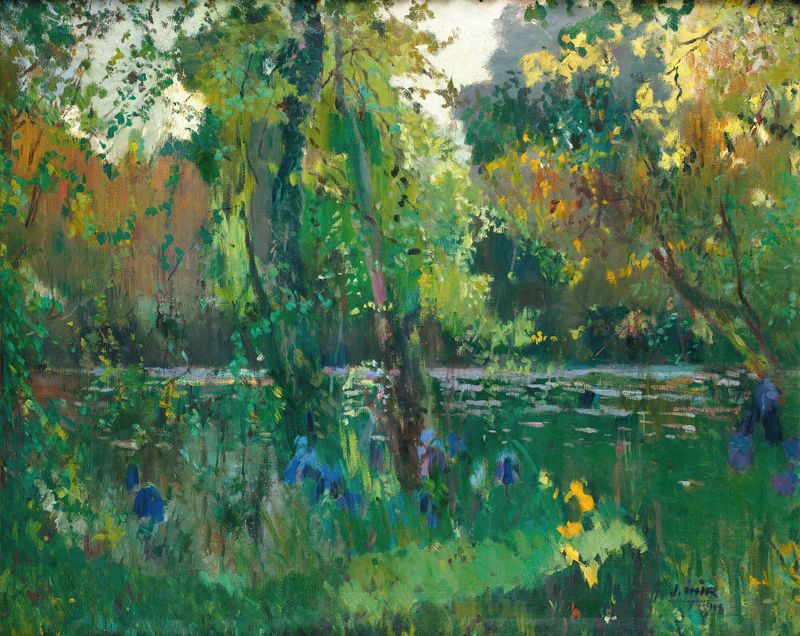
Riverbank In The Forest
Joaquin Mir Trinxet
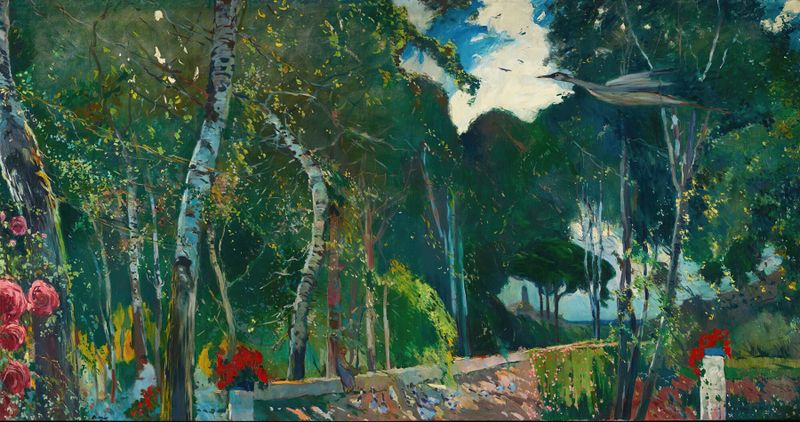
El Mas Blau
Joaquin Mir Trinxet
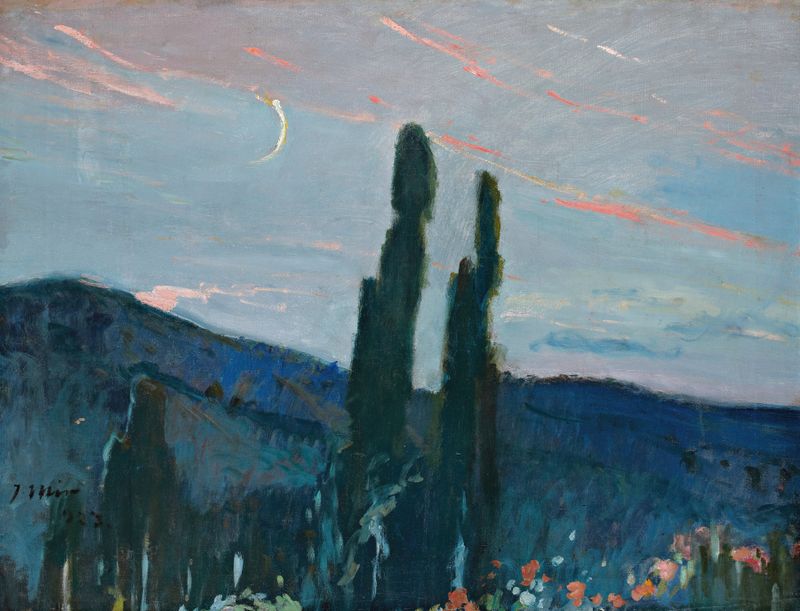
Atardecer (Twilight)
Joaquin Mir Trinxet
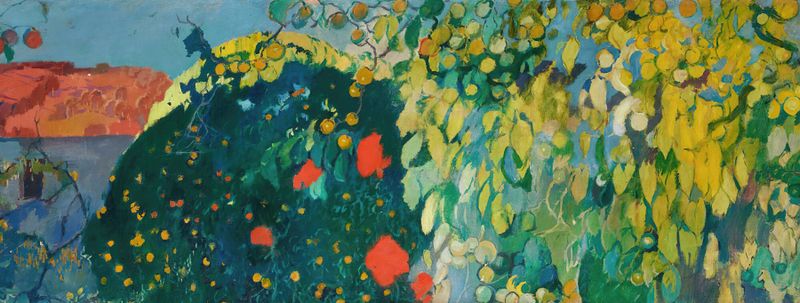
Paisaje Enmarcado Por Grandes Árboles
Joaquin Mir Trinxet
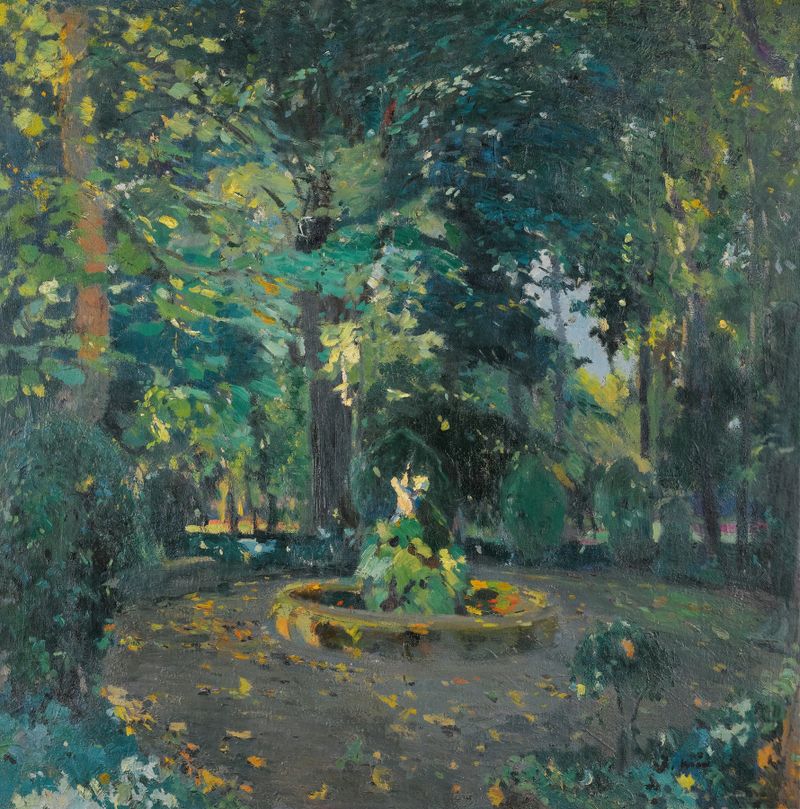
Surtidor, Santa Perpetua De La Mogoda
Joaquin Mir Trinxet





