Landscape 4 — History & Facts
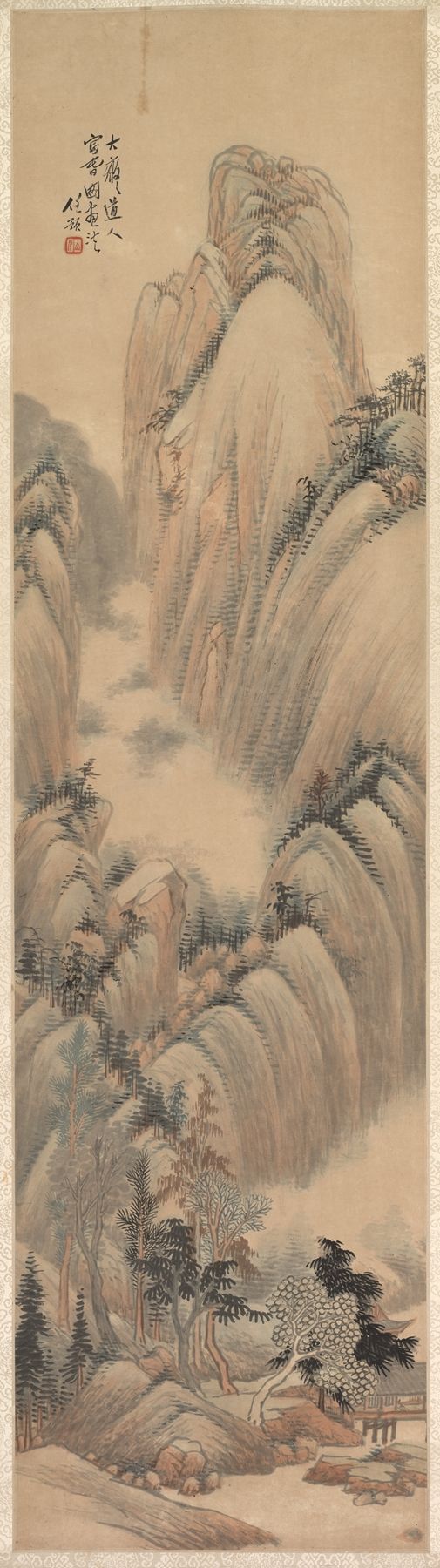
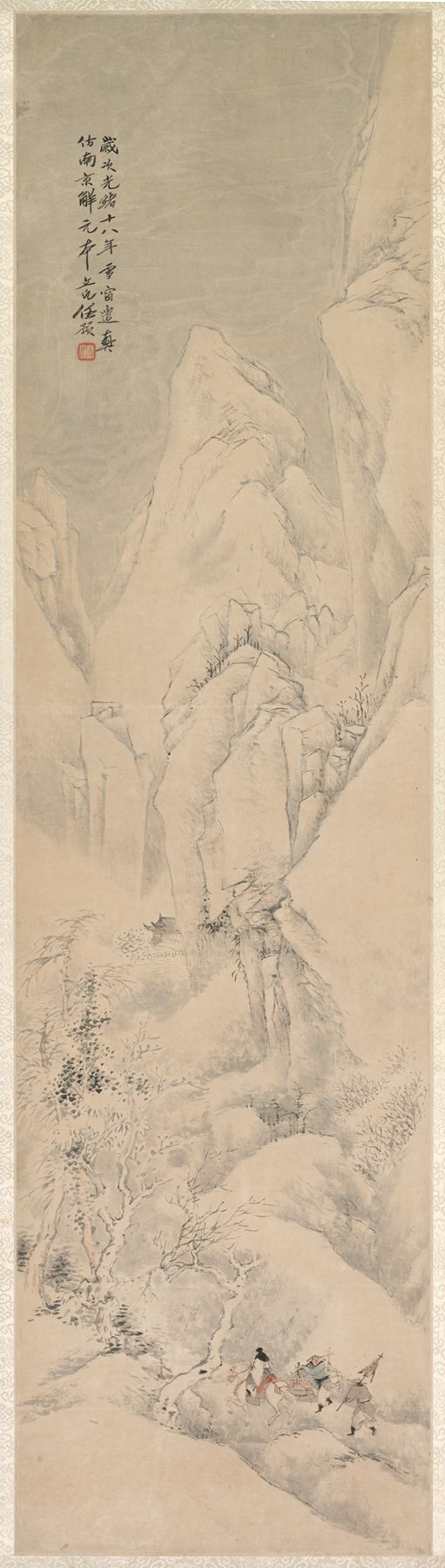
When did color learn to lie? In the world of art, shades and hues can often deceive, bending reality to an artist’s will. Landscape 4 invites viewers into a contemplative dialogue about the essence of balance between nature’s authenticity and the illusion of representation. Look to the vibrant greens that dominate the foreground, where the artist meticulously renders a serene valley. Notice how the deep, luscious colors contrast with the soft pastels of the distant hills, drawing your gaze upward to the azure sky.
The layered brushwork creates a palpable texture, while the wisps of clouds float gently, inviting an exploration of the atmosphere. Each stroke is deliberate, crafting a tapestry of color that resonates harmoniously yet evokes an underlying tension. Within this idyllic setting lies a subtle unrest. The juxtaposition of vivid foreground and muted background hints at the dichotomy of life — the vibrancy of the known world versus the mysterious, often obscured realm beyond.
This interplay suggests a delicate balance between clarity and obscurity, urging viewers to ponder what lies beneath the surface of perception. Each element harmonizes with the next, revealing layers of meaning that transcend mere visual representation. Ren Yu painted Landscape 4 in 1892, during a period of burgeoning interest in Western techniques while still rooted in traditional Chinese aesthetics. Living in a time when cultural exchanges were becoming more pronounced, the artist was influenced by both his heritage and the evolving art scene around him.
This piece exemplifies his quest to reconcile these influences, embodying a moment where tradition met modernity, yielding a work that is both timeless and reflective of its era.