
Landscape — History & Facts
In a world consumed by noise, the essence of emptiness can often feel like a profound revelation. Look to the left of the canvas, where the gentle undulation of the hills invites your gaze to flow outward. The soft wash of muted greens and pale browns creates a serene backdrop, almost whispering secrets of nature. Notice how the sparse brushstrokes evoke a sense of calm, contrasting the vibrant elements often found in landscape paintings.
The subtle interplay of light across the horizon draws attention to the empty spaces that exude both tranquility and longing. Within this tranquil setting lies a tension between presence and absence. The desolate expanse evokes feelings of solitude yet whispers of interconnectedness with nature. The horizon line, positioned deliberately low, emphasizes the vastness of the sky, suggesting an infinite possibility amidst the void.
Each stroke hints at a deeper narrative—one that speaks to the viewer’s own experiences of emptiness and reflection. Created in 1919, the artist produced this work during a period of personal exploration, as well as societal upheaval following World War I. Living in Denmark, Marie Ibsen Jensen sought to capture the quiet beauty of her surroundings amid a changing world. This painting reflects her journey towards understanding her own emotional landscape, while also mirroring the broader artistic movement that sought solace in simplicity and introspection during a time marked by disillusionment.
More Artworks by Marie Ibsen Jensen
Browse all →
Forest landscape with a creek and ducks
Marie Ibsen Jensen
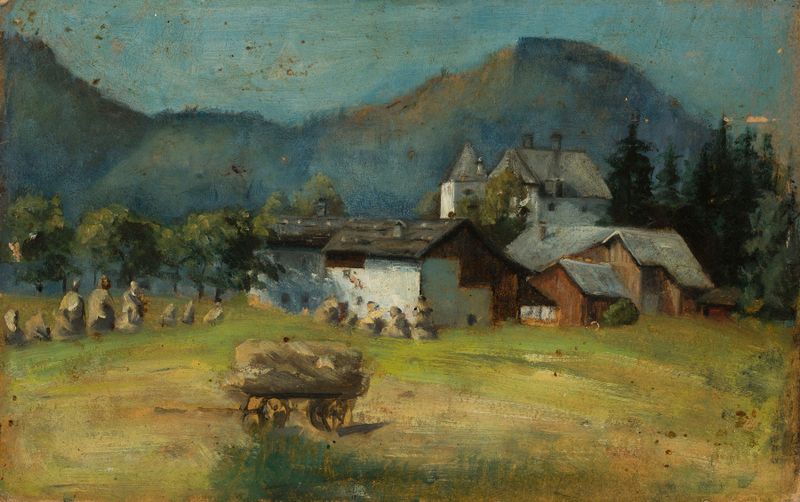
Landscape from Tyrol
Marie Ibsen Jensen

Countryside landscape
Marie Ibsen Jensen
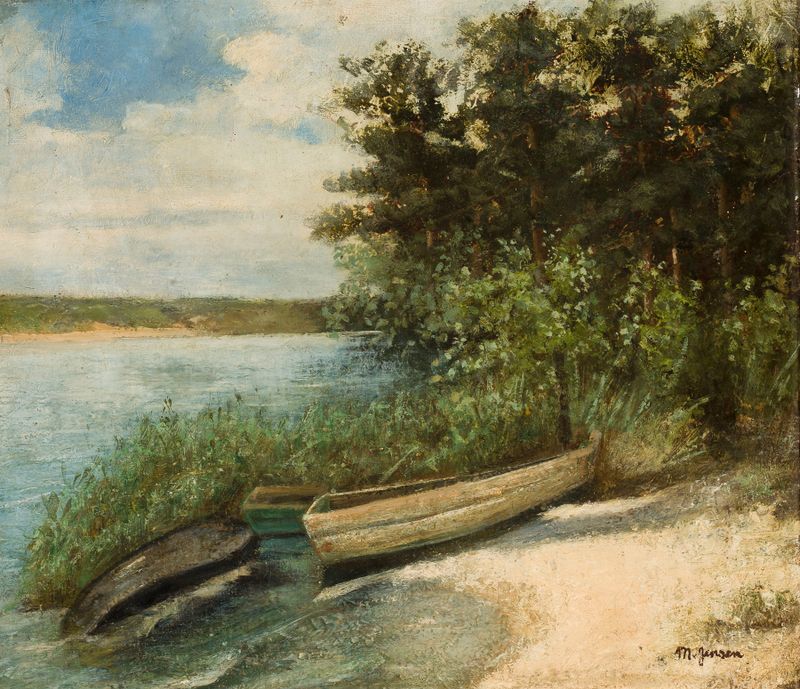
Barges at the bank
Marie Ibsen Jensen
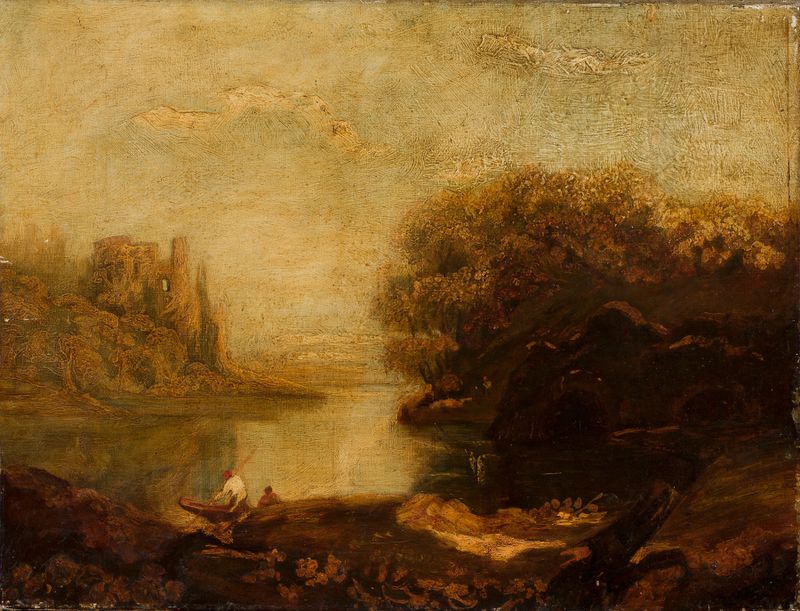
Waterside landscape with ruins
Marie Ibsen Jensen
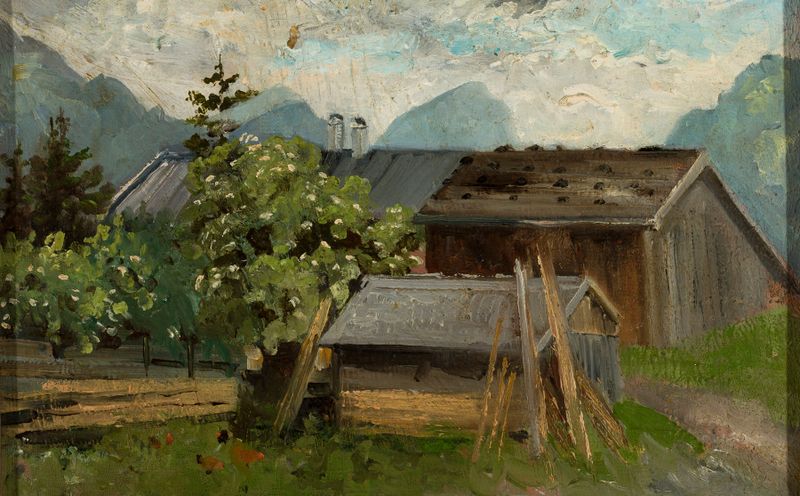
Farmyard in the mountains
Marie Ibsen Jensen
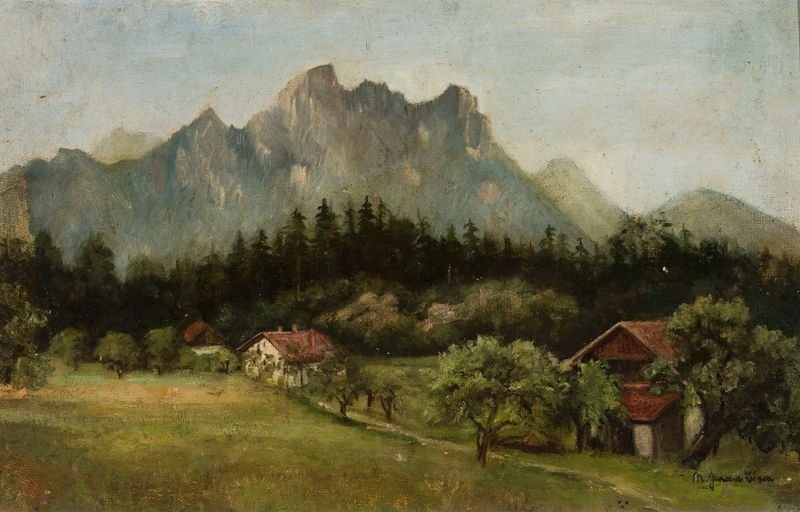
Settlement in the mountains
Marie Ibsen Jensen

Kufstein Fortress in Tyrol
Marie Ibsen Jensen

Fragment of village buildings
Marie Ibsen Jensen

Bench in the garden
Marie Ibsen Jensen





